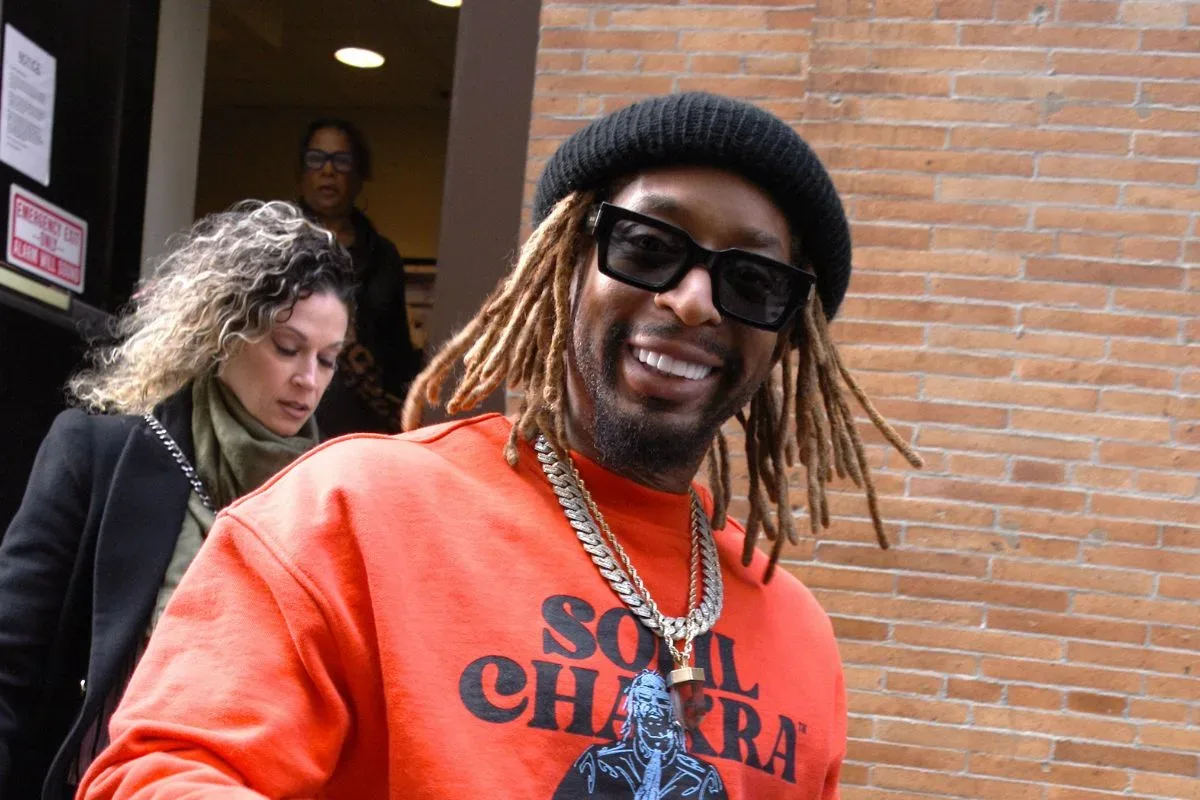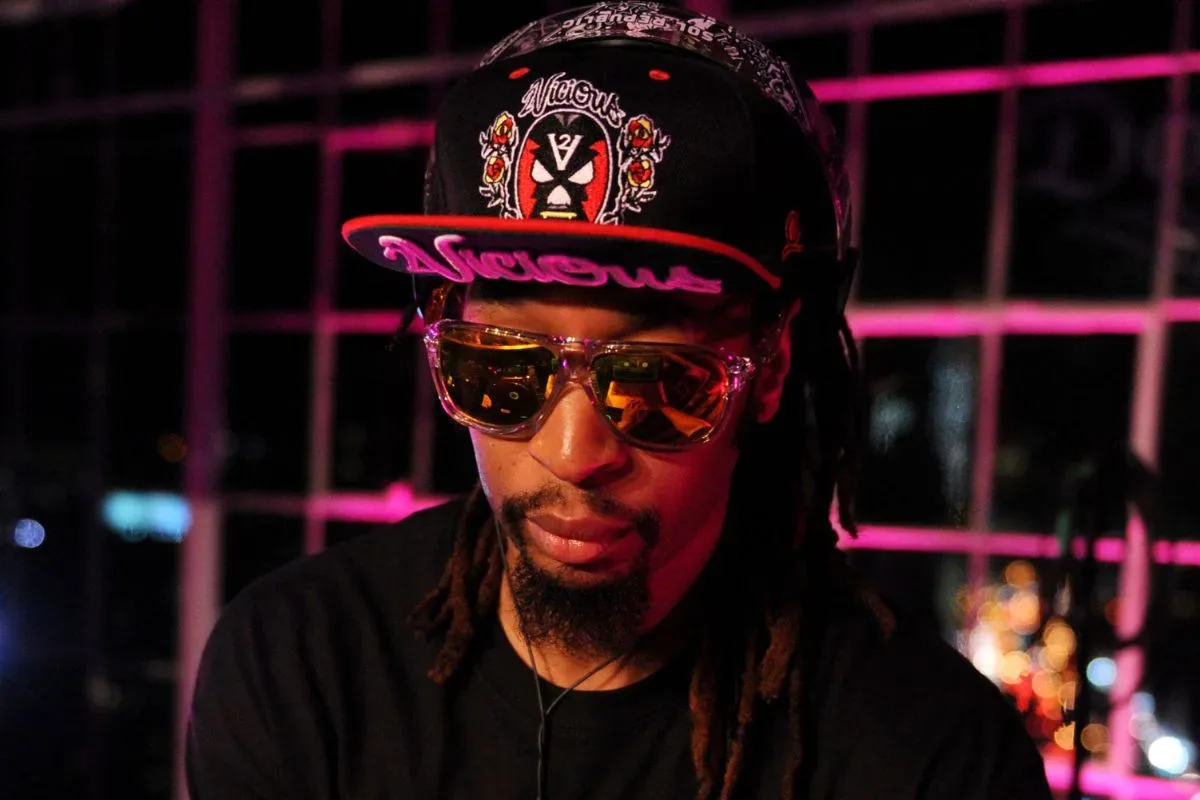
Lil Jon’s forthcoming memoir, I Only Shout So You Can Hear Me, is set to examine material far more personal than the high-volume public image attached to one of crunk’s defining voices. In discussing the book, Lil Jon said that work on the memoir led him to learn that the man who raised him was not his biological father. The 304-page book, written with Paul Cantor, is due in the United States on October 20 through Atria/Black Privilege Publishing.
The discovery began with a cousin’s DNA test. Lil Jon said the shared results indicated that the two did not match in the way he had expected. The cousin nevertheless reassured him that they remained family. That distinction matters: DNA evidence can alter an understanding of biological lineage, but it does not erase the relationships, care and shared history that make a family meaningful.
He had kept much of his personal life private before deciding to include the discovery in the memoir. Lil Jon acknowledged that he could have omitted it. Instead, the book appears to confront the uncertainty directly, including the fact that he cannot now ask his mother, Carrie, either his biological father or Willie, the man who raised him, for answers. All three have died.
A memoir shaped by questions without easy resolution
Memoir is often understood as a retrospective account: a person looks back over events that are known and organizes them into a story. Lil Jon’s account illustrates a more complicated possibility. The act of writing can itself expose an incomplete family history, turning a project about the past into a search for facts that were not previously available to the author.
Here, the DNA result did not provide a complete explanation. It raised a foundational question about paternity while the people most likely to know the answer were no longer alive. That unresolved quality is central to the situation Lil Jon described. It would be wrong to frame the finding as a simple replacement of one family story with another; the supplied information does not identify his biological father or explain why the history was unknown. What is clear is that the result caused him to reassess a deeply personal part of his life.
The emotional stakes also reach beyond genealogy. Willie was the person who raised Lil Jon, and biological relationships and parental relationships are not interchangeable categories. The memoir’s decision to discuss both fathers suggests a space for that complexity rather than a neat reveal. A genetic connection can answer one question about ancestry, while leaving separate questions about upbringing, attachment and identity.
For readers, that may be the more significant frame for this section of the book. Consumer DNA testing is frequently discussed as a tool for tracing origins or finding relatives, but family discoveries can be emotionally disruptive as well as informative. Lil Jon’s circumstances add another layer: he was not only processing a new discovery, but doing so without the ability to speak with the parents whose perspectives might have helped him understand it.
The memoir changed after Nathan Smith’s death
The book’s most painful addition came after its main text was already complete. Lil Jon said he returned to write an epilogue following the death of his son, Nathan Smith, who was known musically as DJ Young Slade. Smith was 27 when his body was found in a pond in Milton, Georgia, on February 6.
Smith worked as an artist, producer and engineer, continuing a path into music that connected naturally with his father’s career. The supplied information does not establish a cause of death or provide further circumstances, and the memoir’s emphasis is instead on Lil Jon’s grief and his decision to write about it.
Adding an epilogue after a manuscript is finished changes more than a book’s page count. An epilogue is a closing section that can revisit or reframe what came before it. In this case, it gives the memoir a final chapter written from inside a fresh loss rather than from a more distant vantage point. That is a markedly different task from recounting career milestones or earlier family memories. It also helps explain why Lil Jon has said he hopes the material may be of use to others living through grief.
There is no implication that a public account can solve that grief, or that it should. Rather, Lil Jon’s stated goal is recognition: someone dealing with a similar loss may see their own experience reflected in an account that does not pretend bereavement is tidy or quickly resolved.
Music, meditation and a broader public identity
Lil Jon said listeners of his meditation albums have told him that those records have helped them sleep and cope with grief. That response provides important context for the memoir’s emotional direction. It connects an intensely personal chapter of his life with a quieter strand of his recent creative output.
His 2024 album Total Meditation, made with Kabir Sehgal, includes a track titled “Coping With Grief.” The project sits far from the boisterous performance style for which Lil Jon is widely known, but the supplied details show that it has become a meaningful avenue for listeners seeking rest or support through difficult feelings.
That does not make meditation music a substitute for professional care, nor does the available information make broader claims about its effects. What it does show is why Lil Jon sees a connection between sharing his experience in print and the feedback he has received about this music. Both are attempts to communicate with people during vulnerable moments, even though the formats and purposes are different.
The contrast also makes the memoir potentially more revealing as a career portrait. Lil Jon’s public persona has long been associated with energy, volume and the Atlanta music scene. Yet the book is described as covering family loss, burnout, a return to DJing, the rise of crunk and his years in Atlanta. Rather than presenting those subjects as separate lives, the memoir places them in one account.
Why the Atlanta and crunk chapters matter
Crunk is the regional hip-hop style and cultural movement closely associated with Atlanta and the Southern club scene. The memoir’s focus on its rise means the personal narrative will also address a major phase in Lil Jon’s professional life: the development of a sound and scene that became inseparable from his name in the public imagination.
That history cannot be reduced to catchphrases or a single era of hit-making. The book is also said to address burnout and Lil Jon’s later return to DJing. Burnout, in this context, describes the exhaustion and depletion that can accompany sustained professional pressure. Including it alongside career ascent creates room for the costs of visibility and constant output, not simply the victories.
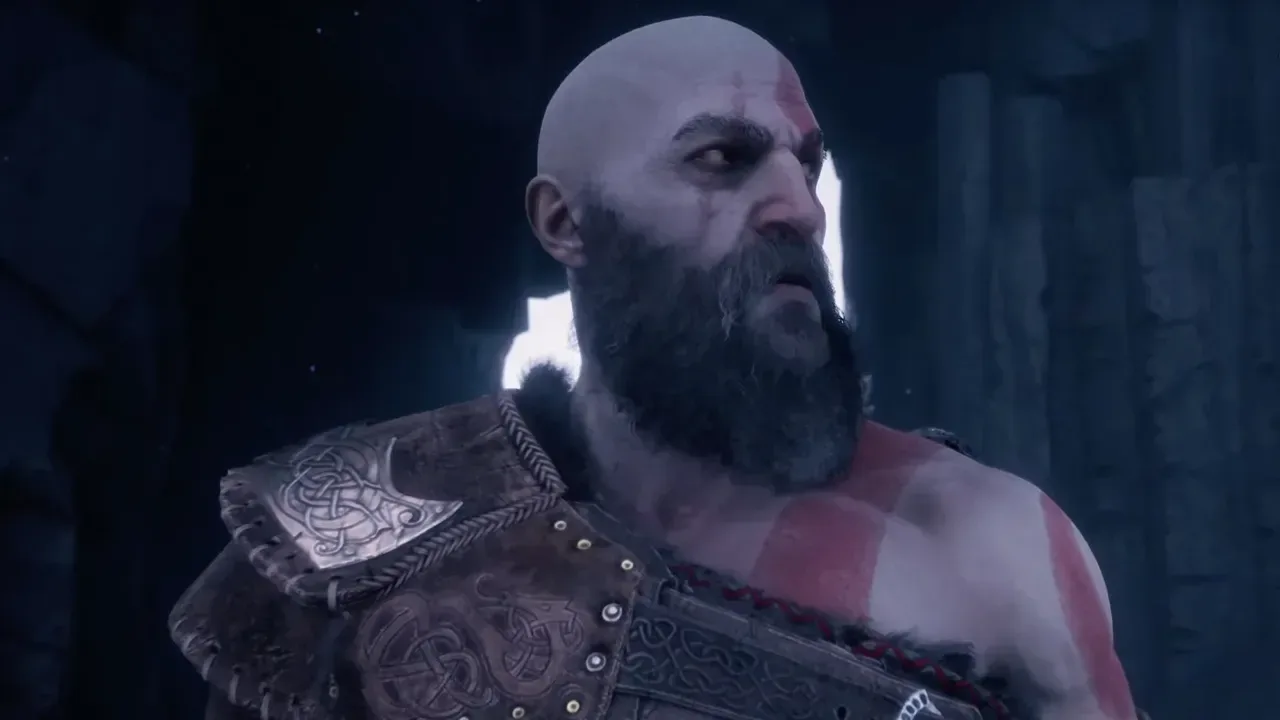
There is a useful parallel here with other forms of creative documentation. Accounts of games and music can reveal decisions, compromises and personal histories that are invisible in the finished work. For a gaming-side example of how seemingly small creative details can become part of a larger origin story, the early naming discussion around Kratos shows how a creator’s behind-the-scenes recollections can add texture without changing the work audiences already know.
Lil Jon’s memoir operates on a far more intimate scale when it comes to family and loss, of course. But the underlying value of a firsthand narrative is similar: public work often arrives stripped of the human circumstances around it. A memoir can restore some of that context, provided readers remember that it is one person’s account of their own life rather than a comprehensive record of every event or relationship.
What is known, and what remains private
The confirmed outline is substantial. Lil Jon learned during the memoir process that Willie, the man who raised him, was not his biological father. The information emerged after a cousin’s DNA result did not match expectations. His biological father, Willie and his mother Carrie have all died. After Nathan Smith’s death, Lil Jon added an epilogue to a book that had already been completed. Smith, also known as DJ Young Slade, worked in music as an artist, producer and engineer.
Equally important are the limits of the available details. No explanation has been offered for the paternity discovery, and Lil Jon has said he cannot get answers from his parents or either father. The circumstances surrounding Smith’s death are not established by the information available here beyond the location where his body was found. Treating those gaps carefully is not a lack of curiosity; it respects the difference between a public figure sharing a difficult truth and the public being entitled to every private detail around it.
I Only Shout So You Can Hear Me therefore arrives as more than a recap of a music career. It is a memoir about an artist choosing to disclose a newly uncovered family truth, then revising the project in the shadow of devastating loss. Its Atlanta and crunk history may give readers the expected account of a major musical period, but its most consequential material appears to be about what could not be known, what could not be asked, and what Lil Jon decided was still worth saying.