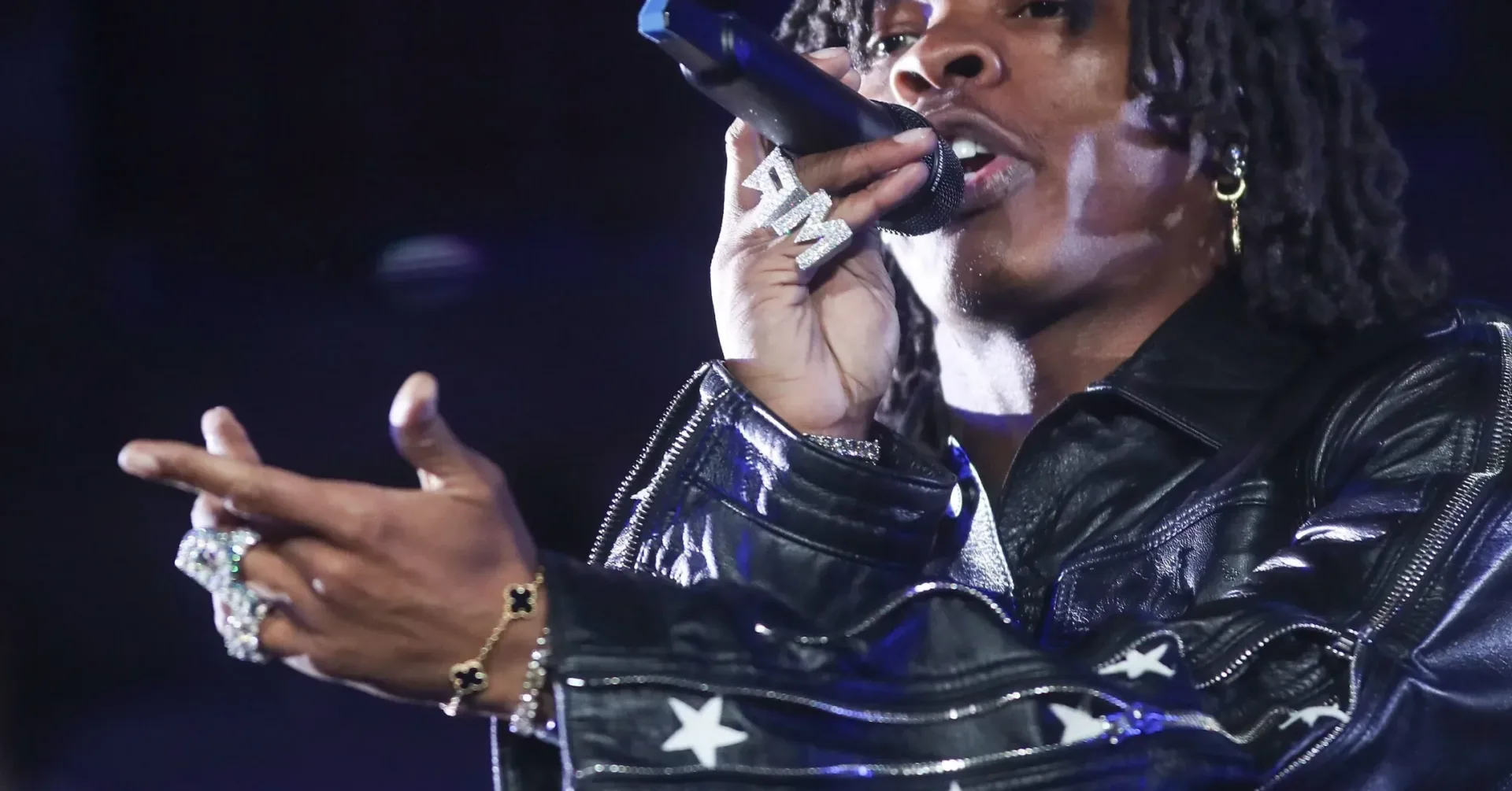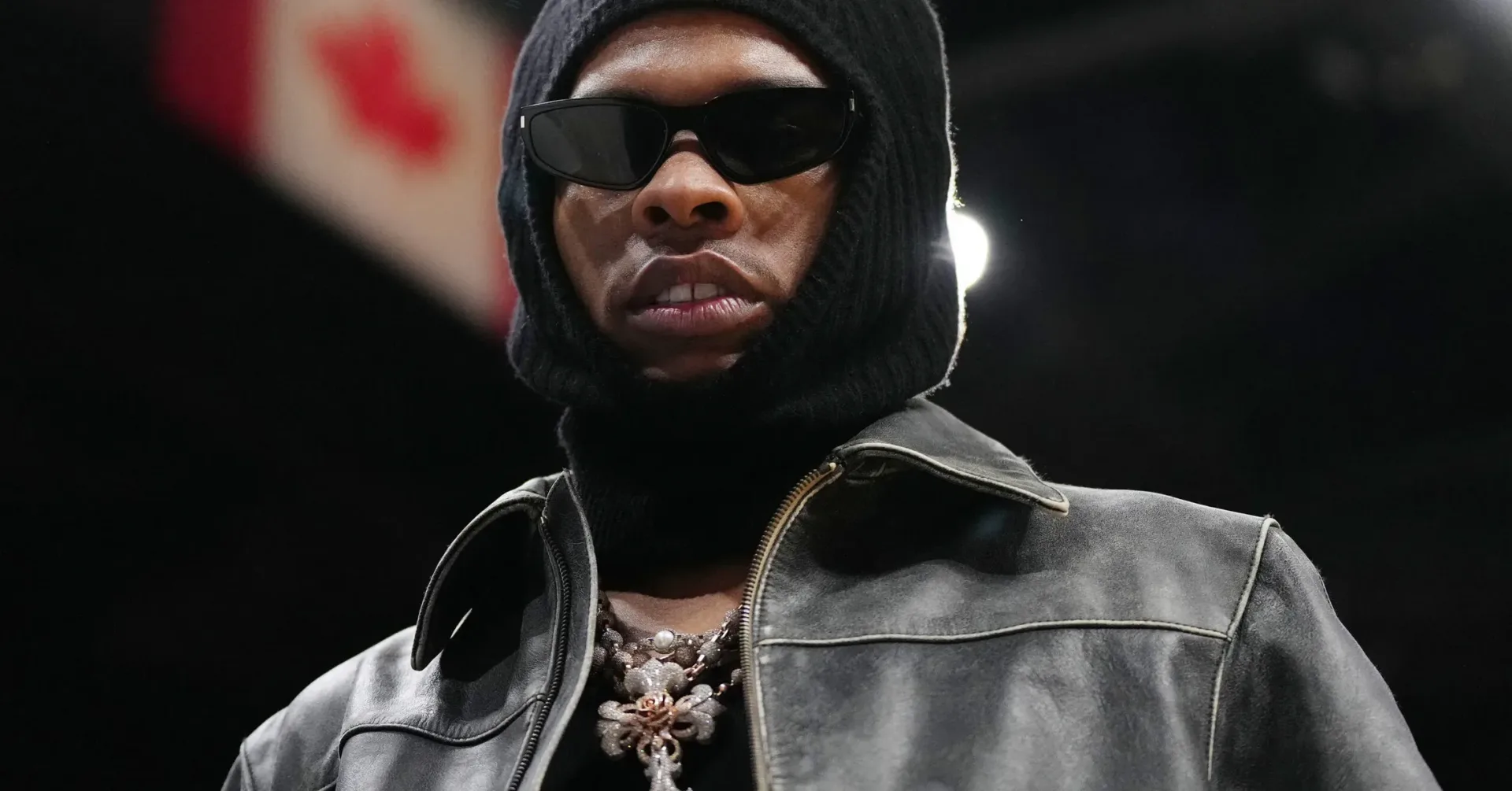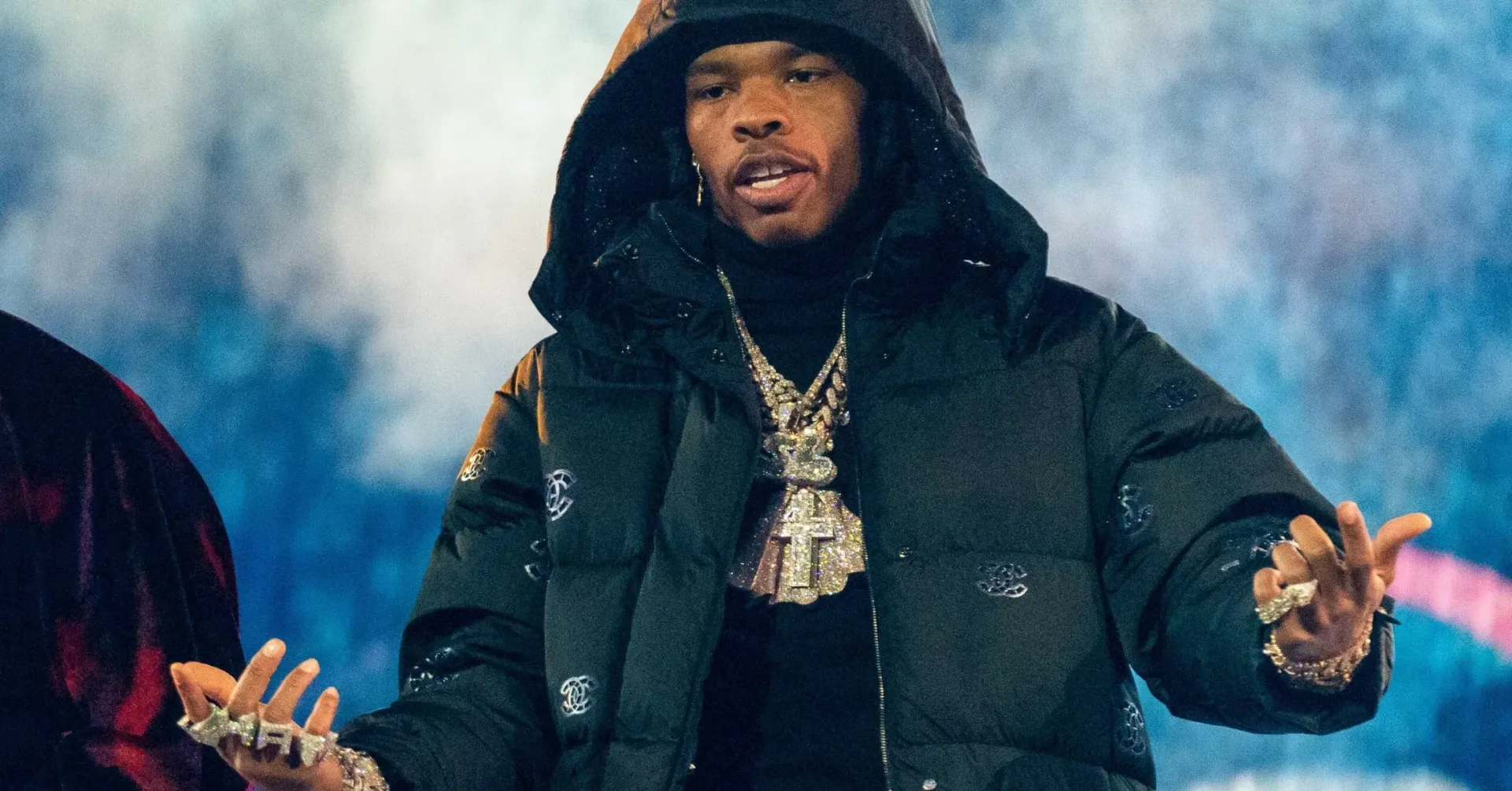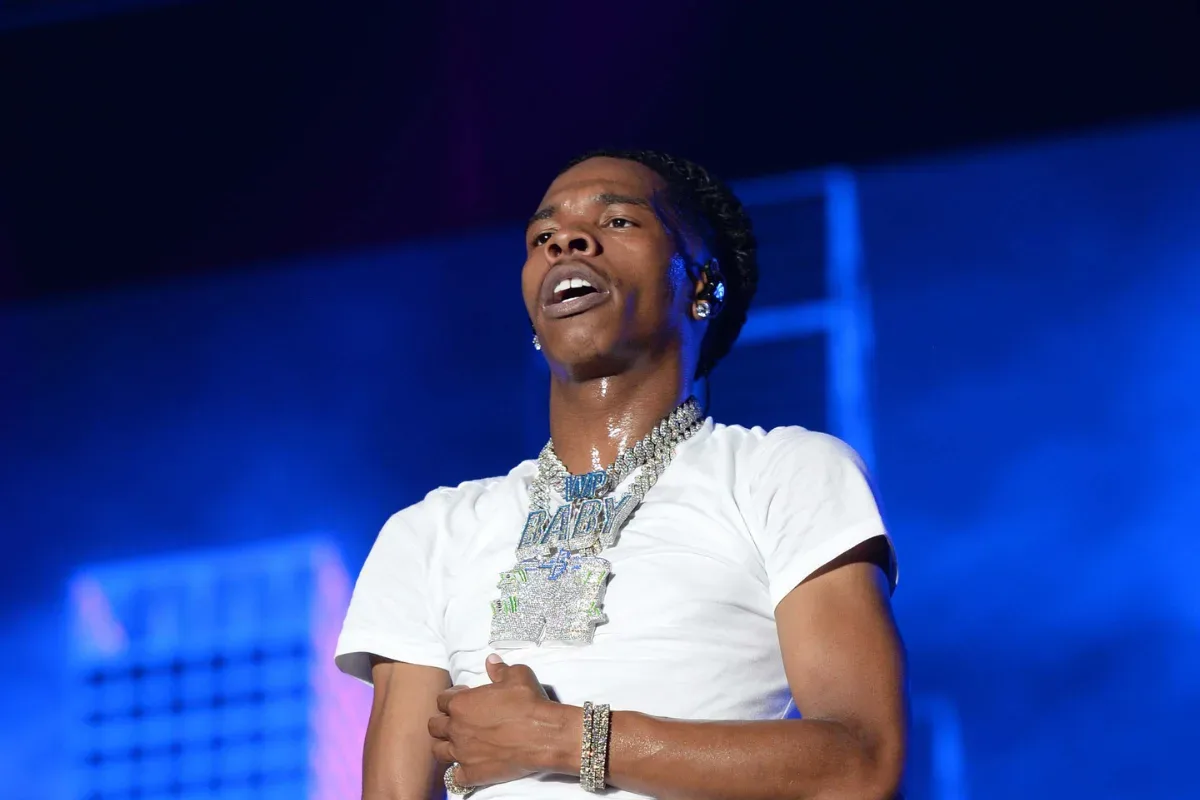
Lil Baby has said that depression once led him to consider walking away from rap, a candid disclosure that puts a more personal frame around the arrival of FRESH, his next album, due November 6.
In a newly released clip from a recent interview, the Atlanta rapper described weighing whether to leave music before finding a way forward. The comments do not offer a simple, tidy narrative about success curing hardship. Instead, they point to an issue Lil Baby has discussed before: the emotional cost of adapting to fame, and the work of changing a life that may no longer fit the conditions that existed before it.
That context matters as FRESH takes shape. Lil Baby has discussed moving outside his usual local-producer circle, has already collaborated with Pharrell Williams on “Dead Fresh,” and has expressed an interest in pushing further toward pop. The album cycle, then, is not only about a new collection of songs. Based on what has been shared, it also appears to be tied to a period of reassessment—personal, professional and creative.
A public career does not erase private strain
Depression is a mental-health condition, not merely a synonym for having a bad day or feeling temporarily disappointed. Lil Baby’s remarks establish that he dealt with depression and considered quitting rap; they do not provide enough detail to characterize his diagnosis, treatment, duration or present health. That distinction is important. Public discussion of mental health can invite speculation, but the facts available here are limited to what he chose to describe.
His earlier reflections add meaningful background without filling in those gaps. In a 2022 interview, Lil Baby spoke about a sustained period of unhappiness as he adjusted to success. He said that progress required him to alter old habits, reconsider the people around him and change how he approached life.
Those points help explain why the idea of fame as an uncomplicated reward often falls short. Recognition can expand a performer’s reach while narrowing everyday life: more attention, more business demands, more pressure to remain visible, and fewer ordinary spaces in which to make decisions without public interpretation. Lil Baby has again discussed the way fame can make a person’s world feel smaller.
That does not mean fame alone explains depression, and it would be irresponsible to reduce a complex health issue to a career storyline. It does show why an artist can be commercially active and still describe a difficult internal period. The public sees releases, appearances and milestones; the person living through them may also be navigating shifts in relationships, routines and expectations.
FRESH points toward a wider creative circle
The clearest musical detail connected to Lil Baby’s next phase is “Dead Fresh,” his collaboration with Pharrell Williams. Lil Baby first played the track at Louis Vuitton’s men’s show in Paris in June. It arrived in July, and his label described it as the pair’s first collaboration.
Related coverage includes Lil Baby Discusses Depression, Rap Exit Thoughts and FRESH Plans.
Working with someone outside an established creative circle can mean more than adding a recognizable name to a track listing. A producer is not simply a person who supplies a beat. In broad terms, producers can influence instrumental choices, the structure of a song, the sonic balance of a recording and the process through which an artist turns an idea into a finished performance. A new collaborator can therefore bring a different set of working methods and artistic questions.
There is no basis to assume that one collaboration defines the sound of all of FRESH. Still, Lil Baby’s stated intention to work beyond his familiar producer network makes “Dead Fresh” a useful signal of openness to different approaches. It is an outward-facing move after a period in which he has also spoken about reevaluating the conditions around his life and work.
He has also said he is open to moving further into pop, including a potential collaboration with Sabrina Carpenter. Here, “pop” should not be treated as a rigid genre label or as proof that Lil Baby is abandoning rap. In this context, it describes an interest in extending his range and operating beyond his comfort zone. Whether that becomes a collaboration, a crossover record, a particular melodic approach, or something else remains unconfirmed.
That experimentation fits a broader moment in which artists regularly cross stylistic boundaries without permanently changing their core identity. For Lil Baby, the concrete facts are narrower: he is interested in broadening his music, he has worked with Pharrell Williams, and FRESH is scheduled for November 6.
Creative reinvention can carry risks as well as opportunities. Listeners who value a familiar sound may be wary of any suggestion of change, while new collaborators can bring audiences who have not previously followed an artist’s work. Neither reaction determines the artistic result. What matters is that Lil Baby is framing expansion as a deliberate possibility, not an accidental detour.
There is a wider recent example of a rapper publicly signaling a move toward R&B-adjacent territory: Jack Harlow’s previewed work with Babyface following “Monica” similarly reflects how major artists can explore new musical lanes without making the process a simple genre switch.
Keeping disputes away from the timeline
Lil Baby also addressed the public handling of disagreements among artists. Asked about Young Thug and Gunna, he drew a boundary between conflict and content, saying he would rather keep problems off the internet and deal with them privately, in person.
“We can handle our problem off the internet, in person, just us,” Lil Baby said.
His argument was not framed as a claim that conflict does not exist. It was a criticism of turning conflict into a public spectacle, particularly when he believes it reflects on Atlanta regardless of who seems to come out ahead.
That view carries practical implications in an online culture where a dispute can rapidly become a source of posts, reaction clips and audience allegiance. Public escalation can blur the line between the artists involved and the larger place or scene audiences associate with them. Lil Baby’s position is that the attention can do reputational damage beyond the people at the center of the disagreement.
It also aligns, at least thematically, with his broader comments about protecting room to live and work outside of constant public scrutiny. Privacy is not the same as denying a problem; it can be a choice about who gets access to it. Lil Baby’s preferred approach is clear from the available comments, even if the details of any disagreement remain private.
What has been announced for the album cycle
Young Thug is listed with Future and Rylo Rodriguez on “All My Partnas,” one of the songs announced for FRESH. The listing is a concrete album detail, but it should not be read as a complete account of the project’s track list, overall concept or the status of the relationships discussed in the interview.
After the planned November 6 album release, Lil Baby has a hometown date on the calendar for December 5. He previously announced the “Fresh Prince Of Atlanta” birthday concert at State Farm Arena. The show gives the campaign a major Atlanta focal point less than a month after the album’s expected arrival.
For now, the most consequential part of Lil Baby’s discussion is not a tease designed to generate online friction. It is his decision to speak plainly about a time when depression and dissatisfaction made leaving rap feel possible. His comments connect that difficult stretch with ongoing changes in the people, habits and creative processes around him.
FRESH may ultimately be judged on its music, as albums are. But the information currently available suggests a more specific backdrop: an artist who has confronted the limits of success as a source of fulfillment, is seeking new collaborators and sounds, and is choosing to keep certain personal conflicts beyond the reach of public performance.