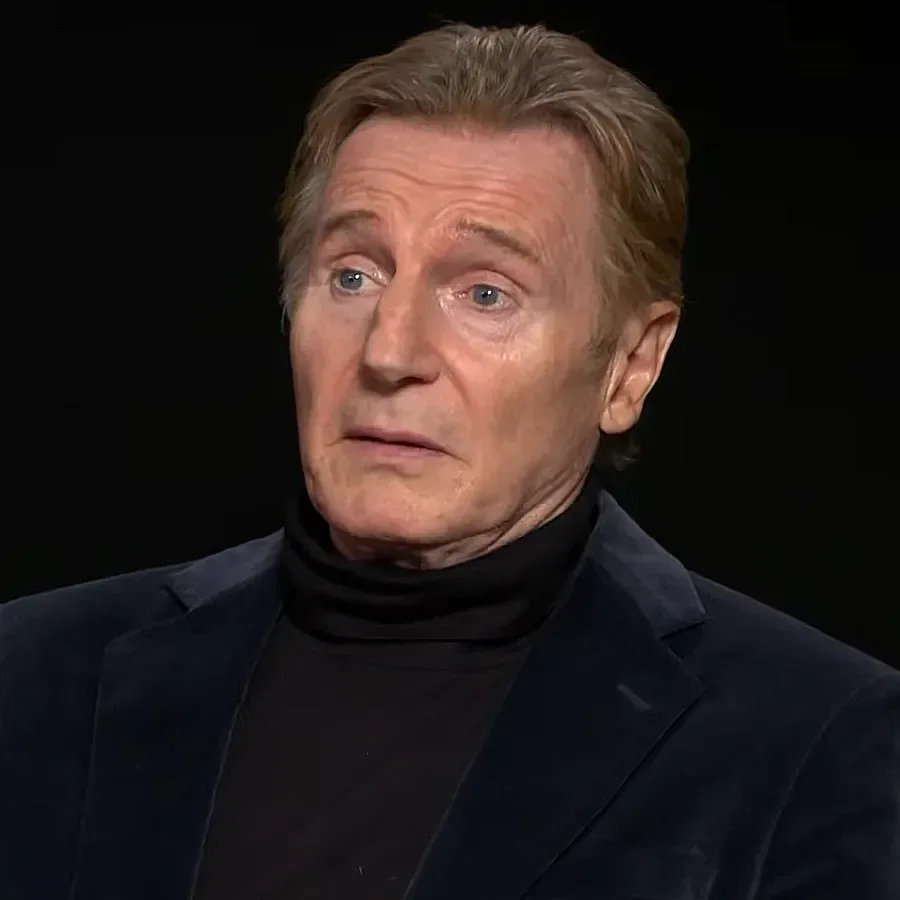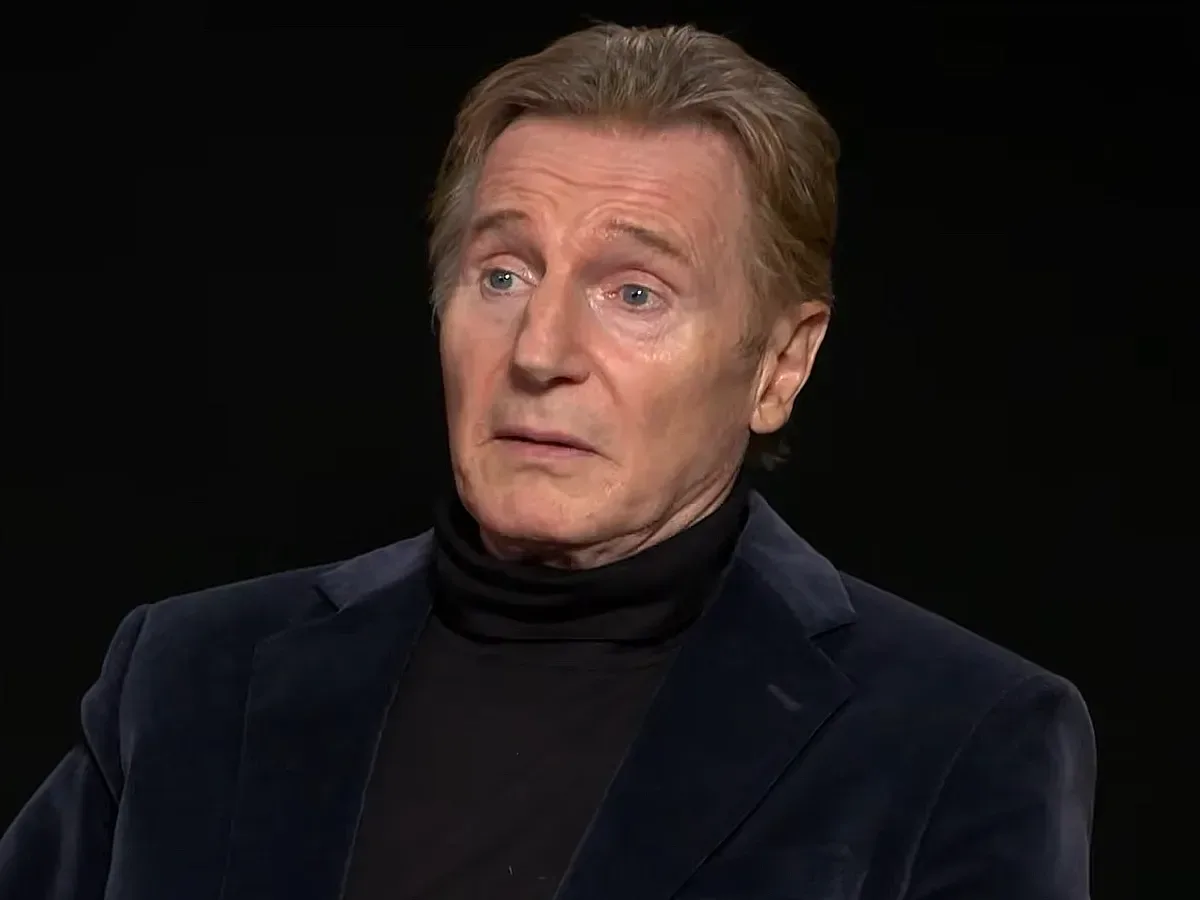
Liam Neeson’s history with Narnia gave a newly surfaced interview moment an unusual amount of weight: he apparently did not know another film was in the works, or that Meryl Streep had been cast as the voice of Aslan.
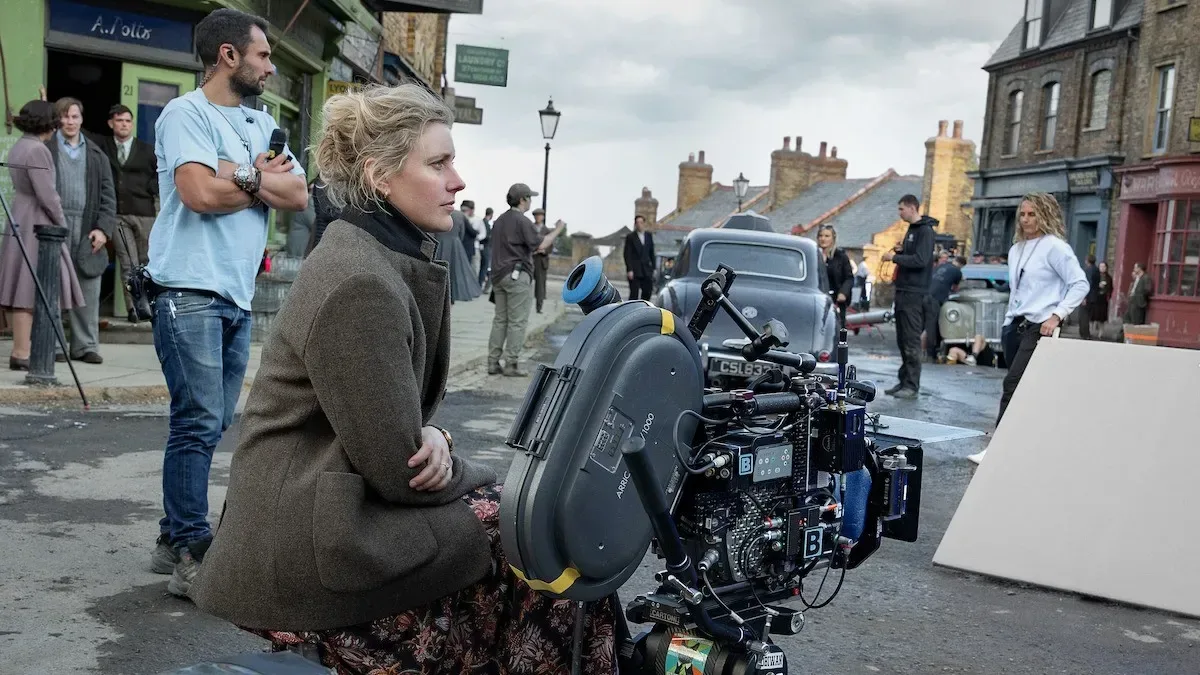
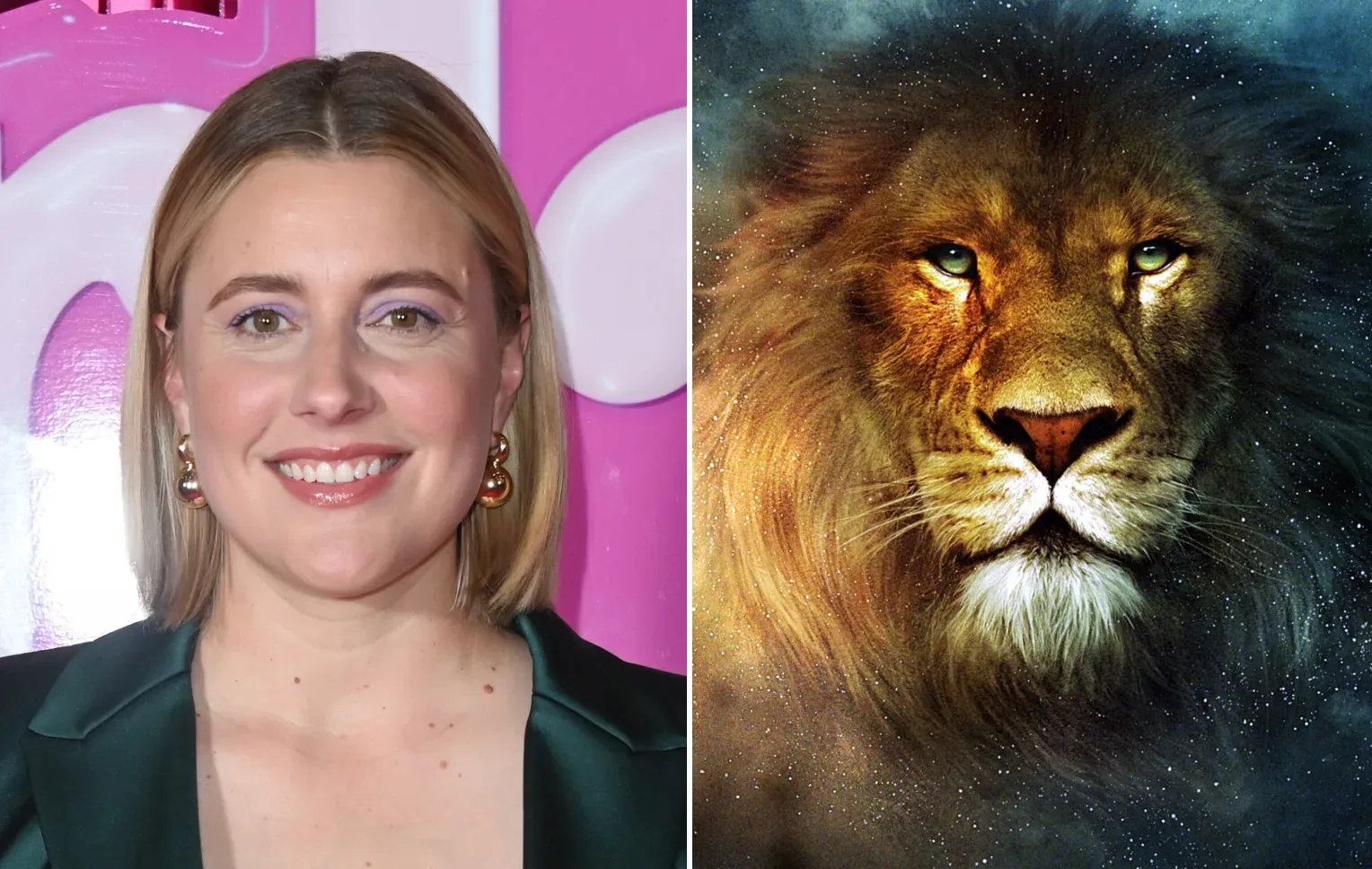
Neeson voiced the lion in the previous Narnia movie trilogy. Greta Gerwig is now adapting The Magician’s Nephew, C.S. Lewis’ Narnia prequel, as a rock opera-style production. The film is scheduled for theaters on February 12, 2027.
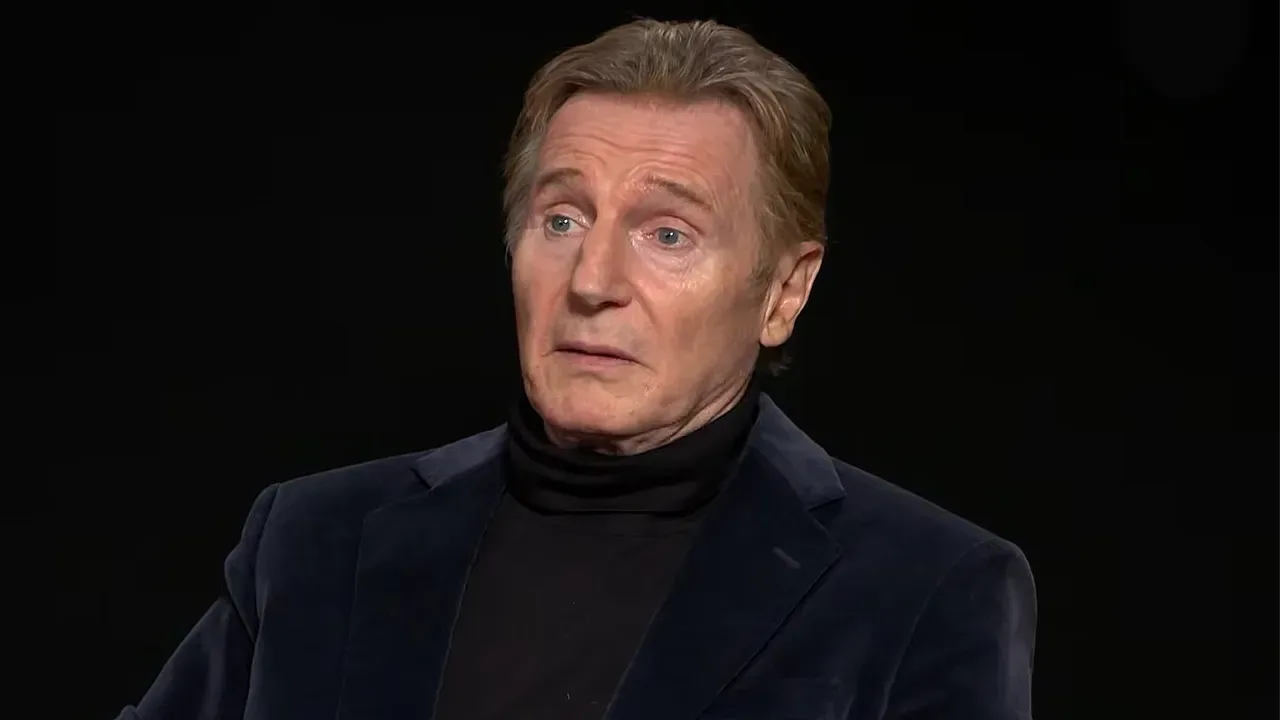
When Neeson was told about the project in a November 3 interview, his first response was simple: “I’m sorry — this is news to me.” Once he learned Streep would voice Aslan, he asked, “Meryl is playing Jesus Christ?” He then added: “Well, if you’re gonna make Christ a lady, nobody better than Meryl.”
The exchange has traveled quickly online because it is both a casting revelation and an extremely human reaction to receiving industry news on camera. Neeson’s delivery has invited competing readings: some viewers see dry, diplomatic surprise, while others read it as an effort to process a big creative change without being discourteous. The available remarks do not settle that question, and it is probably more useful to treat the clip as what it plainly is—a former performer in the role learning, in real time, that the character is returning in a substantially different production.
Why Aslan casting carries more meaning than a standard voice-role swap
Aslan is not merely a recognizable talking animal in the Narnia stories. In Lewis’ books, he is a powerful lion whose sacrifice and return give the character clear Christian-allegorical associations. Neeson’s use of “Jesus Christ” in the interview points directly to that symbolic role rather than simply commenting on the character’s species or status as a franchise mascot.
That context helps explain why Streep’s casting has become the focal point of the conversation. Recasting happens constantly in major screen properties; in isolation, a new actor taking over an established part is routine. But a performer voicing a character with this kind of religious resonance, and doing so after a male vocal portrayal in the earlier films, makes the choice feel like an interpretive decision as well as a personnel decision.
It is worth separating what is confirmed from what remains inference. The confirmed information is that Gerwig’s film is an adaptation of The Magician’s Nephew, that it is being framed as a rock opera-style production, that Streep will voice Aslan, and that Neeson was surprised to hear this. It does not follow that the finished film will present every aspect of Aslan in the same way as the previous movies, nor does it tell audiences exactly how the adaptation will approach the source material’s theological imagery. Voice casting alone cannot answer those larger storytelling questions.
A prequel is an opportunity to set a new tone
The Magician’s Nephew occupies a particular place in the Narnia canon as a prequel. That makes it a natural point for filmmakers to establish a new visual, musical, and dramatic language without immediately retelling the same events viewers may associate with the earlier movies.
Gerwig’s reported rock opera-style approach suggests that music will be a defining part of that language. A rock opera is generally a work in which songs and musical performance carry a significant share of narrative or character expression, rather than functioning only as background score. That description should not be stretched beyond the information available: no detailed account of the film’s song structure, sound, or staging has been established here. Still, the label alone signals that this is not being positioned as a straight replication of the earlier Narnia films’ tone.
That creative distance is likely why reactions have been divided. Some people are receptive to a filmmaker putting a pronounced personal stamp on a fantasy property. Others would prefer a more familiar screen version of Lewis’ world. Neither response requires pretending the adaptation is something it has not claimed to be. A new production can be deliberately different and still be judged on whether its choices serve its own version of the material.
For audiences, the practical implication is modest but important: expectations should be calibrated to a reinterpretation. Streep’s Aslan and a rock opera frame are not small cosmetic adjustments. They indicate a project that is willing to make conspicuous choices before viewers have even seen a trailer or a completed scene.
Neeson’s response became the story because it stayed measured
The viral appeal of the moment rests less on overt conflict than on restraint. Neeson did not launch into a broad criticism of Gerwig, Streep, or the film. His response acknowledged the surprise, made an observation about Aslan’s allegorical significance, and then complimented Streep’s suitability.
“Well, if you’re gonna make Christ a lady, nobody better than Meryl.”
That line can function on several levels at once. It is plainly a compliment to Streep. It also identifies the significance Neeson assigns to Aslan, and it arrives after he has been told something he did not know. The resulting smile and tone have led to endless online interpretation, but body-language verdicts are a flimsy foundation for a definitive claim about someone’s private opinion.
In that sense, the most durable takeaway is not whether Neeson secretly approves or disapproves. It is that he responded without turning a surprise question into a feud. That is likely why viewers who disagree about his precise expression can still agree that the exchange is memorable.
What Meryl Streep’s casting does—and does not—tell us
Streep’s casting immediately supplies a recognizable dramatic voice to a role that has long carried authority, warmth, danger, and spiritual gravity for readers and viewers. But it would be premature to assume the performance’s texture from the actor’s reputation alone. Voice work depends on direction, writing, sound design, pacing, and the relationship between a vocal performance and an animated or effects-driven character.
That distinction matters especially with Aslan. The character’s impact is tied to more than an identifiable voice. It comes from the language he is given, the way scenes frame him, and the degree to which an adaptation preserves, revises, or reframes the book’s symbolic elements. A famous actor may be the headline, but the final interpretation belongs to the complete film.
There is also a useful industry perspective here. Legacy roles are often treated as though they can only be preserved through exact repetition. Yet new adaptations frequently depend on a tension between recognition and reinvention. Keep too much unchanged and a project can seem unnecessary; alter too much and it risks alienating people attached to the prior version. Gerwig’s project appears to be operating directly inside that tension, with the musical format and Aslan casting serving as its clearest early signals.
That makes Neeson’s reaction more than a funny clip. It has become a neat illustration of a broader pop-culture ritual: a beloved character changes hands, the former steward is asked to react, and audiences scrutinize every pause for a verdict. The better question will arrive when the film does: whether this version of Aslan works within the story Gerwig is actually telling.
What is known ahead of 2027
- Greta Gerwig is adapting C.S. Lewis’ The Magician’s Nephew.
- The production has been described as rock opera-style.
- Meryl Streep will voice Aslan.
- Liam Neeson voiced Aslan in the earlier Narnia movie trilogy and said the new film and casting were news to him.
- The film is scheduled to reach theaters on February 12, 2027.
Until more material is released, discussion will inevitably orbit the headline decisions: Streep as Aslan, the prequel source material, and the musical framing. That is normal for a high-profile adaptation, particularly one connected to a character with as much cultural and symbolic baggage as Aslan.
The immediate fascination, however, belongs to Neeson’s brief answer. He was handed unexpected franchise news, recognized exactly why the role’s recasting would prompt questions, and chose a compliment that left room for uncertainty. For a moment built on surprise, that was a remarkably composed way to handle it.
For another recent example of how a familiar character can be recast and reframed for a massive franchise, see the discussion around Channing Tatum’s Gambit and a more grounded take in Avengers: Doomsday.