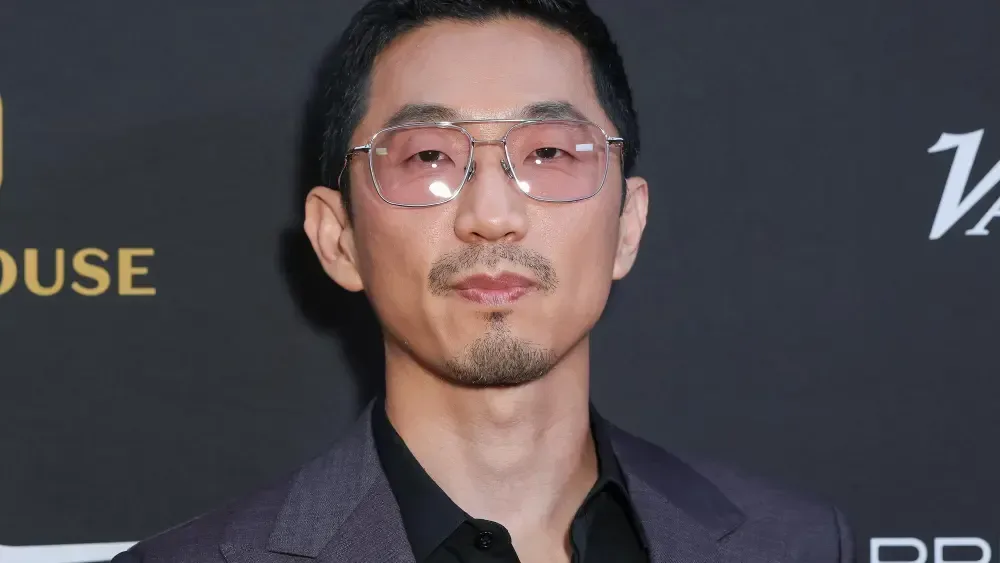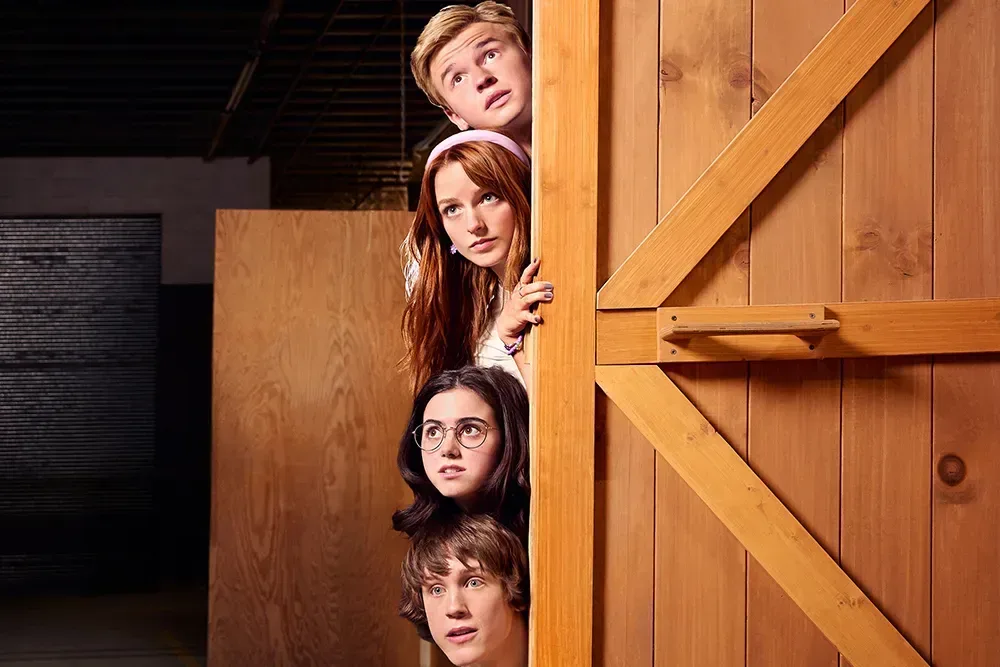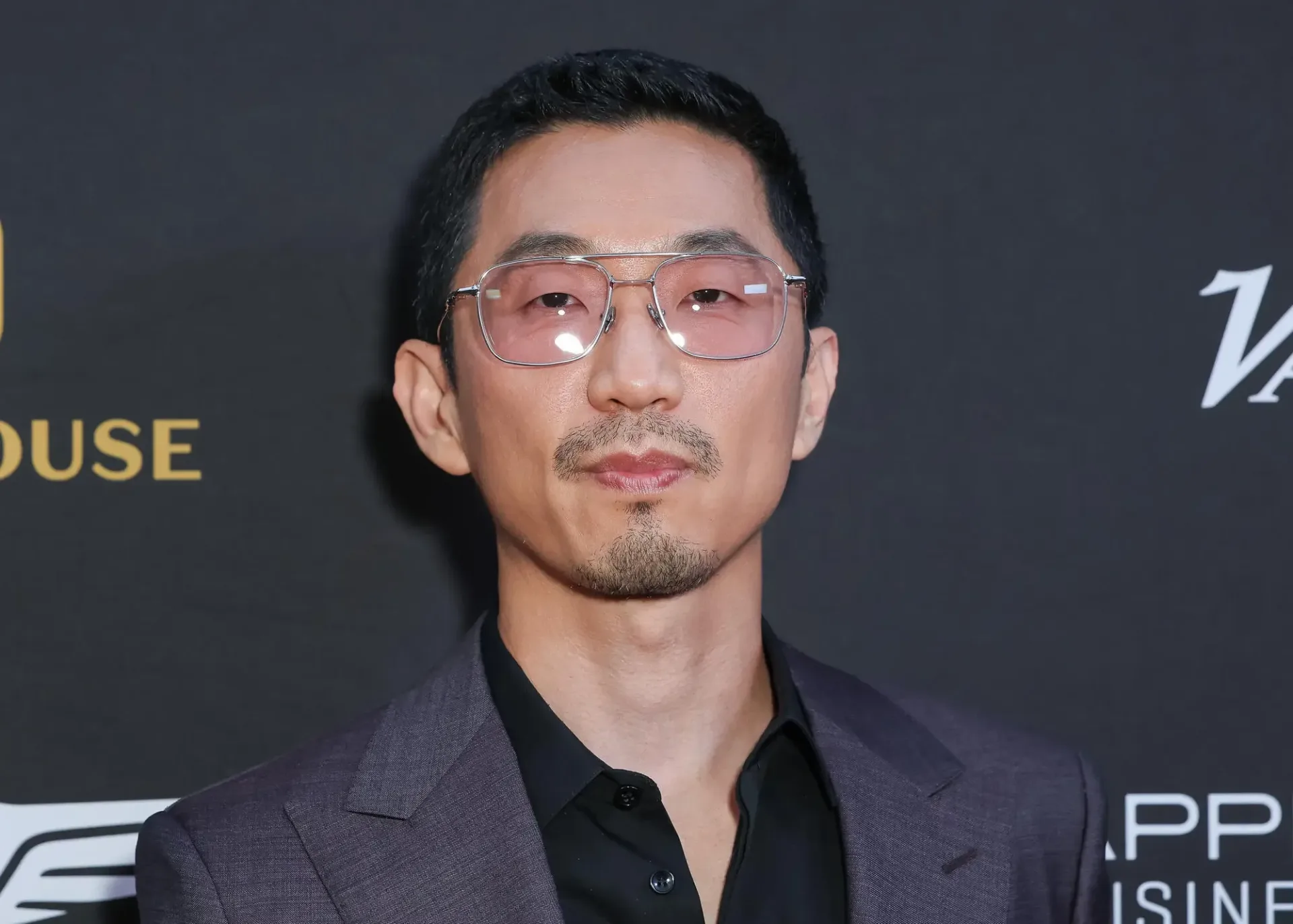
Some casting stories begin with months of negotiations, stacks of paperwork and a carefully choreographed trade-press rollout. Lee Sung Jin’s account of bringing Charles Melton into Beef Season 2 has a much more appetizing origin: a dinner, a strategic seating request and, apparently, fewer than four appetizers.
At Gold House’s third annual One House Toast to the Emmys, Lee recounted seeing Melton in May December and being struck by the performance. The Beef creator wanted the actor for the anthology’s second season, and recognized an opening when Gold House co-founder Bing Chen hosted one of his celebratory meals for May December.
Lee texted Chen with a direct request: could he be placed beside Melton so he could make the pitch? Chen’s seating plan had Chloe Zhao next to Melton, so Lee ended up seated next to Zhao before making his case to the actor. Lee said Melton had agreed to join by the third appetizer. It is the kind of compact Hollywood story that makes a good reminder that professional networks do not always operate in boardrooms. Sometimes they run on introductions, shared enthusiasm and a well-timed place card.
A major Emmy moment for Beef
The anecdote arrived during a particularly significant awards stretch for Beef. Its second season received 16 Emmy nominations, the highest total reported for a limited or anthology series this year. The show had already collected three Creative Arts Emmy wins at the time of the event.
That recognition also put Lee in a notable position: he became the first Asian television creator to earn multiple nominations in writing, directing and producing for the same series on two occasions. The distinction reflects the unusually broad creative role Lee has held on the series. For viewers, the credit list can blur into a rapid-fire passage after an episode. In practical terms, those separate categories point to different kinds of responsibility: shaping the story, carrying it from page to production, and directing what ultimately reaches the screen.
Beef has been described as a genre-bending Netflix anthology, and the second-season nomination total indicates that its creative approach has drawn attention across the television academy. An anthology format also comes with its own challenge. A show needs to maintain an identity recognizable enough to satisfy returning viewers while still creating room for a different configuration of characters, performers and dramatic stakes. That tension can make casting choices especially consequential.
Melton’s addition is therefore more than an amusing dinner story. Lee’s explanation makes clear that the actor’s work in May December was the catalyst. It was a performance that convinced the showrunner to act quickly when an opportunity to speak with him appeared. There is no need to turn the story into an overblown legend; the useful part is straightforward. Lee saw work he admired, identified a fit for his own project and used an available social setting to start the conversation.
Seoyeon Jang prepared months for one scene
Lee also used his remarks to recognize Seoyeon Jang, who plays Eunice in Beef and attended the event. Her casting, he said, came from a self-tape. The scene he had worked on with her involved Eunice and Melton’s character, who is posing as a physical therapist and stretching Eunice.
What Lee initially had not fully accounted for was the physical requirement embedded in that scenario. As pre-production and writing demanded his attention, staying in touch about the specifics of the movement was not at the top of his mind. Then, while shot-listing roughly a month before filming, he began to consider a practical question: how flexible was Jang, and would that determine what coverage could be achieved?
The production concern is a useful glimpse into how an apparently small detail can change the planning behind a scene. Coverage is the assortment of camera angles and shots filmmakers gather to give an editor options. A sequence that looks smooth and immediate on screen may rely on multiple angles, cuts and carefully managed staging. If a performer’s movement needs limits or adjustments, the team has to account for that in advance. That does not make the scene less effective; it simply means the story and the physical reality of production must meet somewhere workable.
When Lee called Jang to ask, she told him that she had hired a stretching coach and had spent three months stretching. Lee connected that preparation to the final result, joking that it enabled the scene to be captured in a single unbroken shot.
The story is funny because it turns a late logistical worry into an unexpectedly thorough answer. It also underlines the amount of work performers can put into elements an audience may not consciously identify. Viewers might register tension, discomfort, comedy or vulnerability in a scene involving a fake physical therapist. They are unlikely to be thinking about the preparation required to make the choreography safely possible and visually continuous. Jang’s account, as relayed by Lee, puts that labor back into focus.
The value of a self-tape—and follow-through
Jang’s path to the role adds another modest but meaningful point to the evening’s discussion of creative careers. A self-tape can be a first introduction rather than a minor formality. For an actor, it has to communicate performance choices without the energy of a room, immediate direction or a full set of scene partners. Lee said Jang was cast from hers, making her later preparation for the physical sequence an extension of the same readiness that got her noticed in the first place.
That does not turn one performer’s experience into a universal rule for every casting process. It does, however, show a clear line between opportunity and execution in this particular case. Jang made an initial impression through a self-tape, was given a role, and then put in sustained work for a scene whose demands became clearer as production planning advanced.
There is an appealing symmetry in the two stories Lee shared. Melton’s involvement began with a personal pitch at a dinner, while Jang’s started with a self-tape. One was a quick yes after a direct conversation; the other involved the standard remote audition route. Both accounts lead back to the same production, and both emphasize that television is built through a mix of formal structures and human connections.
Gold House’s gathering centered multicultural creators
The One House Toast celebrated Asian Pacific and multicultural people working across entertainment. Chen praised Lee as a creator whose work moves beyond a single job description, pointing to the value of artists who write, produce and direct. The sentiment fit the occasion and Lee’s Emmy recognition across those same disciplines.
Gold House’s broader mission includes advancing Asian Pacific and multicultural representation in front of and behind the camera. Its work over the past year has included research, cultural consultation, investments and marketing connected to film and television. Events such as the Toast are visible gatherings, but the remarks around Lee’s achievements placed equal emphasis on the behind-the-scenes creators whose choices, planning and persistence shape what audiences see.
The guest list included The Pitt writer and producer Simran Baldwan; The Pitt actor and Emmy nominee Sepideh Moafi; Dolly de Leon of Forgotten Island; and Brandon Perea, associated with Insidious: Out of the Further. Partners for the evening included Chase Sapphire Reserve for Business, Genesis Motor America, Viki and WME.
For a related look at another television project considering the weight of past performers and an upcoming season, see our coverage of the Welcome to Derry team’s reflections on Tim Curry.
Why Lee’s stories land
Neither anecdote needs embellishment to be memorable. The Melton story captures the nerve and efficiency of a creator identifying the right moment to advocate for a casting idea. The Jang story captures a performer meeting a technical challenge with a level of commitment that made an ambitious shot possible. Together, they offer a concise view of how a series is assembled: not through one grand decision, but through many conversations and preparations that can seem small until the finished work arrives.
Lee’s career milestone provides the formal awards context. Sixteen nominations and three Creative Arts Emmy wins are clear markers of how strongly Beef Season 2 has registered this year. Yet the dinner pitch and the stretching coach are the details that make the achievement feel grounded. They point to a collaborative production culture where a showrunner can make a fast, enthusiastic appeal to an actor, and where an actor can quietly spend three months preparing for a scene that might otherwise have been covered very differently.
In the end, the third appetizer may be the headline-friendly detail. But Lee’s remarks gave equal credit to the less flashy kind of work: careful casting, self-tapes, shot lists, physical preparation and the creative relationships that help an anthology series take shape.