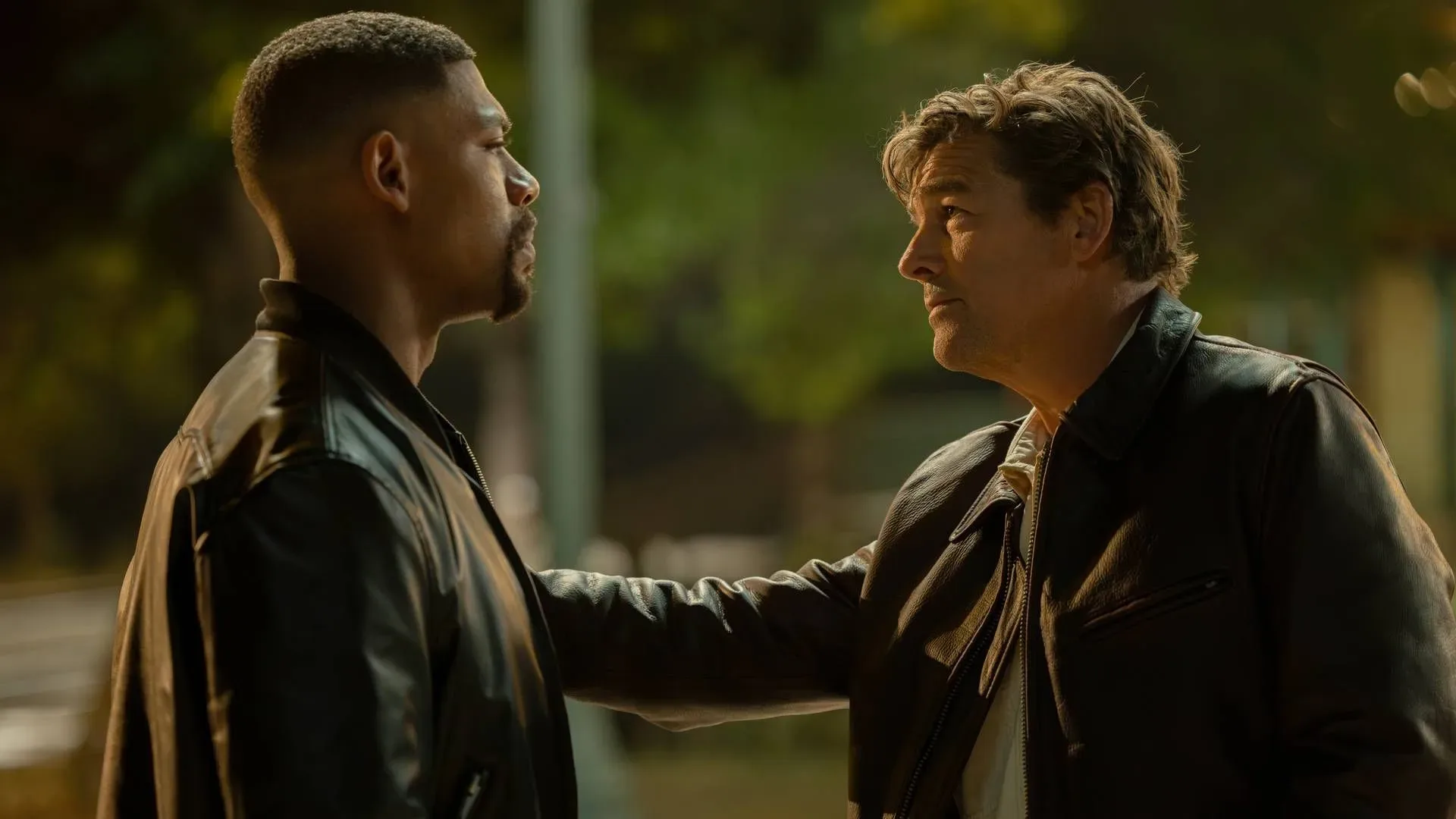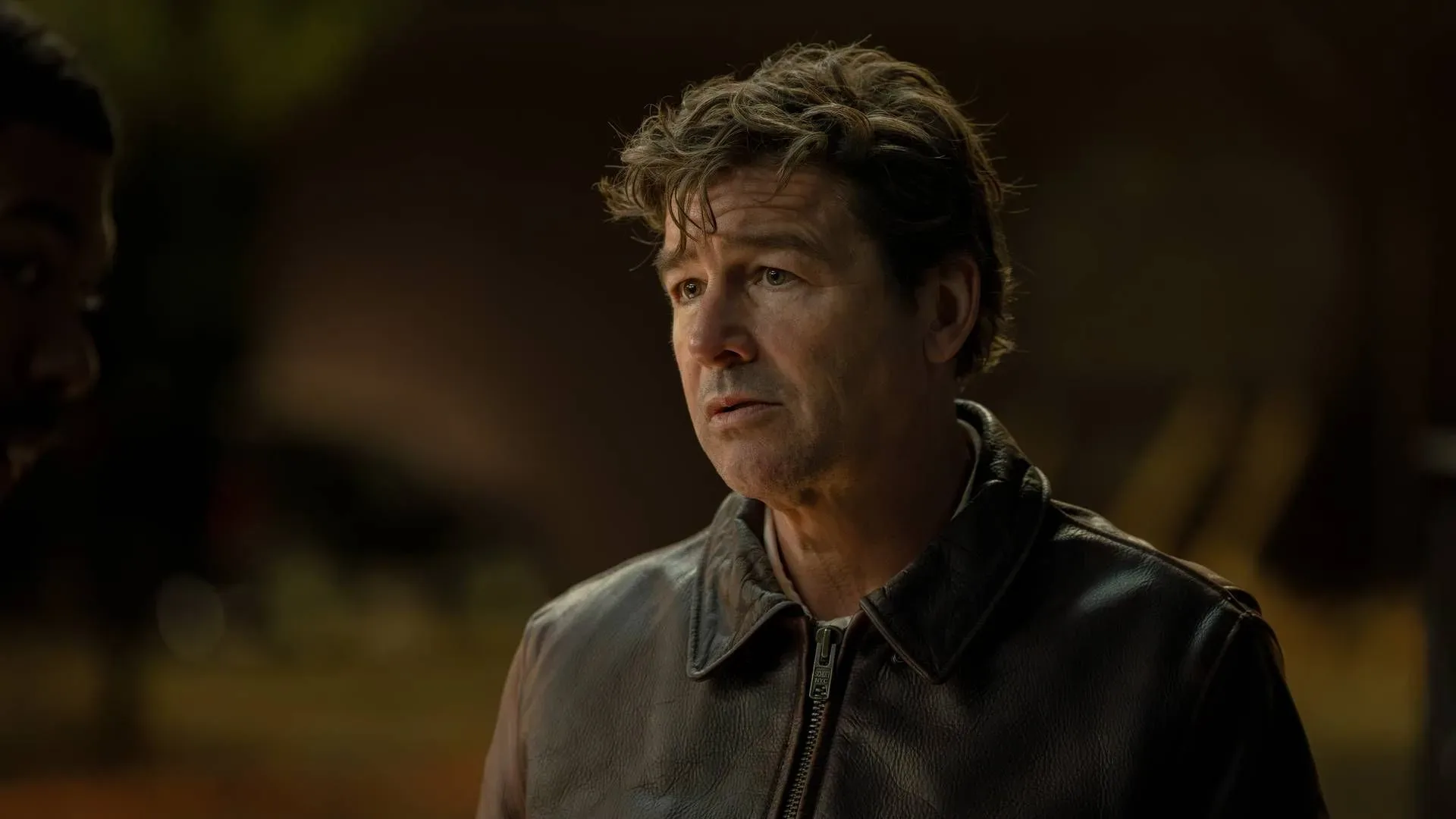
Major spoilers for Lanterns season 1 follow.
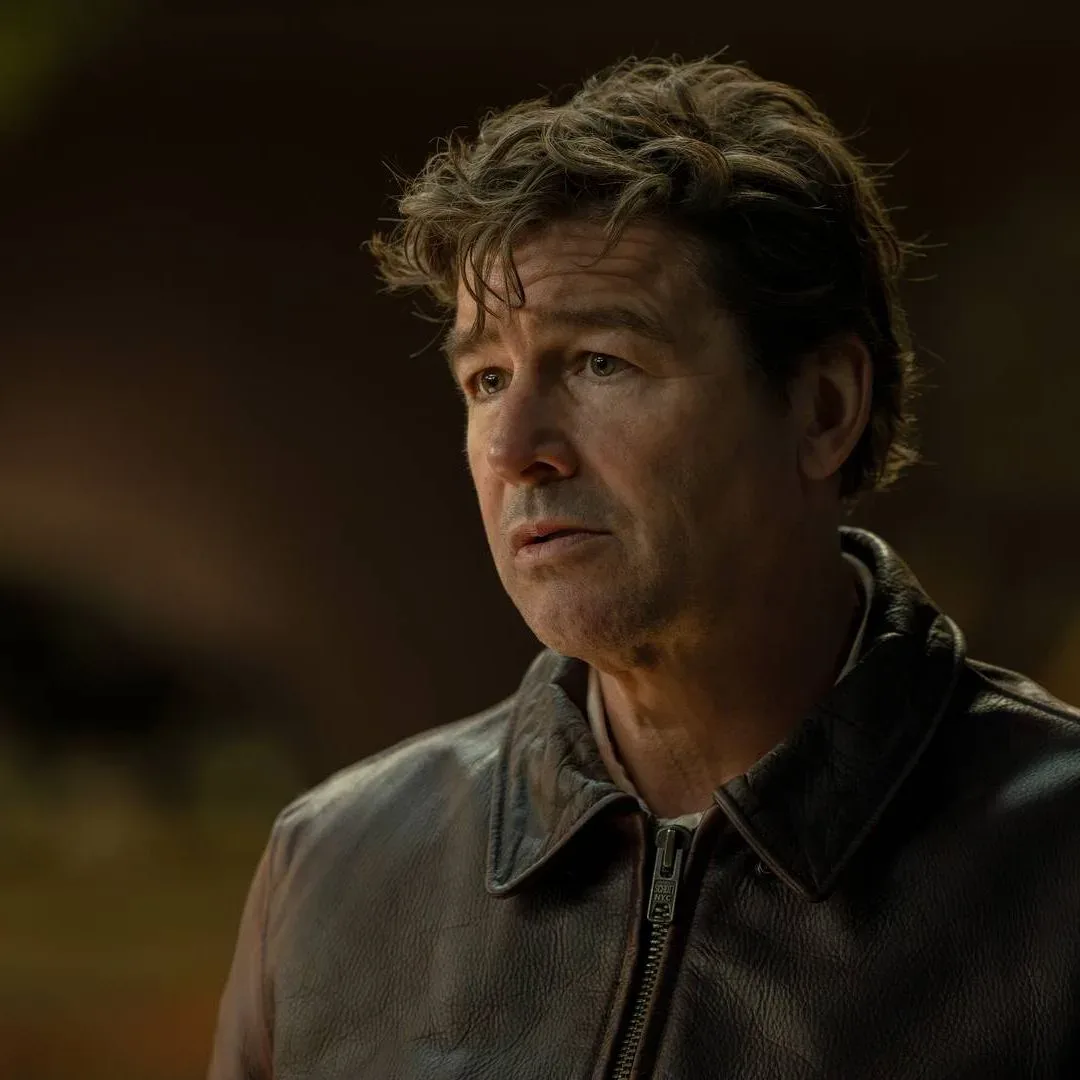
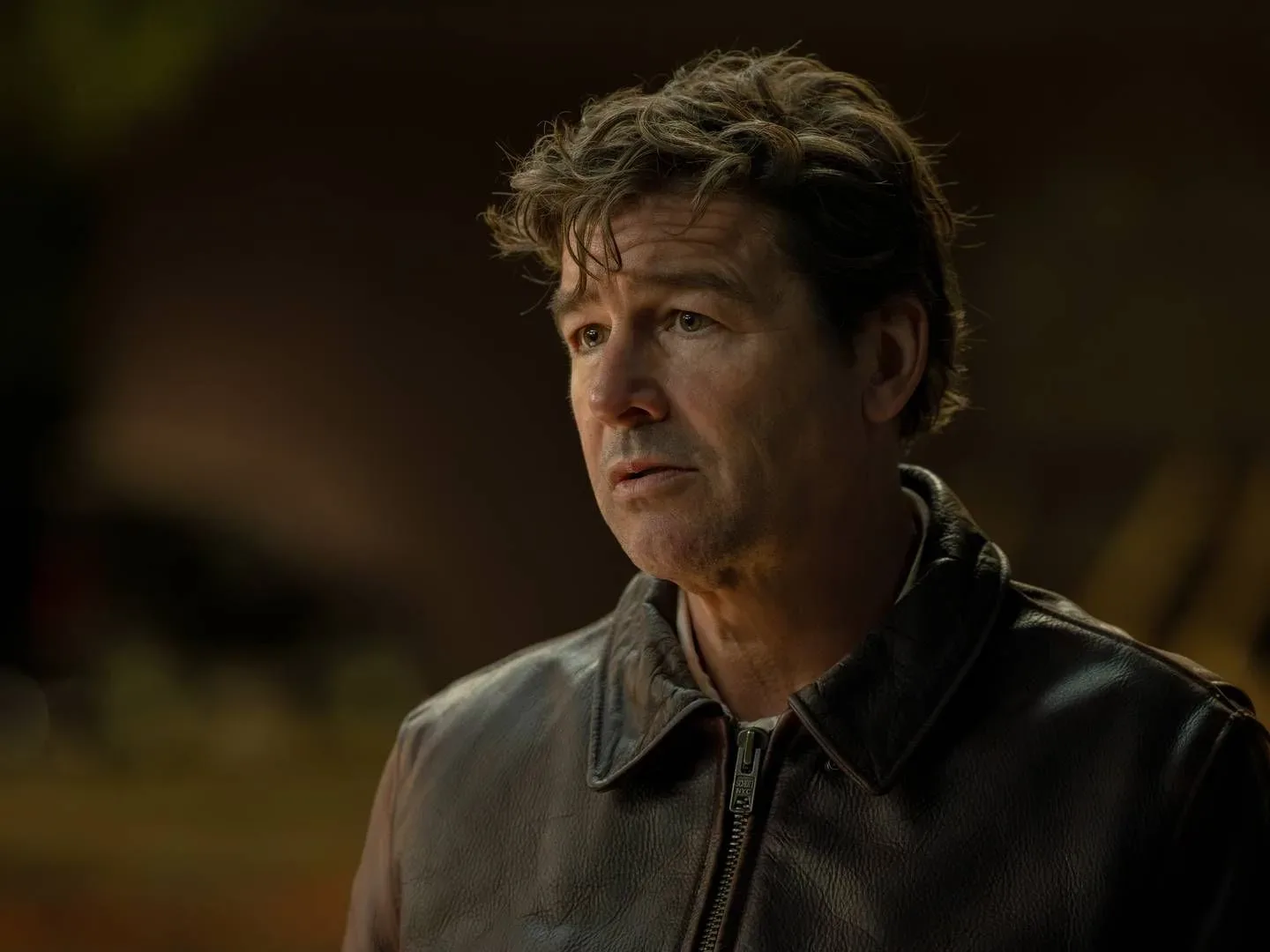
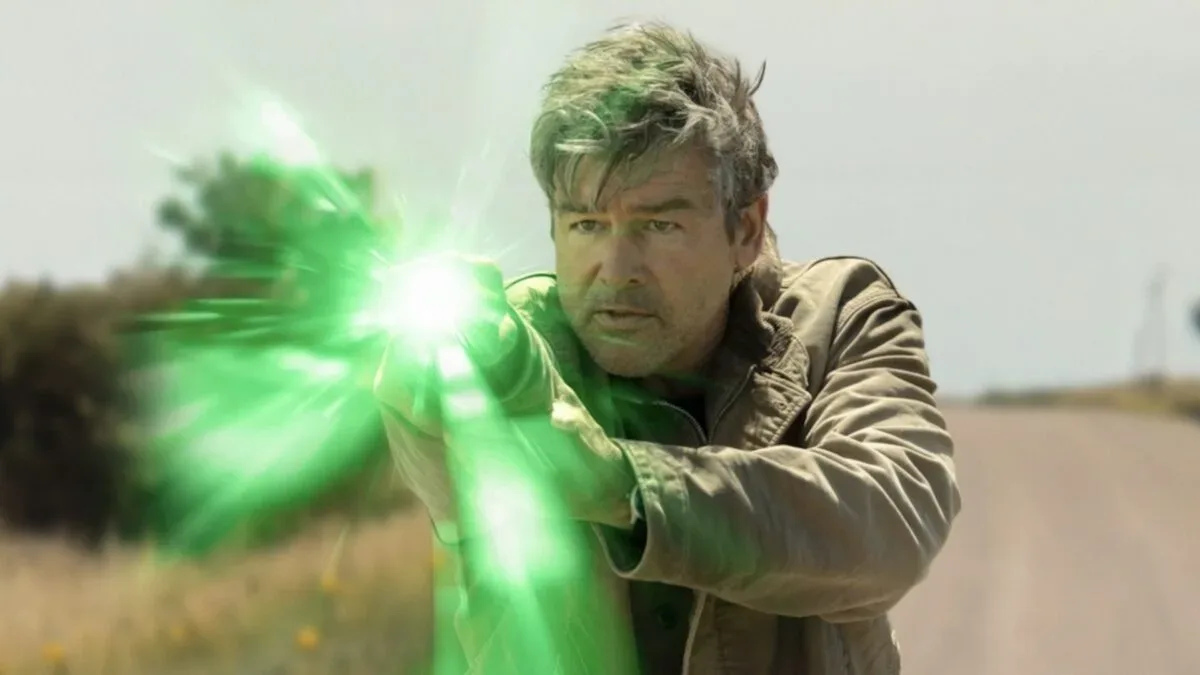
Lanterns has ended its first season by identifying Hal Jordan’s killer, confirming a long-suspected truth about Noah, and putting a fear-infused lantern made by Sinestro in John’s hands. But the question that hung over the season from its opening episode was more basic: could Hal, played by Kyle Chandler, somehow still be alive?
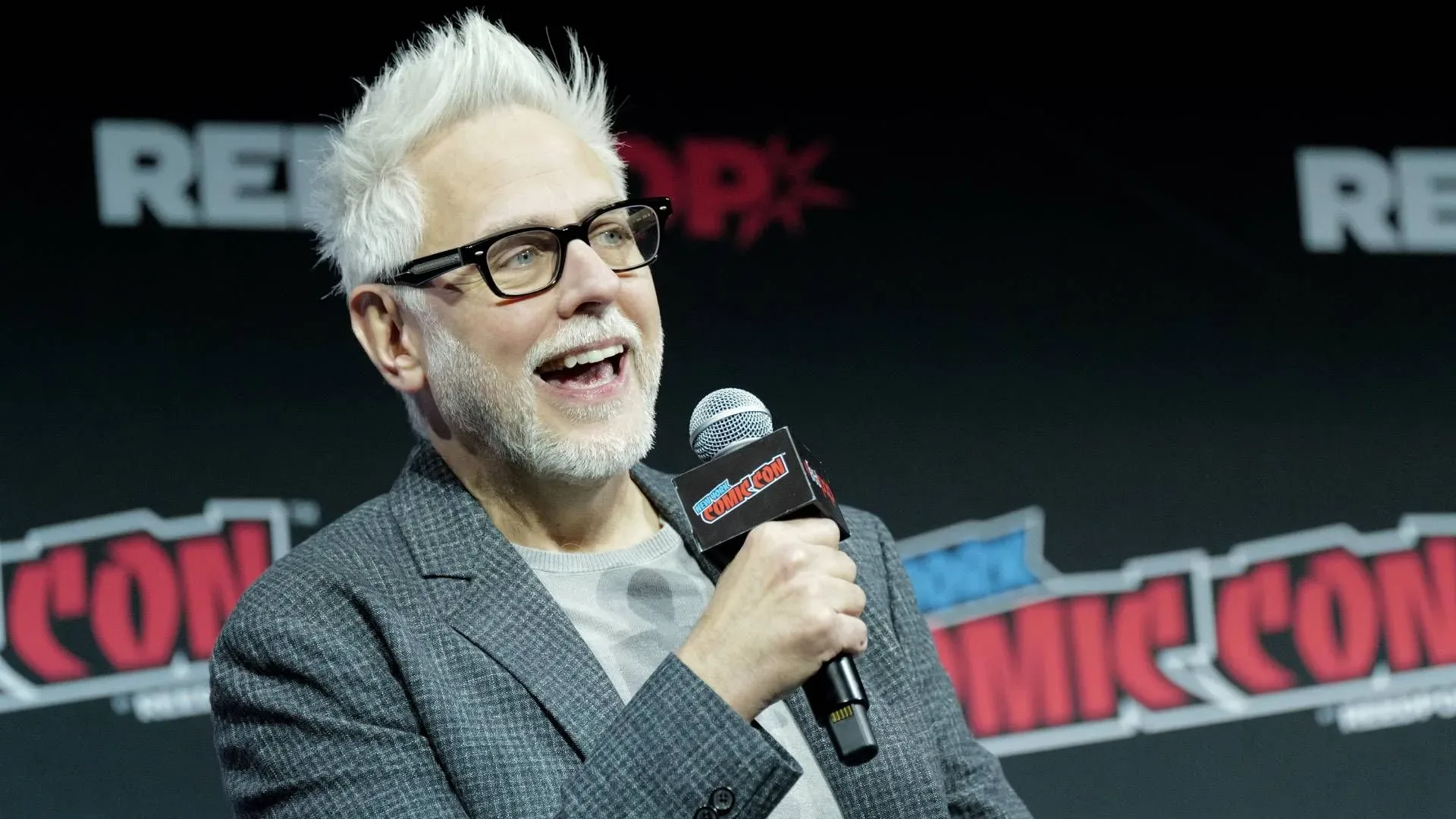
The creative team’s answer is emphatically no—at least as far as the intended ending of this season is concerned. Co-creator and writer Damon Lindelof has said the show never planned to reveal that Hal survived after presenting his murder in the pilot. Showrunner Chris Mundy likewise describes the finale as an emotional endpoint for John and Hal’s relationship.
That does not equal a formal, permanent declaration about every possible future DCU story. Both creators stopped short of ruling out any eventual reappearance in any form. The important distinction, however, is between leaving broad franchise possibilities open and treating the season’s central death as a twist to be immediately undone. Their comments place Lanterns firmly in the latter camp: Hal’s death is the story’s premise, not a misdirection waiting for a technicality.
Why Hal’s death had to remain real
Lindelof’s reasoning centers on audience trust. He described a reversal after a definitive pilot death as “schmuck-bait”—in other words, a storytelling move that asks viewers to invest in grief, only to reveal that the show was never asking them to take that grief seriously.
His examples point to familiar escape hatches in genre fiction: a clone, a near-death loophole, or another explanation that makes a supposedly final event less final. Those devices are not automatically bad storytelling. They can work when a story has prepared the audience for them, or when the point is to explore identity, replacement, memory, or transformation. The problem Lindelof identifies is more specific. If Lanterns presented Hal’s murder as the firm ground beneath the season, then overturning it at the finish line would change the terms of the mystery after viewers had already played along.
That matters especially because the season’s structure begins with the answer to one question—Hal is dead—and then turns to the question of responsibility: who killed him, and what does that killing do to the people left behind? A murder mystery relies on evidence and consequences. If the victim is abruptly restored without the story having earned it, the investigation risks becoming a detour rather than the engine of the plot.
The finale’s identity reveal therefore has more weight if Hal’s loss remains a fact rather than a temporary obstacle. It validates the season’s emotional stakes and makes the resolution about accountability, grief, and the impact on John, rather than about the audience trying to spot the mechanism behind a resurrection trick.
“Closed off emotionally” is not the same as “never again”
Mundy’s comments offer the clearest way to read the apparent ambiguity around Hal’s future. He says the finale is the end of the season and of John and Hal’s relationship, with the intent to close that relationship off emotionally. He also acknowledges that some viewers would like to see Hal continue, while declining to make an absolute never-ever statement.
Those two ideas can coexist. A series can complete one chapter without pretending that a shared-universe franchise has no tools for future stories. Flashbacks, archival material, memories, visions, alternate contexts, or other narrative devices are all conceptually different from declaring that a murder victim was secretly alive throughout the season. None of those possibilities has been confirmed for Lanterns, and the creators have not announced a second season. But leaving a theoretical door unlocked is not a promise that anyone will walk through it.
For viewers, the practical takeaway is simple: the season should be read as having delivered the ending it meant to deliver. Waiting for a last-minute reveal that Hal was “mostly dead,” a duplicate, or otherwise exempt from the events of episode 1 would mean expecting the specific reversal the show’s writers say they intentionally avoided.
That distinction is also useful in a DCU built to support multiple characters and projects. A character’s significance does not depend solely on whether they remain physically present in the next episode. Hal can remain central to John’s choices and the consequences of the first season precisely because the loss is not waved away. A future reference, appearance, or new angle—if one ever happens—would need to serve that established emotional reality rather than nullify it.
What the finale puts in motion instead
Hal’s murder was not the only major piece of the finale. The episode confirmed that Kerry’s son Noah is secretly a Manhunter, resolving a theory that had circulated around the season. It also leaves John in possession of a fear-infused lantern crafted by Sinestro.
Those developments give the series material to pursue without reopening the basic question of whether Hal survived. Noah’s concealed nature reframes his place in the story and links a family relationship to a larger threat. Meanwhile, the Sinestro-made lantern puts a tangible and potentially dangerous object in John’s orbit.
The phrase fear-infused is important because it identifies the lantern by its connection to fear, rather than presenting it as an ordinary piece of Green Lantern equipment. Beyond that description, the season’s ending establishes only that John now possesses it and that Sinestro crafted it. What the lantern can do, what it will cost to use, and whether it will become the center of a later storyline remain open questions on the information available.
Likewise, Noah being a Manhunter is a confirmation, not a full explanation of every implication. The reveal tells viewers that the suspicion was warranted, but it does not by itself settle Noah’s motivations, loyalties, or the ultimate scope of the threat. Those are the kinds of unresolved elements that can sustain future storytelling more cleanly than a sudden reversal of Hal’s death.
A finale built around consequences, not a loophole
There is a temptation in franchise television to interpret any death as provisional. That impulse is understandable: comic-book worlds have a long relationship with returns, revisions, versions of characters, and stories that recontextualize apparently final moments. Yet a shared universe also needs events that characters—and viewers—can believe in while they are happening.
Lanterns appears to have made that choice deliberately. The season did not save Hal for a surprise entrance after solving his murder. It used the murder as the foundation for the season, then ended by closing the personal arc between John and Hal on the terms it had established.
Lindelof’s final suggestion that “where there’s a will, there’s a way” preserves a sliver of abstract possibility, but it should not eclipse the much firmer point made by both creators. There was no planned finale rug-pull. Hal being alive and well was not the hidden answer.
For DCU viewers, it is another reminder to separate confirmed storytelling from speculation, particularly where casting and franchise rumors are concerned. Similar caution applies when interpreting any stray social-media signal as a finished decision; a repost, for example, is not automatically a casting confirmation.
Lanterns season 1 is streaming on HBO Max and on NOW in the UK. Its ending leaves John holding a Sinestro-crafted lantern, Noah exposed as a Manhunter, and Hal’s death intact. Those are substantial pieces for the story to live with—rather than erase.