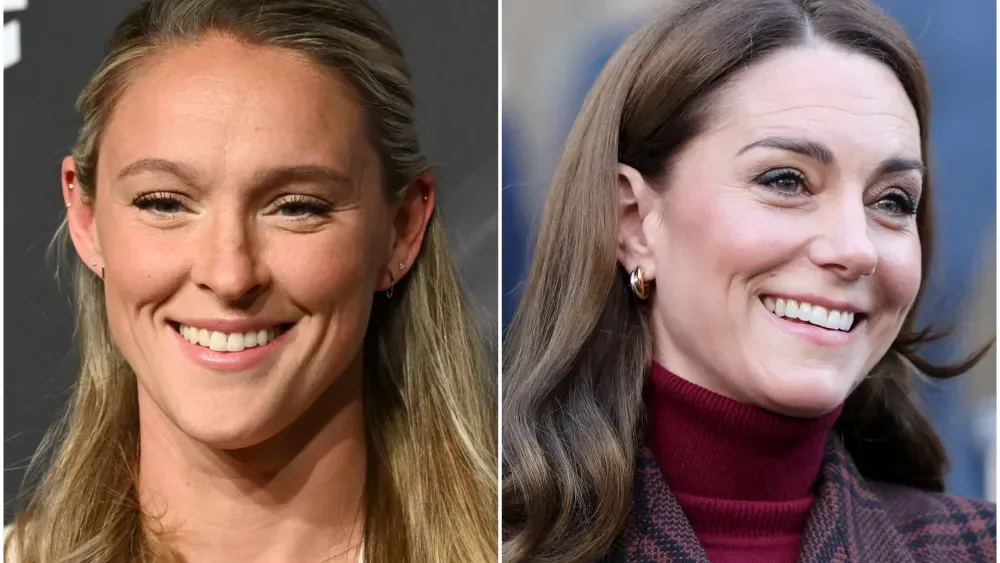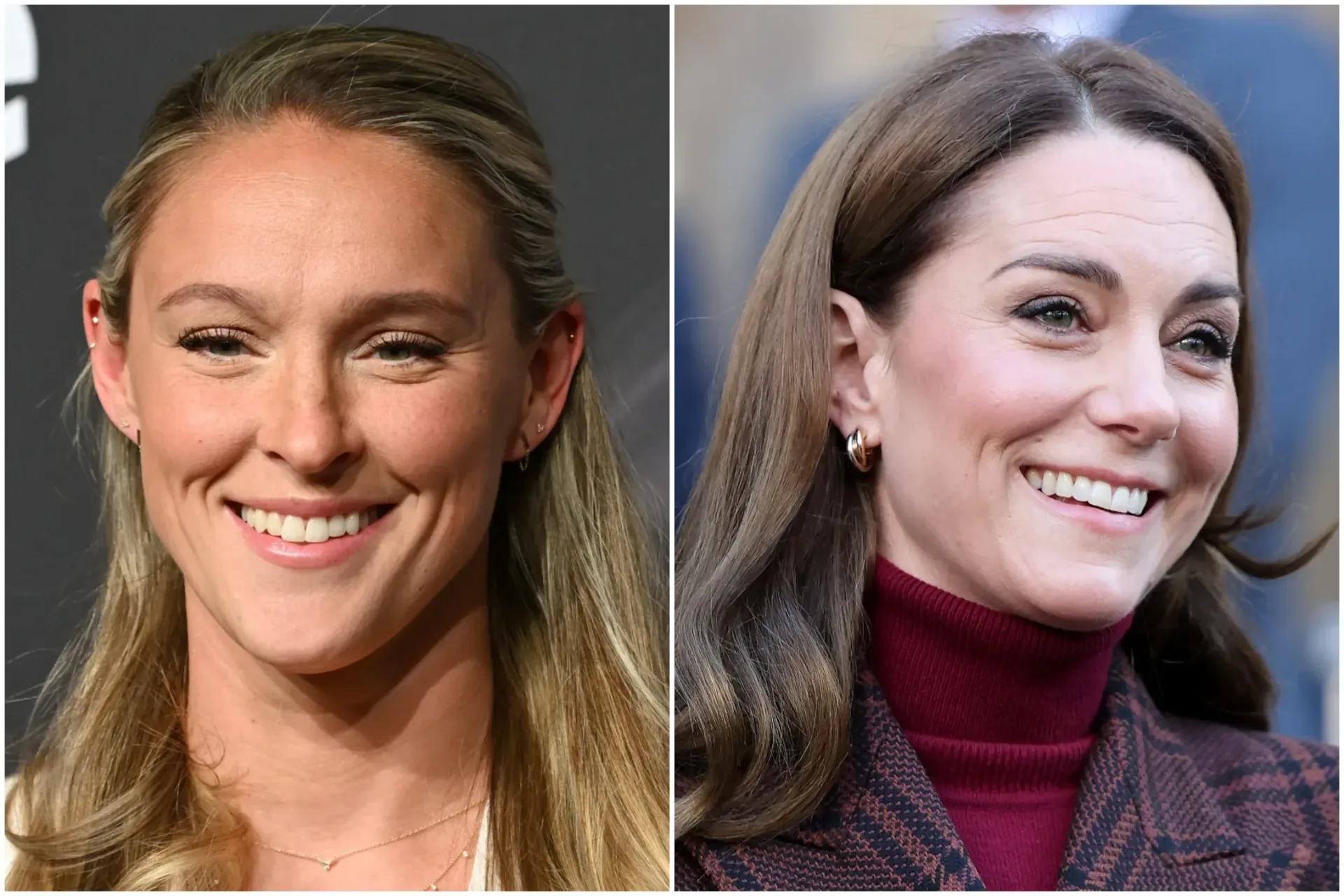
Kylie Kelce has made a public correction after realizing that the way she addressed Catherine, Princess of Wales, on Not Gonna Lie did not meet the standard of respect she wanted to show.
On the September 24 edition of the podcast, Kelce invited the royal to appear on the show but referred to her as “Princess Kate, Duchess of Cambridge.” In the October 1 episode, Kelce revisited the moment, apologized, and said she had learned that calling Catherine “Princess Kate” was offensive.
“I love learning, so I was unaware that calling Princess Catherine ‘Princess Kate’ was offensive,” Kelce said. “I didn’t know that. Now I know that. Now I will proceed accordingly.”
Kelce’s correction was direct rather than defensive. She said she wants to refer to people in the way that makes them feel respected, then addressed the royal as “Princess Catherine, or the Princess of Wales” in a specific apology.
It is a small terminology story, but it illustrates a bigger reality of public-facing conversations: a familiar nickname can spread widely enough that it feels official, even when it is not the person’s preferred or formal style. Kelce did not present the original wording as intentional disrespect. Her follow-up instead treated the moment as a chance to update the language she will use going forward.
What Kelce corrected
The two parts of the original introduction were distinct. “Princess Kate” is a popular informal label used by the public and media, while “Duchess of Cambridge” was the title associated with Catherine after her 2011 marriage to Prince William. The supplied official biography identifies her as Catherine Elizabeth Middleton and refers to her current role as the Princess of Wales.
That official biography also says that Catherine and William have three children: Prince George, Princess Charlotte and Prince Louis. Kensington Palace is listed as the family’s official residence. The description of Catherine’s work emphasizes royal duties in support of the King as well as charitable causes and organizations, including efforts focused on giving children the best possible start in life.
For Kelce, the practical takeaway was clear: use “Princess Catherine” or “the Princess of Wales,” rather than repeat the wording she used on September 24. Her response did not attempt to establish a broad rulebook for royal titles. It was a personal correction concerning one person and the way Kelce hopes to address her in future.
The invitation remains open
The apology did not end Kelce’s interest in having Catherine appear on the podcast. She renewed the invitation while acknowledging that such an appearance is unlikely.
Kelce pointed to several subjects she would be interested in discussing, including parenting, Catherine’s field hockey background and her cancer experience. The shared field hockey connection appears to be one reason Kelce sees a potentially worthwhile conversation, rather than treating the invitation purely as a celebrity booking.
“Do I think she has time to hop on this podcast? No, I do not,” Kelce said.
That note of realism matters. The invitation is still public, but Kelce did not suggest that a guest appearance had been arranged, discussed, or was likely to happen. At present, it is simply an open invitation from the host.
Why titles can become a public-facing issue
Titles are often compressed in casual speech. That is especially true when the person at the center of the conversation is globally recognizable, frequently discussed and known by a name used widely in headlines and social media. But familiarity is not the same as formality, and Kelce’s response recognized the difference.
In this case, the correction was not about a podcast changing its format or withdrawing a segment. It was about updating a form of address. Kelce stated that she had not known the nickname could be offensive, then said that knowledge changes how she will proceed. Her choice to address the matter in the next episode gave listeners a clear record of the change instead of quietly moving on.
That approach is also useful for audiences who may have repeated the same language without thinking much about it. The episode does not require listeners to be experts in the British royal family’s titles to understand the point: when a person’s respectful preferred title is known, it is reasonable to use it.
Not Gonna Lie’s growing profile
Not Gonna Lie launched in December 2024 and has built a sizable audience. Kelce is married to former Philadelphia Eagles player Jason Kelce, and the show is produced and distributed by Wave, the company that co-developed and launched New Heights, hosted by Jason and Travis Kelce.
That context helps explain why a brief correction can travel beyond the regular audience for one podcast. A successful interview and conversation show gives its host an ongoing public platform, where personal commentary, guest invitations and corrections can all become part of the wider entertainment conversation.
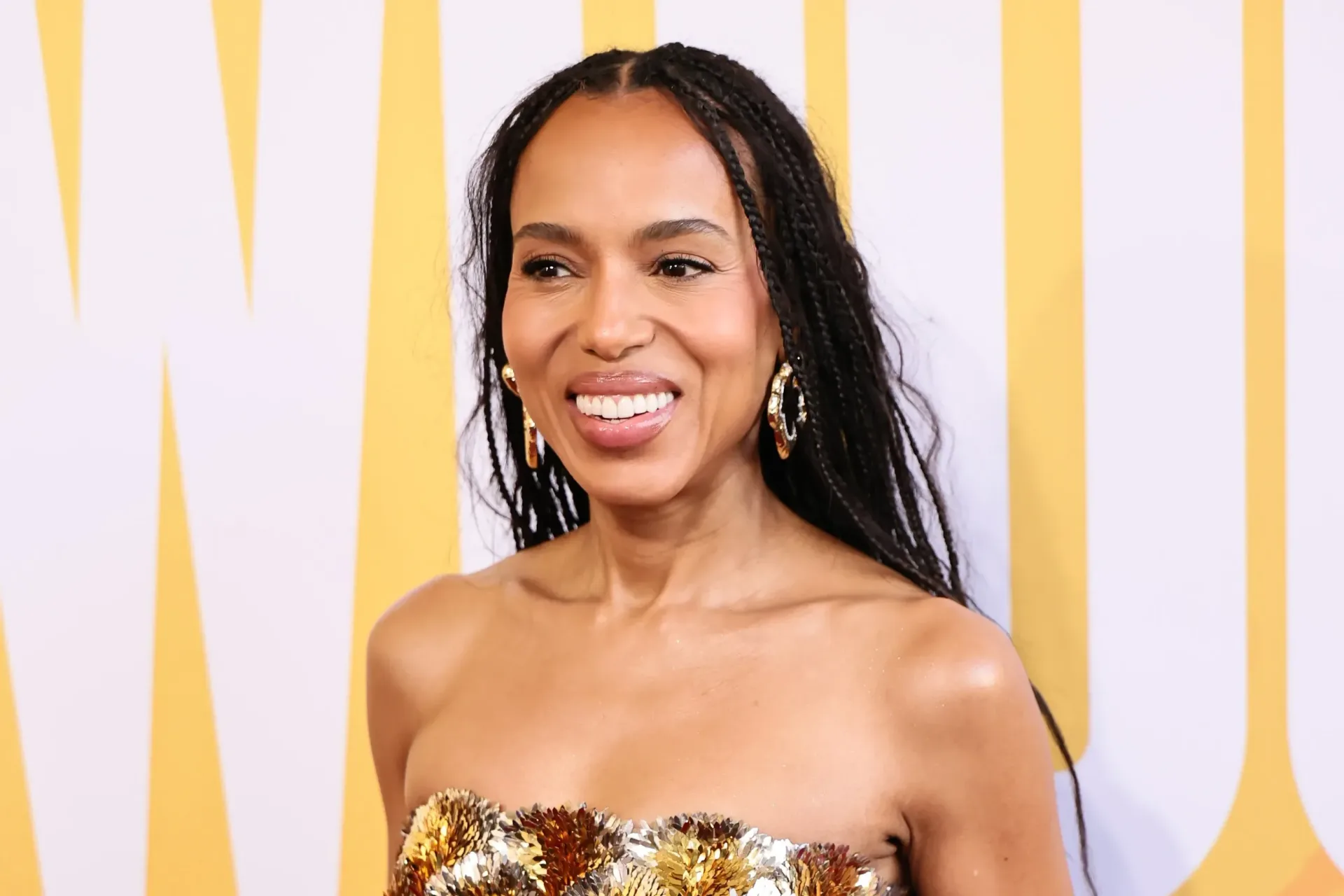
The October 1 installment also featured actor Kerry Washington, known for Scandal. Her appearance underscores the broad mix of guests and subjects that can share space on a modern celebrity-led podcast: a conversation with a television actor on the same episode as a concise clarification about royal etiquette.
Podcast audiences have increasingly become part of a larger entertainment programming mix alongside streaming libraries, event broadcasts and traditional interviews. For another look at how programming availability can shift across entertainment platforms, see Apple TV’s rotating bonus movie lineup update.
What is known, and what is not
The known facts are narrow. Kelce used “Princess Kate, Duchess of Cambridge” while inviting Catherine onto her September 24 show. On October 1, she apologized, said she had learned that “Princess Kate” was offensive, and said she would use “Princess Catherine” or “the Princess of Wales” from now on. She also renewed her invitation.
There is no indication that Catherine, Kensington Palace, or any representative responded to the invitation or Kelce’s apology. There is also no basis here to suggest that a podcast interview is under consideration. Kelce herself framed the prospect as unlikely because of the Princess of Wales’s commitments.
For now, the story is a straightforward on-air correction: Kelce learned that an informal and outdated formulation was not appropriate, apologized publicly, and made her intended wording clear. The invitation remains, but the correction is the actual news—and it is one Kelce handled in the same plainspoken tone that defines her podcast.