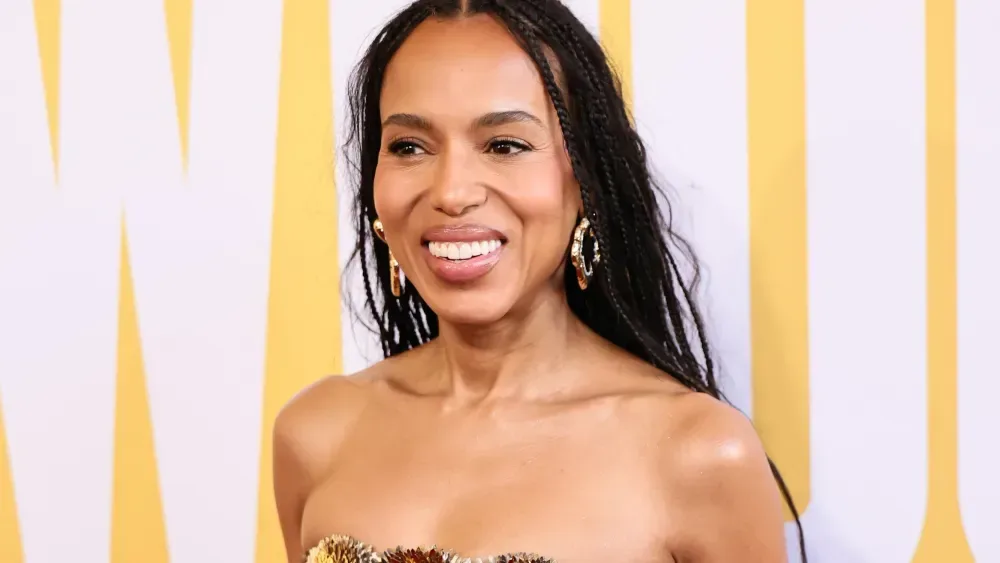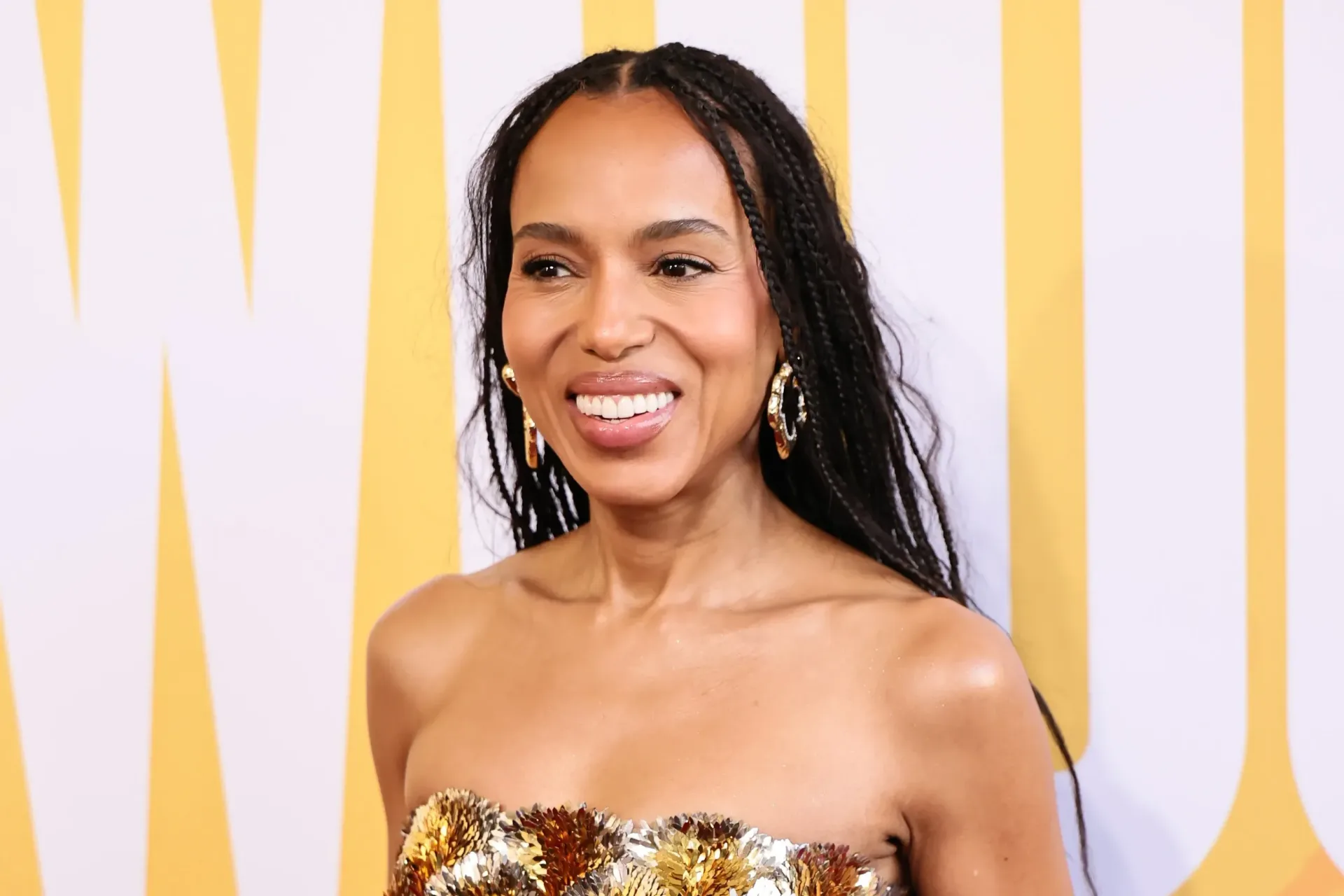
Kerry Washington is taking Street You Grew Up On from a limited-season digital interview series to an ongoing weekly podcast. Season 5 begins Wednesday, Sept. 30, and subsequent episodes are scheduled for every Wednesday.
The series, first launched in 2021, has previously unfolded across four discrete seasons. Its new form is a full-length audio-and-video podcast produced through a partnership between Washington’s Simpson Street production company and creator-services company Daylight. Audio episodes will be available across podcast platforms, while full video editions will be available through Apple Podcasts, Spotify and YouTube.
That combination matters because the premise is built for listening but can gain a different texture on camera. Washington’s central prompt is disarmingly direct: what street did a guest grow up on? The answer is intended to open a wider conversation about the people, locations and formative experiences that existed before public recognition. Rather than treating the question as celebrity trivia, the show frames it as an entry point into family, community, belonging and identity.
Season 5 brings a new weekly rhythm
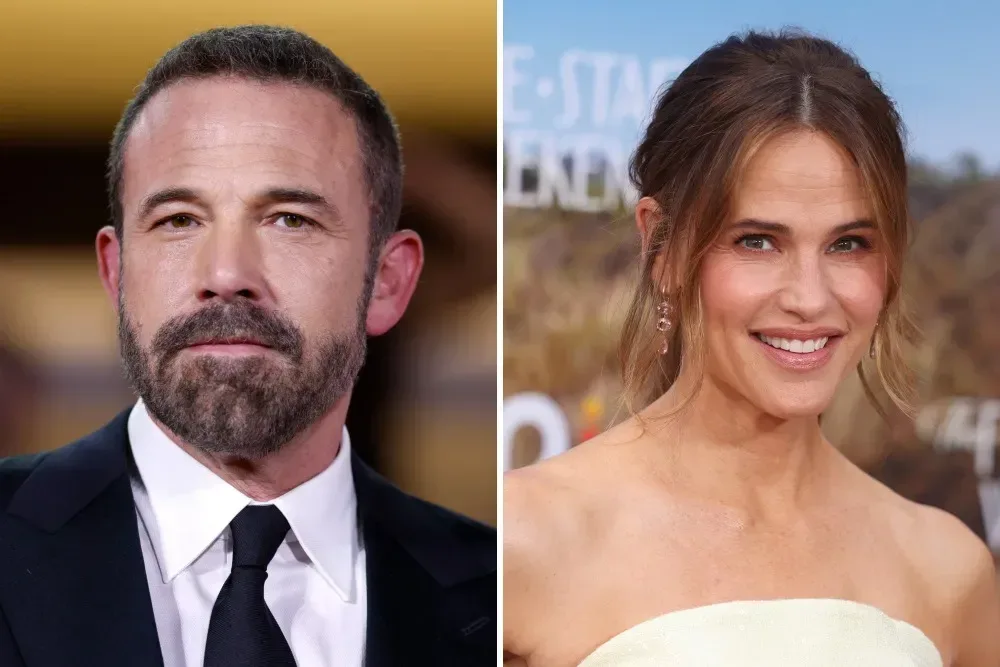
The announced Season 5 guest lineup includes Ben Affleck, Dwayne Johnson, Demi Lovato, Colin Kaepernick and Chelsea Handler. Those names point to a broad mix of entertainment, sport and public life, but the format’s throughline is not a shared profession. It is the attempt to connect a person’s present public identity with the environment and relationships that preceded it.
Earlier seasons have featured Michelle Obama, Jane Fonda, Queen Latifah, John Legend, Issa Rae and Jay Shetty. The guest history shows that Street You Grew Up On has already used its single-question framework with people whose careers and public images differ sharply. Moving to weekly episodes gives the series a more regular cadence without changing that foundation.
An ongoing weekly podcast means the program is no longer structured solely around occasional self-contained seasons. In practical terms, listeners will know when to expect the next installment, and the show has more room to let a guest’s answer develop rather than compressing it into a shorter digital format. That does not guarantee any one episode’s length or structure, but it establishes a consistent release schedule and positions the project as a continuing conversation.
The street is a prompt, not the whole story
The title can sound geographical, but the show’s stated interest is personal history. A street can evoke a neighborhood, a household, nearby institutions, familiar routines and the social world around a young person. It can also be a useful way to avoid beginning with a résumé. The conversation starts before the career milestones that usually dominate celebrity interviews.
Washington has described that focus as an exploration of origin stories and their continuing influence. Simpson Street itself is named for the street in the Bronx where her mother grew up, giving the production company and the interview series a shared personal idea: places are not merely backdrops to a life. They can be anchors for memory and for the relationships that help shape someone’s choices and sense of self.
“My company Simpson Street is named after the street in the Bronx that my mother grew up on. I have always been curious about how our origin stories impact who we become,” Washington said.
That perspective provides a useful distinction between biography and publicity. A conventional promotional interview often begins with the project currently being sold. Street You Grew Up On, by design, begins earlier. Its subject is not simply what guests have achieved, but the route through family, childhood and community that informed them.
There is still no reason to assume every guest will tell the same type of story. A street name alone cannot explain a whole person, and the program’s value is in what follows: the memories, relationships and experiences that emerge after the first answer. The expanded format is intended to make space for that follow-up rather than treating the initial prompt as a quick icebreaker.
Why the audio-and-video split fits the format
Podcasting here refers to the audio release distributed through podcast platforms. The video edition is the filmed version of the same conversation, rather than a separate series. Giving audiences both options acknowledges that an intimate interview can work in two ways: audio listeners can focus on voice and storytelling, while video viewers can follow the exchange visually.
The availability of full video on Apple Podcasts, Spotify and YouTube also puts the show in several established viewing environments instead of limiting it to a single destination. That wider distribution is especially practical for a weekly program, where convenience can influence whether people make an episode part of their routine. YouTube’s growing interest in long-form and episodic video sits alongside its other programming ambitions, including its exclusive Coachella streaming agreement through 2030.
For this series, video has a straightforward editorial purpose. Conversations about childhood and belonging can include pauses, expressions and reactions that an audio-only edition cannot show. At the same time, the audio release remains important: the material is inherently conversational, so it should be understandable without requiring a screen.
What Daylight and Simpson Street bring to the expansion
Simpson Street is Washington’s production company. Daylight is the creator-services partner on the podcast expansion, with services that include distribution, audience development, marketing, intellectual-property expansion and technology. In plain language, those areas cover the work of making a show available where audiences can find it, building awareness around it and supporting its growth beyond a single upload or launch window.
Daylight’s studio arm, QCode, has produced scripted podcasts. Street You Grew Up On is an interview series rather than a scripted podcast, but the association places its weekly launch within a company structure that works across podcast production and distribution. The supplied details do not identify additional creative changes, nor do they specify episode runtimes, so the most concrete shift remains the move to a continuing full-length audio-and-video format.
For Washington, the expansion also continues a project aligned with her roles as an actress, producer and director. She is widely known for playing Olivia Pope on ABC’s Scandal, but this show operates in a distinctly conversational mode. She serves as the person inviting guests to trace the paths behind their public profiles, using one recurring question to reach subjects that may otherwise remain outside a standard career-focused interview.
What audiences can expect on Sept. 30
Season 5 premieres Sept. 30, with new episodes each Wednesday. The confirmed guests are Affleck, Johnson, Lovato, Kaepernick and Handler, though no episode-by-episode release order is specified. Listeners can use their preferred podcast platform for audio, while viewers who want the full filmed conversation can find it on Apple Podcasts, Spotify or YouTube.
The clearest appeal is the show’s discipline. It has a repeatable opening question, yet the answer can lead in many directions. A childhood street can raise questions about parents, neighbors, local culture, aspiration, loss, safety, friendship or the early discovery of ambition. The show does not claim that a person can be reduced to an address; instead, it uses place as a route into the experiences that continue to matter long after a guest becomes known to the public.
With a weekly schedule, Street You Grew Up On now has the opportunity to build that premise into a sustained audio-and-video library. Its fourth-season history supplies a foundation, its new guest roster gives Season 5 an immediate starting point, and its distribution plan lets audiences choose whether to hear the stories, watch them unfold, or do both.