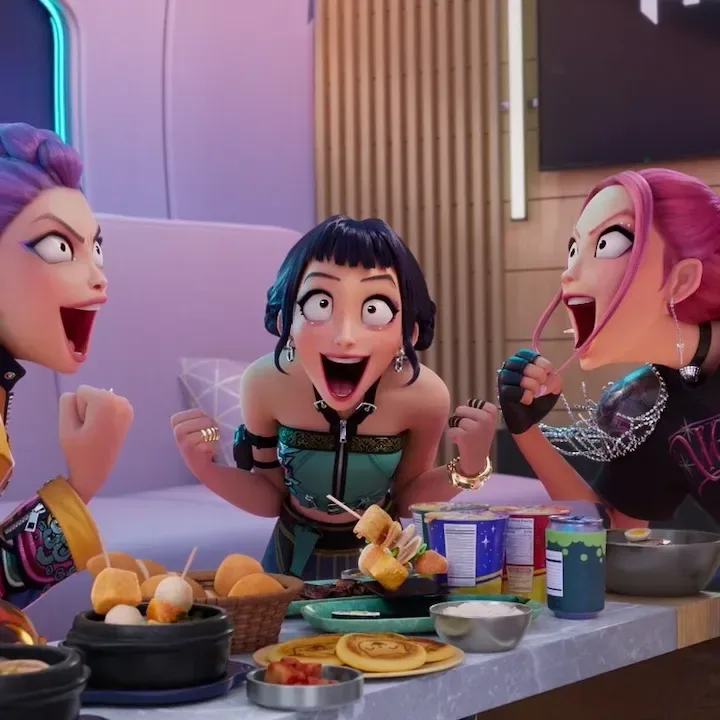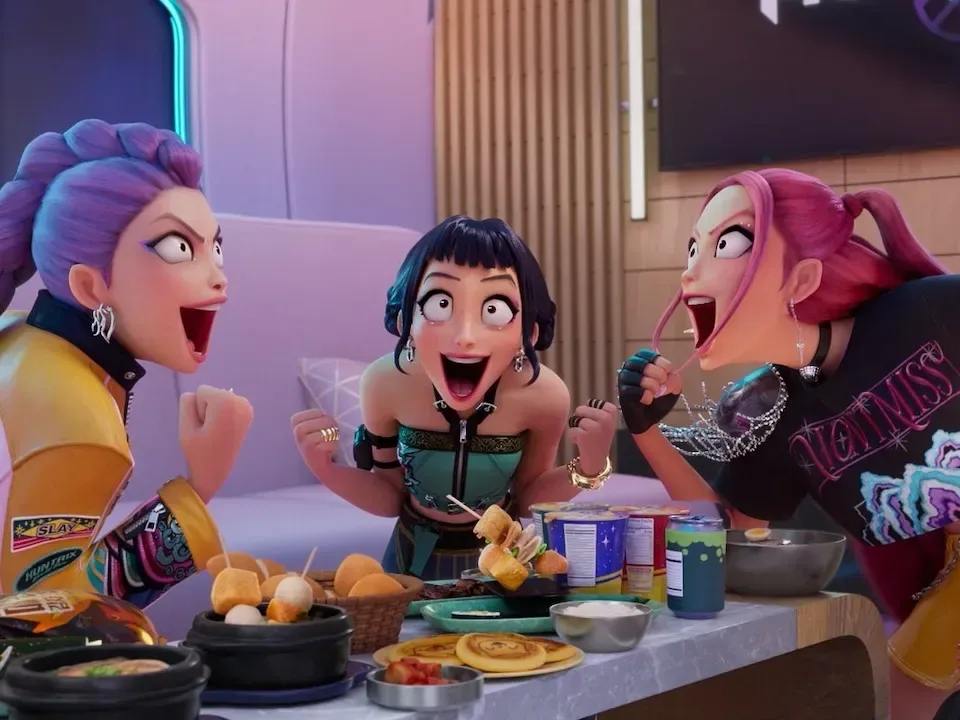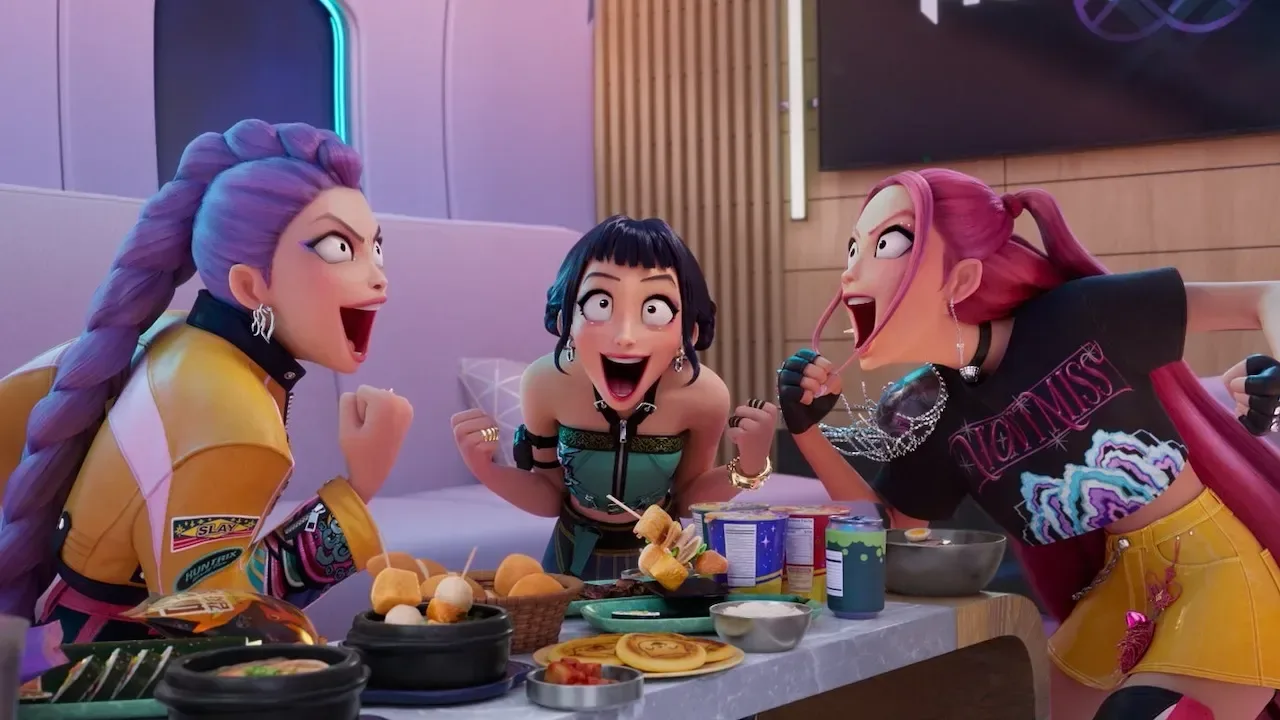
KPop Demon Hunters 2 is reportedly headed for a theatrical release, giving the animated sequel a cinema plan that the first film did not have at launch. The move has not been officially announced, so it should be treated as reported information rather than a confirmed release strategy from Netflix or Sony.
Even with that important caveat, the reported plan makes intuitive sense in light of what the first KPop Demon Hunters became: Netflix’s most-watched offering ever, ahead of both its live-action movies and television series. It also grew beyond an at-home streaming success into something audiences wanted to experience communally, through sing-along editions, limited theatrical showings, costumes, live performances and major brand collaborations.
For a sequel planned for 2029, a theatrical run would not merely be an extra stop on the way to streaming. It would be a recognition that Huntrix has become a franchise with a public-event dimension. That distinction matters for an animated musical fantasy whose songs, characters and visual identity have already traveled well outside the original film.
What is reported — and what is still unconfirmed
The reported theatrical release was attributed to the work of former Netflix film chief Dan Lin. The detail surfaced within reporting about Lin’s departure and was described as not yet officially announced. That leaves major practical questions unanswered: there is no confirmed release date beyond the previously reported 2029 target for the second animated film, no stated territory plan, no indication of how long any theatrical engagement might run, and no confirmed window between theaters and streaming.
Those missing details are not minor. “Theatrical release” can cover many different models, from a limited awards-oriented run to a wide commercial launch. Nothing currently establishes which approach KPop Demon Hunters 2 would take. It also does not establish whether the sequel would arrive in cinemas before it reaches Netflix, alongside a streaming debut, or through another arrangement.
What has been reported separately is that Netflix and Sony reached an agreement for a second animated movie, with 2029 identified as the intended release year. Reporting around that arrangement also pointed to broader ambitions: two sequels intended to create a trilogy, alongside possible live-action, stage, series and short-film projects. The latter projects have not been officially announced, so they remain potential extensions rather than a confirmed slate.
Why the first film changed the calculation
Streaming originals are often designed around convenience: viewers can watch immediately, pause freely and return whenever they want. The first KPop Demon Hunters clearly succeeded in that environment. But the scale of the reaction created a different opportunity. A limited theatrical screening is not just another playback option; it turns a popular title into a scheduled gathering with a big screen, a crowd and the possibility of audience participation.
That participatory quality was already visible in sing-along versions of the film. A sing-along presentation is exactly what it sounds like: a version built to encourage viewers to join in with the music rather than watch in silence. For a property tied to K-pop performance and fandom, that format is particularly suited to a theater, where the shared reaction is part of the appeal.
The film’s vocal performers — EJAE, Rei Ami and Audrey Nuna — also appeared in live performance settings, including the Oscars. Meanwhile, Halloween costumes and collaborations with McDonald’s, Fortnite and LEGO showed the property could meet fans in several different spaces. The reported 37,000-piece LEGO build featuring Derpy the tiger is an especially eye-catching example of how far the imagery has traveled from the original animated feature.
None of those activities guarantees box-office results for a sequel. A streaming audience and a ticket-buying audience are not automatically identical. Still, the original’s trajectory supplies a stronger case for theaters than a conventional streaming-only success would. It showed demand not only to watch the story, but to participate in its culture.
A different conversation about Netflix film releases
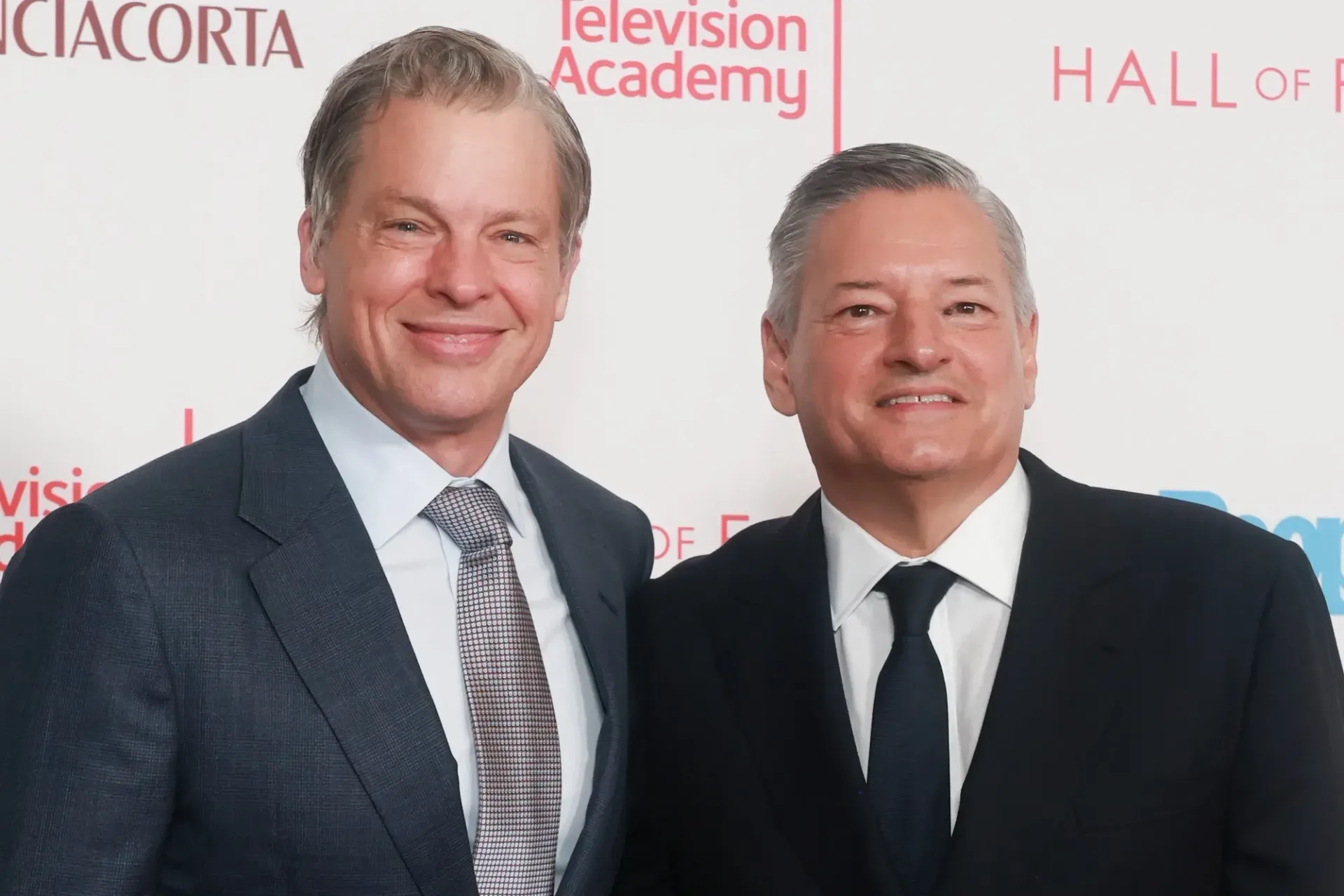
The report also places the sequel within a larger disagreement about distribution. Lin was described as a major supporter of theatrical releases for Netflix films, while co-CEO Ted Sarandos was associated with the company’s pandemic-era emphasis on direct-to-streaming launches. The apparent push for KPop Demon Hunters 2 suggests that, at least for a proven phenomenon, a cinema strategy was seen as worth pursuing.
This should not be read as proof of a company-wide change. One reported theatrical plan for one sequel does not confirm a new default for Netflix movies. But it does illustrate the pressure a breakout franchise can put on a standard release model. When audiences have already embraced a title through streaming and then respond to limited screenings, the argument for treating its follow-up as an event becomes considerably easier to make.
Netflix’s evolving content leadership and its reported softness in U.S. viewing make the wider strategic backdrop worth watching. Recent changes around Netflix’s content leadership underline why major hits and the ways they are released remain central to the company’s entertainment strategy.
Huntrix has room to grow, but the sequel’s story is not known
Co-director Maggie Kang has indicated that the original movie deliberately left room for more. She has said the team established potential backstory and left questions and areas unexplored because the film had only 85 minutes to tell its story. The existing premise follows Huntrix in its effort to protect the Honmoon, but no plot for the second film has been confirmed in the information available.
That is a useful distinction amid the excitement over a larger franchise. A theatrical release, if confirmed, tells audiences something about how the sequel may be presented. It does not tell them which unanswered questions will receive attention, whether the proposed trilogy plan will proceed exactly as reported, or how the creative team will approach the next chapter.
It also means fans should be cautious about treating every rumored expansion as a locked-in production. A live-action adaptation, stage play, spinoff series and short film were all discussed in reporting about possible future directions, but none of those projects has been officially confirmed. The second animated film is the clearest reported next step, with its 2029 target; the alleged theatrical rollout is now the major new detail attached to it.
What a cinema release could mean for fans
If the theatrical plan is formally confirmed, the immediate upside is straightforward: audiences who turned the original into a sing-along and cosplay favorite may get a chance to make the sequel a shared cinema event from the start rather than after streaming momentum has already built.
- For music fans: a theater could provide a natural setting for an event-style presentation, especially if the sequel continues the first film’s musical focus.
- For collectors and collaborators: the existing range of deals shows that the franchise has substantial merchandising appeal, though no sequel-specific products have been announced.
- For streaming viewers: the report does not say that Netflix access will disappear or be delayed; it only points to a theatrical component.
- For franchise watchers: an official announcement should clarify the release date, distribution scope and whether the cinema plan applies broadly or selectively.
For now, the headline is promising but deliberately narrow. KPop Demon Hunters 2 reportedly has a theatrical release in its future, with a 2029 release target previously reported for the second animated film. Until the companies make it official, the most reliable conclusion is that the original’s unprecedented streaming success and demonstrated appetite for theatrical screenings have made the sequel a very plausible candidate for a larger launch.