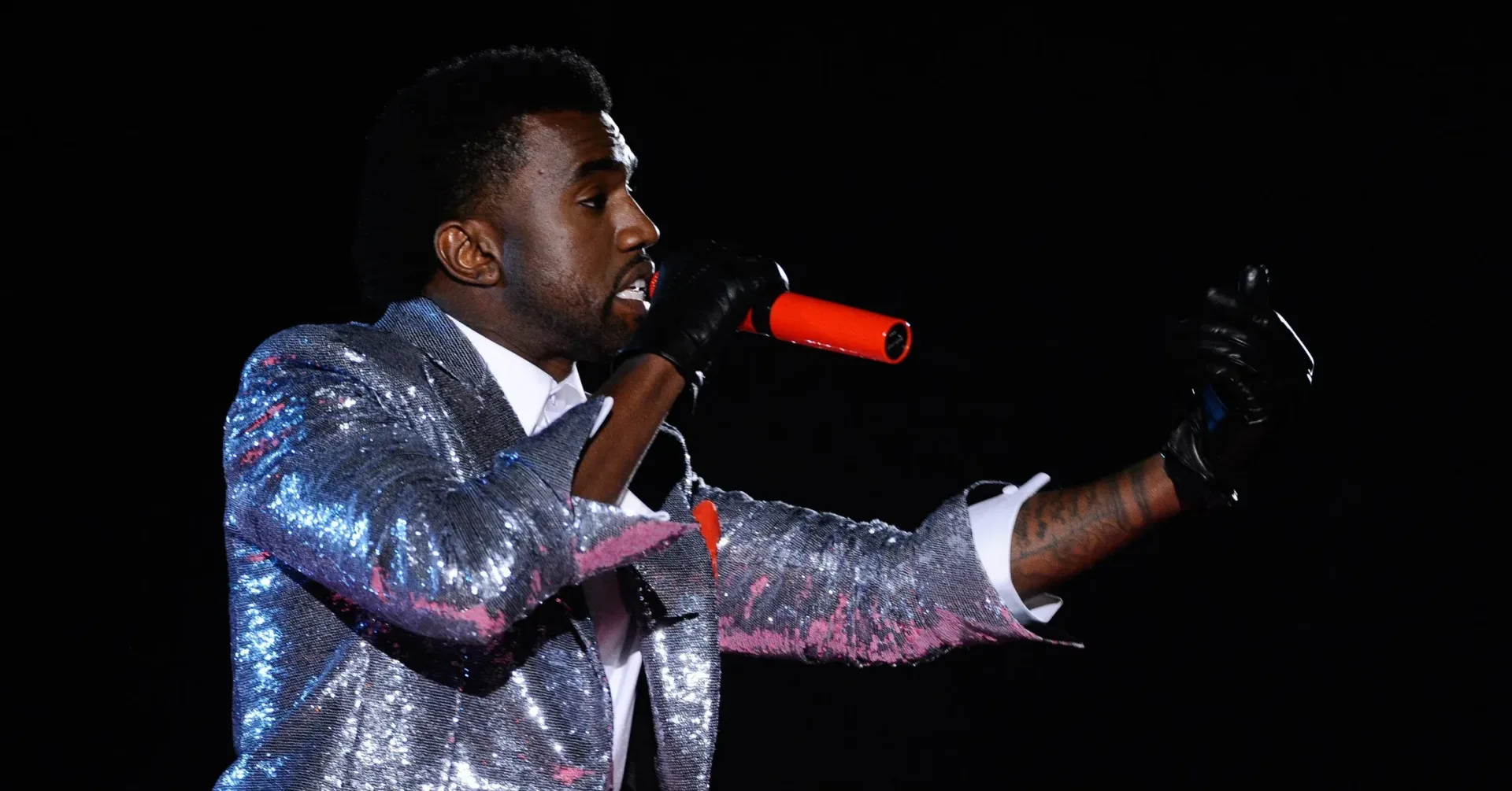
Kanye West, also known as Ye, was presented with a Global Icon Award during his Houston stop, with Texas State Representative Ron Reynolds saying the recognition was accompanied by a flag flown over the Texas State Capitol in Austin. The moment arrived alongside a reported attendance figure of 80,210 for West’s Reliant Stadium concert, a number described as the largest crowd for a hip-hop show in the United States.
Reynolds publicly framed the flag as an honor for the Chicago-born artist’s Houston appearance. “This flag was flown over our Capitol in Austin for none other than Kanye West,” Reynolds said. “We’re so honored to have him in H-Town where we’re showing him mad love and respect.”
The award presentation and the reported crowd size make the Houston date a notable point in West’s wider global tour. They also underline the complicated disconnect that has followed the artist in recent years: West remains capable of commanding enormous live audiences and receiving high-profile civic recognition, even as his antisemitic comments have severely damaged his public legacy.
What the Houston recognition represents
A Global Icon Award is, by its plain meaning, recognition of cultural reach rather than a measurement of one performance. In this case, the public ceremony paired an award with a Capitol flag tribute, giving the Houston stop an official dimension beyond the concert itself.
That distinction matters. A stadium show demonstrates ticket-buying demand and the power of a performer’s catalog, stage identity, and event status. An honor from a state representative is a separate act of recognition by an elected official. Neither automatically settles broader arguments over an artist’s public conduct, nor does one change the meaning of the other.
West’s music and celebrity have long operated at a scale where cultural reception can be fragmented. Fans can show up for a stadium performance, public figures can offer honors, and critics can continue to object to his conduct at the same time. The Houston event is a clear example of those parallel realities rather than proof that the controversy surrounding West has disappeared.
It is also important not to blur the attribution here. The account identifies Reynolds as presenting the award and making the Capitol-flag statement. It reports the Houston attendance at 80,210 and characterizes that total as a U.S. hip-hop-show record. Those details describe the event as reported; the supplied information does not provide ticketing documentation, venue capacity material, or a broader record-comparison methodology.
The reported attendance figure and why records need context
The stated 80,210 attendance is central to the Houston story. If the figure and record characterization are accurate, it would surpass the benchmark West himself was said to have established earlier in the year through two SoFi Stadium performances that sold 74,000 tickets each night.
But terms such as attendance, tickets sold, and record crowd are related without being interchangeable. Attendance generally refers to people present at a particular event. Tickets sold refers to purchases or distributed admissions, which may not precisely equal the final number of people who entered. A record claim additionally requires a defined comparison pool: for example, whether it counts solo headlining performances only, every hip-hop bill, all U.S. venues, or specific stadium configurations.
The available information gives a specific total for Houston and a ticket-sales figure for each of the two SoFi dates, but it does not explain how the record was independently calculated. That does not diminish the scale of an 80,210-person concert. It does mean the most careful reading is that Houston was reported as setting the U.S. hip-hop attendance mark, rather than treating a broad industry record as fully documented by the details available here.
There is a practical reason this precision is useful. Stadium events can change layouts between dates, and different reports may use different measurements. A claim can be meaningful while still needing a consistent definition before it is compared across artists, buildings, and eras. West’s Houston figure is enormous on its own terms; the record label deserves the same care as the number.
Drake and Travis Scott were notable attendees
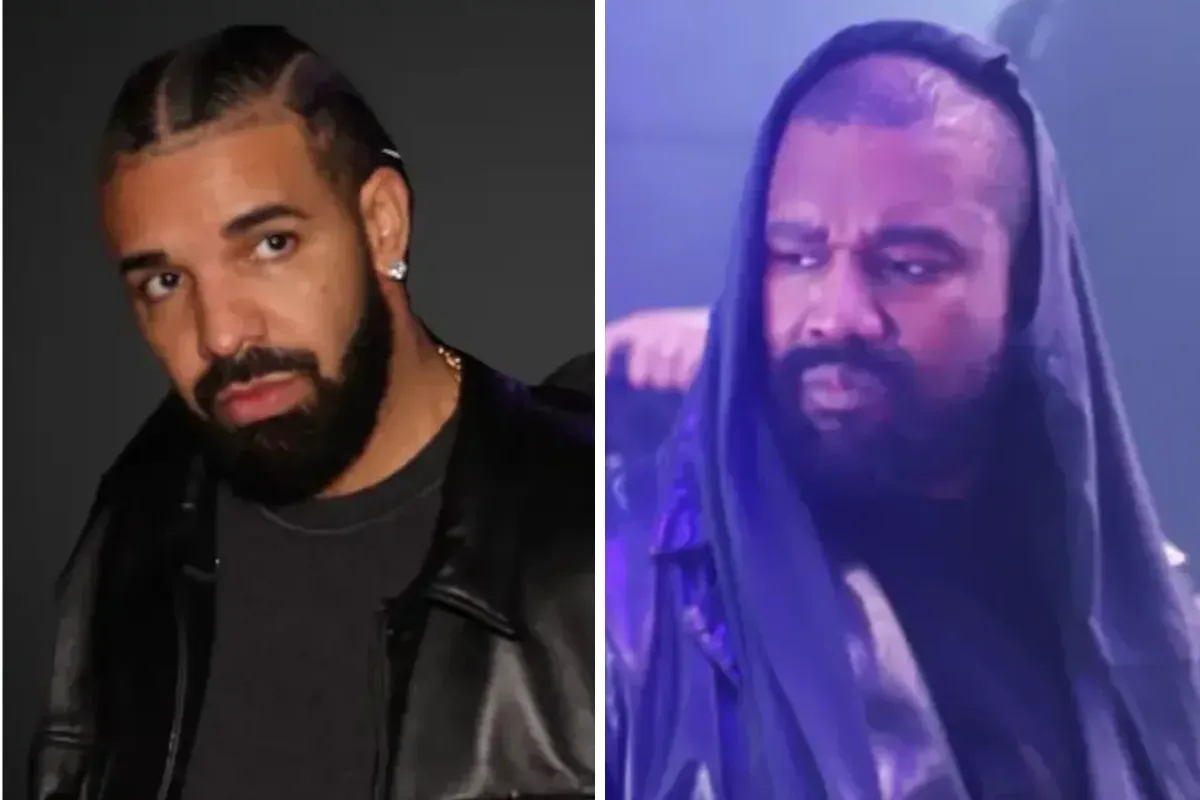
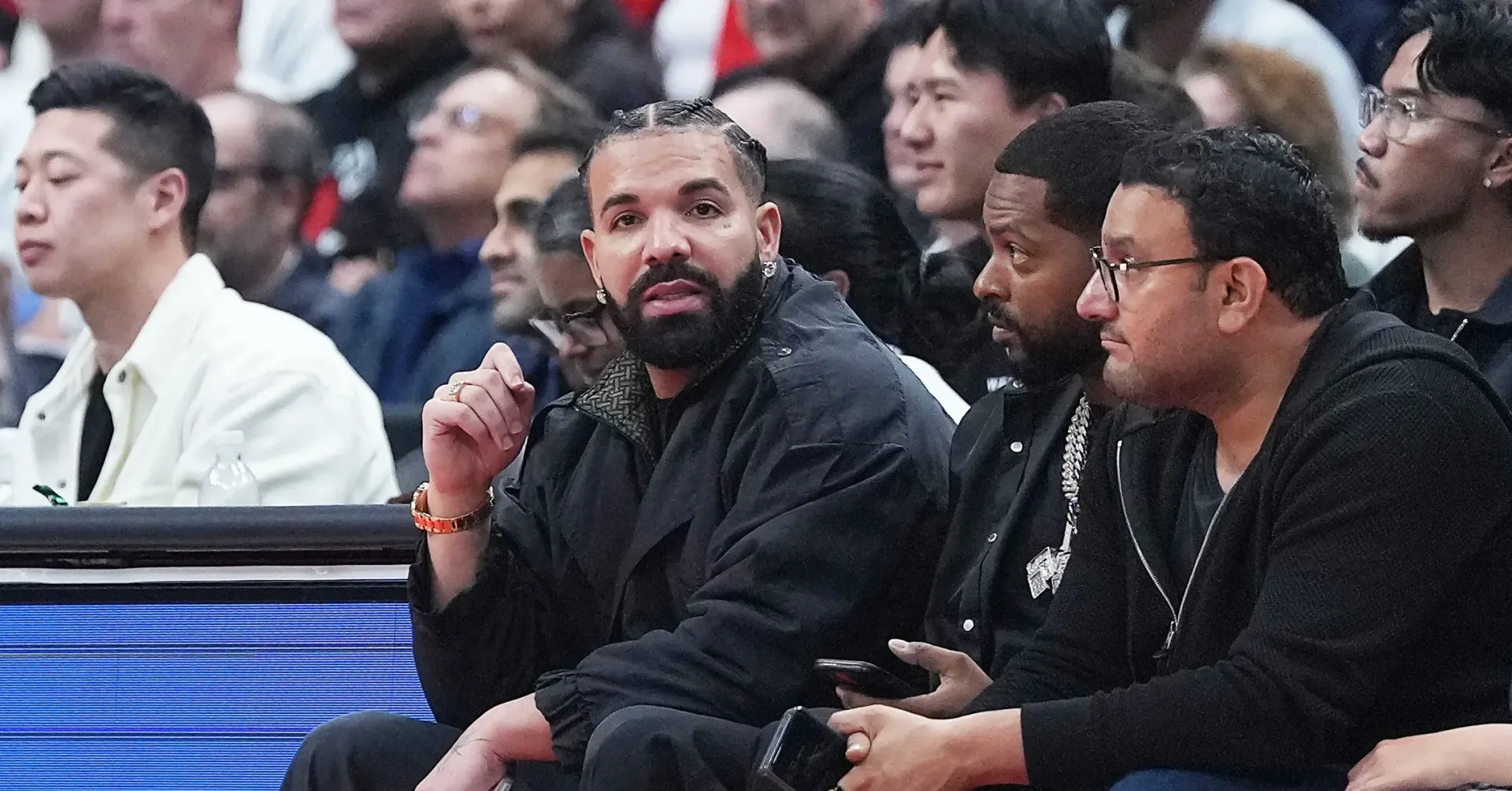
The audience also included Drake and Travis Scott, adding another layer of attention to the Houston performance. West gave Drake a shout-out from the stage. Their presence at the same event inevitably invites interest because Drake and West have had a public feud in the past and have maintained what was described as an unusual relationship since.
Still, an onstage acknowledgment and a shared audience appearance are not evidence of a music collaboration. There is no confirmed joint release, recording session, or project in the information provided. It is reasonable to read the shout-out as a visible cordial gesture; it is not reasonable to present it as confirmation that new music is underway.
That line is especially worth drawing in music coverage, where a brief public interaction can quickly be stretched into a release rumor. For now, the source-supported facts are narrower: Drake was spotted at the show, West acknowledged him onstage, and Travis Scott was also in attendance. Whether those moments lead anywhere creatively remains unknown.
The appearance of major figures around a stadium concert can nevertheless amplify its cultural footprint. It changes the event from a tour date into a high-visibility gathering, particularly when it involves artists with established histories. The Houston show had that kind of attention without requiring speculation to make it notable.
Success on tour does not erase the controversy
West’s recent public story cannot be separated from the antisemitic comments referenced in the report. Those comments have stained his legacy and remain a serious part of any honest discussion of his standing. A large crowd, an award, and a ceremonial flag honor may demonstrate that he retains substantial recognition and audience demand. They do not undo the harm associated with those statements or require audiences to view the legacy question as resolved.
That is the tension at the center of the Houston news. The concert’s scale shows West’s enduring capacity to draw attention at the highest level of live music. The Texas recognition signals that at least one public official chose to celebrate that status. Yet the scrutiny around West remains part of the same picture, not an inconvenient footnote that disappears when attendance numbers rise.
For observers, the useful takeaway is not that one side of the story has defeated the other. It is that celebrity influence can persist through intense backlash, and that public honors can produce further debate precisely because they are visible expressions of approval. Houston did not simplify West’s place in culture; it put the contradictions on a stadium-sized stage.
Why this matters beyond one tour date
West’s Houston appearance joins a continuing pattern in which live performance becomes a measure of relevance. Streaming totals, public disputes, online reaction, and commercial projects all shape an artist’s profile, but a stadium crowd remains an unusually concrete signal of demand. Tens of thousands of people gathering in one venue is an event that local officials, fellow artists, fans, and critics cannot easily ignore.
That does not make attendance a universal scorecard for cultural worth. It does explain why the 80,210 figure has become the headline attached to this particular performance. The award ceremony, Capitol flag statement, reported record, and high-profile attendees all turned the Houston stop into something bigger than a standard night on the road.
It also fits into a broader entertainment landscape where music news increasingly overlaps with other forms of pop-culture coverage, from live events to physical releases and celebrity collaborations. For another example of how artist news can span music and formats, see coverage of Olivia Rodrigo’s announced Christmas song and physical formats.
For West, the immediate, supportable picture is straightforward: he received the Global Icon Award from Representative Reynolds while in Houston; Reynolds said a Texas Capitol flag was flown in his honor; the Reliant Stadium concert was reported at 80,210 attendees; and Drake and Travis Scott were among the notable people present. The surrounding questions—how the attendance record is formally defined, whether Drake and West will work together, and how West’s legacy will ultimately be judged—remain open.