A reported Justin Timberlake docuseries may place two of the most enduring chapters of his public life back in the spotlight: the 2004 Super Bowl halftime-show controversy involving Janet Jackson and renewed scrutiny surrounding his past relationship with Britney Spears. The proposed project is said to be a four-part series for Apple TV, directed by Fisher Stevens, with a December release reportedly being considered.
Important caveat: the series has not been formally announced. Its title and exact premiere date have not been disclosed, and representatives for Timberlake, Jackson and Apple did not confirm the report. That also leaves a major practical question unanswered: whether Jackson’s expected involvement would consist of a newly recorded interview, archival material, or something else entirely.
Those distinctions matter. A documentary about a public figure is not automatically a fully authorized account, and a person being featured does not necessarily mean they have sat down for a new on-camera conversation. Until Apple or the people involved provide details, the responsible framing is that this is a reported project rather than a confirmed release slate entry.
What is reportedly planned
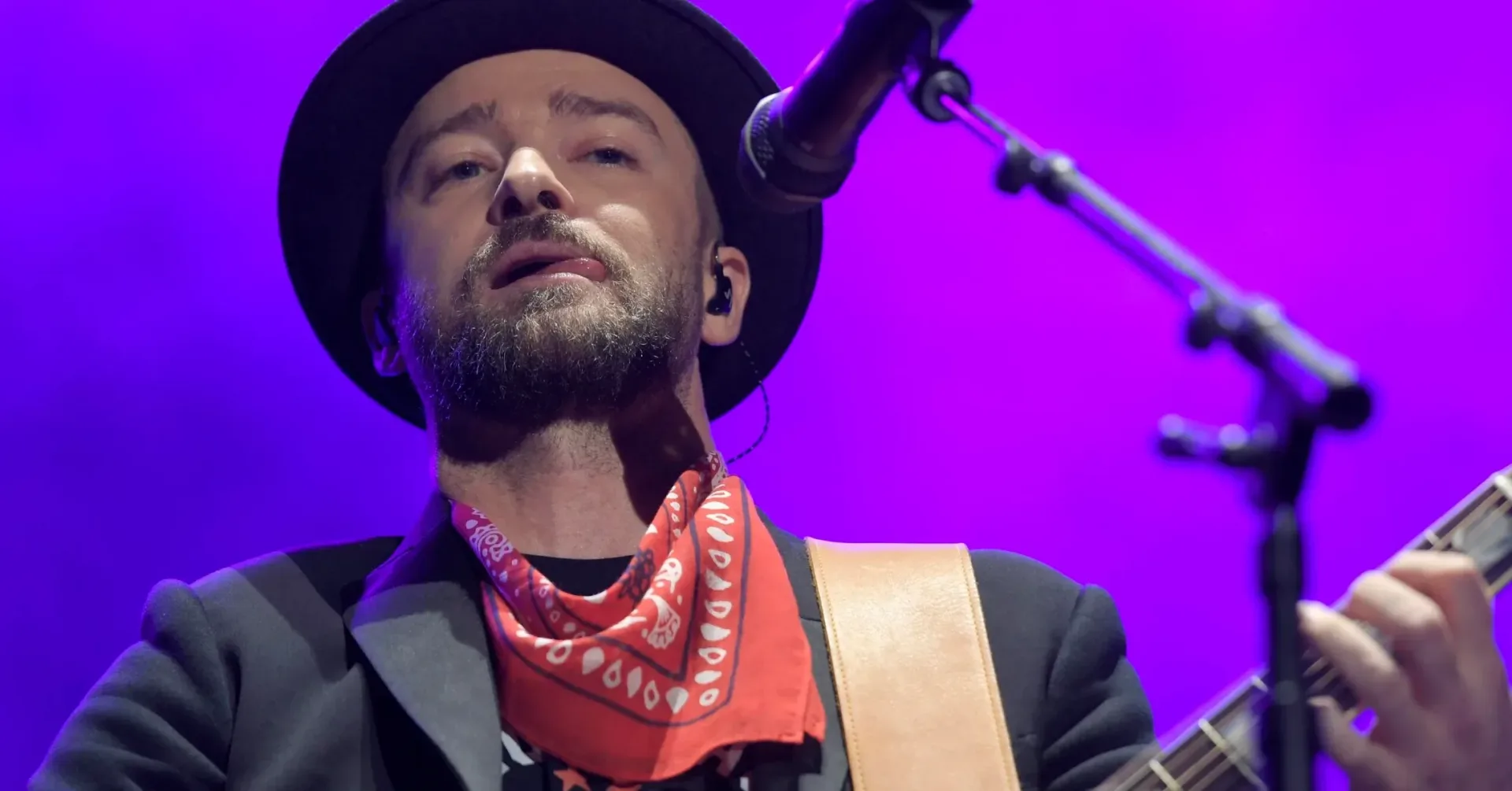
The available information points to a four-part Apple TV docuseries directed by Stevens. Jackson is reportedly expected to discuss the Super Bowl performance, while Timberlake is said to address some recent comments from Spears. No episode breakdown, production scope or list of interview subjects has been made public.
That limited outline nevertheless signals an unusually broad assignment for a music documentary. It would not simply trace Timberlake’s professional career; it could also examine cultural flashpoints that have followed the singer for more than two decades. The challenge for any series built around events so heavily discussed in public is separating a retrospective account from a simple replay of familiar headlines.
A documentary series can offer space for context that a single feature may not have. Four parts could, in theory, distinguish the halftime-show incident from the later conversation around Spears, identify what is known and what remains disputed, and allow people connected to the events to explain their perspectives. But the reported format alone does not guarantee that approach. Viewers will need to wait for more information about the series’ participants and editorial focus.
The 2004 halftime-show controversy remains central
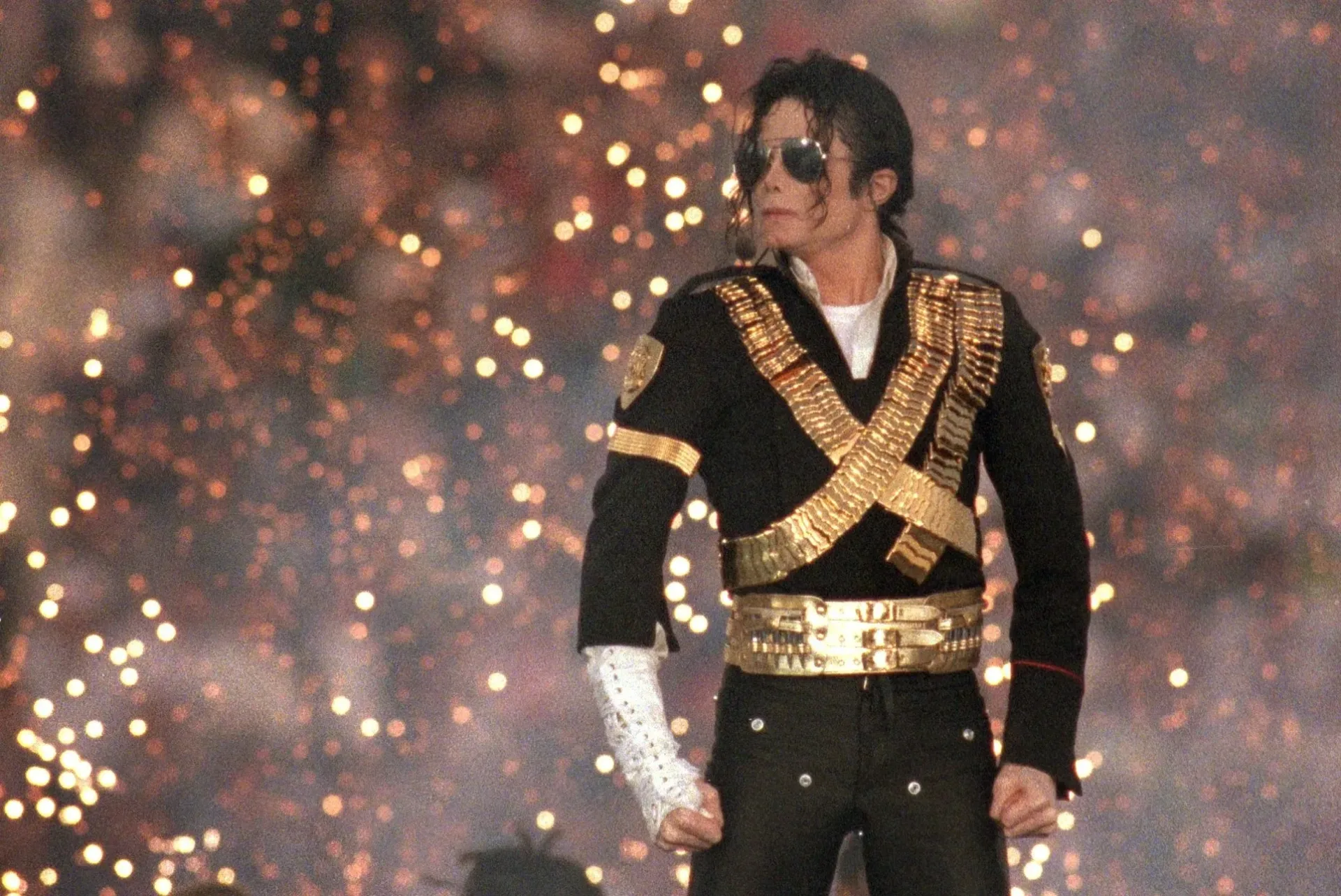
Jackson and Timberlake’s Super Bowl halftime performance in 2004 ended in a brief on-air exposure after Timberlake pulled away a portion of Jackson’s costume. The moment became a national controversy almost immediately.
Its aftermath has remained a major part of the discussion because the consequences were not experienced equally. Jackson faced intense criticism and professional fallout, while Timberlake’s career continued to thrive. That disparity has shaped much of the modern reassessment of the incident: the conversation is not solely about what occurred onstage, but about how media and entertainment institutions directed their reaction afterward.
In 2021, Timberlake publicly apologized to Jackson and Spears. In that statement, he said he had benefited from an entertainment industry that tolerated misogyny and racism. The apology was significant because it acknowledged the broader system around the controversy rather than treating the backlash as an isolated celebrity dispute.
Jackson, however, had already made clear that her own view was more complicated than the ongoing public argument often suggests. In her 2022 documentary Janet Jackson, she characterized the performance incident as an accident that had been blown out of proportion. She said she and Timberlake were very good friends and would remain so. Jackson also said that she had encouraged him not to issue a public statement at the time of the initial backlash and expressed frustration that others continued to assign blame after the pair had personally moved forward.
Jackson’s previous comments establish an important baseline for any new material: she has described the incident as an accident, said the two artists remain friends, and indicated that she does not want to keep relitigating blame.
That does not erase the wider debate over the unequal professional consequences. Instead, it shows why a potential Jackson contribution would be meaningful. Her position can encompass personal reconciliation with Timberlake while also existing alongside a public record in which she bore far more of the immediate backlash. Those are not mutually exclusive ideas.
What “revisiting” the moment should mean
Revisiting a decades-old media controversy should mean more than using archival footage as a nostalgia trigger. The useful questions are structural: Who was criticized? Who continued to receive major opportunities? What assumptions about gender, race and celebrity shaped that divide? And how did the people at the center of the event describe it themselves?
There is also a difference between accountability and permanent public punishment. Accountability involves acknowledging harm, listening to the people affected and recognizing how choices or institutions contributed to an outcome. It is not identical to demanding that a subject repeat a public apology forever. Jackson’s past comments are particularly relevant here because they show that her own wishes should not be overwritten by outsiders seeking a simpler narrative.
If the reported series moves forward, a strong treatment would preserve that complexity: Jackson’s account of an accident and continuing friendship, the public imbalance in the fallout, and Timberlake’s later acknowledgment that he benefited from damaging industry norms. Treating any one of those points as the whole story would flatten the record.
Britney Spears’ memoir adds another dimension
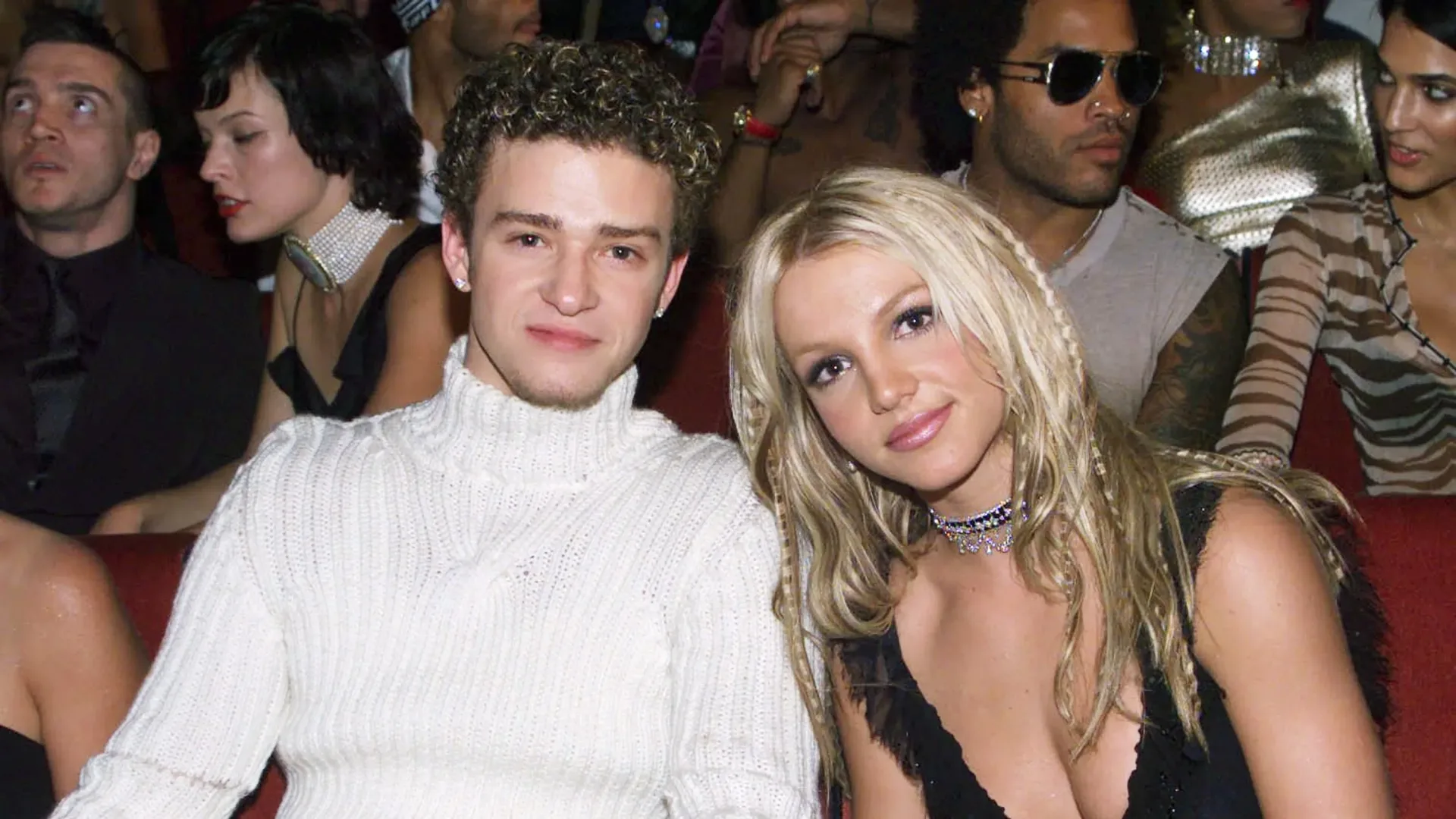
The reported docuseries may also address comments from Spears, whose 2023 memoir The Woman in Me renewed attention on her relationship with Timberlake. In the book, Spears wrote that she had an abortion during their relationship, explaining that Timberlake did not want to become a father at that time. She also discussed their breakup and alleged infidelity.
These are deeply personal subjects, and the available reporting does not say which comments Timberlake may address, if any. That uncertainty is crucial. It would be misleading to imply that the series will provide a point-by-point response to every part of Spears’ memoir, or that Spears herself will participate. Neither point has been established.
The memoir’s impact is part of a wider shift in how audiences revisit pop-cultural narratives from the late 1990s and 2000s. Celebrity coverage from that period is increasingly reassessed through questions of power, tabloid pressure, gendered double standards and whose version of events was treated as credible at the time. Spears’ account prompted fresh criticism of Timberlake, but a documentary response would need to avoid turning painful private history into a promotional sidebar.
For audiences, the practical takeaway is to distinguish between the memoir’s published claims, Timberlake’s 2021 apology, and any future statement he chooses to make on camera. Those are separate records. A reported plan for him to discuss “some” of Spears’ comments does not reveal the scope, language or substance of a response.
Readers interested in how public images are formed and fixed by entertainment media may also find a related perspective in this look at Meagan Good’s comments on how an early music-video image shaped later perceptions.
Why the timing is notable
The reported project would arrive after the end of Timberlake’s Forget Tomorrow World Tour, which concluded in July 2025. That month, Timberlake said he had been diagnosed with Lyme disease and that the condition had affected his health during the tour.
That background may give the series a present-day frame beyond the older controversies, though there is no confirmation that his health or the tour will be part of the program. It is another example of why audiences should resist assuming a full contents list from a few reported elements. Celebrity documentaries often combine career chronology, personal testimony and archival reconsideration, but the actual balance here is not known.
What remains unknown
- Whether Apple TV will formally announce the docuseries.
- The series’ title and confirmed release date.
- Whether Jackson recorded a new interview specifically for the project.
- Whether Spears will participate or be represented through any new material.
- Which of Spears’ memoir claims Timberlake may address.
- How much time the series will devote to the 2004 halftime-show fallout versus Timberlake’s music career and other subjects.
For now, the reported involvement of Jackson is the detail with the greatest potential significance. She has already discussed the performance and its fallout in her own documentary, making clear both that the incident was an accident in her view and that she and Timberlake stayed close. If she contributes new context, it could help the series avoid speaking around the person most affected by the backlash.
But that possibility should remain separate from fact. Until the project is announced and its participation details are confirmed, the prospective series is best understood as a reported Apple TV documentary that may revisit consequential, sensitive parts of Timberlake’s public history—not a finished account whose conclusions are already known.