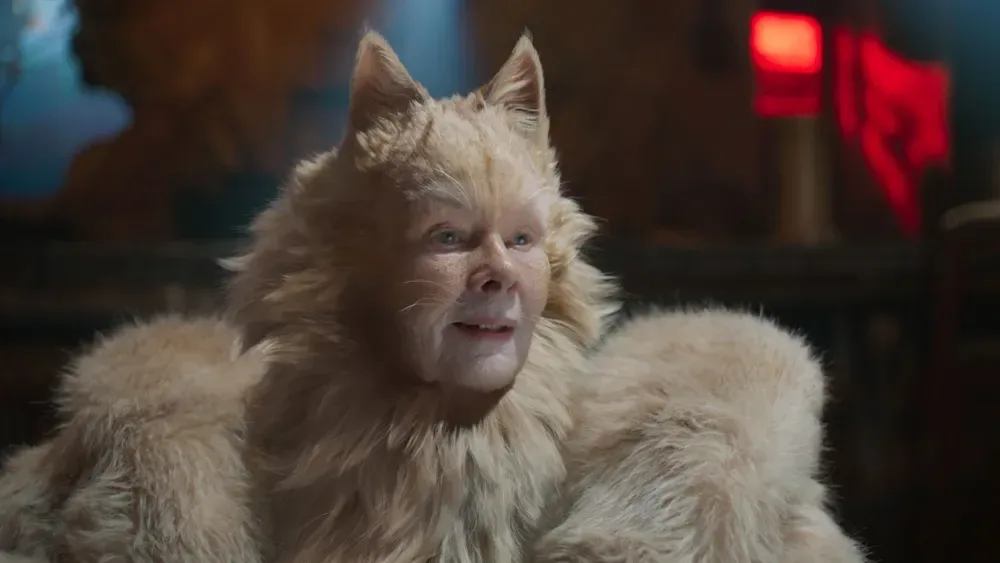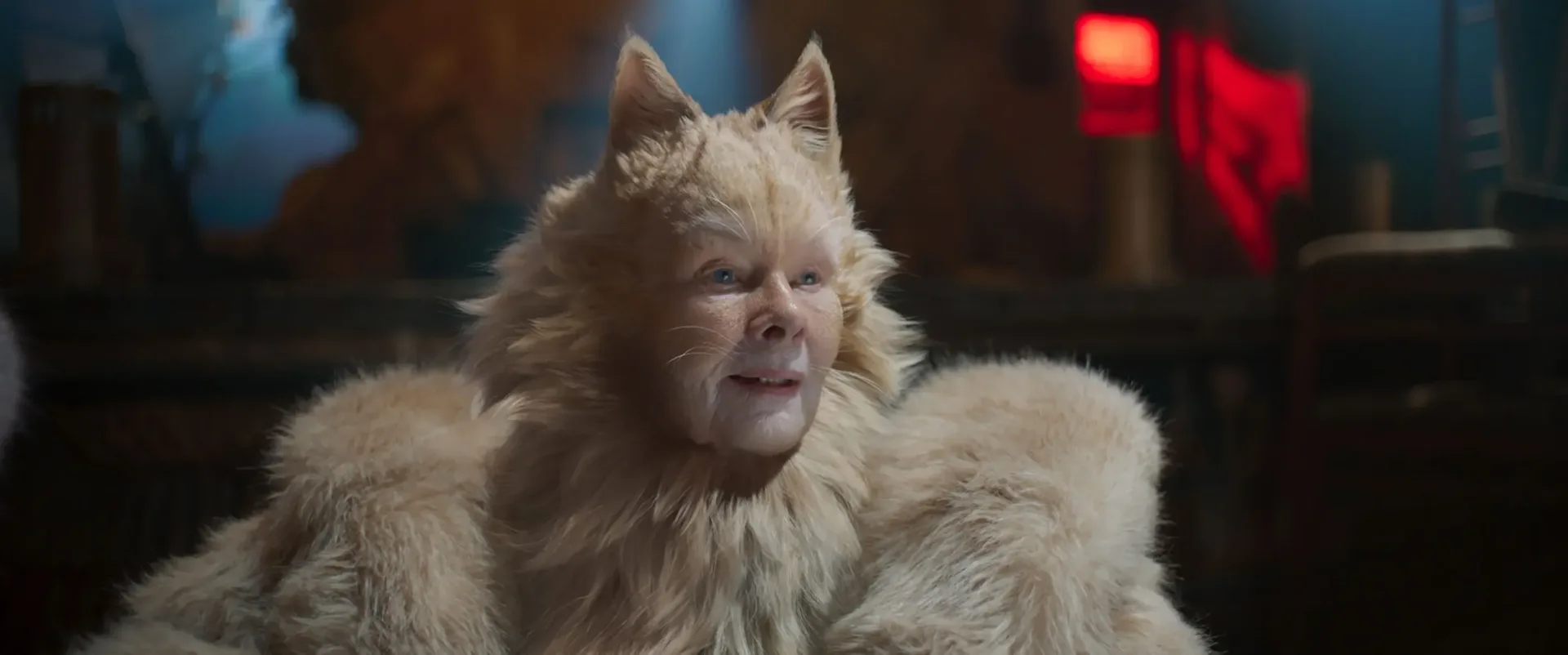
Judi Dench has offered a candid but notably measured reflection on Cats, the 2019 film adaptation of Andrew Lloyd Webber’s hit musical. In her forthcoming memoir, Is It Too Late to Make a Run For It?, Dench describes the result as a painful missed opportunity: a project with major talent and considerable goodwill behind it that did not come together as hoped.
Dench played Old Deuteronomy in the film, directed by Tom Hooper. Her assessment does not attempt to relitigate every decision behind the production, nor does it single out a person to blame. Instead, it addresses the uncomfortable reality that a film can assemble a celebrated cast, draw from a hugely successful stage work, and still arrive as a critical and commercial disappointment.
“What a waste of all that goodwill and talent,” Dench writes, while adding that she never saw the final cut and therefore does not feel able to judge the completed film in full.
That qualification is crucial. Dench is expressing regret about the project’s reception and outcome, but she is also careful not to claim firsthand knowledge of every finished creative choice. It is a distinction that makes her comments more reflective than accusatory.
A formidable ensemble and a difficult landing
Cats arrived in 2019 after a long wait for a screen version of Lloyd Webber’s musical. Alongside Dench, the film featured James Corden, Idris Elba and Taylor Swift, among others. On paper, it had several ingredients generally associated with a large-scale event adaptation: a globally known title, a director, prominent performers and a built-in audience familiar with the musical.
Yet the film was widely criticized and failed commercially. Dench herself was nominated for a Razzie for her performance, an awards program that spotlights work it deems to be among the year’s worst. Her memoir comments acknowledge the critics’ hostility without turning that response into a personal grievance.
Instead, Dench’s framing recognizes the collective nature of filmmaking. A movie is not merely an actor’s work, a director’s work, or the work of one department. It is the combined result of casting, performance, staging, design, editing, music, timing and countless other decisions. Success depends not only on individual competence but on whether those elements complement each other in the final form audiences see.
What Dench means by the project’s “moving parts”
Dench broadens the point beyond Cats, describing film, television and theater as undertakings with many moving parts. In practical terms, that phrase captures why evaluating a troubled production is rarely as simple as locating one supposedly fatal error.
For a screen musical adapted from the stage, the challenge is especially layered. A stage musical is built for a live audience in a theater, where distance, lighting, choreography and audience imagination work together in a particular way. A film is experienced through a camera and an edit, with close-ups, cuts and a fixed final version. Adapting between those forms means translating a work rather than simply reproducing it.
Dench does not offer a technical postmortem of Cats, and there is no reason to pretend that she does. But her broader observation explains why a recognizable property and a talented group of people are not guarantees. A project’s individual pieces can be strong while the connection between them remains unconvincing to audiences.
Her wording also puts a useful limit on retrospective certainty. When a release is panned, public discussion can quickly turn to a hunt for a villain: one performer, one executive, one creative lead, or one decision that supposedly explains everything. Dench rejects that impulse directly. She writes that there were “no villains” in the making of Cats.
A failure without a scapegoat
Dench’s central point is not that criticism was unwarranted. She acknowledges that the film encountered a hostile response. Nor is she arguing that good intentions automatically make an unsuccessful work successful. Rather, she separates intent from outcome.
That is a valuable distinction in discussions of art made by large teams. The people involved may work earnestly and still make something audiences do not embrace. “Nobody sets out to give a poor performance or make a bad film,” Dench writes. The comment is not a demand that viewers change their minds about Cats; it is a reminder that a final product is not the same thing as the motivation of everyone who contributed to it.
Dench lists several broad reasons productions can fail to cohere: the timing may be wrong, cast members may not gel, or the various elements may simply not coalesce. “Coalesce” here means separate elements joining into a convincing, unified whole. In the context of a film, that unity can involve tone, visual presentation, performances and pacing all feeling as if they belong to the same version of the story.
When that unity does not emerge, talent can become more visible rather than less. Audiences can see the credentials of the cast and recognize the reputation of the underlying material, which may make the gap between expectation and response feel sharper. Dench’s regret appears rooted in that gap: not in a claim that the people involved lacked ability, but in the feeling that their effort did not produce the shared result it might have.
The perspective of someone inside the cast
Dench’s comments have a particular weight because she was part of the film rather than a distant observer. At the same time, her statement that she did not see the final cut establishes the limits of that perspective. Performers contribute to scenes and characters, but the finished cut is shaped through a much wider process.
A “final cut” is the completed version of a film released to audiences. It is distinct from the material created during production. Performances are filmed in separate takes; scenes can be shortened, rearranged or removed; music and visual work can change how a moment is perceived. The finished experience is assembled after individual contributions have been made.
This is why Dench can speak honestly about the disappointment surrounding Cats while declining to give a definitive artistic verdict on every aspect of the completed movie. Her remarks hold both positions at once: she feels the waste of the project’s potential, and she does not overstate what she personally reviewed.
That restraint is also what differentiates a reflective account from an attempt to settle scores. There is no claim that one colleague failed the rest, and no disclosure presented as a behind-the-scenes explanation. Her focus stays on a common creative risk: sometimes a production does not work out, even when the people making it are trying to make it work.
Why the memoir comments matter
The entertainment world often treats a bad outcome as a clean narrative. A movie succeeds, and every creative choice can be treated as shrewd. A movie fails, and every unusual decision can be recast as obvious folly. Dench’s comments complicate that tidy story.
Her view is not especially flattering to the final result, but it is humane toward the people who made it. She can call the situation a waste of talent and goodwill while insisting that the work was not undertaken by villains. That is not a defense of the film’s reception. It is a defense of the basic idea that failure can be collaborative, sincere and still disappointing.
There is also an implicit lesson about adaptation. A beloved stage property brings expectations that are both an advantage and a burden. Familiarity can draw interest, but it also means viewers may arrive with a firm sense of what the material should feel like. A film adaptation must give those viewers a reason to see the work anew while functioning for people who do not know the original. The supplied details do not establish exactly where Cats lost that balance, but Dench’s remarks make clear that the finished film did not win enough people over.
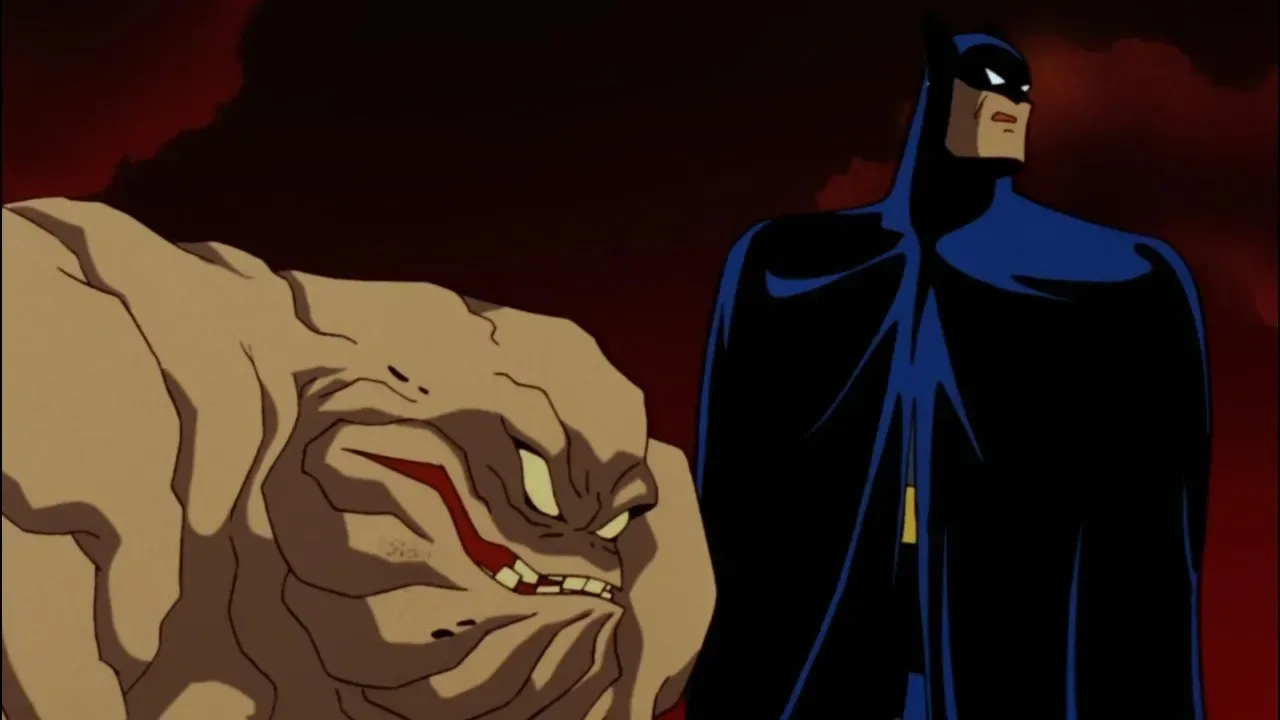
For pop-culture audiences, that tension is familiar: recognizable intellectual property can command attention before release, but recognition is not the same thing as connection. The value of the underlying material and the caliber of its contributors may raise expectations; they cannot make disparate creative choices lock together. For another example of how performers and creators revisit the legacies of established screen characters, see this look at the enduring influence of an animated Batman villain performance.
Dench’s emphasis on learning
Despite her plainly negative description of the experience, Dench ends on a constructive note. If a project is not a success, she writes, there are still things to learn. It is not a grand claim that every disappointment is secretly beneficial, nor does it erase the disappointment she has expressed. It simply recognizes that creative work carries uncertainty.
That uncertainty is built into the medium. A production can be planned extensively, populated by experienced people and tied to a proven musical, yet remain vulnerable to the difficult question of whether its many parts will connect with one another and with viewers. Dench calls it a miracle that films, plays and television shows are made at all, much less become successes.
Her reflection on Cats ultimately lands there: not as an excuse, and not as a blame game, but as an unusually clear acknowledgment of a high-profile disappointment. The movie had a major theatrical foundation, a notable ensemble and a great deal of effort behind it. It still did not work for the public and critics who encountered it. In Dench’s view, that outcome is regrettable—but it does not mean the people who tried to make it were acting in bad faith.
Is It Too Late to Make a Run For It? is scheduled to reach shelves on Nov. 3.