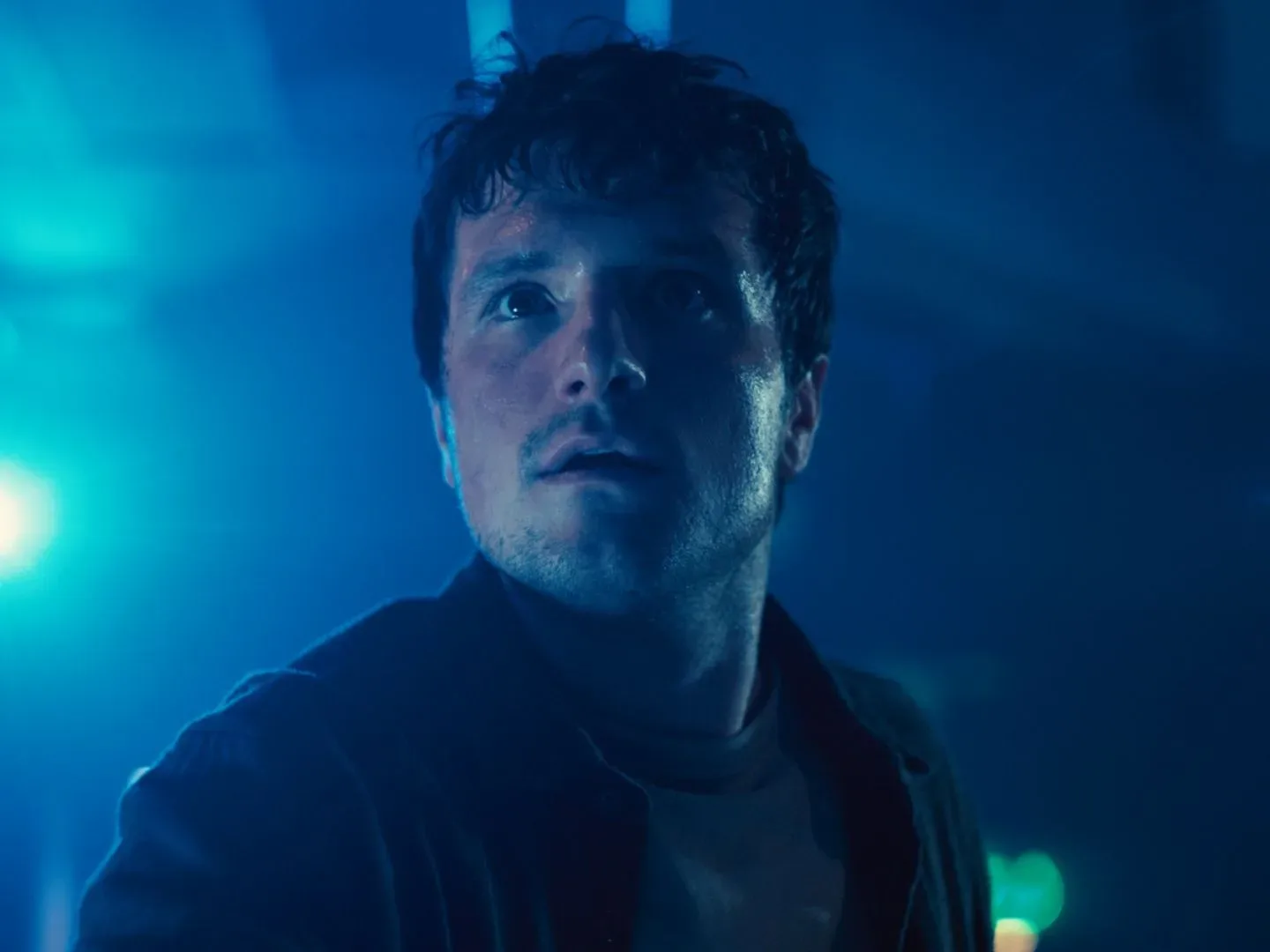
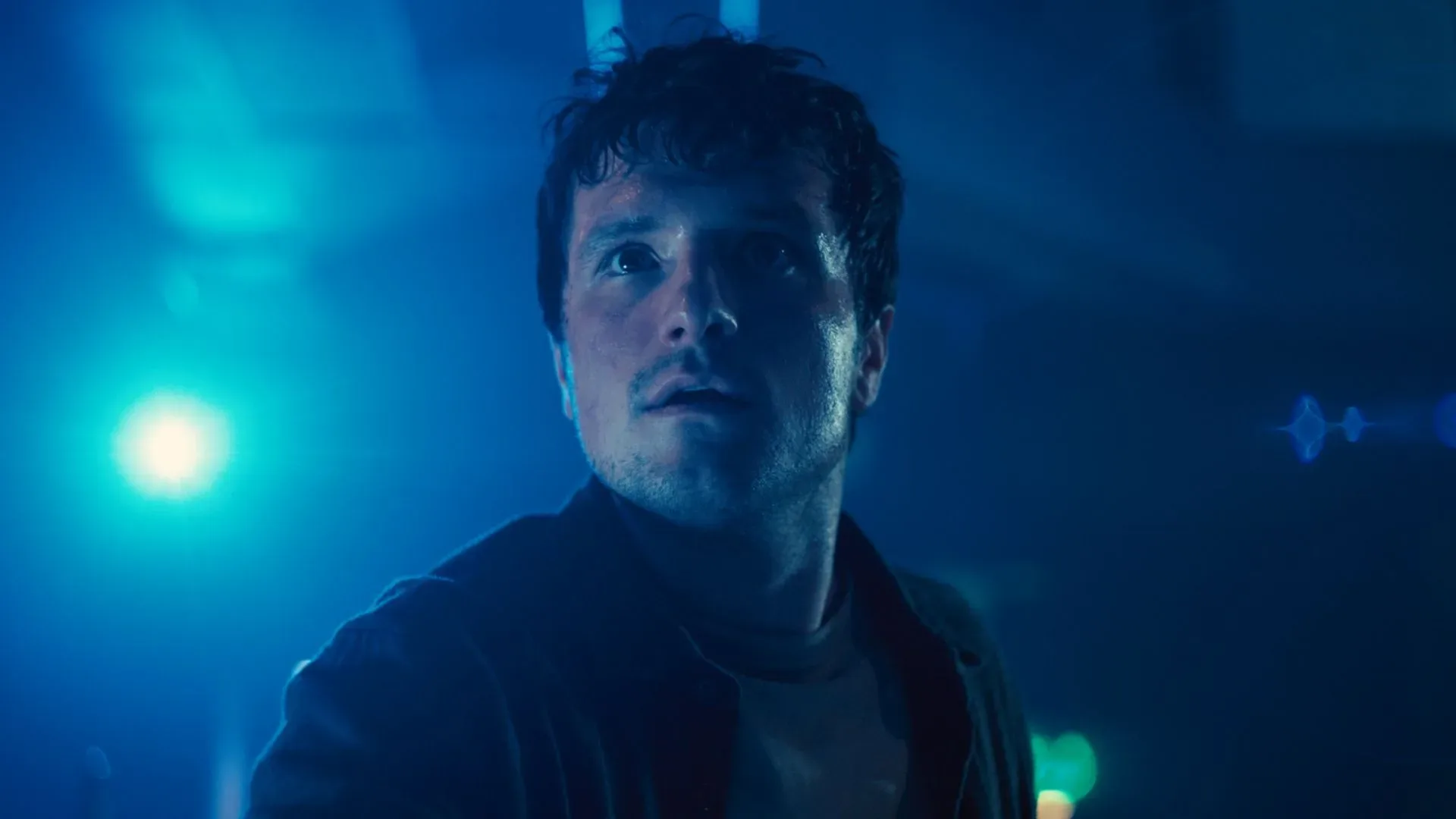
Josh Hutcherson has explained why a superhero role was not high on his wish list after he missed out on playing Peter Parker in the 2012 Spider-Man reboot. The actor said the experience briefly settled the matter for him: he did not get the part, so he decided he did not need to chase a cape-and-mask career at all.
That position changed when Mister Miracle arrived. Hutcherson is attached to lead the newly announced animated DC series, and he said the material he received for the audition immediately made the character stand apart. He had only a handful of scenes to work with, but found the role compelling enough to reconsider a category of project he had effectively put behind him.
“Since I didn’t get cast in Spider-Man, I was like, ‘I don’t ever want to be a superhero. Like, it’s fine. I never really wanted that.’”
The point is not that Hutcherson suddenly became interested in superheroes as a broad career move. His comments instead suggest a more familiar acting calculation: a specific part can outweigh an old assumption about a genre. Mister Miracle’s appeal, in his telling, was rooted in the character and the audition scenes rather than in the general promise of joining a comic-book universe.
The Spider-Man role that got away
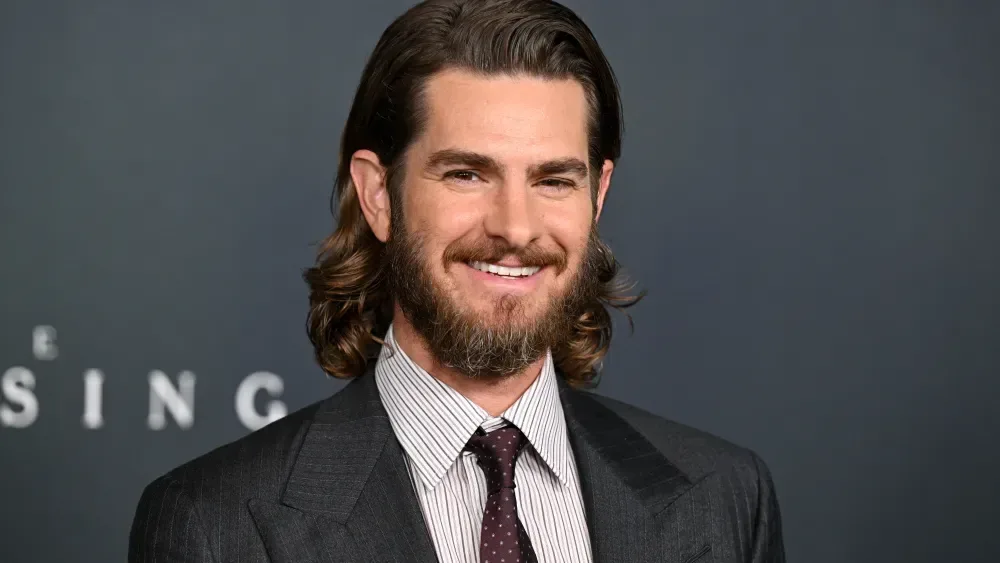
Hutcherson was among the actors considered for Peter Parker when Sony prepared its 2012 reboot, which followed the earlier Sam Raimi-led Spider-Man film series. Andrew Garfield ultimately landed the role. Jamie Bell, Logan Lerman and Alden Ehrenreich were also in contention alongside Hutcherson.
Auditions and shortlists are inherently a strange part of movie history. They offer a glimpse of paths that never happened, but they do not reveal how a completed film would have changed with another performer. What Hutcherson’s recollection does clarify is the personal response to a major missed opportunity. Rather than making superhero work a professional objective, he says he moved in the opposite direction.
That distinction matters because being associated with an audition is not the same thing as building a role, signing onto a franchise, or defining one’s career around it. The Spider-Man process was a possibility, not a performance audiences got to see. Hutcherson’s eventual career route instead included Peeta Mellark in the Hunger Games films, the blockbuster franchise adapted from the dystopian young-adult books.
It is tempting to frame that sequence as a clean trade—Spider-Man was lost, Hunger Games was gained—but careers are rarely so simple. The supported fact is that Hutcherson did go on to play Peeta, while Garfield became Spider-Man. The larger lesson is more modest: an unsuccessful audition can lead an actor to reassess the kinds of roles they want, without closing the door forever.
Related coverage includes Josh Hutcherson Found a New Superhero Path With DC’s Mister Miracle.
Why Mister Miracle was different
Hutcherson’s explanation for accepting Mister Miracle is unusually direct. He read a limited set of scenes for the audition and found the character “so cool.” That does not tell viewers what every element of the animated series will be, nor does it establish story details that have not been shared. It does, however, put the emphasis in the right place: the material convinced him.
Mister Miracle is planned as an animated series with Hutcherson in the lead role. The show is also described as canon to the new DCU. In franchise language, canon means a work is intended to count within the continuity of that shared fictional setting, rather than existing solely as an unrelated or alternate take on its characters.
That designation creates an important possibility, but not a guarantee. Because the series is canon to the DCU, Hutcherson could potentially play Mister Miracle again in a live-action project. “Could” is the critical word. Canon status connects a project to a continuity; it does not by itself confirm casting for another medium, a specific live-action production, or even that such a production has been scheduled.
The distinction is useful for fans tracking comic-book adaptations. Shared-universe plans often invite audiences to treat every early connection as a promise of a crossover or a future appearance. In reality, there are several separate steps: a project has to remain active, be produced, establish its place in continuity, and then receive a later opportunity for a character to return. Hutcherson’s involvement supplies one noteworthy piece of that picture, not the entire roadmap.
What is known—and what remains up in the air
The immediate complication is uncertainty around DC Studios’ project slate. James Gunn and Peter Safran are no longer co-CEOs of DC Studios, and there is no complete public accounting of which projects may be cut or changed as a result. Mister Miracle’s fate is therefore not firmly established from the available information.
That uncertainty should not be mistaken for cancellation. There is a meaningful gap between a project having an unclear future and a project being officially removed from development. At present, the responsible reading is that the show was announced with Hutcherson attached, while its next steps remain unsettled.
Lanterns season 2 has been identified as appearing vulnerable, but that is likewise not confirmation of a final decision. For viewers, this is a reminder that a franchise announcement and a finished release are very different milestones. Casting is exciting news, especially when it connects a recognizable actor to a DC character, but it is only one stage in a longer process.
Superhero productions have also shown how quickly scripts, directors, release strategies and wider studio plans can affect a title before audiences see it. The recent discussion around another Marvel project illustrates the value of separating public creative ambition from a production that is ready to move forward: an unfinished Blade script was described as a key obstacle to directing the film. That does not establish anything new about Mister Miracle, but it is relevant context for why viewers should avoid treating early franchise signals as finished-product guarantees.
A different kind of superhero decision
Hutcherson’s route from a Spider-Man audition to Mister Miracle is compelling precisely because it is not a story of relentless franchise pursuit. He says he had decided superhero work was not for him after the Spider-Man outcome. Then a role with a particular creative hook changed his mind.
That makes the Mister Miracle attachment more interesting than a simple casting headline. It suggests he saw enough in the character—even from only a few audition scenes—to make an exception to a rule he had set for himself. For an actor already closely associated with Peeta Mellark, the role also offers a chance to enter another major fictional universe without repeating the exact path that once slipped away.
For now, the firm details are limited: Hutcherson is set to lead the announced animated Mister Miracle series; it is intended to be part of the new DCU; and its longer-term status is uncertain amid wider changes at DC Studios. Everything beyond that, including a live-action reprise, belongs in the realm of possibility rather than confirmation.
Meanwhile, the superhero calendar continues to move. Marvel’s next listed theatrical release is Avengers: Doomsday, scheduled to reach theaters worldwide on December 18. Hutcherson’s comments are a useful counterpoint to the scale of that franchise machine: sometimes the reason an actor returns to comic-book material is not the universe, the costume, or the brand. Sometimes it is simply that a character reads as too good to pass up.