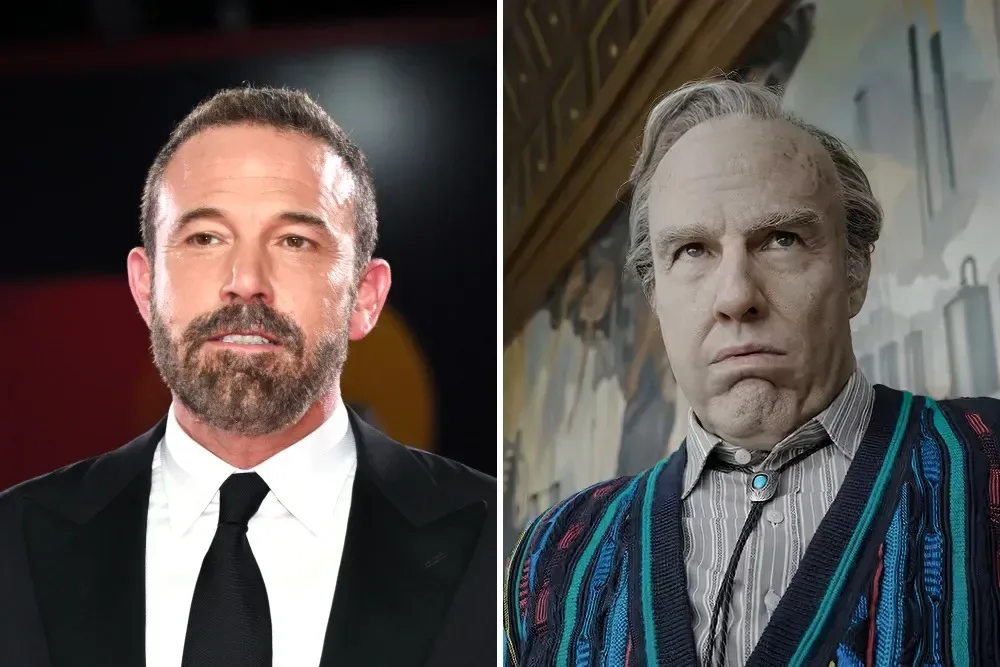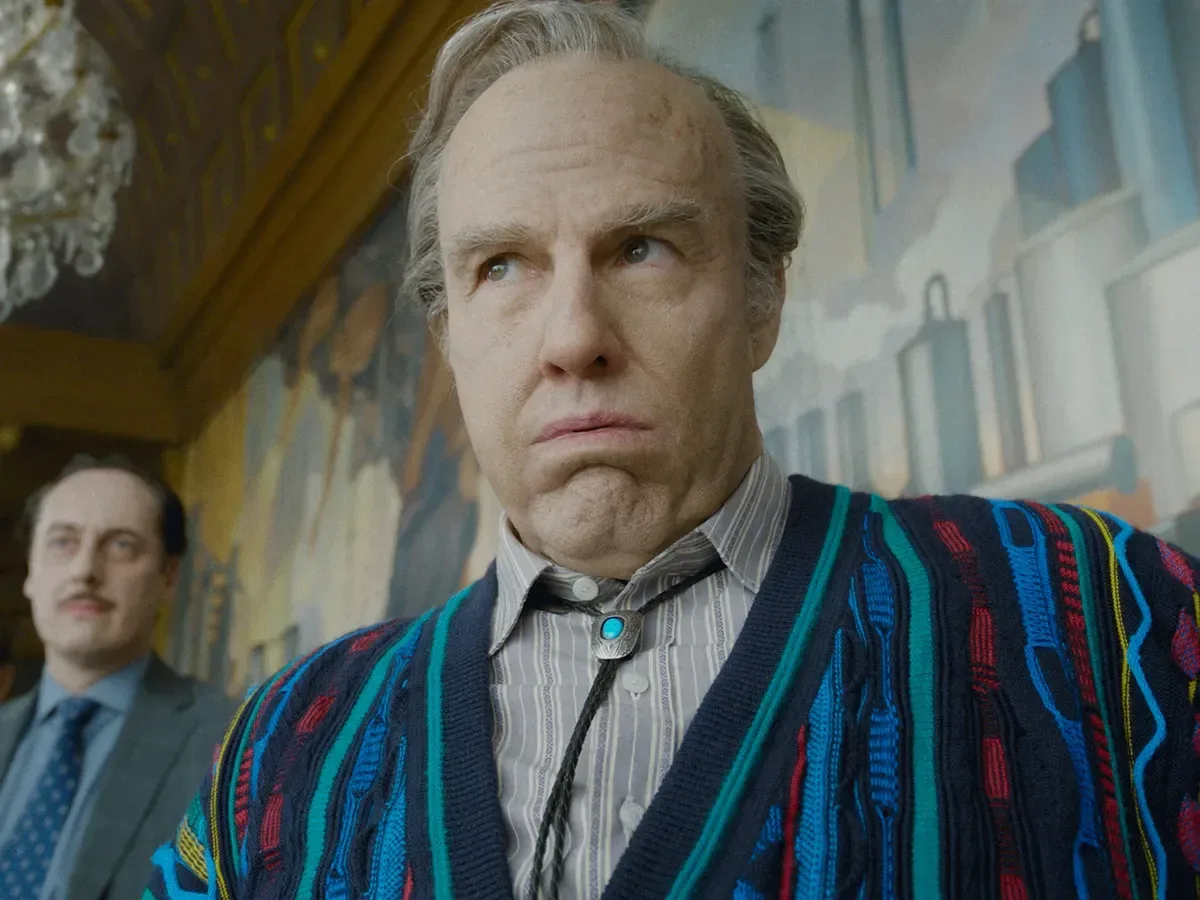
John Goodman is standing by Digger, even as the Tom Cruise-led film has become one of 2026’s most conspicuous theatrical disappointments. Goodman, who co-stars in the movie, said the conversation surrounding its prospects and reviews hurt it before audiences had much chance to make up their own minds.
In remarks to Josh Horowitz, Goodman said the response was personally disappointing because he remains proud of the work. “It hurt,” he said, arguing that headlines predicting negligible earnings made avoiding the movie seem like a reasonable choice for potential ticket buyers. He also said he had a great experience making it and continues to believe in what the film was trying to say.
That does not settle the broader question of why Digger struggled. Its reported theatrical gross currently stands at $49 million, while its reported production budget falls somewhere between $125 million and $180 million. Those figures leave a substantial gap before accounting for the additional costs involved in bringing a major studio release to theaters. A theatrical run alone therefore appears unlikely to put the film near break-even territory.
A difficult result for a high-profile release
The scale of the shortfall matters because of the talent involved. Cruise remains one of the industry’s most recognizable marquee names, and a new film fronted by him naturally arrives with expectations that extend beyond a modest commercial showing. Digger did not meet those expectations, regardless of where its final box-office total lands.
Goodman’s argument is not that criticism is illegitimate. Rather, his complaint is about timing and momentum: when advance reactions, poor revenue forecasts, and discouraging headlines all converge before opening weekend, they can create a perception that a film has already been judged a loser. For a moviegoer deciding how to spend one evening and one ticket, that perception may be enough to postpone the choice—or abandon it entirely.
There is an important distinction here. Critical reception is the accumulated response from reviewers, while pre-release narrative is the wider story built around a movie’s expected success or failure. The first evaluates the film itself. The second can combine reviews with projected ticket sales, budget talk, social-media reaction, and comparisons to prior releases. They overlap, but they are not identical.
Goodman appears to be focusing on that second category. A film can receive mixed reviews and still find a sizable audience. Conversely, an unfavorable commercial narrative can become an extra hurdle, especially if audiences feel they are being told that an experience is already a disappointment before they see it.
Mixed reviews, not unanimous rejection
Digger holds a 53% score on Rotten Tomatoes. That places the movie in divisive territory rather than suggesting unanimous critical agreement. It is also described as Cruise’s lowest-rated film since 2017’s The Mummy.
Related coverage includes John Goodman Says Early Digger Reviews Hurt the Film Before Its Release.
One published assessment rated Digger 6 out of 10. Its central view was that the film’s satire did not have enough sharpness to fully deliver its message about global warming, but that the cast performed well and the movie contained genuine humor. That is a qualified recommendation, not a declaration that the movie has nothing to offer.
That kind of response helps explain why Goodman can sincerely defend the project without pretending it was universally embraced. His comments acknowledge the pain of the reception and the commercial result, but they do not require him to abandon his own belief in the film’s performances, comedy, or environmental theme.
Satire is particularly vulnerable to divided reactions because it asks viewers to balance several things at once: the joke, the target of the joke, the story, and the intended point. When reviewers say satire lacks “bite,” they generally mean the work may identify a subject worth criticizing but does not strike with enough clarity, force, or precision to make the critique feel decisive. The humor can still work in places; the underlying argument can simply feel less persuasive than intended.
Can headlines shape an opening weekend?
It is reasonable to say that attention-grabbing coverage can influence audience behavior. It is much harder to prove that it is the sole reason a particular movie fell short. Box-office performance is shaped by several forces at once: how the premise connects with viewers, the competition for people’s time, whether word of mouth builds or fades, critical response, and the practical value audiences see in going to a theater rather than waiting.
Goodman’s view should therefore be understood as a participant’s perspective on a painful release, not a complete accounting of Digger’s financial outcome. He worked on the movie, enjoyed the experience, and believes its message had value. From that position, seeing negative expectations become a recurring public storyline before release would understandably feel like a damaging head start for the film’s detractors.
The phrase “killed the movie” is also an expression of frustration rather than a measurable claim that reviews alone determined every lost ticket sale. The available facts show both a mixed critical response and a major financial gap. They do not isolate one variable and demonstrate that it caused the result.
Still, the concern points to a familiar tension in entertainment coverage. Audiences often say they want honest criticism, and critics are expected to supply it. At the same time, modern release cycles can turn early sentiment into a fast-moving verdict, particularly when a big-budget project becomes associated with the word “bomb.” Once that label takes hold, discussion can shift away from what is actually on screen toward whether the film is worth rescuing, defending, or mocking.
What happens to Digger from here?
The long-term reputation of Digger remains unsettled. Goodman hopes viewers may eventually revisit it more favorably, but meaningful reassessment usually takes time. A movie that disappoints theatrically can later draw fresh attention through home viewing, evolving conversations around its subject matter, or audiences who encounter it without the pressure of opening-weekend discourse. None of that guarantees a reversal, and there is no evidence yet that one is underway.
For now, the clearest split is between the film’s poor financial result and the conviction of at least one of its principal performers that it deserved more openness from viewers. Goodman’s defense is not a claim that everyone should love Digger. It is a request, in effect, to distinguish a film from the wave of pessimism that may surround it.
Whether Cruise will take similarly ambitious swings after this result is also unknown. One costly miss does not automatically define a performer’s future choices, but it does raise the stakes around the next project. In that sense, Digger is a reminder that star power can generate attention, while neither attention nor debate can guarantee that a movie will find the audience it needs.
For more on the entertainment projects currently generating their own fan discussion, see Neve Campbell’s comments on Sidney Prescott’s return in Scream 8.