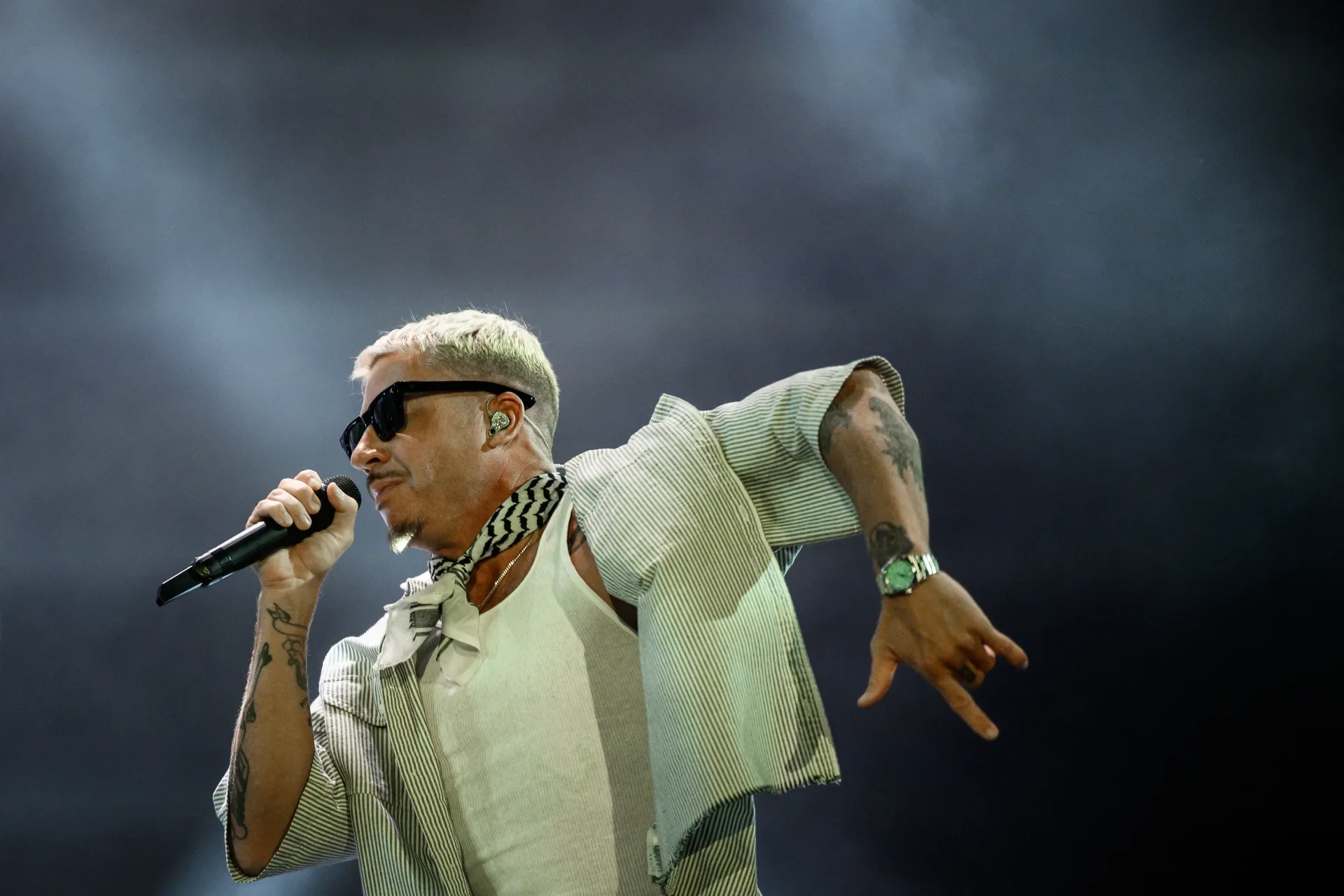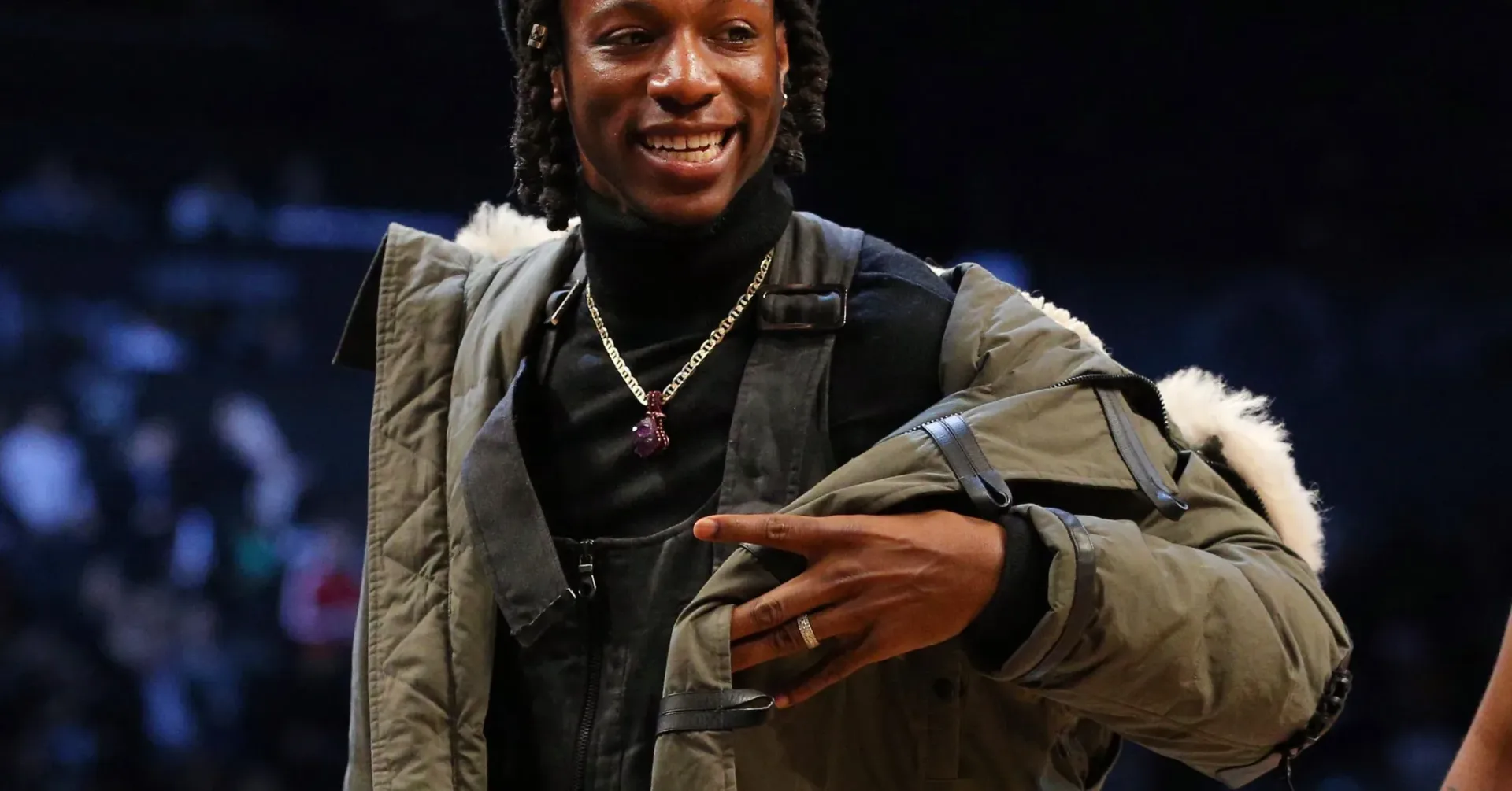
Joey Bada$$ is facing a rough reception online after footage circulated of him performing JAY-Z’s “Song Cry” during a live set. The performance arrived shortly after Serayah publicly said that her engagement to Joey Bada$$ was over, and the timing turned a familiar rap classic into a subject of intense audience scrutiny.
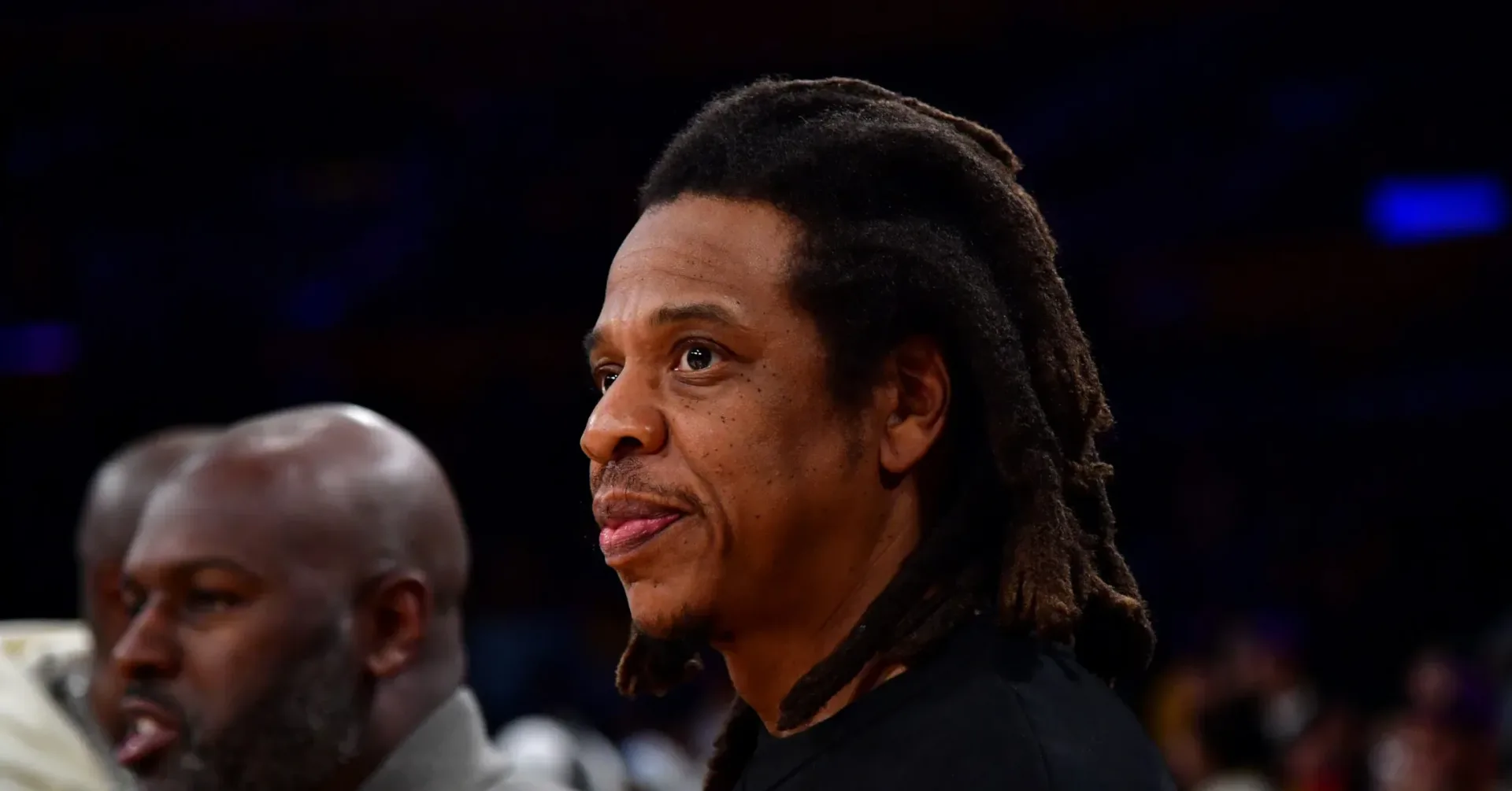
The response was not really about whether “Song Cry” works in a live-band setting. JAY-Z’s 2001 track from The Blueprint is a defining piece of emotionally exposed rap, built around heartbreak, remorse, and the damage a person can cause in a relationship. In another context, it would be easy to read a rendition as a tribute to a landmark record—or as a natural selection for an artist whose own catalog has engaged with the song before.
But context does not politely wait outside the venue. With Serayah’s recent statement about the end of the couple’s engagement still fresh, many viewers interpreted the cover as Joey Bada$$ making a musical response to events in his personal life. That interpretation set off a wave of criticism, jokes, and plain disbelief across social media.
A classic track meets a very current situation
“Song Cry” was originally released on JAY-Z’s 2001 album The Blueprint. Its central idea is not simple sadness; it is the uncomfortable recognition that regret can arrive after a person has already contributed to the collapse of a relationship. That perspective is exactly why the song has endured. It does not present heartbreak as noble, neat, or consequence-free.
Joey Bada$$ has prior history with the song’s musical world. His 1999 track “Waves” flipped elements associated with “Song Cry,” so the performance was not necessarily an out-of-nowhere choice from a musical standpoint. Still, covering the original during this specific period gave the selection a much more personal appearance to viewers than a routine homage might have had.
The live footage shows Joey Bada$$ performing with a band as the track’s lyrics move through themes of infidelity, apology, and permanent remorse. Viewers connected those words to the relationship news almost immediately. The prevailing reaction was that a public performance of a confession-shaped song can look awkward when the circumstances around it involve public allegations of repeated cheating.
For plenty of people online, the problem was not subtle. Their argument was straightforward: if someone has caused pain in a relationship, borrowing an iconic regret record for a concert moment may come across as performative rather than accountable. Others simply felt the choice was corny, a word social media can stretch into several paragraphs without ever running out of punctuation.
What Serayah has said about the relationship
Earlier in September, Serayah shared that she had ended her engagement to Joey Bada$$, citing repeated infidelity in her message. Joey Bada$$ had not publicly said much about the situation as discussion and reconciliation speculation circulated.
A brief public encounter then fueled claims among fans that the pair could be back together. Serayah later clarified that they were not reunited. She said they are co-parenting, an important distinction in a story that has otherwise been repeatedly flattened into a relationship-status guessing game.
The couple welcomed their first son together in 2025 and became engaged soon after. Those facts add a layer of real-life responsibility to what can otherwise become another endlessly recycled celebrity clip cycle. Co-parenting means the story does not end at a breakup announcement, even if the engagement has been called off.
That is also why the reaction to the “Song Cry” footage has been so sharp. Audiences are accustomed to musicians using songs to channel personal history, either directly or indirectly. The complication is that fans often demand a clear moral reading from a performance while only having access to fragments: a public statement, a viral video, an old song, and a lot of people ready to treat body language like a detective minigame.
What is known here is limited. Serayah said the engagement ended and gave her reason. She also clarified that the two are co-parenting rather than back together. Joey Bada$$ performed JAY-Z’s “Song Cry” live. Beyond that, claims about precise intent remain interpretation, not confirmation.
Why a cover can carry more baggage than an original song
Artists have always used covers to say things without formally saying them. A carefully chosen song can express admiration, establish lineage, change the mood of a set, or give performers a language for emotions they do not wish to explain in an interview. The trouble is that listeners are rarely passive when a recognizable song is inserted into a moment of public drama.
A cover carries two stories at once: the history of the original and the circumstances of the person singing it now. “Song Cry” already comes with a powerful narrative identity thanks to its place in JAY-Z’s catalog. Once Joey Bada$$ performed it amid the breakup news, the audience supplied a second narrative: this is a response, this is an apology, this is an attempt at sympathy, this is a bad idea. None of those readings needs to have been the artist’s stated intention for them to dominate the conversation.
That is the strange power of the celebrity-performance feedback loop. A musician plays a song. Viewers clip it. The clip loses the broader show around it. The selected lyrics become the entire story. Then every subsequent silence is examined as if it were another verse. It is less a clean line of communication than a multiplayer game where everybody has a controller and nobody received the tutorial.
The irony is that the original song’s emotional honesty is what makes it such a risky choice in this setting. Had Joey Bada$$ selected a more detached classic, it might not have inspired much conversation at all. “Song Cry,” however, is specifically remembered for confronting the aftermath of wrongdoing. Its emotional specificity made it resonate when it was released; it also made it difficult for viewers to regard this performance as neutral.
The line between art, accountability, and audience reaction
There is no reliable formula for how a public figure should address personal controversy. A statement can be judged too polished, too vague, too late, or too self-serving. Silence can be treated as avoidance. A song performance can be treated as coded messaging. The public appetite for a definitive answer is often greater than the amount of information actually available.
Yet the criticism surrounding this performance points to a broader expectation: art can communicate feeling, but it does not automatically settle questions of accountability. A mournful song may signal regret to some viewers, but others will see it as centering the feelings of the person accused of causing harm. That tension is at the heart of the backlash.
There is a difference between recognizing that music is a valid emotional outlet and assuming a song choice should be accepted as a full explanation of someone’s behavior. Audiences can hold both ideas at once. A performer may be sincerely affected by a situation, while listeners may still believe the public moment is ill-judged.
It also helps to separate documented facts from the commentary orbiting them. The online reaction is real, and the performance plainly sparked it. But the footage alone cannot verify the meaning Joey Bada$$ intended to assign to the song. Nor does public commentary change Serayah’s clarification that she and Joey Bada$$ are co-parenting rather than reconciling.
For a related look at how artists’ onstage moments and public messaging can become part of larger conversations, see Macklemore’s repeated “Free Palestine” message during Ed Sheeran’s MetLife Stadium shows.
The clip is likely to outlive the setlist
At the moment, the viral footage has left Joey Bada$$ with an unwelcome optics problem. The performance may have been grounded in his longstanding connection to the song, its emotional architecture, or something else entirely. The public response, though, has locked onto its placement after Serayah’s announcement.
That reaction does not turn speculation into certainty. It does demonstrate how rapidly a performance can become a referendum on a celebrity’s personal conduct when recent events make the lyrics feel pointed. The song was already about consequences. In this case, the audience decided the consequences were the story.
For Serayah, the clearest public update remains her own: the engagement is over, the pair are not back together, and they are co-parenting their son. For Joey Bada$$, a cover intended as a moment in a live show has become a viral moment with baggage that no encore is likely to shake quickly.