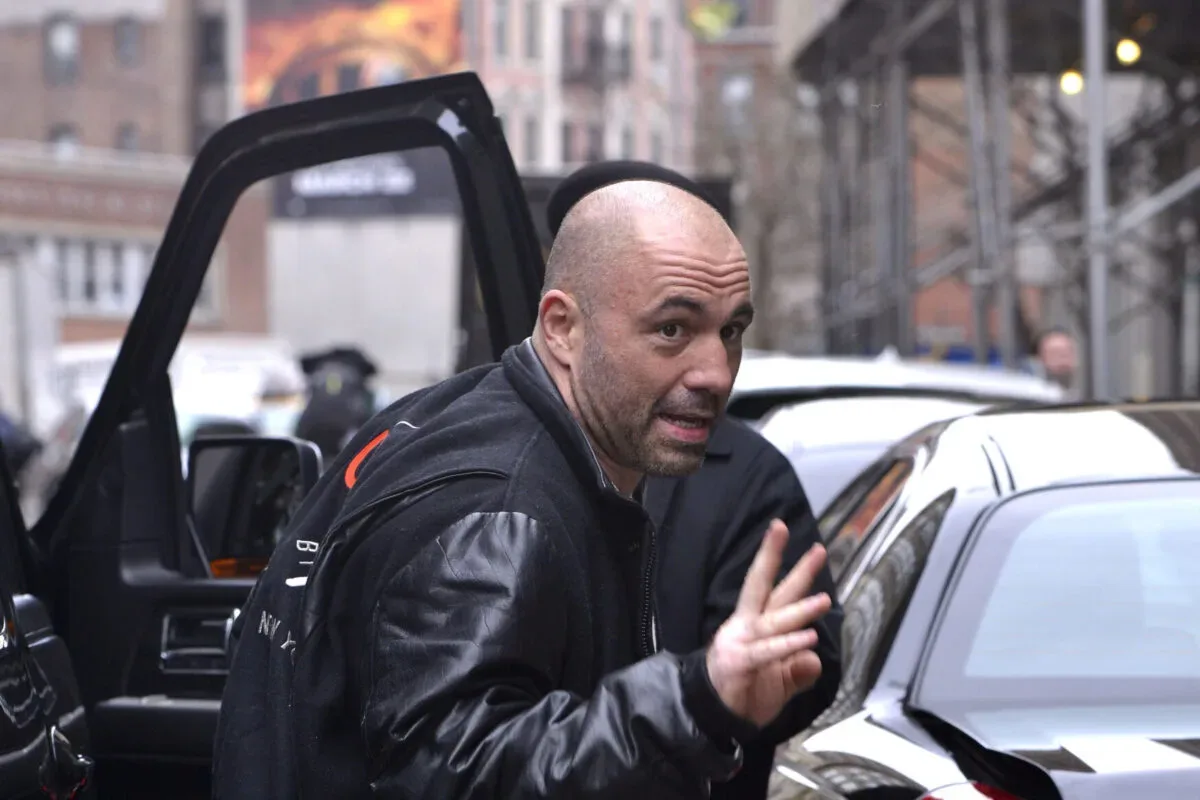
Joe Rogan reacted with visible disbelief after comedian Colum Tyrrell brought up Donald Trump’s remarks about Nicki Minaj during an October 29 episode of The Joe Rogan Experience. Rogan had not previously heard about the moment, which took place at Trump’s October 25 campaign appearance in Port Huron, Michigan.
The exchange began while Rogan and Tyrrell were discussing Trump’s association with “YMCA.” When Tyrrell raised the Minaj incident, Rogan’s immediate response was: “He said that?!” After watching the footage, Rogan called it “so crazy.”
The moment has attracted attention not only because of Trump’s on-stage comment, but because Minaj has been outspoken about supporting him. Rogan addressed that apparent tension directly, suggesting that a prominent supporter can expect a warm reception from Trump: “If you’re a fan of his, he’ll take you in.”
What happened in Port Huron
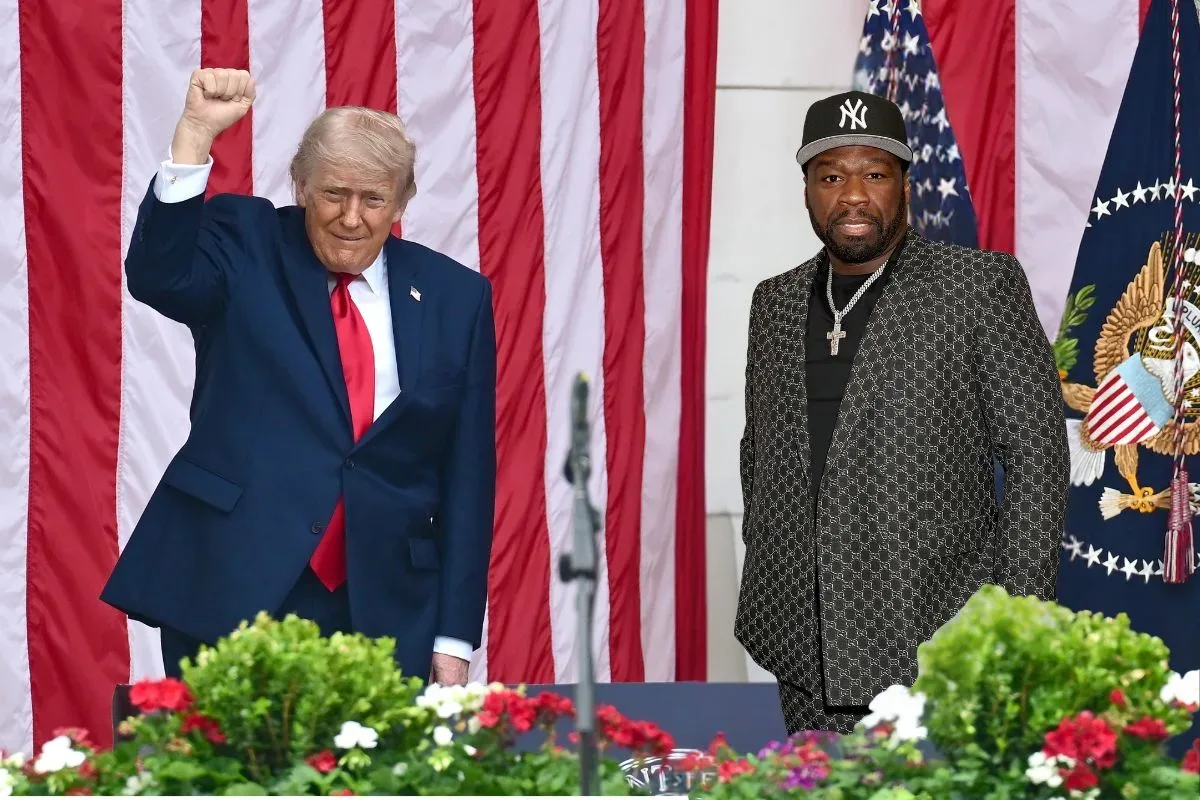
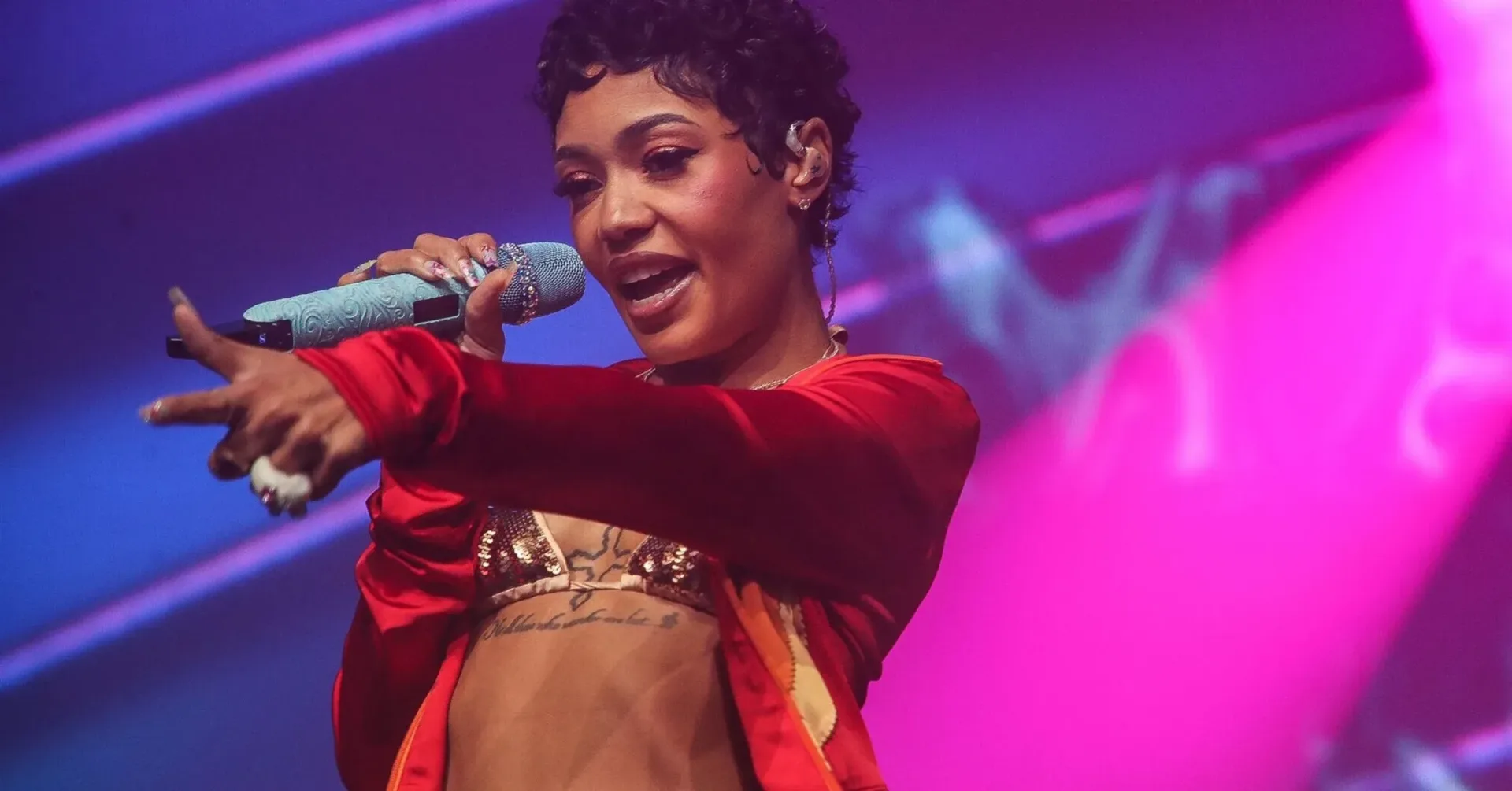
Minaj was in the audience at Trump’s October 25 Michigan event. During a portion of the speech concerning Sen. Jon Husted, Trump paused to compliment Minaj’s backside. He later said he hoped she had not been offended, then resumed the speech.
The available account does not establish Minaj’s reaction in that moment. It does, however, place the exchange within a wider and very public political alignment. Her support has not been confined to an isolated social-media post or a passing remark; she has discussed her reasoning in interviews and appeared in business-focused programming alongside Trump administration figures.
Rapper 50 Cent also responded soon after the event. On October 26, he shared video of the speech and said he was confused by what he was seeing, pairing that sentiment with a suggestion that people laugh at the moment.
Why Rogan’s response carries added context
Rogan is not commenting on Trump from a position of total political distance. He endorsed Trump on November 4, 2024, after an interview with Elon Musk, announcing his choice on X. Trump had also appeared on Rogan’s podcast the prior month for a three-hour conversation.
That history gives Rogan’s surprise a specific context. His reaction was not framed as a broad reconsideration of his endorsement or a detailed political argument. Instead, it was an immediate response to a clip he had not seen. The distinction matters: surprise at one remark does not, by itself, indicate a changed position on a candidate, administration, or policy agenda.
Related coverage includes Joe Rogan Reacts to Donald Trump’s Nicki Minaj Comments.
It also illustrates the way major podcasts now function as a second stage for political culture. A campaign-event moment can move quickly from a live crowd to a shared clip, then into a long-form conversation where another influential host reacts in real time. The discussion can become newsworthy without producing a new policy position, interview, or announcement.
What a reaction clip can—and cannot—tell audiences
Reaction segments are often useful for showing how a notable public figure initially processed an event. Rogan’s brief response clearly communicates surprise. But it should not be treated as a complete account of his view on Trump, Minaj, or the underlying political relationship. In this case, the supplied exchange centers on an unanticipated video and an off-the-cuff reaction rather than an extended analysis.
For readers encountering short clips on social platforms, separating the original event from commentary about it is especially important. There are at least three layers here: Trump’s remarks in Michigan, Minaj’s established support for him, and Rogan’s reaction after being told about the remarks. Each can be discussed without assuming that one person’s response speaks for the others.
Minaj has explained her support in her own terms
Minaj discussed her backing for Trump during an interview aboard Air Force One while traveling to Michigan with White House communications director Steven Cheung. She pointed to Trump’s business experience as a reason for trusting him on the economy. She also praised his stamina and his approach to dealing with other countries.
Those comments provide a clearer basis for interpreting her support than speculation about the Port Huron exchange. Her stated rationale focused on economic leadership, business experience, endurance, and international dealings. Whether audiences agree with that assessment is separate from the fact that Minaj has publicly articulated it.
Her support was also visible before that flight. In September, Minaj joined Small Business Administration chief Kelly Loeffler for an interview with Laura Ingraham. The conversation included the Million Dollar Pitch Competition, in which Minaj helped judge businesses alongside Grant Cardone and Joe Gebbia. The competition offered a $1 million prize.
During that appearance, Minaj expressed her support in uncomplicated terms: “I just love him. I’m not going to ever make excuses for that because I don’t know why I should.” The statement is notable because it rejects the expectation that a celebrity must soften, qualify, or repeatedly defend a political preference when speaking to audiences that may disapprove.
That dynamic is familiar in entertainment coverage, where artists can become the subject of larger political debate even when their stated reasoning is relatively direct. Public figures have large audiences, but audiences are not monolithic. A celebrity’s endorsement may bring attention to a campaign or cause, while also creating friction with fans who see the candidate, the issue, or the public relationship differently.
The entertainment story is also about visibility
Minaj’s presence at the campaign event made the interaction inherently more visible than an ordinary crowd exchange. She is a major performer with an established fan community, and Trump is a political figure whose events are intensely scrutinized. Rogan and 50 Cent adding their responses expanded the set of recognizable names attached to the same clip.
That does not necessarily mean every participant is making the same point. Minaj has publicly supported Trump. Rogan expressed shock after viewing the remarks. 50 Cent voiced confusion and encouraged people to laugh. Those are different positions and different forms of participation in the conversation.
The episode is also a reminder that public endorsements do not eliminate awkward or controversial moments. Support can be grounded in particular priorities—such as economic confidence or leadership style—while a supporter, an observer, or a fan may still react strongly to a separate comment. Political allegiance, personal admiration, humor, and discomfort do not always line up neatly in celebrity-driven news cycles.
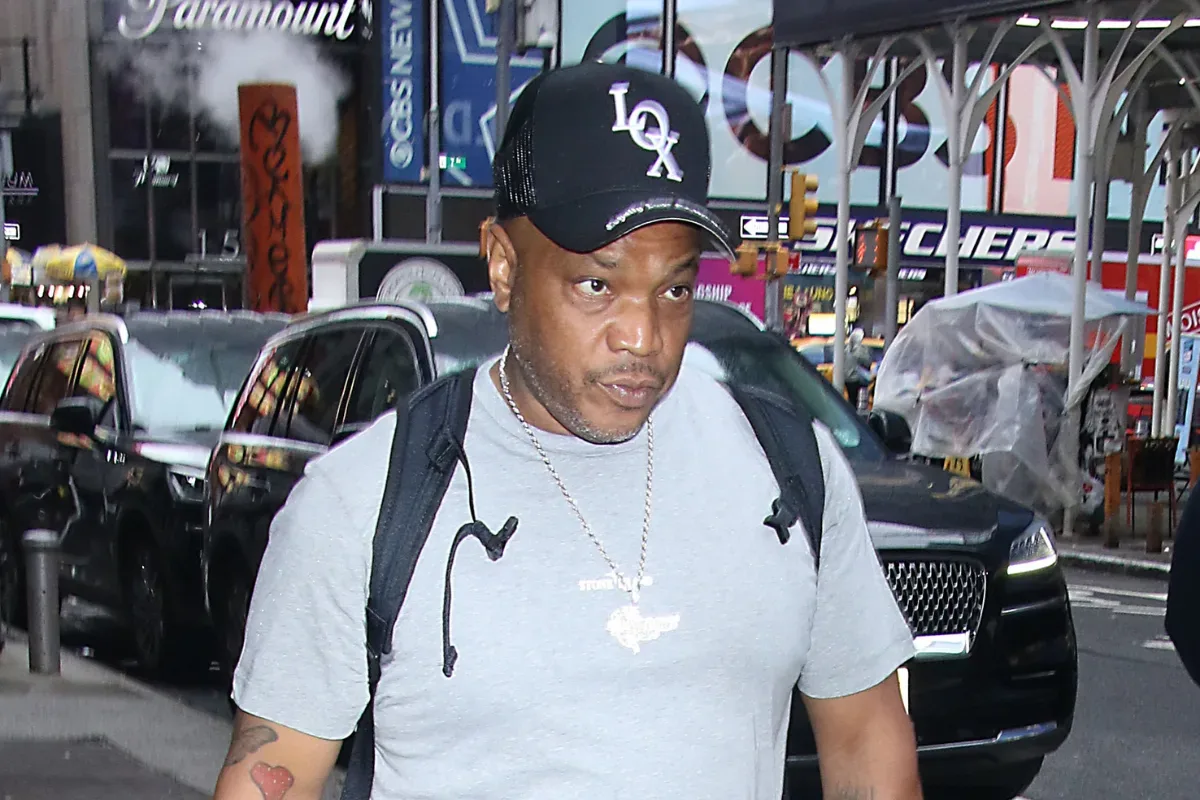
For more coverage of the intersections between rap culture, public debate, and big-money pressures, read why Styles P says big money has distracted hip-hop from the voice it was built to be.
What remains clear
The record here is relatively straightforward. Trump made comments about Minaj’s body during the Port Huron appearance. Rogan had not heard of the incident before Tyrrell raised it on the podcast and responded with astonishment after viewing the clip. Minaj has independently and repeatedly described herself as a Trump supporter, citing his business background, economic trust, stamina, and foreign-relations approach.
Beyond those points, viewers should be cautious about reading a full political reversal, private reaction, or coordinated message into a short public exchange. Rogan’s comments were a reaction. Minaj’s support has been stated in her own words. The attention around both shows how quickly a campaign-stage aside can become a wider entertainment and media conversation.