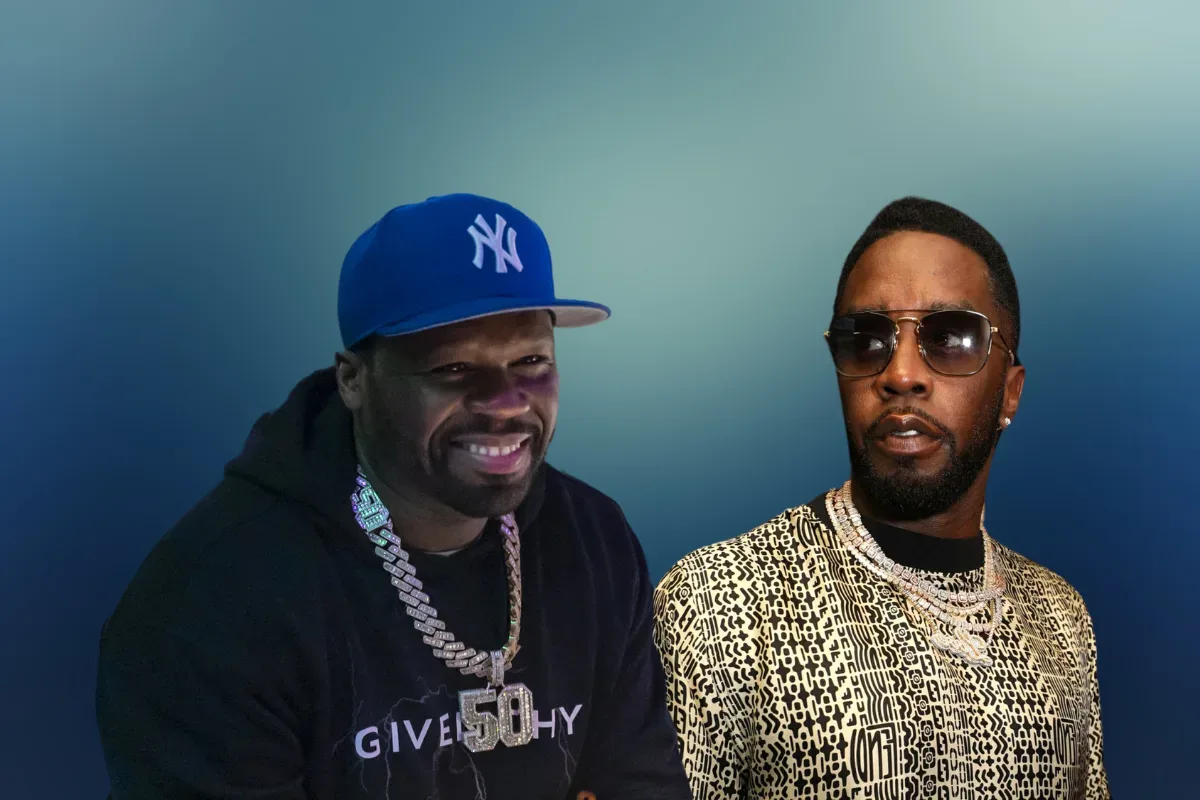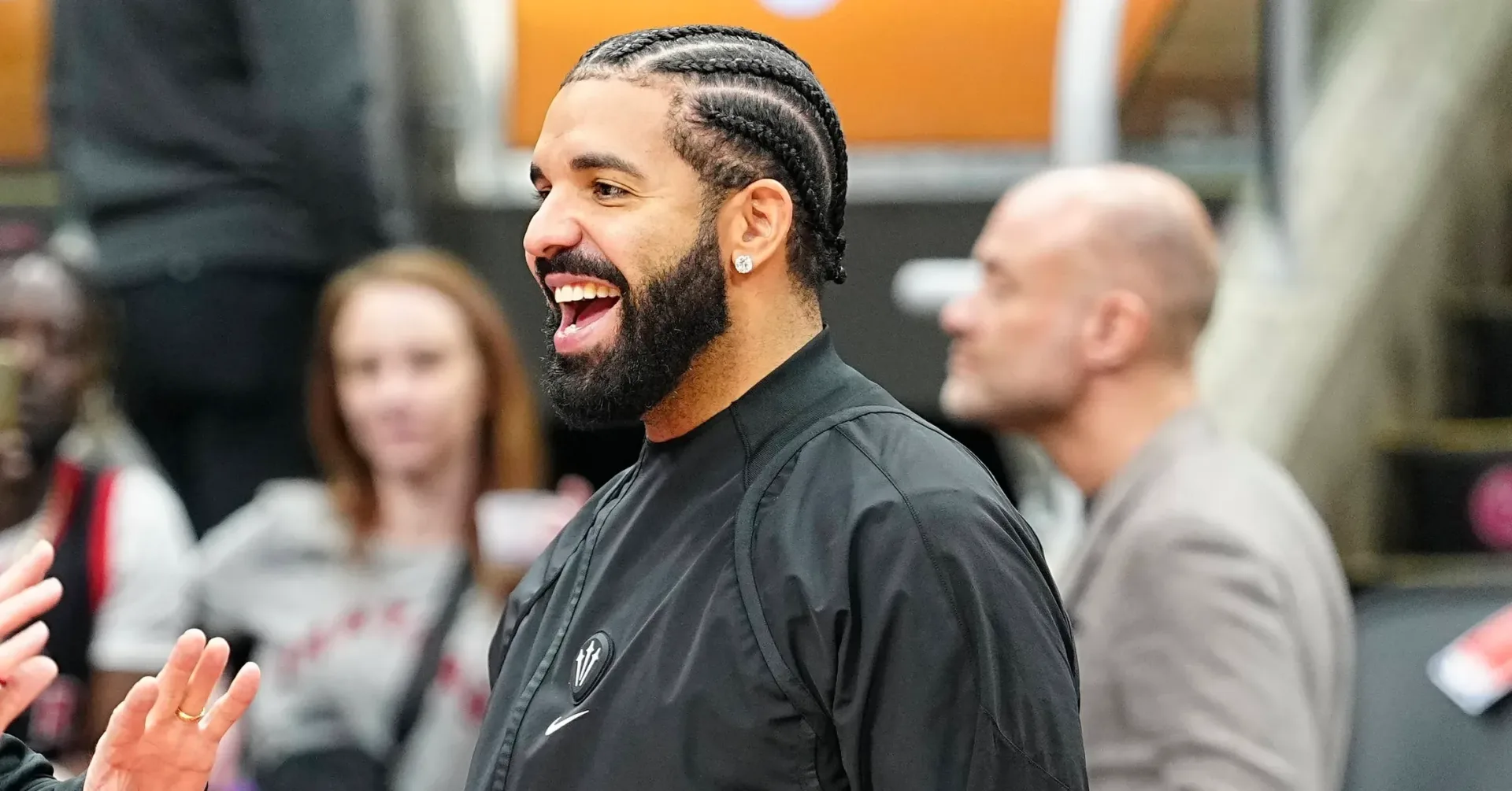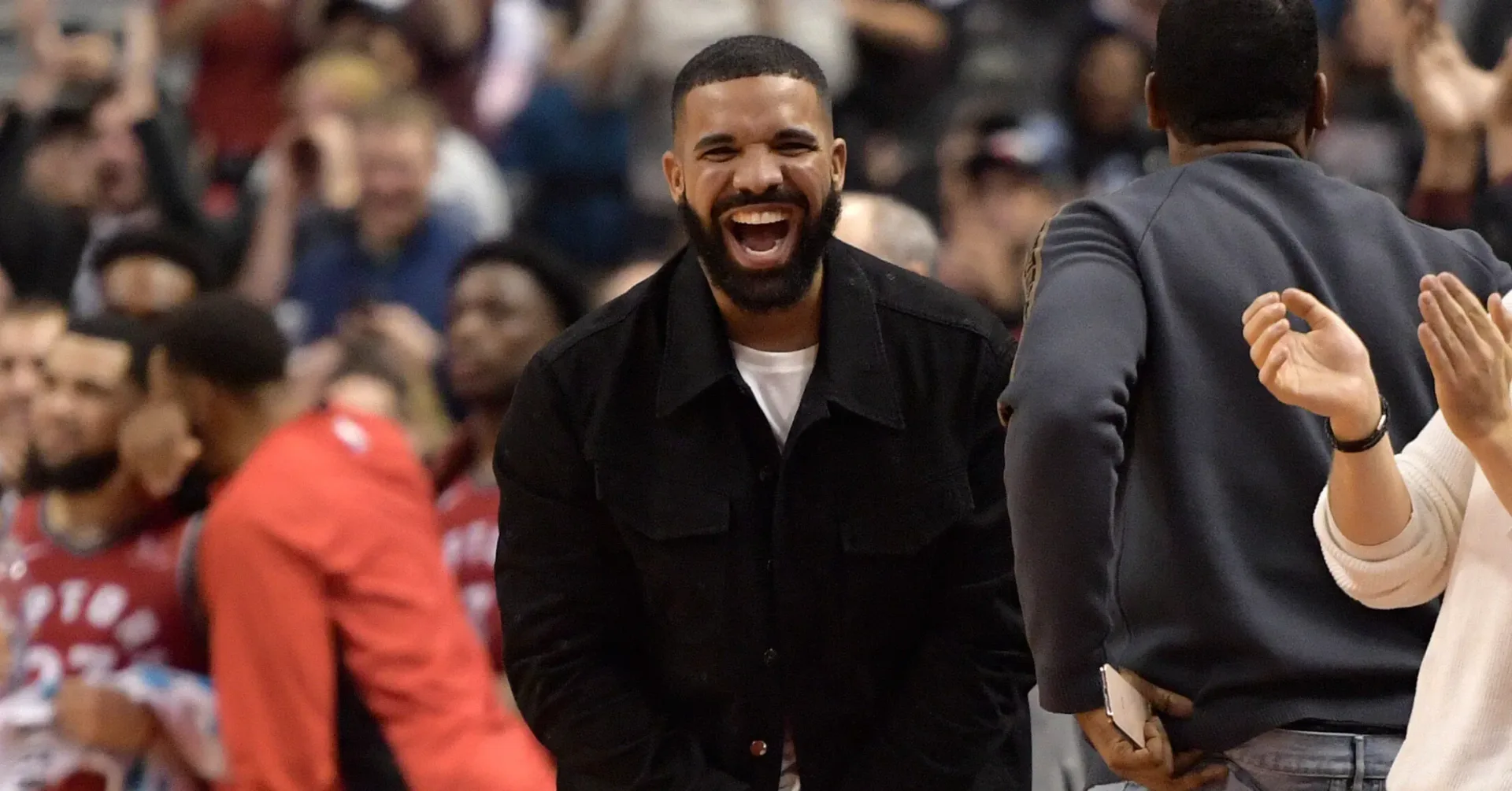
Drake’s teased “FOMO” has already become a useful piece of hip-hop shorthand: a title, a possibility and a giant blank space that listeners are filling with theories. It is not yet clear whether “FOMO,” short for Fear Of Missing Out, is an album, a single, a campaign, or something else entirely. That uncertainty has not stopped the conversation from accelerating, especially after Joe Budden and the panel on The Joe Budden Podcast turned the topic toward one specific wish: Drake taking a more direct shot at Jay-Z.
Budden’s position was not particularly mysterious. If Drake does put out new music under the “FOMO” banner, Budden would like the focus to be Jay-Z. Not a return to the Drake-versus-Kendrick Lamar discourse, not a vague allusion that keeps fans decoding every syllable for weeks, but an overtly competitive record aimed at Hov.
It is the kind of request that makes sense in a culture that loves a clearly defined matchup. A possible Drake-Jay-Z clash carries an instant sense of scale, even though the present situation remains far from confirmation that a proper battle will happen. Fans have connected Drake’s apparent Jay-Z jab on ICEMAN with Jay-Z’s response in his Roots Picnic freestyle, but a line and a freestyle do not automatically create a full campaign of diss tracks. For now, the bigger story is the appetite for escalation.
‘FOMO’ Is a Tease, Not a Confirmed Album
That distinction matters. “FOMO” has been teased by Drake, but there is no firm confirmation in the available details that it is a complete project. Speculation about an album has become common because fans are conditioned to read names, images and rollout moves as clues. Sometimes that instinct is rewarded. Sometimes the supposed album title turns out to belong to a single, a video, merchandise, a tour concept, or a brief moment designed to dominate the timeline.
In this case, Budden likes the name and seems enthusiastic about the potential energy behind it. His read was that the release could represent a more forceful, dominant mode for Drake. Yet the name itself also invites a different reading. “FOMO” can suggest being left out, chasing a moment, or making sure the audience cannot look away. That gives it plenty of potential as an artistic framing device, but it does not reveal anything concrete about the music.
For listeners, the responsible approach is fairly simple: treat “FOMO” as an active tease rather than a finalized album announcement. There is hype, but no verified track list, release date, format, or promise of a Jay-Z diss. That is not a reason to ignore the conversation; it is a reason to separate what has actually been signaled from what fans and commentators hope will follow.
Budden’s Preferred Opponent: Jay-Z, Not Another Kendrick Round
The panel’s discussion makes clear that the fantasy fight being entertained is Drake versus Jay-Z. Parks pushed back from the other side, saying he was tired of battle bars. That response reflects an understandable exhaustion after rap’s recent major conflicts turned every release into a forensic exercise. Diss records can be thrilling, but the constant expectation of them can also reduce songs to scorecards before people have absorbed the music.
Budden, however, did not sound interested in restraint. He argued that the record’s broader subject matter would not matter much to him if it did not contain shots at Jay-Z. His stance was essentially that fans should be looking for Hov-directed bars. He also joked that Jay-Z appeared to be having entirely too pleasant a day, which is the sort of framing that converts a hypothetical diss track into a challenge to disrupt a superstar’s calm.
That is a very particular kind of entertainment logic: the more unexpected and high-status the opponent, the more compelling the spectacle becomes. Drake and Jay-Z represent different generations, different business empires, and different places in rap’s long-running hierarchy debates. A direct exchange would create instant arguments about discographies, lyricism, cultural influence, strategy and who has more to lose.
Still, the gap between “this would be fascinating” and “this is occurring” is substantial. Marc Lamont Hill expressed skepticism that the confrontation would materialize. The group also rejected the idea that the timing of the “FOMO” tease necessarily had anything to do with Jay-Z’s recent activity, despite Ice raising that possibility. The discussion therefore stayed where it belongs: in the realm of scenario-building rather than confirmed cause and effect.
What Does Winning a Rap Battle Mean?
Once the theoretical matchup came up, the conversation moved to an even harder question: what would a Drake win over Jay-Z actually look like? Ice argued that Drake could win if he had learned from his last battle, arrived better prepared and executed more effectively. Hill disagreed, while Ish questioned the premise of defining a winner at all.
That may be the sharpest point in the entire debate. Rap battles are competitive art, but they do not come with a neutral referee, a fixed scoring rubric, or an agreed-upon finish line. The audience decides, except there is never one single audience. One group prioritizes technical rapping. Another rewards the biggest record. Some listeners value cultural impact, while others care most about humor, timing, accusations, replay value, or a knockout phrase that becomes impossible to escape.
Mona’s view that the people choose the winner gets to the core of it, but “the people” are rarely unanimous. Both Drake and Jay-Z have enormous, committed audiences with distinct reasons to defend them. Their supporters would arrive with different expectations before either artist released a word. That does not make a result impossible, but it makes a universally accepted verdict unlikely.
Hill’s argument that Drake is unlikely to be overwhelmingly defeated also avoids the most simplistic prediction. Competitive narratives often push toward an all-or-nothing declaration: one artist is “washed,” the other has delivered a career-ending blow, and the debate is supposedly over. Reality is usually messier. Major stars have deep catalogs, loyal fan bases and the ability to frame their own next move. Even a record that lands badly with one crowd can find another audience that sees it completely differently.
The ‘Not Like Us’ Comparison Shows the Stakes Fans Imagine
Ice also suggested that Drake, of the two potential opponents, might be the artist capable of delivering a “Not Like Us”-style finishing move. The comparison is revealing because it is less about copying a song’s sound than about chasing its cultural function: a concise, widely repeated record that turns a complicated dispute into one devastating public narrative.
Ice floated a possible angle involving Jay-Z’s relationship to the communities he represents. Ish countered that Drake could risk looking hypocritical by pursuing that line, while Ice and Mona did not agree with that objection. The back-and-forth demonstrates why hypothetical diss analysis can get slippery fast. A proposed angle may seem formidable on paper, but delivery, credibility, context and an opponent’s response determine whether it actually works.
There is also a meaningful difference between predicting an effective angle and claiming one will be used. Nothing in the “FOMO” teases confirms that Drake has written such a bar, much less built a release around it. For now, it remains panel speculation about how a contest could be fought.
Why the Uncertainty Is Fueling the Conversation
Ambiguity is doing a lot of the work here. If “FOMO” were fully defined, fans could judge the music on the music. Instead, every possibility remains open: maybe there is a project, maybe it contains direct responses, maybe it is unrelated to Jay-Z, or maybe it is not a music release at all. In that empty space, podcast debates become part of the event.
That does not mean the speculation is meaningless. It shows what listeners want from Drake’s next move: confidence, a decisive creative statement and, for some, a confrontation that feels distinct from revisiting the Kendrick Lamar battle. Budden’s call for Jay-Z shots is the loudest version of that desire. Parks’ battle-bar fatigue is the necessary counterweight.
Until Drake clarifies what “FOMO” is, both reactions can coexist. Fans can be intrigued by the possibility of heavyweight rap competition while resisting the urge to declare a battle underway before the records exist. The title has the room buzzing; the actual release, whatever form it takes, will determine whether that noise becomes music or stays a very effective rumor engine.
For another recent music-and-entertainment story on the site, read about the Creative Arts Emmy recognition for Sean Combs: The Reckoning.