Sean Combs: The Reckoning, the four-part Netflix documentary associated with Curtis “50 Cent” Jackson, has received an Emmy for Outstanding Picture Editing for a Nonfiction Program at the 78th Creative Arts Emmy Awards. The honor specifically recognizes the construction and editing of the series, not a finding on every allegation explored within it.
The credited editing team is Charles Divak, Evan Wise, Jack Gravina, Benji Kast, Adam Goldstein, Jonathan Miller, and Jeremy Siefer. In a nonfiction project built around a sprawling entertainment-business history, interviews, archival material, legal claims, and footage from a pivotal period, that category matters: editing is where chronology, evidence, competing accounts, and emotional momentum have to coexist without becoming an incoherent pile of headlines.
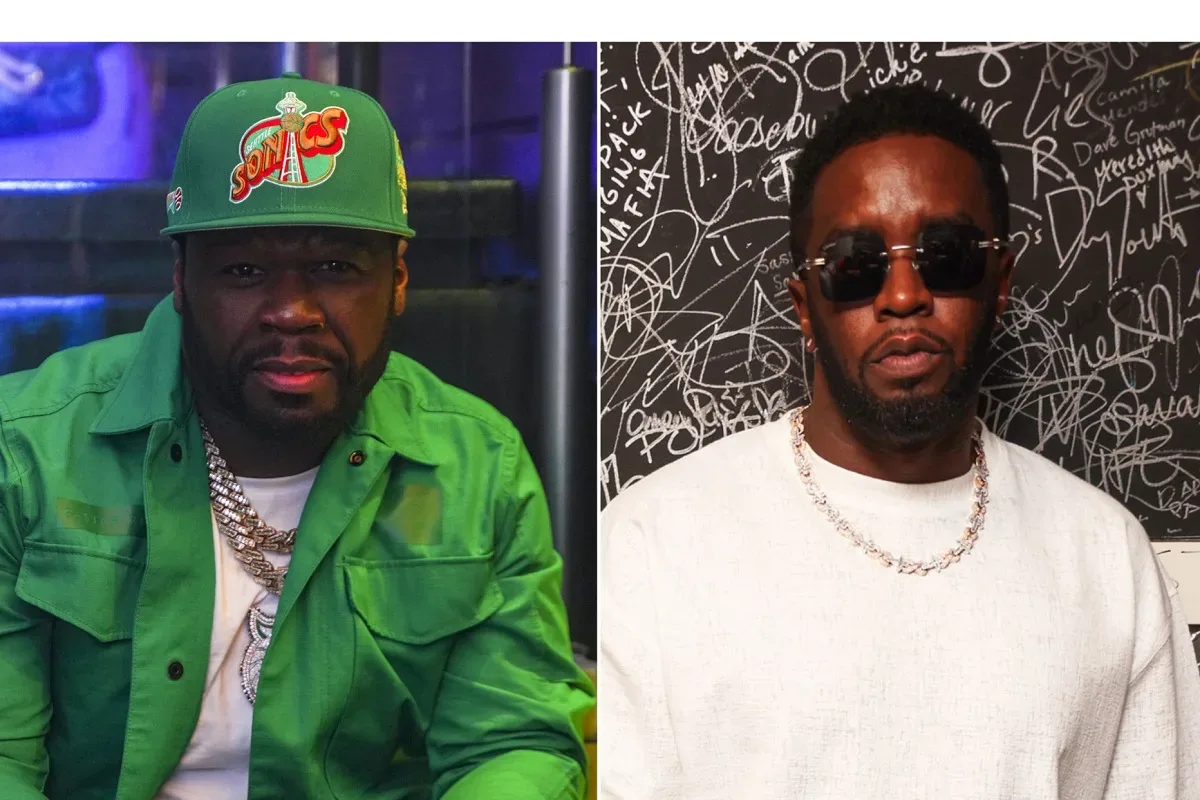
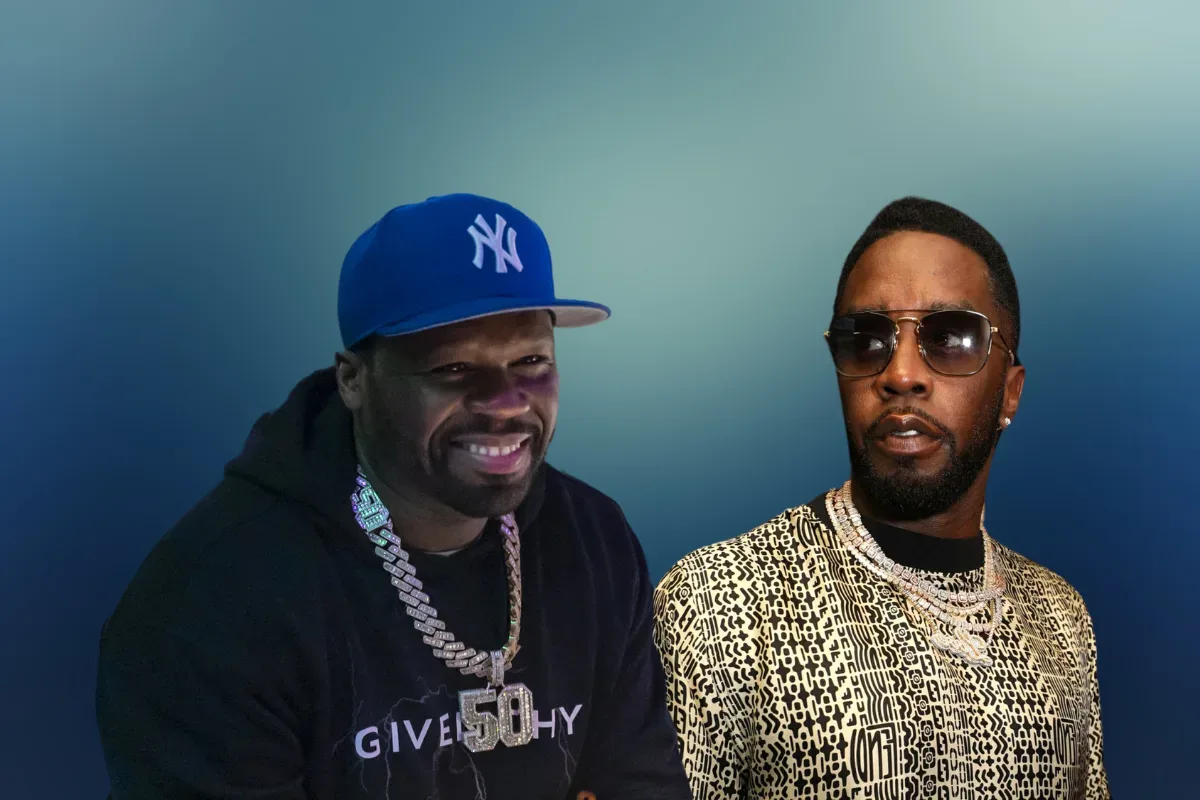
Jackson celebrated the win publicly, presenting it as an answer to the people who had dismissed the project because of his long-running public conflict with Sean “Diddy” Combs. That dispute has remained central to the conversation around the documentary, even as the Emmy places the work in a narrower professional context. An editing award recognizes craft. It does not settle the wider arguments about the series’ perspective, underlying assertions, or the people behind it.
What the Emmy actually recognizes
Documentary editing is often invisible when it works well. Viewers may see a clean narrative, but the editors are the people deciding how a subject’s past is introduced, when testimony appears, how onscreen documentation is contextualized, and how the program signals the difference between verified events, personal recollections, and allegations.
That distinction is especially important for Sean Combs: The Reckoning. The series follows Combs’ rise through Bad Boy Entertainment and examines his relationships with artists and employees, alongside allegations of sexual misconduct and abuse connected to his business world. Its interview subjects include former employees, artists, associates, and people who brought civil cases.
The allegations discussed in the production include sexual assault, coercion, domestic violence, intimidation, and pressure within professional circles. Those assertions are serious, but viewers should not mistake documentary testimony or civil allegations for criminal findings. A program can document claims and disputes while the legal and factual status of individual claims remains separate from the storytelling itself.
For a series carrying this much history and controversy, the Creative Arts Emmy points to the challenge of shaping a coherent nonfiction narrative. It is not an endorsement of every conclusion a viewer, participant, producer, or critic may draw from it.
Footage from the months before the 2024 arrest
One major point of interest in the documentary is previously unseen material recorded shortly before Combs’ September 2024 arrest, at a time when federal scrutiny and civil litigation surrounding him were escalating. The footage was reportedly made by Combs’ videographer and later obtained by the filmmakers.
Director Alexandria Stapleton has said the production obtained the material legally and possessed the necessary rights, while also taking steps to protect the videographer’s identity. That explanation did not end the controversy. Combs’ representatives challenged the project’s account and objected to its use of footage, while also arguing that the program advances a one-sided case.
Combs’ spokesperson Juda Engelmayer described the project as driven by a one-sided narrative and said it repeated allegations without adequate context, evidence, or verification.
That criticism is part of the documentary’s unavoidable backdrop. Its association with 50 Cent gives detractors a ready argument about motive, while supporters can point to the scope of its reporting, interviews, and material assembled for the series. The Emmy does not erase either position. Instead, it adds an industry accolade to a project that has always been discussed as much for its messenger as for its method.
The Tupac and Biggie section requires particular care
Among the documentary’s most consequential passages are claims relating to the deaths of Tupac Shakur and The Notorious B.I.G. Former Bad Boy co-founder Kirk Burrowes appears in the series and alleges that Combs was jealous of the friendship between the two rappers. Burrowes goes further, expressing his personal belief that Combs had a role in Tupac’s death.
Those are allegations and personal assertions, not criminal findings against Combs. Combs has repeatedly denied involvement in Tupac Shakur’s killing. Given the gravity of the subject, that distinction should remain front and center in any discussion of the series. A documentary can present a participant’s account, but presenting an account is not the same thing as proving it.
This is also where editing carries an outsized responsibility. Cutting among interviews, historical footage, narration, and present-day context can powerfully shape how an audience receives an assertion. The Emmy-recognized team’s work is therefore likely to remain part of the broader conversation: not merely whether the series is compelling, but how it organizes claims that audiences may experience as emotionally and culturally enormous.
Combs’ current criminal case context
Combs is serving a 50-month federal sentence after a jury convicted him on two counts involving transporting people across state lines for prostitution. The jury acquitted him of racketeering conspiracy and sex trafficking charges. Those verdicts, convictions, and acquittals are distinct from the many allegations recounted in the documentary and from unresolved public debate around its presentation.
As of September 6, 2026, Bureau of Prisons information listed a projected release date of February 5, 2028, from FCI Fort Dix in New Jersey. That legal reality inevitably changes how the documentary lands with viewers. The series is not just a retrospective on the Bad Boy era; it arrives amid the aftermath of criminal proceedings and ongoing arguments over reputation, responsibility, evidence, and media framing.
For readers following how active criminal cases intersect with popular music coverage, the wider conversation around legal process and jury instructions remains significant. Recent reporting on the Lil Durk trial’s path toward closing arguments offers another example of why it is essential to separate accusations, courtroom procedure, convictions, acquittals, and possible appeals rather than compressing them into a single narrative.
A win for the team, amid a debate that will continue
The Creative Arts Emmy is a tangible recognition for the seven credited editors and the nonfiction production they helped assemble. It also gives Jackson a conspicuous response to criticism that a program tied to his rivalry with Combs could not be taken seriously on its own terms.
Yet the award’s meaning has limits, and those limits are worth acknowledging. It does not invalidate objections from Combs’ representatives about fairness or authorization. It does not convert interviewee testimony into established fact. It does not resolve the claims involving Tupac Shakur, The Notorious B.I.G., or the many people whose allegations are included in the program. And it does not turn an editing prize into a legal judgment.
What it does show is that the Television Academy’s voters recognized the program’s editorial execution in an intensely difficult nonfiction category. For Sean Combs: The Reckoning, that is a notable milestone: a prestige award attached to a series whose content, contributors, production choices, and association with 50 Cent ensure that public scrutiny will not fade anytime soon.