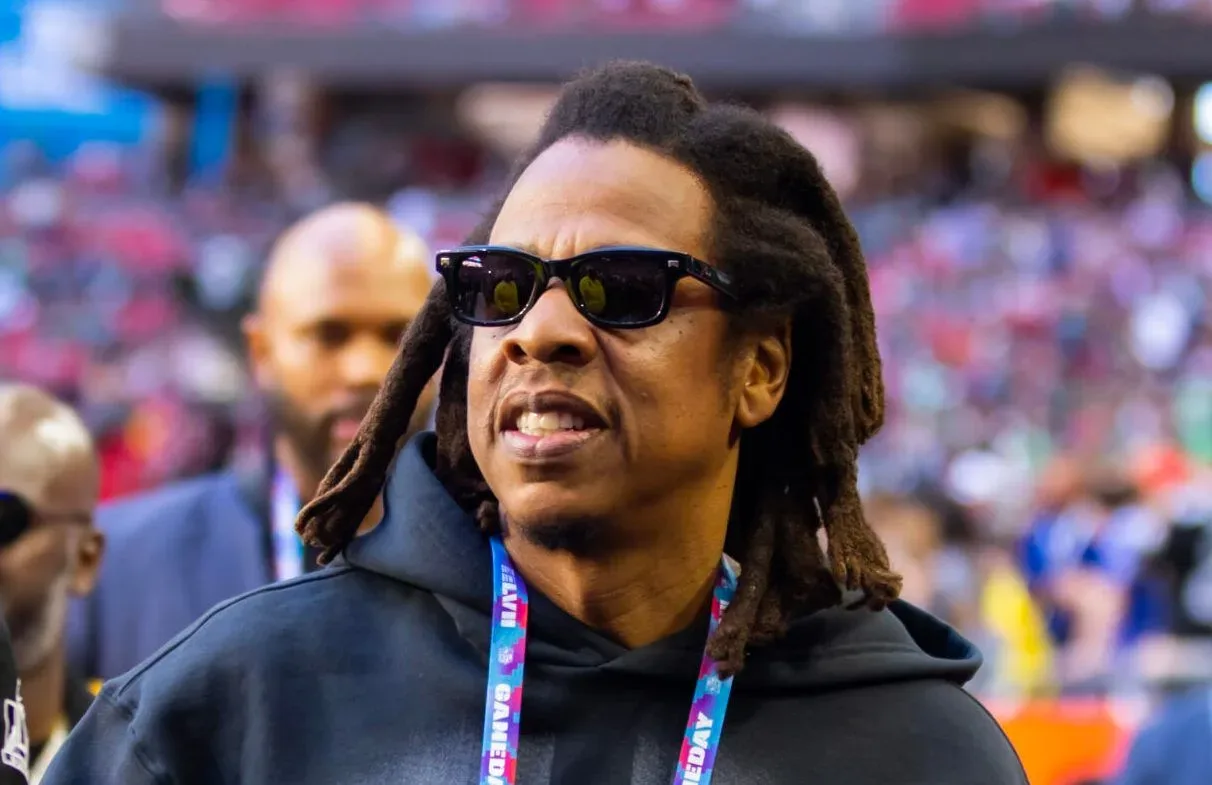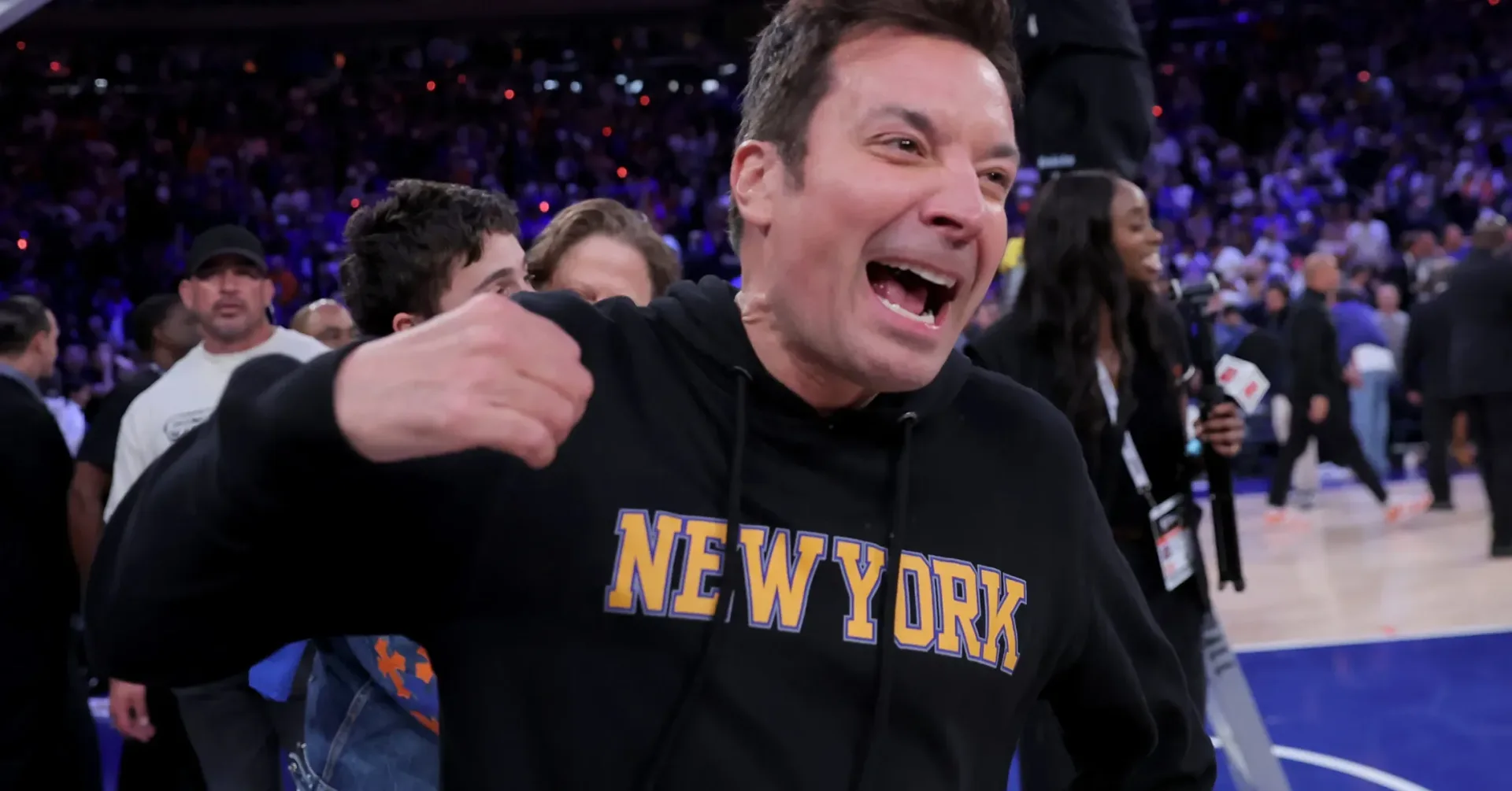
Jimmy Fallon has turned the online debate around a reported JÄY-Z Super Bowl halftime-show booking into late-night comedy, but the central detail remains unresolved: the NFL has not confirmed that JÄY-Z will perform.
Reports have claimed that JÄY-Z selected himself for next year’s halftime slot. That possibility has prompted a split response, with some people framing the alleged choice as self-serving and others arguing that his hit catalogue and potential guest appearances could make for a major television event. Fallon addressed the report during an opening monologue on The Tonight Show, where the audience response included laughter and groans before he followed with a joke built around JÄY-Z having a brief conversation with himself.
It is an effective setup for a monologue because the supposed conflict is simple and instantly legible: an artist linked to the decision-making process may also be the reported performer. But it is important not to turn a comedy segment into confirmation. Fallon was reacting to a circulating report, not presenting an NFL announcement, and the available information does not establish that a final halftime booking has been made.
What is actually known about the reported halftime show
The evidence supports a narrow account. People close to the situation have reportedly said JÄY-Z is expected to take the Super Bowl halftime stage next year. The NFL, however, has not publicly confirmed the decision. That leaves the story in the realm of a reported booking rather than an official lineup reveal.
The distinction matters because a halftime show is not merely another concert date. It is a broadcast performance designed for an enormous and varied audience. A reported performer can become the subject of instant enthusiasm, criticism and jokes long before the event’s details are settled. None of those reactions, including a studio audience’s response to a punchline, tells viewers whether the booking is final.
Nor does the report establish a set list, special guests, production plan, timing, or any other specifics. Supporters have pointed to JÄY-Z’s long career, extensive list of recognizable songs and relationships with prominent collaborators as reasons a potential show could have broad appeal. Those are arguments about the possible shape of a performance, not confirmed elements of one.
Why Fallon’s joke landed
Late-night monologues often work by taking a complicated entertainment-business story and reducing it to its most awkward apparent premise. In this case, the premise is the perception that JÄY-Z may have been involved in choosing the halftime act and then, allegedly, chose JÄY-Z. Fallon’s joke leaned directly into that perceived self-dealing angle.
That framing is not the same as an accusation proven by the report. It is the comic interpretation of an unconfirmed claim. The laughs and groans heard in the room show that the premise was recognizable to that audience in that moment. They do not demonstrate a nationwide verdict on either JÄY-Z or a performance that has not been officially announced.
Related coverage includes Jimmy Fallon Jokes About Reported JÄY-Z Super Bowl Halftime Set.
There is also a difference between laughing at the mechanics of a joke and rejecting the performer. A viewer may find the idea of someone “appointing himself” funny while still wanting to hear the music. Conversely, a person who likes the joke may simply be reacting to the novelty of the report rather than passing judgment on JÄY-Z’s standing as an artist.
Audience reaction is not audience research
It is tempting to treat any loud crowd response as a referendum, especially when the Super Bowl is associated with mass viewership. That leap goes further than the available evidence. A studio audience is a particular audience, responding in a setting built around quick reactions to comedy. Its laughter and groans cannot establish whether people across different age groups, regions and musical tastes would embrace or reject a prospective halftime set.
Online reaction has similar limits. Social platforms can surface passionate supporters, determined critics and people who are mainly participating in a fast-moving joke. The volume of posts or replies does not automatically measure the size or intensity of broader public opinion. The source material itself notes that social-media negativity can be driven by the incentive to attract attention and engagement.
The practical takeaway for anyone following the story is straightforward: separate three different things that are currently being blended together.
- The report: JÄY-Z is said to be the likely performer, based on unnamed people close to the situation.
- The confirmation status: the NFL has not confirmed the halftime booking.
- The reaction: commentators, online users and Fallon’s audience have responded to the idea, not to an officially detailed event.
What “broad appeal” means for a halftime performance
The halftime show carries an unusually broad expectation because it must operate as a television spectacle for people who may not follow the featured artist closely. That does not mean every viewer needs to know every song. It does mean that recognition, momentum and a clear performance concept can become central to the public conversation.
JÄY-Z’s supporters in the current debate make a straightforward case: he is a major figure with enough hits to draw from, and the possibility of blockbuster collaborators could expand the show’s reach. Critics focus less on whether he has a catalogue and more on the reported selection process, arguing that an artist choosing himself looks inappropriate or overly convenient.
Those positions answer different questions. One asks whether JÄY-Z could deliver a compelling halftime show. The other asks whether the reported path to the booking would be acceptable. Fallon’s monologue focused on the latter because it offers the sharper joke. It did not settle the former.
The discussion also underlines how pop-culture news can become a story before the underlying event is official. A rumor or report gains momentum; audiences react to the premise; entertainment programming makes the premise part of the day’s conversation; then the conversation itself can appear bigger and more settled than the original information warrants. For another example of how music-business questions can intersect with a public local debate, see this report on 50 Cent and Shreveport studio commitments.
What to watch for next
The next meaningful development would be an official NFL confirmation. Until that happens, claims about the performance should be described as reports rather than settled fact. If a booking is confirmed, the questions will likely shift from whether JÄY-Z is performing to what kind of show he might assemble: which songs would represent his career, whether collaborators would appear, and how the production would aim for the wide audience associated with the event.
For now, Fallon’s monologue is best understood as a snapshot of the story’s early, uncertain phase. The alleged booking has created enough attention to become an easy target for a late-night punchline. It has not yet become an officially confirmed Super Bowl halftime-show announcement.