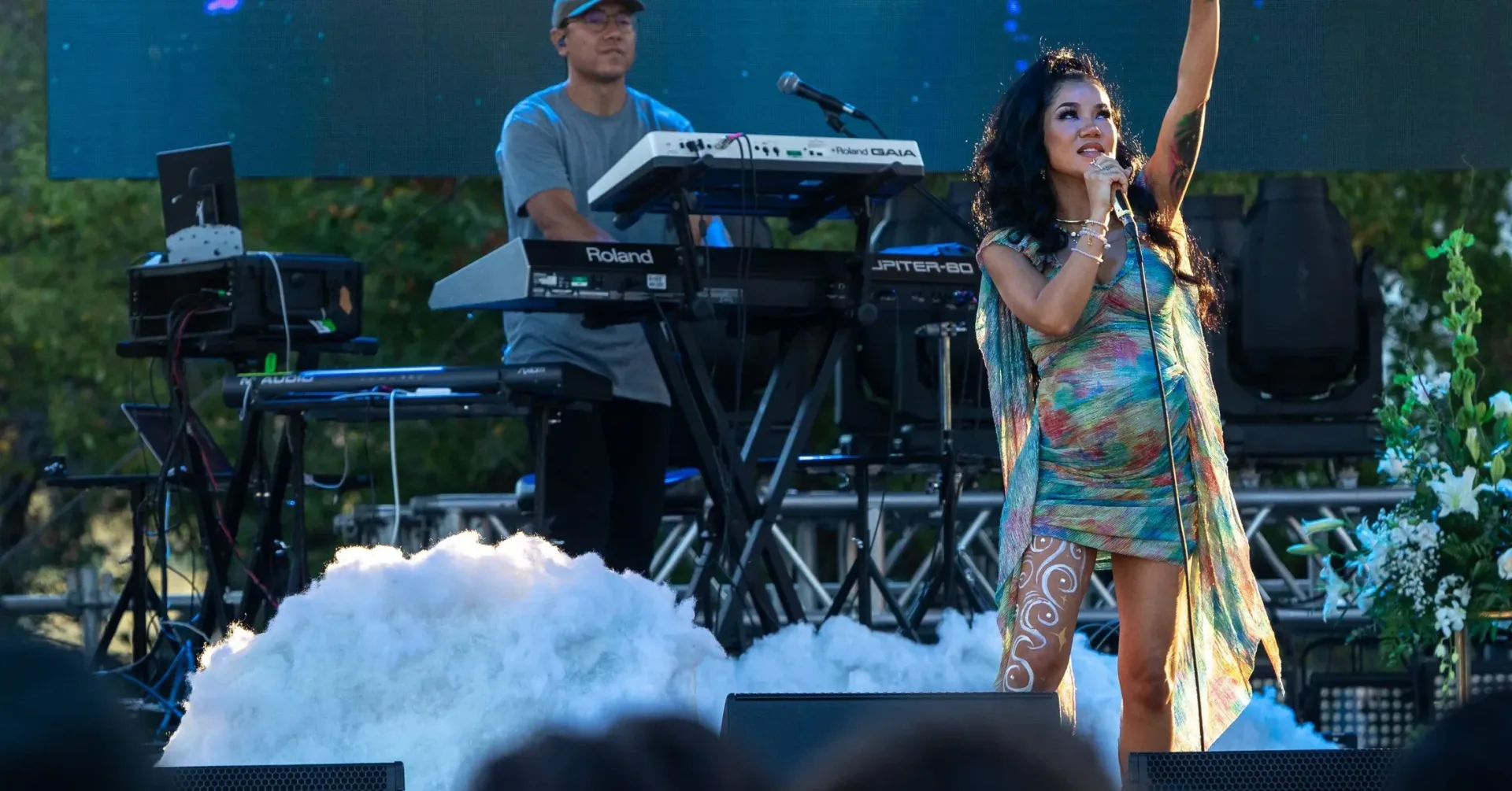
Jhené Aiko has moved quickly to separate her new music from one of the internet’s favorite pastimes: assigning every sharp lyric to a famous ex. After listeners began reading “He Belongs,” a song from her newly released Westside Whimsey, as a message aimed at Big Sean, Aiko gave a direct answer on Threads. Her response was uncomplicated: the song is not about him.
The clarification arrived after fans circulated a passage from the track that frames the limits of trying to make an unstable relationship permanent. Those lines encouraged plenty of speculation because Aiko and Big Sean’s history is so well known, and because pop audiences have become trained to approach intimate songwriting like a scavenger hunt. One suggestive phrase becomes a clue, a clue becomes a theory, and a theory can become an accepted online narrative before the artist has had a chance to say anything at all.
In this case, Aiko did say something. When a social-media account attached Big Sean’s name to the lyrics, she replied that the song was not about him. She also answered “No” when asked whether the album spends its running time tearing into him. That does not require listeners to stop discussing the music’s themes, its tension, or its emotional specificity. It does mean the central claim of a Big Sean diss record has been denied by the person who made it.
A clear answer to a very familiar theory
“He Belongs” contains language about a fling failing to become something real, promises not turning into a wedding ring, and doubts about a man becoming a husband. It is easy to understand why some listeners connected those themes to a public former relationship. Yet songs frequently use first-person narration, composite characters, metaphor, memory, fiction, and feelings that outlive or exceed any one person. A lyric’s intensity is not evidence of a named target.
Aiko’s comments provide the most useful boundary available here. She has denied that “He Belongs” is about Big Sean, and she has rejected the broader idea that she made Westside Whimsey to drag the father of her son. Some other lyrics on the project have still been interpreted as possible references, but she has not individually addressed every line fans have placed under the microscope. That leaves room for musical interpretation, not room to turn unverified guesses into facts.
Big Sean had not publicly responded to the conversation at the time these reactions began spreading across X and Instagram. His silence is not a confirmation, denial, or hidden verse waiting to be decoded. It is simply silence. Internet disputes often expand because people treat a lack of comment as another clue; here, Aiko’s own statements are the relevant public record.
Westside Whimsey ends a six-year album gap
The debate has also put fresh attention on the larger release. Westside Whimsey is Aiko’s first album in six years, following 2020’s Chilombo. She revealed the project earlier in the week and then released it in full. A six-year interval naturally raises the stakes around a new album: audiences arrive expecting a personal update, a creative pivot, a long-awaited answer, or ideally all three wrapped in a tracklist.
That anticipation can make every piece of phrasing feel loaded. For artists whose work is associated with emotional candor, fans often listen with an especially biographical ear. But candid music still has a distinction between an emotional truth and a literal report. The idea that a relationship did not become what someone hoped it would become can be broadly resonant without serving as a dispatch about one recognizable person.
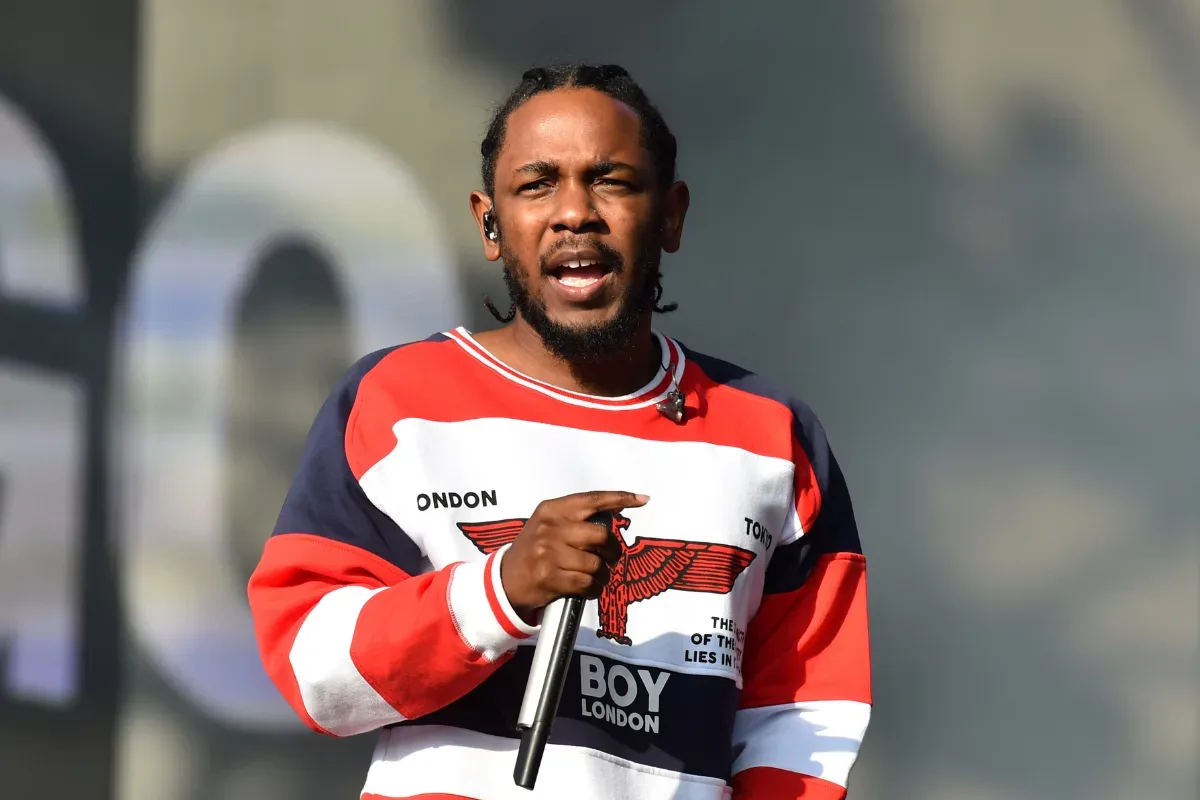
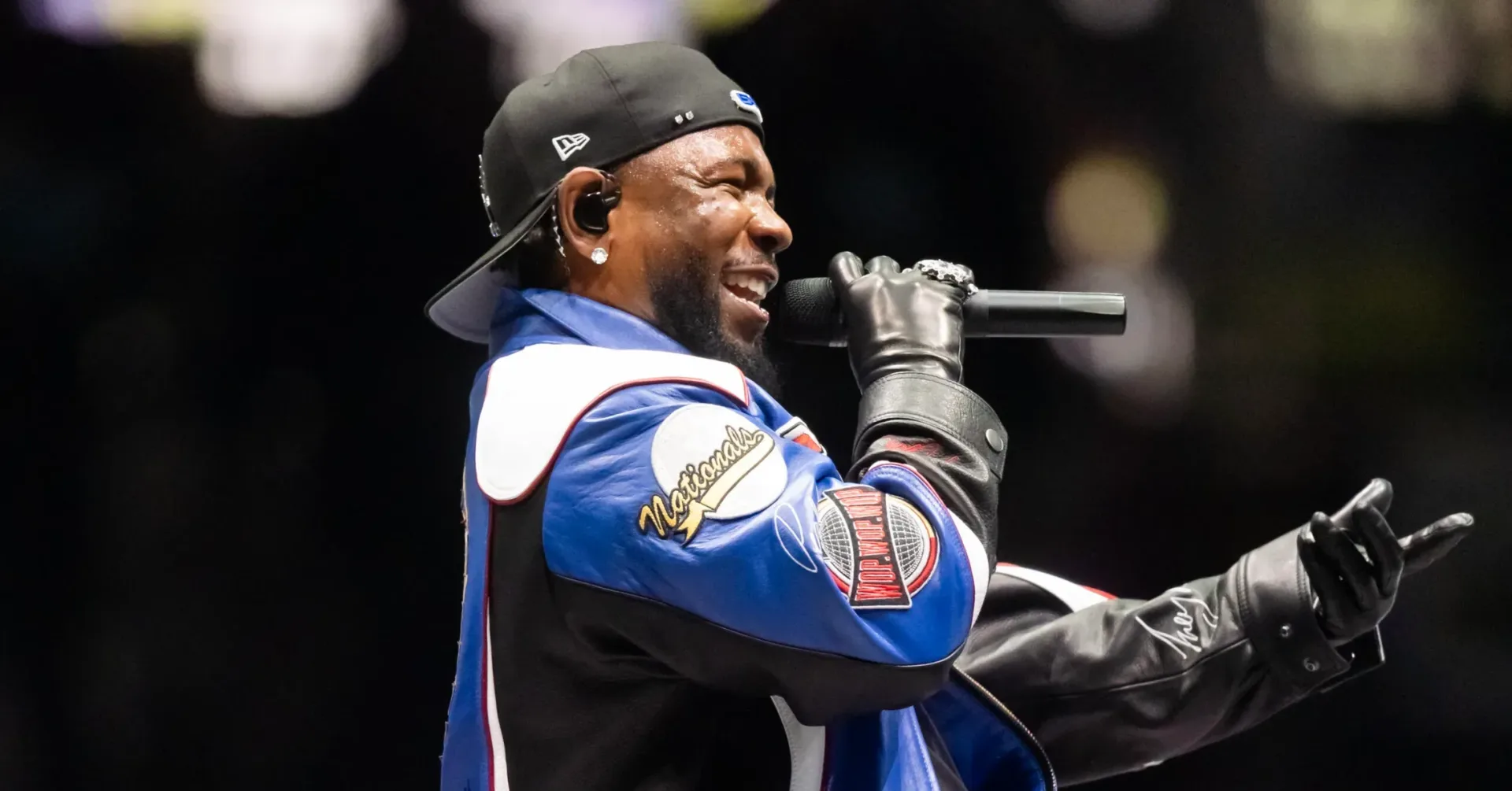
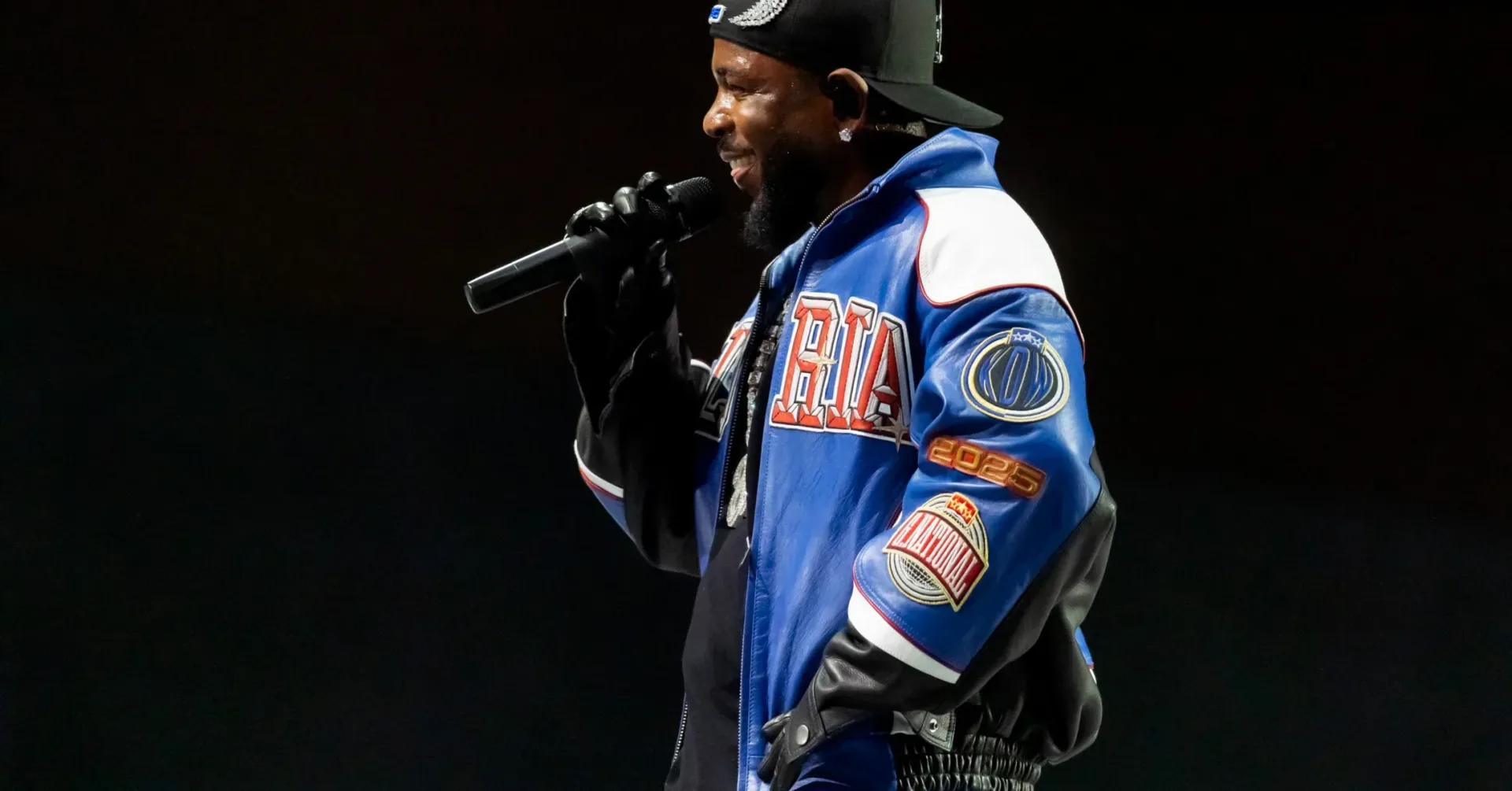
The album’s guest list includes Ab-Soul, Tyga, Kendrick Lamar, and Larry June. Kendrick Lamar’s presence also links this release to a wider conversation around his ongoing screen work; his Paramount comedy remains without a scheduled release after several delays. That separate project’s uncertain timetable is a reminder that major artists can generate speculation across multiple formats at once, whether the topic is a release date, a collaboration, or a perceived hidden meaning in a lyric.
The supplied details around “California Dream” indicate that Aiko and Larry June confirmed a relationship in August, though that wording does not provide further context about the confirmation. What is clear is that Larry June is listed among Westside Whimsey’s featured artists. Beyond that, the music itself—not the social-media detective board—is the solid place to start.
Why breakup narratives stick so easily
Breakup rumors are an efficient engine for online engagement. They create a simple story with familiar roles: the ex, the alleged insult, the response, the countersong, and the imagined next chapter. Real songwriting is rarely that tidy. An album may hold disappointment beside affection, detachment beside grief, and personal detail beside pure invention. Listeners can connect a song to their own experiences precisely because those feelings are not exclusive to celebrities.
There is also a difference between asking whether art draws from life and insisting that every lyric functions as a court filing. The first question can lead to thoughtful criticism. The second flattens a song into tabloid evidence. Aiko’s response to the Big Sean theory is a useful reminder that the artist retains the right to identify an interpretation as wrong, especially when it names a real person and frames the work as an attack.
That does not make the lyric discussion pointless. Fans can talk about the song’s portrait of unmet expectations, the imagery of commitment, or how the vocal performance gives its words weight. They can compare it with other songs on the album and ask whether recurring ideas form a larger emotional arc. Those are conversations about the record. Declaring an unconfirmed target is a conversation about a rumor.
What is confirmed, and what remains interpretation
- Confirmed: Jhené Aiko released Westside Whimsey, her first album since 2020’s Chilombo.
- Confirmed: Ab-Soul, Tyga, Kendrick Lamar, and Larry June appear as featured artists.
- Confirmed: Aiko said “He Belongs” is not about Big Sean.
- Confirmed: Aiko also denied that the album is a broad attempt to rip into Big Sean.
- Not confirmed: claims that other individual lyrics are aimed at him.
- Not confirmed: any meaning assigned to Big Sean’s lack of a public response.
Let the record be bigger than the rumor
There is a playful, almost game-like impulse behind annotation culture: fans collect references, match patterns, and compete to spot the supposed hidden connection first. In moderation, that kind of close listening can be part of the fun. The problem begins when the game overrides a plainly stated correction. Once Aiko says the song is not about Big Sean, continuing to present it as a confirmed diss is less analysis than refusal to update the theory.
Westside Whimsey has plenty of material to discuss without reducing it to an ex-relationship headline. Its return-after-six-years context matters. Its collaborators matter. The fact that listeners heard relationship anxieties and broken promises in “He Belongs” matters, because it shows the song has struck a nerve. But Aiko’s own clarification matters most when deciding whether those emotions should be attributed to Big Sean.
For now, the simplest read is also the documented one: a new Jhené Aiko album has prompted passionate interpretations, one major interpretation has been explicitly rejected, and no response from Big Sean has been publicly established. Listeners are free to keep unpacking what the songs mean to them. They just should not confuse a compelling theory with the story Aiko has said she is not telling.