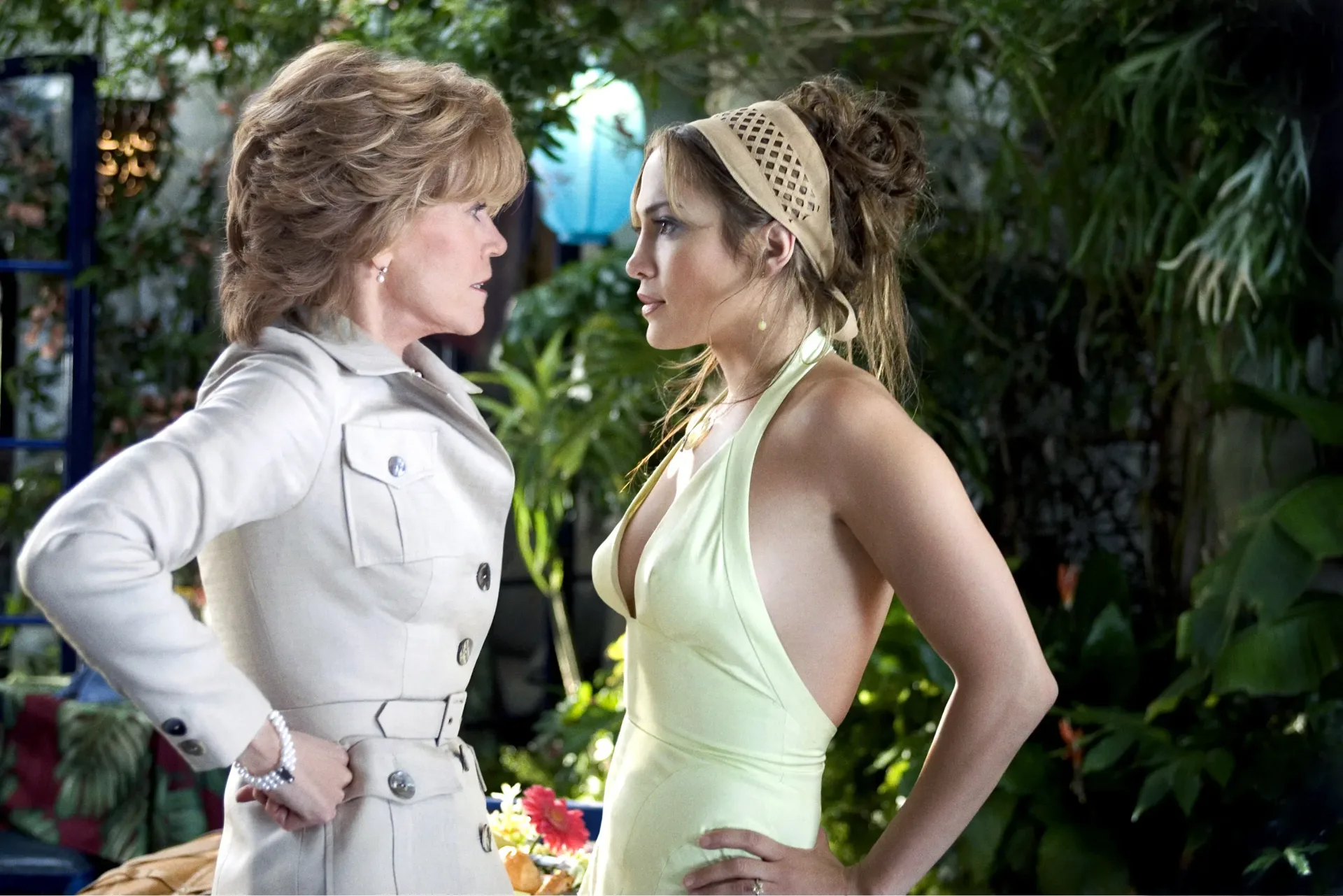
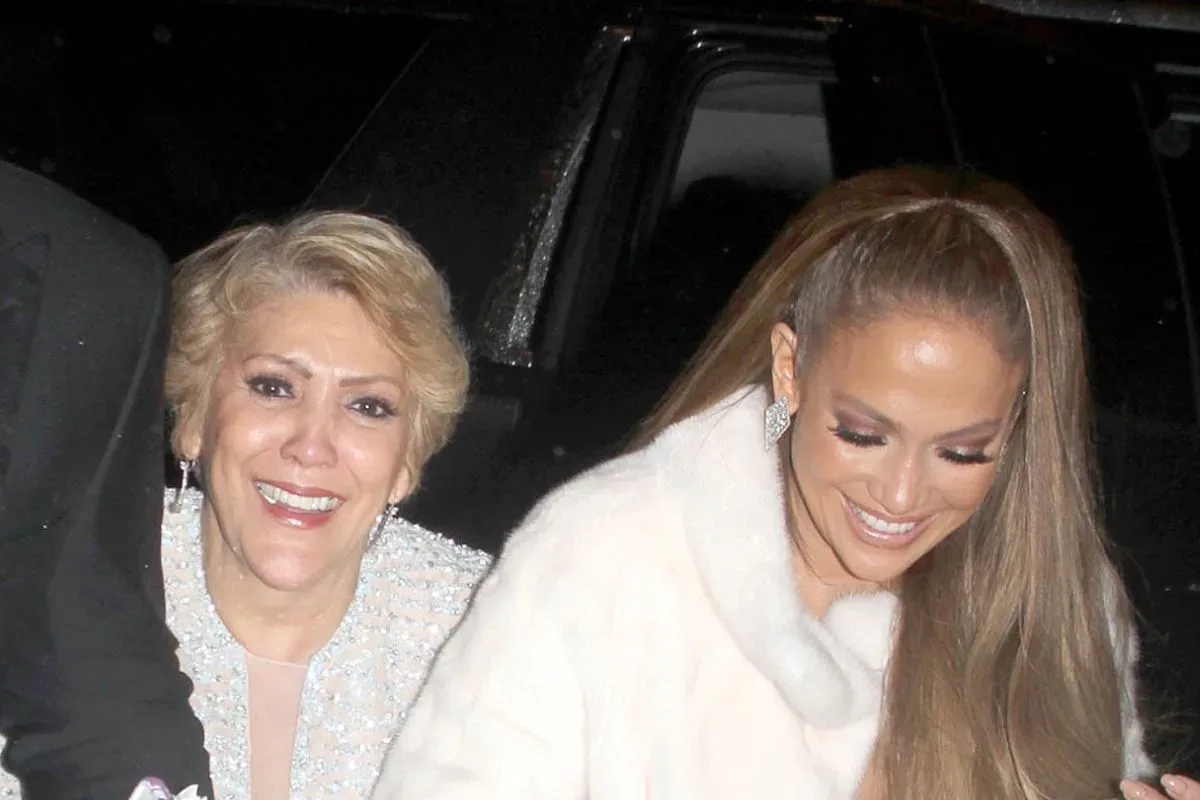
Jennifer Lopez’s decision to hold The JLO Show: Live in Las Vegas for Thanksgiving was not simply a scheduling preference. For Lopez, the holiday carries a specific moviegoing tradition: her mother would put on West Side Story, making the musical an annual family event instead of a title watched at random.
Lopez said she asked for the concert film to be saved from a proposed summer release so she could watch it with her own family on Thanksgiving. That personal connection also explains why the filmed show includes music associated with West Side Story. The selection is part of a concert constructed from several musical lineages: Broadway material, a tribute to Elvis Presley, and Lopez’s own pop catalog.
The two-hour broadcast premieres on CBS on Thursday, November 26, at 8 p.m. Eastern and Pacific. Paramount+ Premium subscribers can watch the CBS airing live through their local CBS station. A longer cut, containing footage not included in the CBS version, begins streaming at 8 p.m. Eastern on Thanksgiving for all Paramount+ subscribers.
A holiday release shaped by a family ritual
There is a meaningful difference between releasing a concert film during a busy summer window and positioning it as Thanksgiving viewing. The latter turns a recorded performance into an occasion: a work intended to be watched together, attached to a date and a family memory.
That distinction matters in Lopez’s account of West Side Story. She described the 1961 film as something her family waited all year to see. In an era when viewers can usually call up a familiar film immediately, the annual tradition gives the viewing a sense of anticipation. Lopez’s choice effectively extends that idea to her own concert movie.
The timing also frames the project less like a standard archive of a Las Vegas residency and more like a program designed for a particular evening. Viewers who choose the CBS broadcast will receive a two-hour version; those watching on Paramount+ can instead access the longer edition. The key practical point is that the streaming version is not merely a delayed replay of the television cut: it includes material omitted from CBS.
Rita Moreno’s influence connects the performance to representation
Lopez has described Rita Moreno’s performance as Anita in the 1961 adaptation of West Side Story as formative. Seeing Moreno, who shared Lopez’s Puerto Rican heritage, gave her a powerful sense that such a career path was possible. The importance of that response goes beyond admiration for a famous performance. It is about recognition: seeing an artist with a related background occupy a central, memorable role on screen.
Moreno won the Academy Award for best supporting actress for Anita, becoming the first Latina to receive an Oscar. Lopez later credited Moreno’s work with helping build her confidence when Moreno presented her with the GLAAD Vanguard Award.
Related coverage includes Why Jennifer Lopez Saved Her Vegas Concert Film for Thanksgiving.
That history gives the West Side Story material in The JLO Show: Live in Las Vegas more weight than a straightforward musical reference. It is a tribute to a work Lopez watched at home, but it is also an acknowledgement of the performer who helped her imagine a future in entertainment. The show’s Thanksgiving placement brings both strands together: private family ritual and public artistic influence.
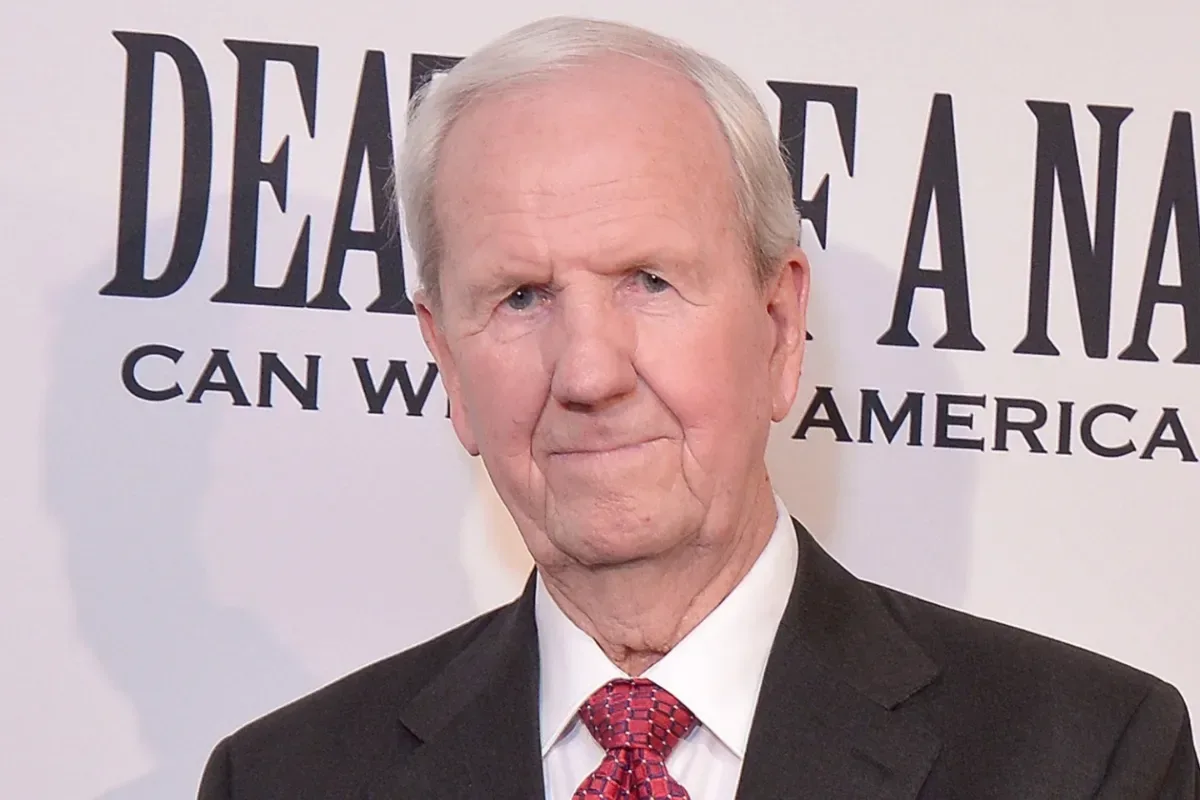
Film and performance legacies often travel this way—through individual viewings, memories, and the people who feel newly represented by what they see. For another perspective on how screen work can leave a lasting cultural footprint, read about Gerald R. Molen’s career as an Oscar-winning producer.
What the concert film contains
The filmed performance comes from the final night of Lopez’s 12-show engagement at the Colosseum at Caesars Palace. Cameras captured the March 28 finale. Rather than presenting only a run of Lopez hits, the concert is organized into four acts and uses a larger live-performance framework: an orchestra, a vocal ensemble, and 16 dancers.
The arrangement is significant because it describes the scale of the production without reducing it to a playlist. An orchestra brings instrumental color and can support theatrical interpretations; a vocal ensemble expands the sound beyond a solo vocal; and a 16-dancer cast signals that choreography is a major structural piece of the show. Together, those components place the event in the space between a pop concert and a stage-musical presentation.
Lopez’s own songs include:
- “Waiting for Tonight”
- “Love Don’t Cost a Thing”
- “Jenny From the Block”
They appear alongside music from West Side Story, selections from Gypsy, and the Elvis Presley tribute. The range suggests that the show is built around movement across different musical identities rather than around one genre or one era. Lopez’s recorded hits supply the direct connection to her pop career, while the musical-theater selections and Presley material broaden the frame.
The four-act structure begins with “I’ll See You in My Dreams” and ends with “Shall We Dance.” Opening and closing choices can define a filmed concert’s arc, especially when a stage production is adapted for television and streaming. Here, the supplied structure establishes clear bookends while the middle of the program moves through Lopez’s catalog and the show’s theatrical references.
CBS broadcast versus Paramount+ version
The release plan offers two ways to watch, and the difference is worth making explicit.
CBS
- The network version is two hours long.
- It airs Thursday, November 26, at 8 p.m. Eastern and Pacific.
- Paramount+ Premium subscribers can stream the live broadcast through their local CBS station.
Paramount+
- The longer version starts streaming Thanksgiving at 8 p.m. Eastern.
- It is available to all Paramount+ subscribers.
- It includes footage that does not appear in the CBS broadcast.
“Premium” is relevant only to the live local-station stream in this rollout. The longer on-demand concert version is described as being available to all Paramount+ subscribers. Anyone specifically interested in the additional footage should look for the streaming edition rather than assuming the CBS broadcast contains the complete program.
Why the format suits this particular show
Concert films can preserve a specific final-night performance, but they can also change how a performance is encountered. At the Colosseum, the show was experienced in a venue as part of a limited 12-show run. On television and streaming, it becomes accessible as a home viewing event, with Lopez deliberately connecting that setting to the Thanksgiving screenings she remembers.
The production’s mix of orchestra, vocal ensemble, dancers, pop songs, Broadway selections, and the Presley tribute makes the home format especially useful for viewers who may know Lopez chiefly through one section of her career. A fan arriving for “Waiting for Tonight” or “Jenny From the Block” will encounter the theatrical material as part of the same four-act design. Conversely, viewers drawn by the West Side Story connection can see how Lopez situates that influence within a broader performance built around her own music.
There is no need to treat those elements as competing claims on the concert. The available details instead point to a show designed around coexistence: Lopez’s familiar records, songs connected to a cherished family movie, material from Gypsy, and a Presley salute all share a single stage framework.
Most importantly, the Thanksgiving debut makes the concert film’s programming part of its meaning. Lopez wanted this performance to arrive at the same time of year that a beloved movie once brought her family together. By placing the recorded Las Vegas finale on that holiday, she has turned a performance document into an invitation for a new family viewing tradition.