
Donald Trump is scheduled to appear on the Nov. 8 edition of 60 Minutes, in an interview with CBS News correspondent Ross Douthat that arrives immediately after a consequential midterm election for the president’s party. The program is set to air at 7 p.m. ET on CBS, with live and on-demand viewing options varying by subscription tier and television provider.
The interview was pre-taped Friday morning, with the White House schedule listing a 10:30 a.m. ET interview slot. Its broadcast gives viewers a chance to hear Trump address the political climate following midterm losses that handed Democrats control of the House and Senate, as well as the larger questions facing his second-term agenda.
How to watch Trump’s 60 Minutes interview
The straightforward viewing route is the regular CBS broadcast at 7 p.m. ET Sunday, Nov. 8. For people watching without traditional cable or satellite, the available paths break down like this:
- Paramount+ Premium: This tier can stream the CBS feed live, allowing subscribers to watch the episode as it airs.
- Paramount+ Essential: Subscribers do not receive the live CBS stream through that tier, but the full episode is expected to become available on demand Monday, Nov. 9.
- DirecTV: CBS live streams are available through the service.
- Hulu + Live TV: CBS live streams are also available through Hulu’s live-TV offering.
The important distinction is between a live local-CBS stream and on-demand availability. A live stream lets eligible viewers watch alongside the linear CBS broadcast. On demand means the completed episode is available later to play back, pause and watch at a chosen time. For viewers using Paramount+, Premium is the relevant option for the Sunday-night airing; Essential is the option for watching the episode after it is added the following day.
As ever with live local television feeds, viewers should check their individual service and location before relying on one platform for the broadcast. The scheduled network airtime remains 7 p.m. ET.
A major interview at a difficult political moment
The timing is the central story. Trump’s appearance follows midterm results in which Republicans suffered sweeping losses and Democrats took control of both chambers of Congress. Democrats flipped seats in places described as traditionally Republican strongholds, amid voter frustration surrounding the cost of living and the administration’s war with Iran.
That makes this more than a routine promotional stop on a long-running newsmagazine. It is Trump’s first in-depth interview since those results, and it puts the president in the position of responding publicly after an electoral rejection that has direct implications for his ability to advance an agenda in Washington.
Midterm elections are congressional elections held during a president’s term rather than alongside a presidential contest. Control of the House and Senate matters because each chamber has distinct roles in legislation and oversight. With Democrats controlling both following this election, the political environment for Trump’s agenda becomes substantially more complicated. The interview is likely to draw attention because it offers a national television platform before the consequences of that new balance of power fully play out.
Related coverage includes How to Watch Trump’s ‘60 Minutes’ Interview Live Online.
For viewers, the most useful frame is to separate what is known from what remains unknown before broadcast. The established facts are the scheduled interview, the timing after the election and the identities of the president and interviewer. The subjects, specific questions and Trump’s answers have not been detailed here. That uncertainty is a reason to avoid treating pre-air discussion as a preview of any particular exchange.
Ross Douthat’s role in the conversation
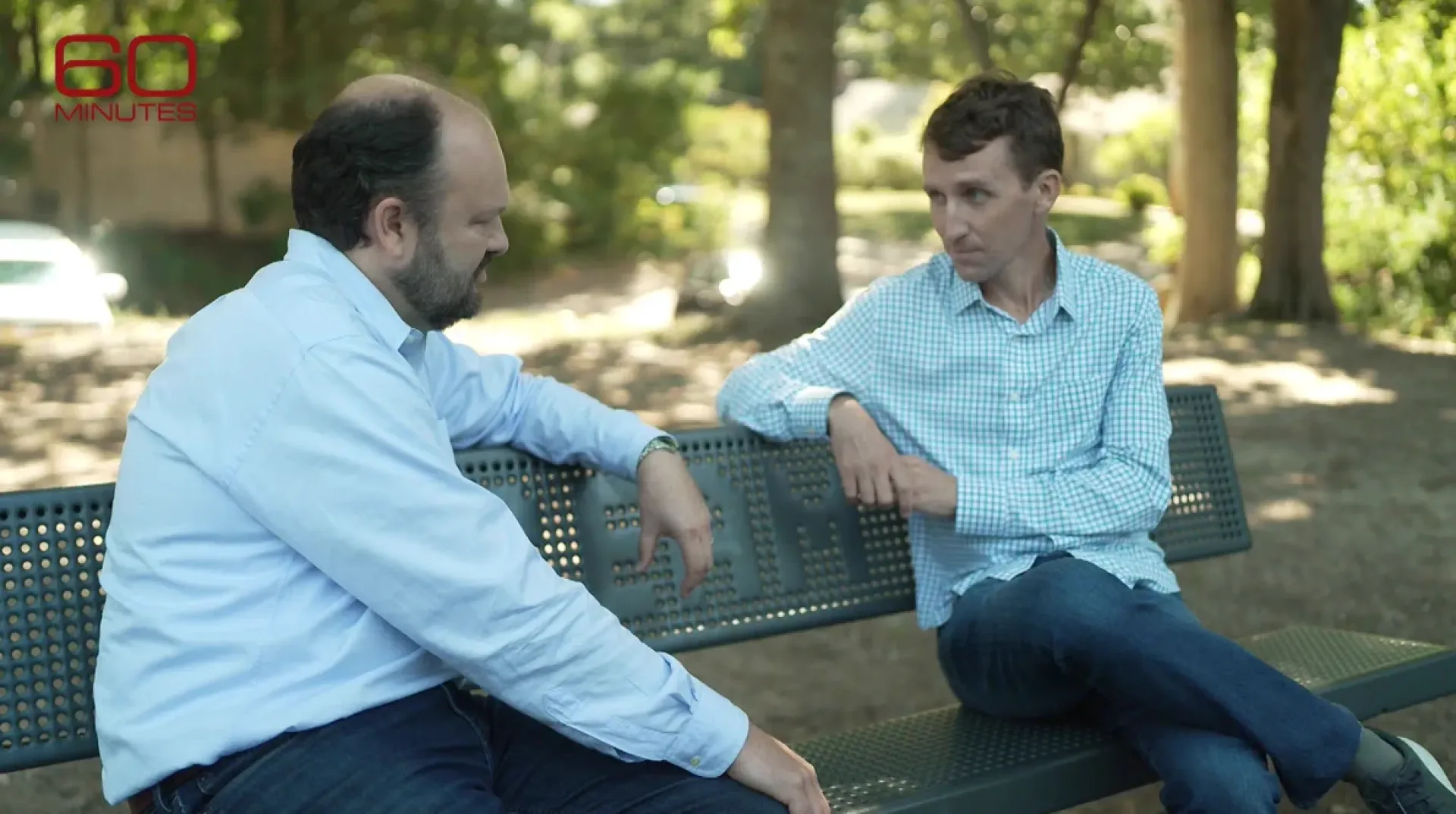
Douthat joined 60 Minutes earlier this year as part of a revamped correspondent lineup. A longtime conservative columnist, he has also been a frequent critic of Trump. Earlier in the week, Douthat characterized the midterm outcome as a failure of the “New Right,” a broad label commonly associated with a contemporary political tendency on the right rather than a single formal organization.
His role is noteworthy in part because this is among his highest-profile assignments on the broadcast. An interviewer’s past writing does not tell audiences exactly how a televised conversation will unfold, nor does it establish the answers a subject will give. It does, however, provide context for why the matchup is receiving attention: Douthat approaches the interview with a conservative political background while having voiced criticism of Trump and his political movement.
That dynamic may also make the format itself worth watching. A lengthy television interview is different from a rally speech, a social-media post or a short press exchange. The premise is sustained questioning, with time for follow-ups and for viewers to assess both the questions and responses in sequence. Whether it becomes contentious or measured will be determined by the segment itself.
Trump and 60 Minutes have recent history
This will not be a first encounter between Trump and the CBS newsmagazine. He most recently appeared on 60 Minutes in April, in an exchange with correspondent Norah O’Donnell that turned contentious; Trump called O’Donnell “a disgrace.”
The relationship also includes a legal dispute tied to CBS’s editing of a 2024 interview with Kamala Harris, then Trump’s presidential opponent. Trump sued CBS and its parent company over that editing, and Paramount agreed to a $16 million settlement in 2025.
That history supplies context, but it should not be mistaken for a script for the Douthat interview. The Harris dispute concerned a separate interview and different circumstances. The April appearance involved a different correspondent. Still, the prior clashes help explain why a Trump appearance on the program can command attention beyond the immediate political news cycle.
A broadcast navigating internal change
The episode also comes during a period of leadership change at CBS News. Following Skydance’s takeover of Paramount, CBS News went through a significant overhaul under editor-in-chief Bari Weiss. Several longtime 60 Minutes journalists departed, and Nick Bilton was appointed executive producer.
Those changes are relevant to the institutional setting around the interview, not proof of how any individual question or editorial choice was made. Newsroom leadership, correspondent assignments and executive producers all help shape the broader operation of a television program, but audiences will need to watch the finished broadcast to judge this particular interview on its own terms.
For media followers, the timing creates two overlapping stories: Trump speaking after a punishing midterm result, and one of television’s most recognizable news programs continuing under an altered leadership structure. Neither is incidental to why the Sunday broadcast is attracting interest.
What viewers can reasonably look for
The election aftermath provides the clearest lens. The reported voter concerns—cost of living and the administration’s conflict with Iran—are areas with obvious relevance to the results, while the change in congressional control raises questions about the practical path for Trump’s priorities. Those are logical areas of public interest, even though no detailed rundown of the interview has been provided.
It is also worth paying attention to the difference between political messaging and governing constraints. A president can set priorities and make a case to voters, but congressional control affects what can move through the legislative process and the degree of oversight an administration faces. The midterm outcome therefore changes the context in which Trump’s answers will be heard.
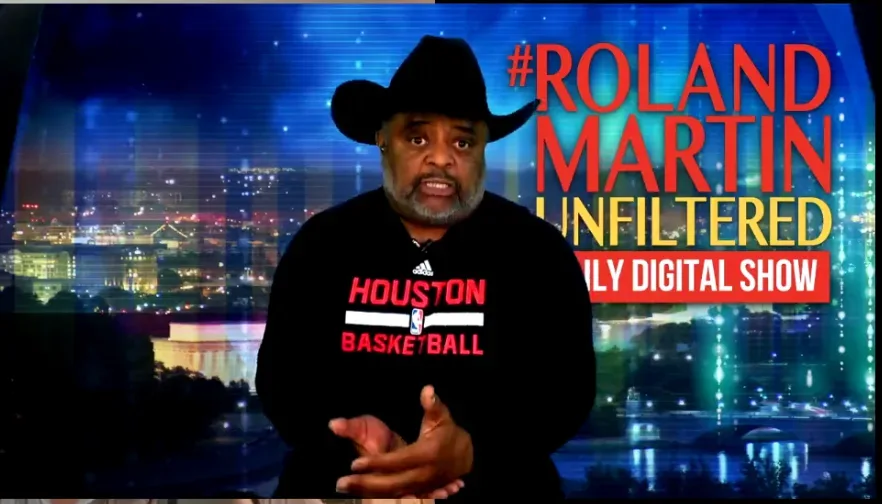
For additional perspective on how political coverage is moving beyond a conventional studio format, see the report on Roland Martin Unfiltered’s 12-city election-coverage road run.
Trump’s scheduled 60 Minutes appearance is ultimately a high-visibility Sunday television event with clear practical viewing options: CBS at 7 p.m. ET, a live stream through Paramount+ Premium or participating live-TV services, and an on-demand Paramount+ Essential option beginning Nov. 9. Its broader significance will depend on the full exchange, but the political and media context ensures close scrutiny.