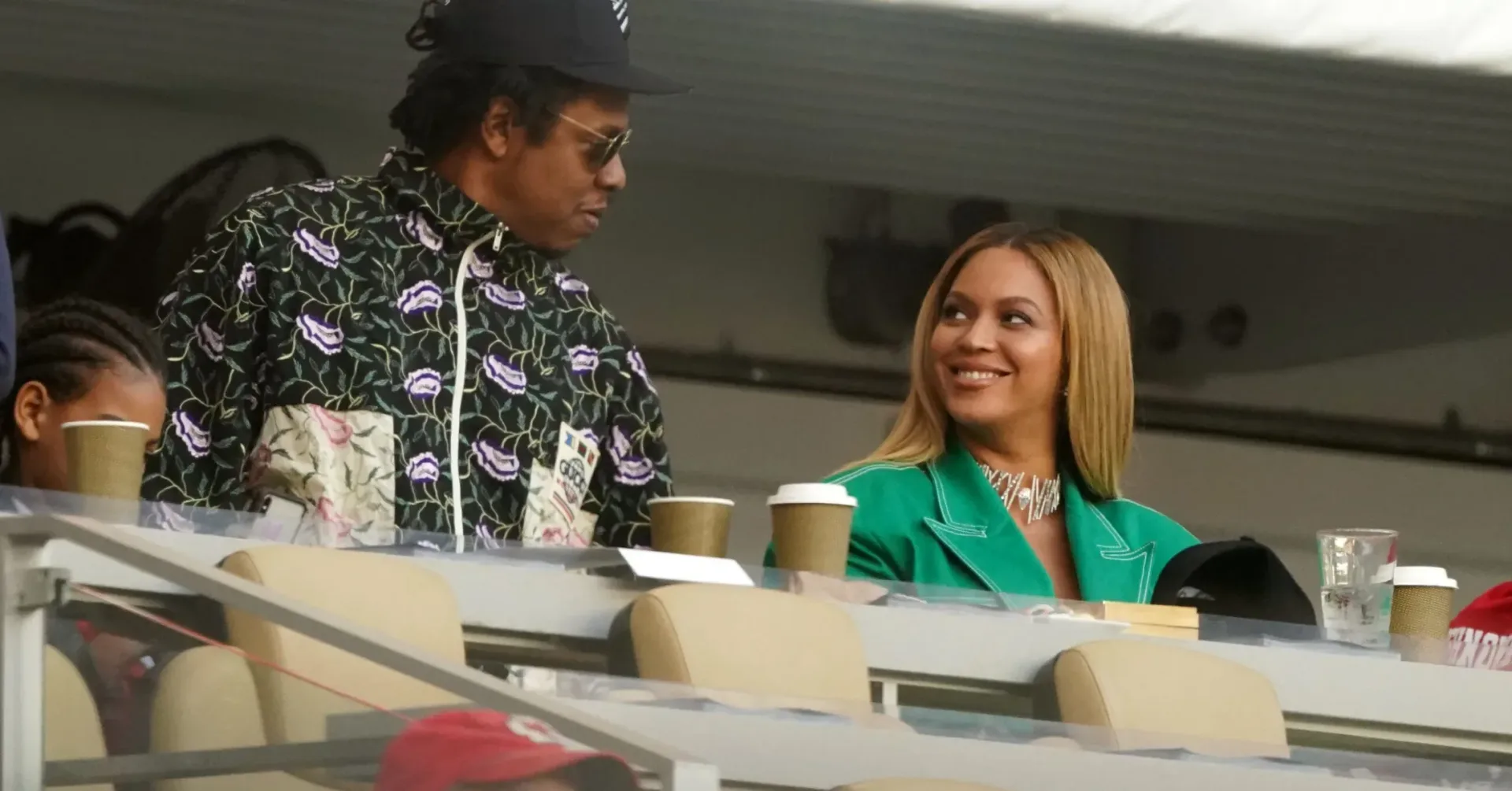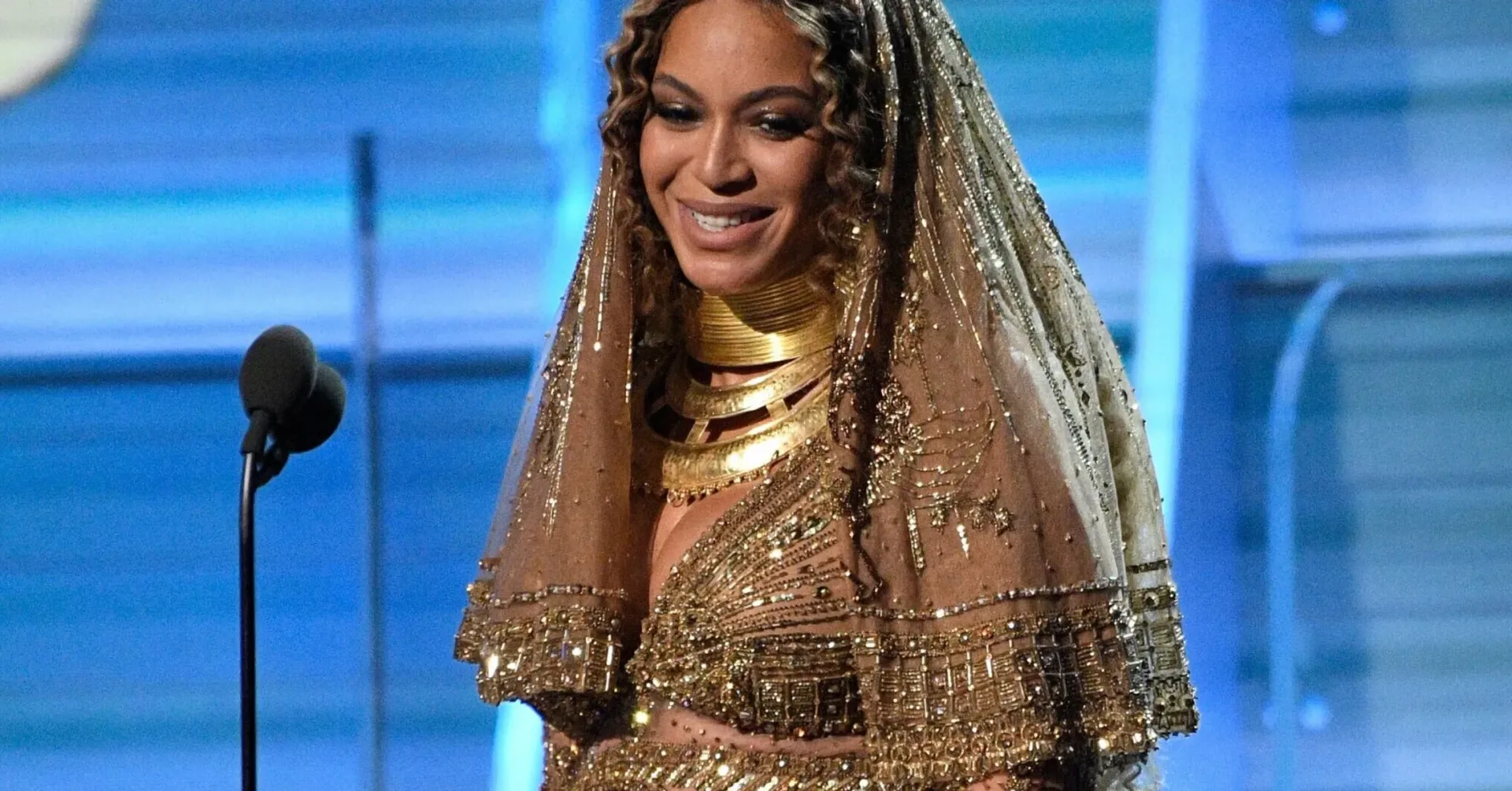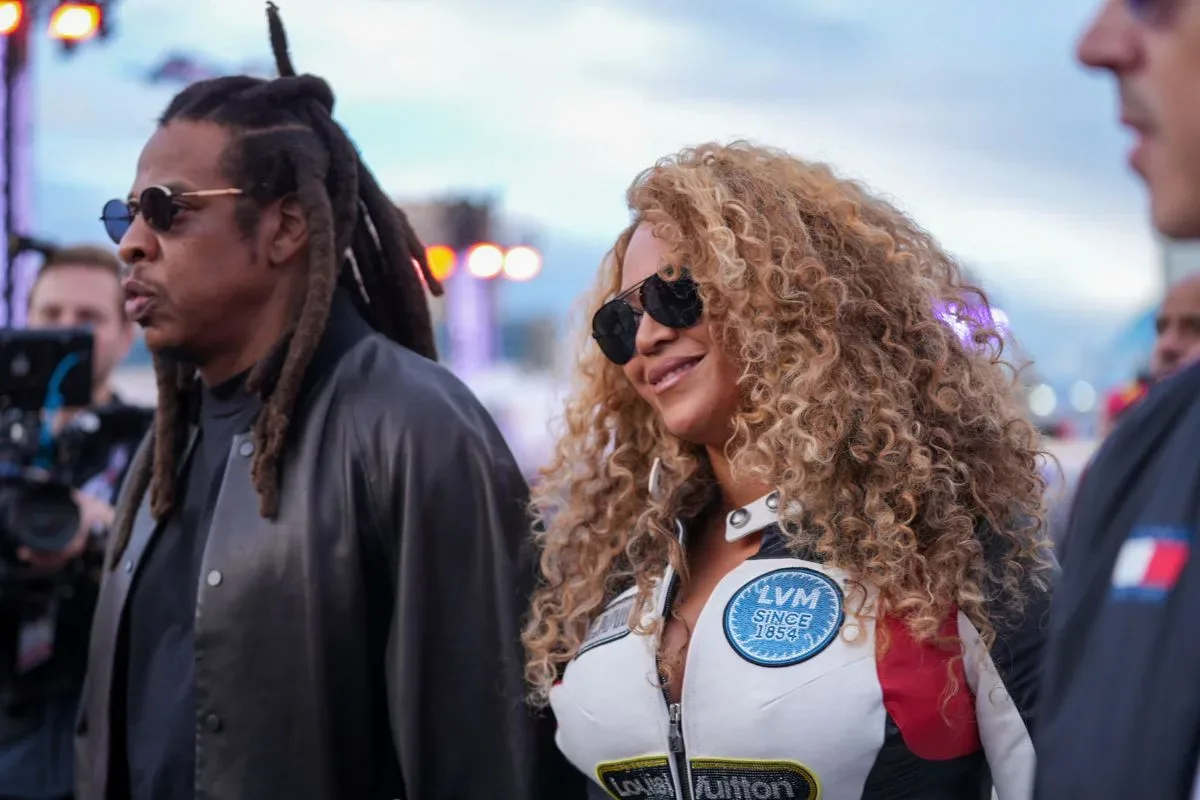
Jay-Z and Beyoncé marked the 20th anniversary of Ace of Spades in Las Vegas, turning a nightclub appearance into a reminder that the rapper’s public legacy extends well beyond recording and performing. The couple attended the celebration at Omnia nightclub. Published photos from the evening showed them entering the venue arm in arm, with Beyoncé in green and Jay-Z dressed in black with a diamond chain.
The occasion arrived just after a separate pair of anniversary milestones for Jay-Z’s catalog. He played two shows at SoFi Stadium in Inglewood on October 23 and 24, honoring Reasonable Doubt at 30 and The Blueprint at 25. The Vegas event, by contrast, centered on a brand: Armand de Brignac, the French Champagne house more widely recognized by its Ace of Spades nickname and conspicuous metallic bottle.
That distinction matters. A celebrity appearance can make for an eye-catching moment, but Ace of Spades is not simply a product temporarily attached to a star. Jay-Z became its sole owner in 2014 before selling a 50 percent stake to Moët Hennessy in 2021. The company is now presented as a joint venture between Jay-Z and Moët Hennessy, LVMH’s wines and spirits business.
A 20-year anniversary with a longer Champagne history behind it
The anniversary points to 2006 as the beginning of Armand de Brignac. Yet the winemaking base behind the label reaches further back. Jay-Z worked with the Cattier family, whose Champagne-making history spans more than 250 years. Jean-Jacques Cattier and his son Alexandre are the winemakers associated with the range, while the house’s cellars are located in Rilly-la-Montagne, France.
That split between a modern luxury identity and a much older production tradition is central to understanding the brand. Ace of Spades is immediately recognizable in pop culture because of its packaging, name and association with Jay-Z. But Champagne is also a regulated wine category with specific production practices, vineyard sourcing and blending decisions behind every finished bottle. The Cattier family connection situates the label in that craft side of the business rather than presenting it as an artist-branded bottle detached from a Champagne house.
Its first release, Brut Gold, is made by blending wines from three vintages. In wine language, a vintage refers to the year in which grapes were harvested. A blend of multiple vintages means wines from more than one harvest are brought together. The brand also produces vintage Champagne, including its first Blanc de Noirs from 2015.
Blanc de Noirs is a French term meaning “white from black.” It describes a white sparkling wine made from dark-skinned grape varieties. The term explains the grape source rather than promising a dark-colored wine: the finished Champagne remains white because of how the juice is handled during production. In the context of Ace of Spades’ portfolio, the 2015 release shows that the range encompasses more than its flagship bottle and a single visual signature.
The bottle is part of the business, not just the backdrop
Ace of Spades’ visual identity is inseparable from its metal-coated packaging, especially the gold Brut Gold bottle. The finish involves more than a printed label. Workers hand-apply French pewter labels to the bottles and then polish them. That manual step gives the packaging a more labor-intensive presentation and supports the luxury positioning communicated by the bottle itself.
Related coverage includes Jay-Z and Beyoncé Mark Ace of Spades’ 20th Anniversary in Las Vegas.
For consumers, the practical takeaway is that the highly visible exterior is one part of the product story, alongside the wine and the people making it. For the company, it is a deliberate piece of brand recognition. A bottle that can be identified quickly across a club table, a concert scene or a social post is useful marketing, but it also raises expectations that the underlying wine, production relationships and distribution structure can sustain the image.
Jay-Z addressed that balance when the Moët Hennessy partnership was announced in 2021. He said his aim was for the brand to outlive him, stressing that it had been built through “passion and integrity” rather than shortcuts or fame alone. It is an unusually direct statement of the long-term challenge facing celebrity-connected luxury labels: attention may introduce a product to an audience, but enduring as a business requires operations that can function beyond any one person’s cultural moment.
“We don’t cut corners or lean on fame to sell the product. We’ve built it through passion and integrity.”
What the Moët Hennessy deal changed
Jay-Z’s move from sole ownership to a shared venture did not remove him from Ace of Spades. Instead, it paired the brand with Moët Hennessy, the wine and spirits division of LVMH. LVMH recorded a 50 percent stake in Armand de Brignac in its 2021 results reporting, and the group said it began integrating the Champagne house into its business during the third quarter of that year.
In simple terms, a joint venture is a business owned and operated by more than one party for a shared commercial purpose. Here, Jay-Z remains a co-owner while Moët Hennessy brings the infrastructure of a major wine and spirits organization. The supplied details do not spell out day-to-day responsibilities, so it would be wrong to assign particular tasks to either partner. What is clear is the ownership structure: a 50-50 arrangement that connects an independent, celebrity-led luxury brand with one of the world’s largest luxury groups.
That arrangement gives the 20th anniversary a different meaning than a straightforward marketing birthday. It recognizes a brand founded in 2006, a period in which Jay-Z held full ownership beginning in 2014, and a newer phase under shared ownership since 2021. The Las Vegas celebration therefore sits at the intersection of culture, craftsmanship and corporate scale.
Why the timing fits Jay-Z’s wider anniversary moment
The back-to-back calendar of events also helps explain why the Ace of Spades gathering drew attention. The SoFi Stadium shows recognized two albums from different points in Jay-Z’s recording career: Reasonable Doubt, now 30 years old, and The Blueprint, now 25. The Champagne event followed those concerts and highlighted a company whose 20-year history overlaps with his later music-industry career.
There is no need to flatten those milestones into the same kind of achievement. An album anniversary is about music, performance and a body of work audiences return to; a brand anniversary concerns ownership, production and the durability of a commercial identity. But both rely on recognizability built over time. One is a catalog of recordings. The other is a bottle whose design, name and partnership structure have remained visible through changes in ownership.
That broader overlap of music, authorship and long-term creative identity has parallels across entertainment—not only in recording. For another view of how a musician discusses shaping a major media property, see Austin Wintory’s unreleased musical vision for Mass Effect 5.
More than a gold-bottle photo opportunity
The Las Vegas celebration naturally foregrounded the polished, public-facing side of Ace of Spades: a major nightclub, a famous couple and a bottle designed to be seen. The more enduring details are less immediate but arguably more revealing. Armand de Brignac traces its launch to 2006; it works with the Cattier family and their multigenerational Champagne background; its packaging receives hand-finishing; and it now operates as a joint venture with Moët Hennessy.
Those facts do not eliminate the role of celebrity—Jay-Z’s involvement is plainly fundamental to the brand’s modern identity. They do, however, explain why the company can be discussed as more than a passing endorsement. Twenty years after its start, Ace of Spades remains tied to a recognizable founder-owner, a French winemaking family, and a global luxury partner. The Omnia appearance celebrated all three layers at once.