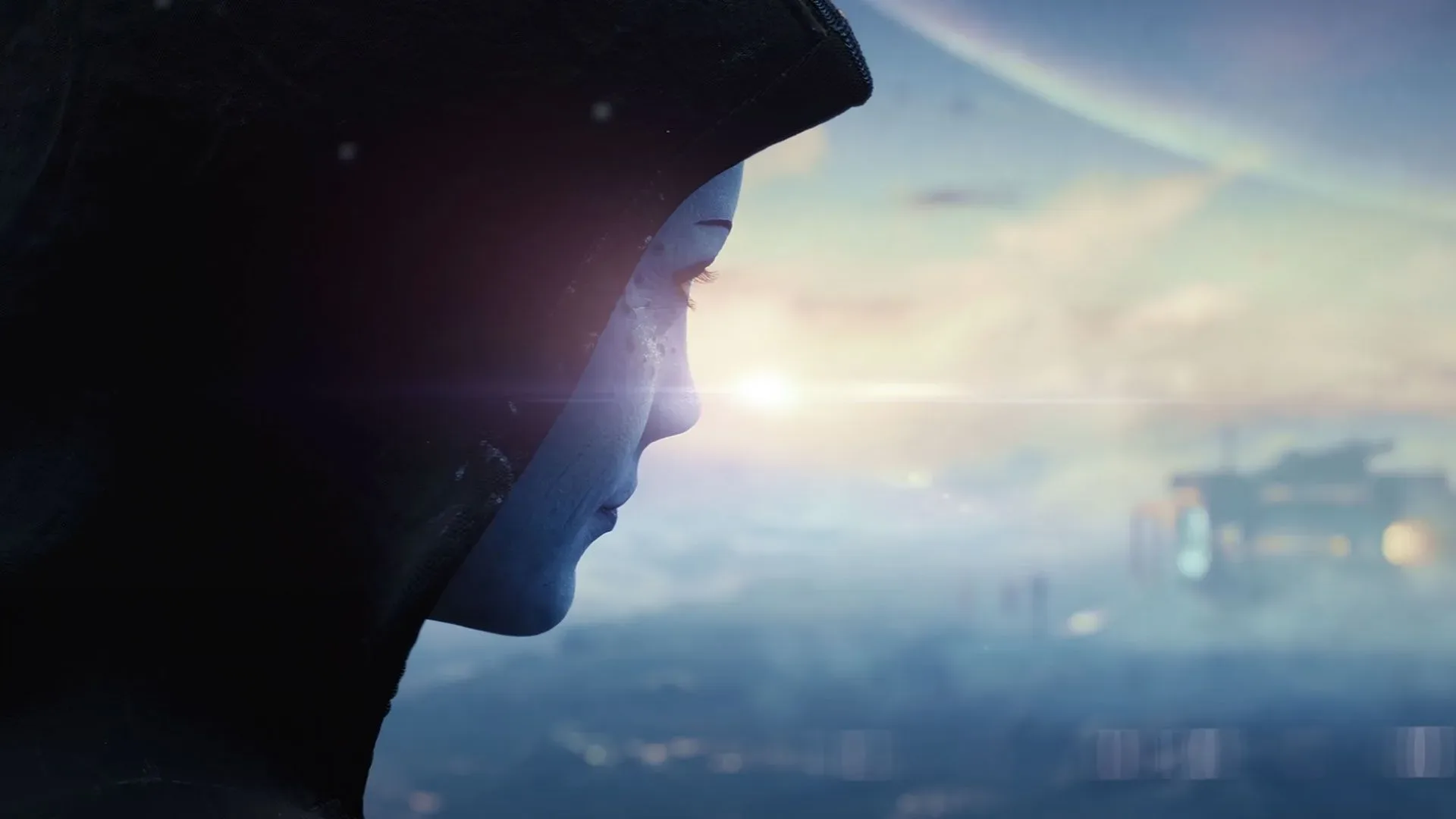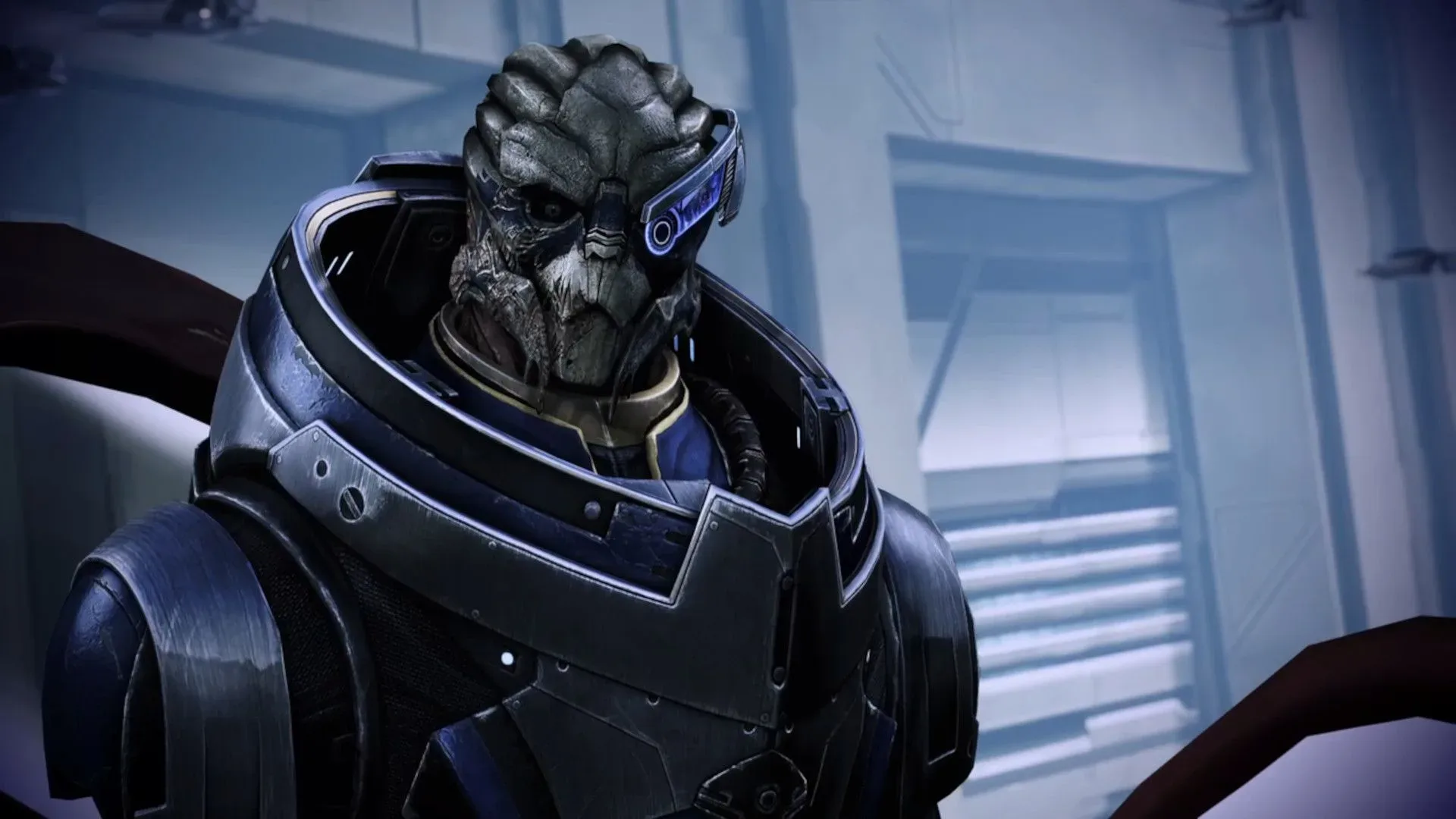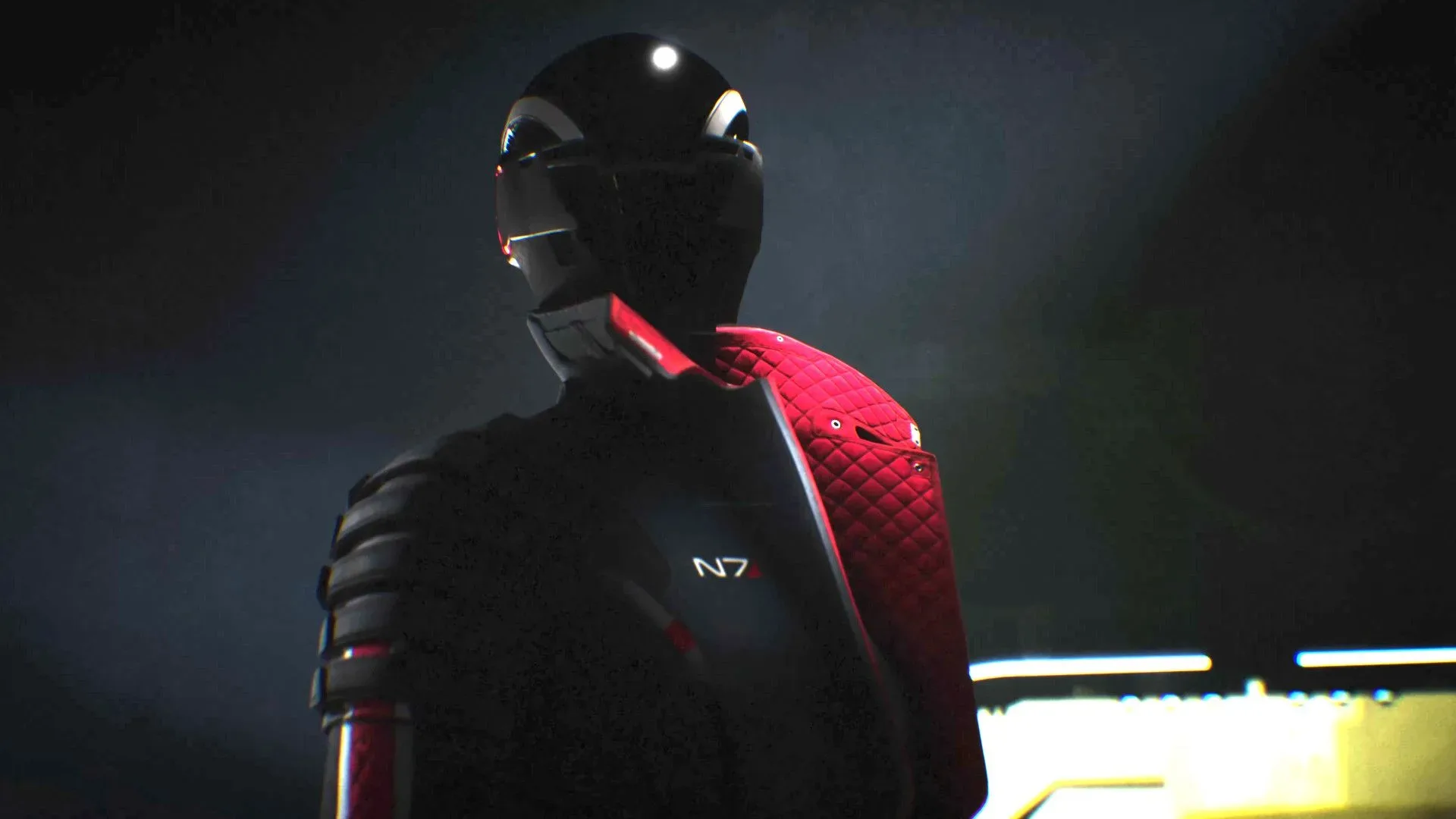
Austin Wintory has released a 20-minute collection of early musical drafts created while he was in discussions to score Mass Effect 5. The eight-track presentation is not a recovered game soundtrack, and it should not be treated as evidence of a finished version of the project. Wintory says he had not been given narrative information at the point these pieces were made. Instead, the music is an exploration of a possible sonic direction for the series.
That distinction matters, but it does not make the material any less revealing. A game score often takes shape alongside a project’s locations, characters, pacing and major story turns. Here, Wintory was working from the identity of Mass Effect itself: its sense of scale, uncertainty and interstellar travel, plus the music fans associate with the earlier games. The result offers a rare look at the earliest stage of a composer imagining a franchise before the usual storytelling brief has arrived.
Wintory described the opportunity as his “biggest dream project” and said he had been in serious conversations with BioWare and EA for the past couple of years. His release also thanks BioWare, Casey Hudson, Jack Wall, Sam Hulick and others connected with the franchise. It is a personal creative document as much as it is a collection of unused tracks.
Eight drafts, not a definitive Mass Effect 5 soundtrack
The presentation contains eight pieces across roughly 20 minutes, including Wintory’s interpretation of music for scanning the galaxy map. Text included with the video explains elements of his approach from track to track.
For more context, explore Peter Berg Says Call of Duty Movie Will Focus on Modern Warfare’s Human Cost, Not Superheroes.
Because the music predates story details, listeners should resist attaching firm plot meanings to individual motifs, titles or moods. In game music, a motif is a recurring musical idea that can be associated with a person, place, concept or action. A composer may eventually reshape that idea as the game’s narrative changes. Without a narrative brief, an early motif is more likely a piece of world-building than a confirmed character theme or a clue to a particular mission.
That is what makes the release especially useful as a window into process. These are not tracks written to hit a known cinematic beat, underline a completed companion scene or react to a locked combat encounter. They are sketches with a higher degree of freedom: a composer testing the emotional vocabulary that could support a vast science-fiction role-playing game.
Wintory’s own framing is clear. The material represents what he imagined the game could sound like, not a claim that the final game would necessarily have used these precise recordings. The difference is significant for fans cataloguing lost or unfinished media. An elaborate production can sound polished while still being an early draft rather than an approved, implemented asset.
A familiar Mass Effect palette, pushed toward analog texture
The guiding idea Wintory describes is to begin with the foundation laid by Jack Wall and Sam Hulick for the original Mass Effect, then expand it through deeper use of physical analog synthesizers and a more closely integrated orchestra.
Analog synthesizers produce and shape sound through electronic circuitry rather than primarily through digital signal processing. In broad sonic terms, they can provide unstable, grainy, warm or mechanical textures that suit science fiction particularly well. “Analog” is not automatically better than digital, nor does it prescribe one style of composition. It is a choice of sound source and texture. In this case, Wintory’s stated interest was in making those physical synth sounds a more central part of the palette.
The other half of that palette is orchestral writing. An orchestra brings acoustic instruments such as strings, brass, woodwinds and percussion into the mix, with a capacity for scale, tension and human fragility. The important phrase in Wintory’s concept is not simply “synths plus orchestra,” since combining electronic and orchestral sounds is common. It is the idea of a more tightly interwoven relationship between them.
In practical scoring terms, that can mean electronic pulses and orchestral rhythm move together rather than one merely sitting behind the other. A synthetic texture might carry the same musical gesture that strings later develop. Brass and electronic low-end may share the task of signaling danger. The goal is a unified sound world, not an orchestra placed on top of a separate electronic bed.
That approach aligns with the core tension of the series’ musical identity: futuristic technology against an enormous, often lonely galaxy; the vastness of space against the personal stakes of an RPG party. Wintory’s drafts lean into that contrast with unfamiliar synth color and traditional orchestral weight. They suggest exploration and threat without relying on a revealed story to supply either one.
The galaxy-map idea is a meaningful test case
The galaxy map holds a special place in how players remember Mass Effect. It is not simply background music for menus. It accompanies navigation, possibility and the quiet moment before the player selects where to go next. That makes it a particularly useful place to test a new musical interpretation of the franchise.
A galaxy-map cue needs to support repetition. Players may hear it while considering destinations, reading information or simply lingering. It has to create atmosphere without demanding so much attention that it becomes tiring. At the same time, it has to carry enough personality to make the act of navigating space feel distinctive.
Wintory’s inclusion of his own take on that music signals continuity rather than a total reboot of the franchise sound. His broader proposal was explicitly built from the original score’s starting point. For a hypothetical new installment, that is the balancing act: acknowledge the musical language people recognize, then give it new contours rather than preserving it unchanged.
That does not tell listeners what a completed score would have sounded like. A final production could have changed dramatically after narrative, gameplay and audio-direction decisions. But it does make the collection more concrete than a general statement that Wintory was interested in the job. There is now music through which to hear the direction he was proposing.
Why early drafts can still be worth preserving
Unreleased game music is often discussed as if it is either a complete, official soundtrack or an irrelevant fragment. This collection sits in a more interesting middle ground. It was made by a composer who was in discussions for the role, developed with an identifiable franchise in mind, but created before he knew the game’s narrative plans.
That limitation is also its value. It captures a creative possibility before production requirements narrowed it. Once a game moves forward, composers must account for timing, gameplay states, cutscenes, level structure, revisions and feedback across many departments. Those constraints are essential to making an interactive score work, but they can also obscure the earliest broad-strokes artistic vision.
For audiences, hearing such material can sharpen appreciation for what a game score does beyond providing a playlist. Music is part of the game’s interface with emotion. It can establish a location’s character, give repeated actions a sense of ritual, make an empty environment feel inhabited or telegraph danger before an enemy appears. In an RPG, it can also quietly connect far-apart scenes through recurring themes and instrumentation.
None of that means listeners should fill the gaps with invented production history. There is no basis here to say which tracks would have appeared in a final game, which scenes they might have accompanied, or whether the work had reached approval or implementation. The responsible reading is simpler: these recordings preserve Wintory’s independent early exploration of a possible Mass Effect 5 sound.
A public artifact from a project that will not be completed
The release arrives in the wake of the reported end of Mass Effect 5 and BioWare’s demise, circumstances Wintory addresses through a message of gratitude to people who shaped his long relationship with the series. His comments place the music in a wider human context: a dream assignment that came close enough for conversations and early creative work, but not close enough to become the finished RPG score he hoped to make.
It also gives fans something unusually substantive to engage with. Trailer footage, rumors and broad promises can invite speculation, but music communicates at a different level. These drafts cannot outline a cancelled game’s plot, mechanics or destinations. They can, however, convey an atmosphere: physical synth texture meeting orchestra, an effort to honor established musical DNA, and an attempt to make a familiar galaxy feel mysterious again.
For more details on the release and its eight-track format, see the report on Wintory’s Mass Effect 5 music presentation. The most important caveat remains the one Wintory supplied himself: this is exploration, not a map of a story that was never shared with him.
That caveat does not lessen the emotional weight of the work. If anything, it explains why the recordings resonate. They are not only about a game that might have been; they are about the early, uncertain moment when a composer was invited to imagine how that universe could sound next.