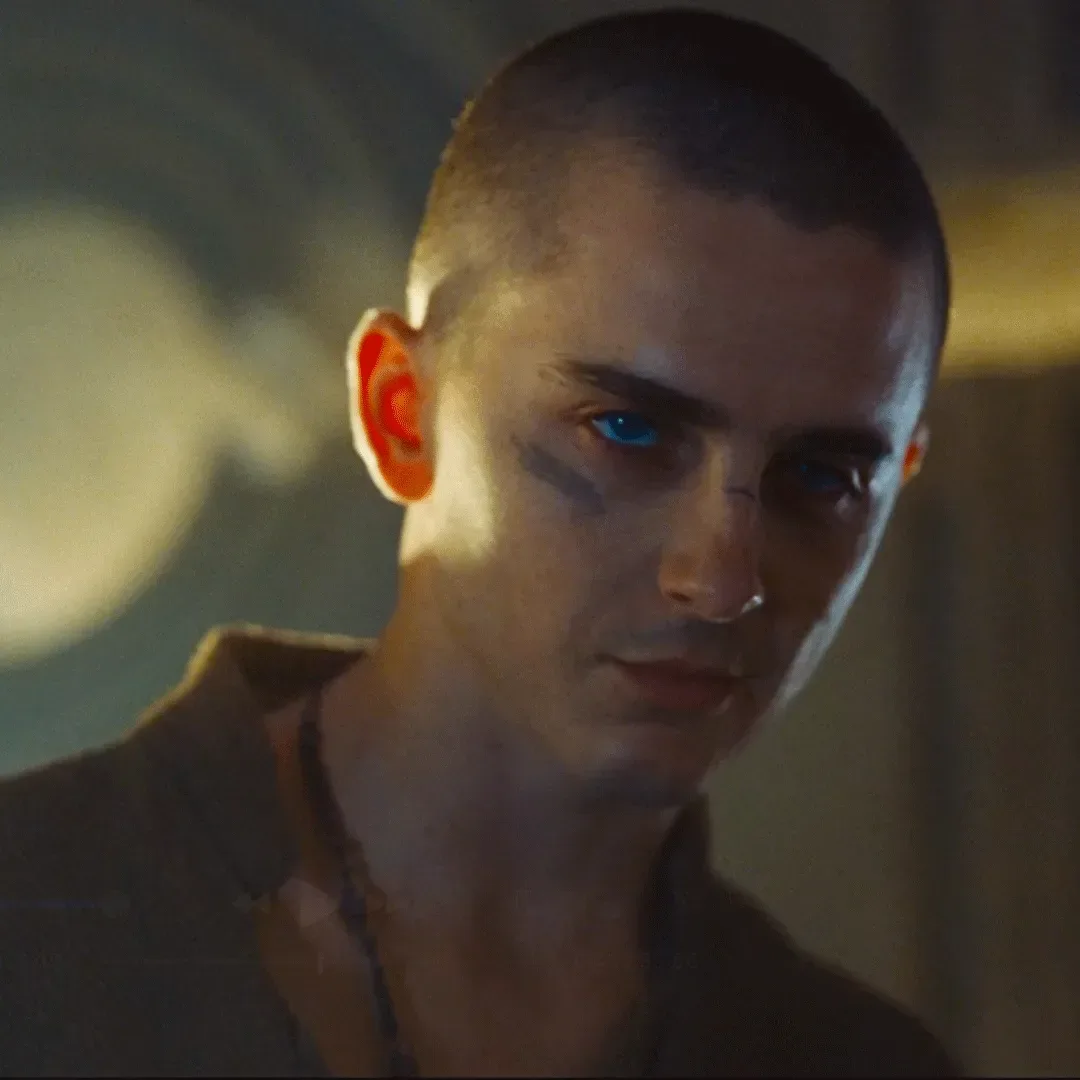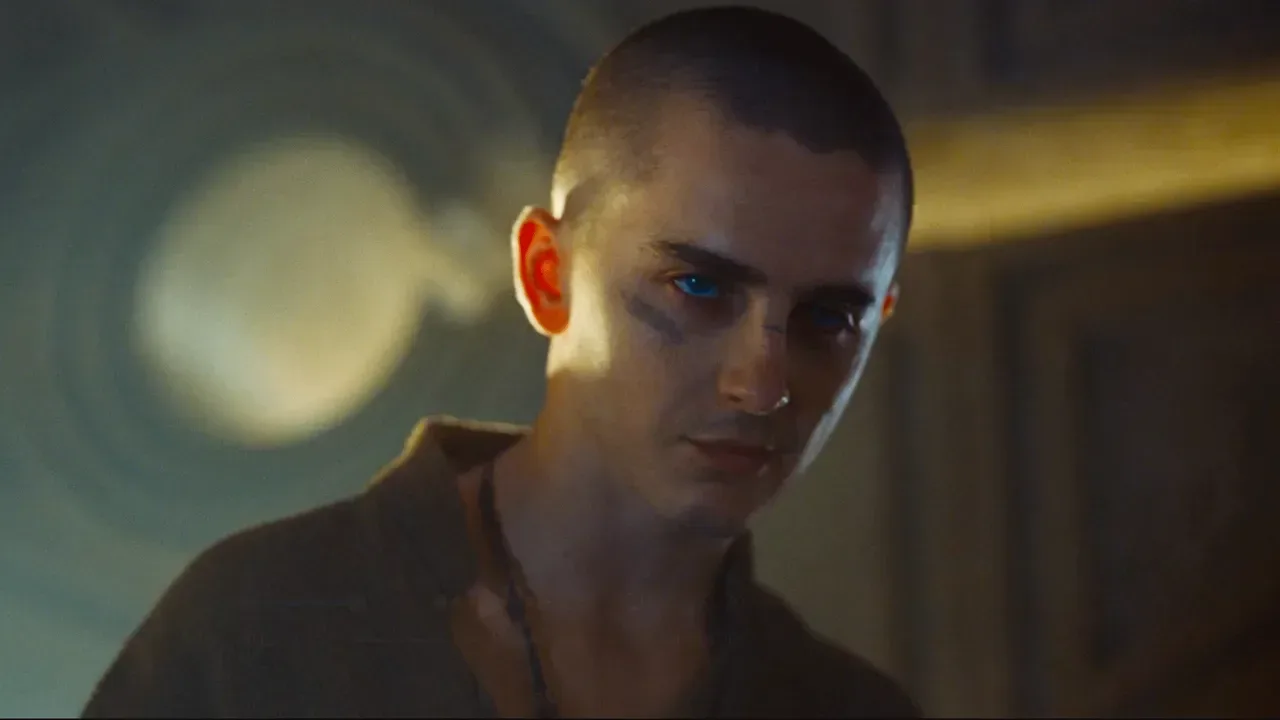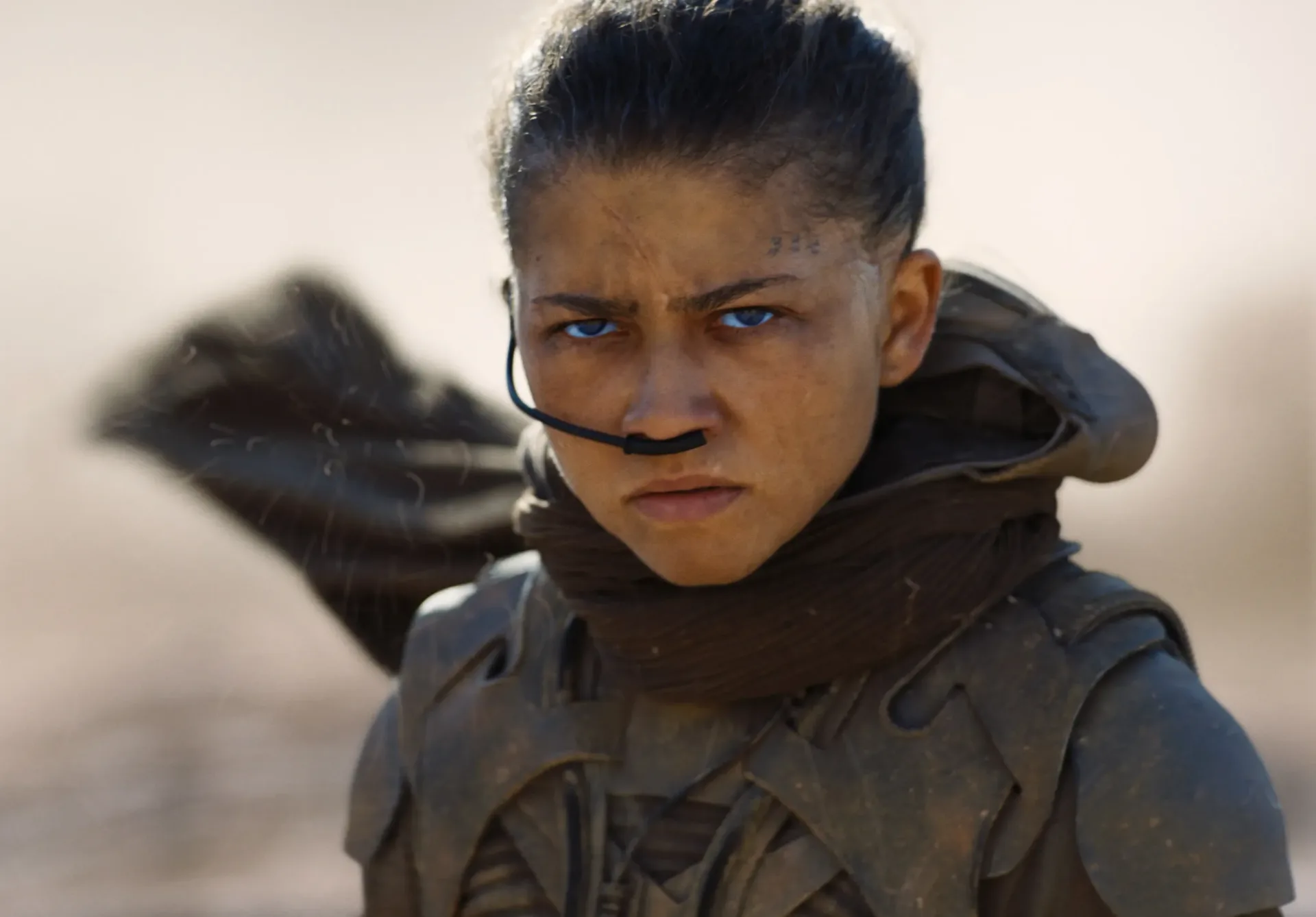
Jason Momoa may have the obvious real-world size advantage over Timothée Chalamet, but Dune: Part 3 asks the audience to accept a very different hierarchy. Chalamet’s Paul Atreides has become an immensely powerful ruler by the time of the new film, while Momoa returns in the complicated role of a Duncan Idaho clone who is not simply the Duncan viewers knew in Dune: Part 1.
That reversal created two connected challenges for Momoa: the character work of portraying a man who shares a body and genetic lineage with a familiar figure but not his memories or personality, and the physical storytelling required when that character fights Paul. Momoa has described the latter less as a brute-force contest and more as choreography: a dance between performers that has to make the fictional power balance convincing.
Duncan Idaho returns, but not as the same man
Momoa’s new Duncan is a clone of the character he played in the first film. Crucially, the clone does not carry the original Duncan’s memories or traits. That makes the return more demanding than a conventional reprisal, where an actor can build directly on established gestures, relationships and emotional history.
Momoa called it the strangest character he has had to navigate. He was initially cast to establish Duncan in a particular way, but the new assignment meant finding a performance for somebody who does not know that earlier version of himself. His comments point to the tension at the heart of the role: the audience can recognize Momoa and the Duncan name immediately, whereas the character cannot access the life that made the original Duncan meaningful.
That distinction matters especially for Paul. In Dune: Part 1, Duncan and Paul were close. The third film instead puts strain on that connection. The character relationship can therefore carry an unusual double perspective: Paul knows what Duncan represented, while this version of Duncan lacks the shared personal foundation behind that history.
Momoa said the part required what he considers his most restrained work. He also had not yet seen the completed film when discussing it, so he did not know which takes had made the final cut. That uncertainty is normal for actors speaking before release, but it also means viewers will have to wait to see how the film balances traces of the old Duncan with the clone’s separate identity.
Why the fight needs to sell Paul’s superiority
Dune: Part 3 takes place 20 years after the previous film. In that period, Paul is established as a messianic and totalitarian leader, and as the most powerful being in the universe. A clash with Duncan therefore cannot be staged as a simple comparison of the performers’ physiques. Its job is to communicate the story’s version of reality: Paul should appear to be operating on another level.
Momoa openly acknowledged the practical question. He said Paul is the better fighter in the film’s world, while also jokingly distinguishing that from a real-life matchup. Chalamet suggested Momoa was being polite; Momoa’s own assessment was that Chalamet is the better actor, while Momoa has the real-world edge in a fight. Yet he singled out Chalamet’s speed and ability to move as particularly impressive.
That is where Momoa’s description of combat as “a dance” is useful. Screen combat is not a contest to determine who is physically strongest. It is collaborative movement designed to produce a clear story, preserve performer safety and look persuasive to a camera. Timing, footwork, spacing, reactions and the rhythm of individual movements can do more to establish a character’s dominance than raw size.
What “fight choreography” means on screen
Fight choreography is the planned sequence of actions used to create a screen confrontation. It is closer to staged dance than competitive fighting: performers learn where to stand, when to move and how to react, while the scene is shaped around camera angles and editing. The aim is controlled illusion, not an unscripted test of ability.
For this particular matchup, Chalamet’s quickness can be a storytelling advantage. Fast changes of position and precisely timed attacks can present Paul as difficult to predict and impossible to overpower. Momoa’s response work is just as important. A larger opponent must react in ways that give Paul’s movements force and authority, otherwise the scene risks feeling like it is arguing against the premise rather than expressing it.
There is also a character component to every action. If Paul has reached a level beyond Duncan, the choreography must show not just that he can win, but why Duncan cannot close the gap. That might be conveyed through decisive timing, apparent ease, an ability to anticipate attacks or the contrast between Paul’s economy of motion and Duncan’s efforts to keep pace. Those are analytical possibilities raised by the setup, not confirmed details of the finished scene.
A reunion built on friction rather than nostalgia
Bringing an actor back as a clone creates a path to revisit a major relationship without merely restoring it. The idea has built-in dramatic friction. Familiarity exists outside the character: viewers remember the earlier Duncan and understand Paul’s past connection to him. Inside the story, however, the clone’s missing memories make that familiarity incomplete.
Momoa’s emphasis on subtlety suggests the performance may be working against easy nostalgia. An imitation of the earlier Duncan would flatten the premise; playing the clone as entirely unrelated would potentially erase the reason the return has weight. The interesting space is between those poles, with Momoa tasked with making the new version legible as a distinct person while carrying the unusual circumstances of his existence.
That gives the fight extra dramatic utility. Physical conflict is often used to settle a disagreement, but here it can also make the altered relationship visible. The earlier friendship and the present strain meet in a confrontation where Paul’s political and personal transformation has enormous consequences.
The release date and the very strange popcorn containers
Dune: Part 3 is scheduled for a cinema release on December 18, 2026. Early IMAX preview screenings are set to begin December 14, 2026. The film follows a commercially successful pair of preceding entries: Dune: Part 2 generated nearly $500 million at the box office, exceeding the $433 million worldwide total earned by Dune: Part 1 during its theatrical run.
The lead-up has also included characteristically extravagant theater merchandise. Two popcorn-bucket designs have been shown: one incorporates two sandworm holes, while another includes a thumper that moves up and down. A thumper is a device associated with summoning sandworms in the world of Dune, making the moving element a deliberately theatrical nod to the setting rather than merely a decorative flourish.
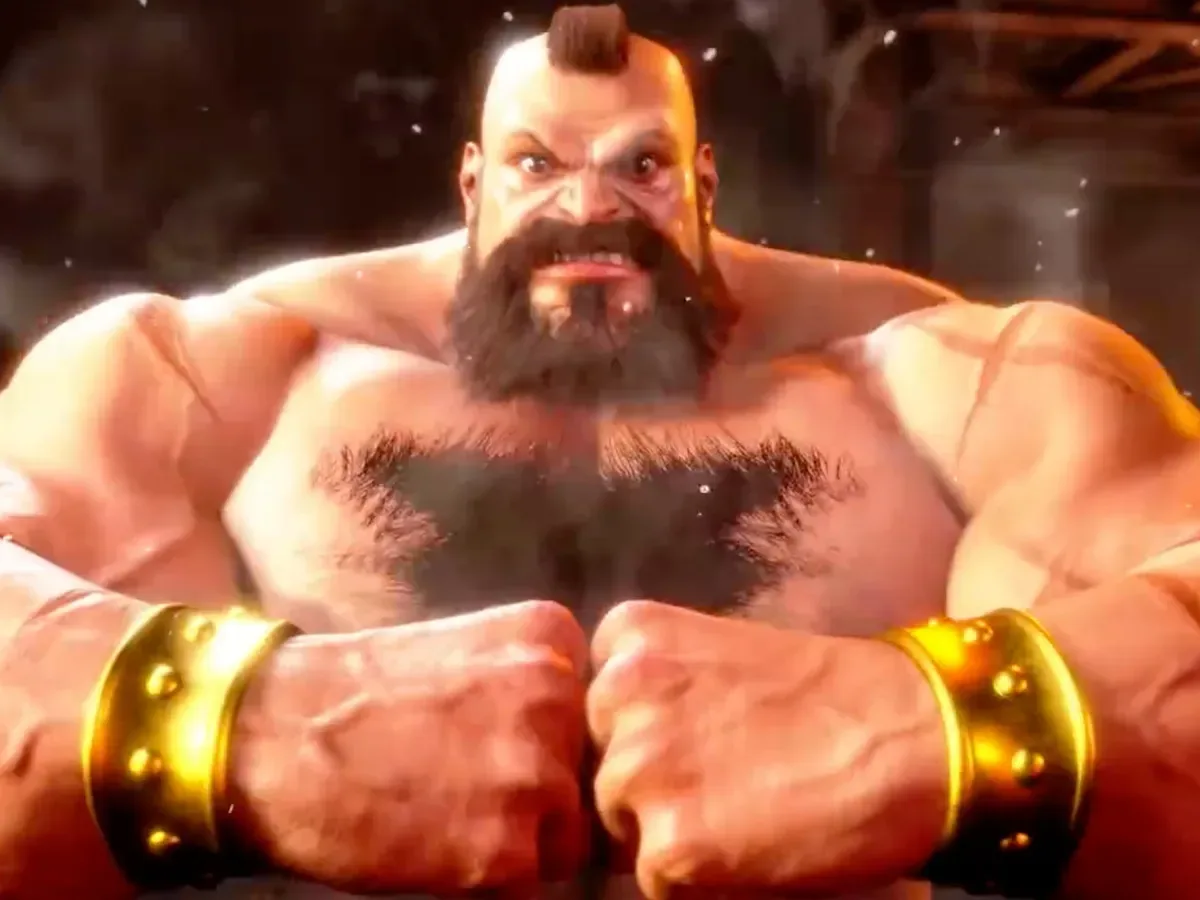
Novelty containers are becoming their own category of moviegoing memorabilia, built to function as both a concession item and an object fans might keep afterward. The premise is not unique to film promotions; the broader collectibles space keeps finding stranger ways to merge packaging with the collectible itself, as with Street Fighter 6 Energy Arts cards that put a 12ml drink inside a collectible. The Dune buckets, though, appear designed around an even more specific goal: making the snack vessel unmistakably part of the spectacle.
For Momoa, the more substantial spectacle will be the difficult return of Duncan Idaho and the fight that flips expectations about physical stature. His comments make clear that the scene’s credibility rests on Chalamet’s movement, Momoa’s reactions and a shared understanding that the encounter belongs to Paul’s transformed universe—not to a hypothetical contest between the actors playing it.