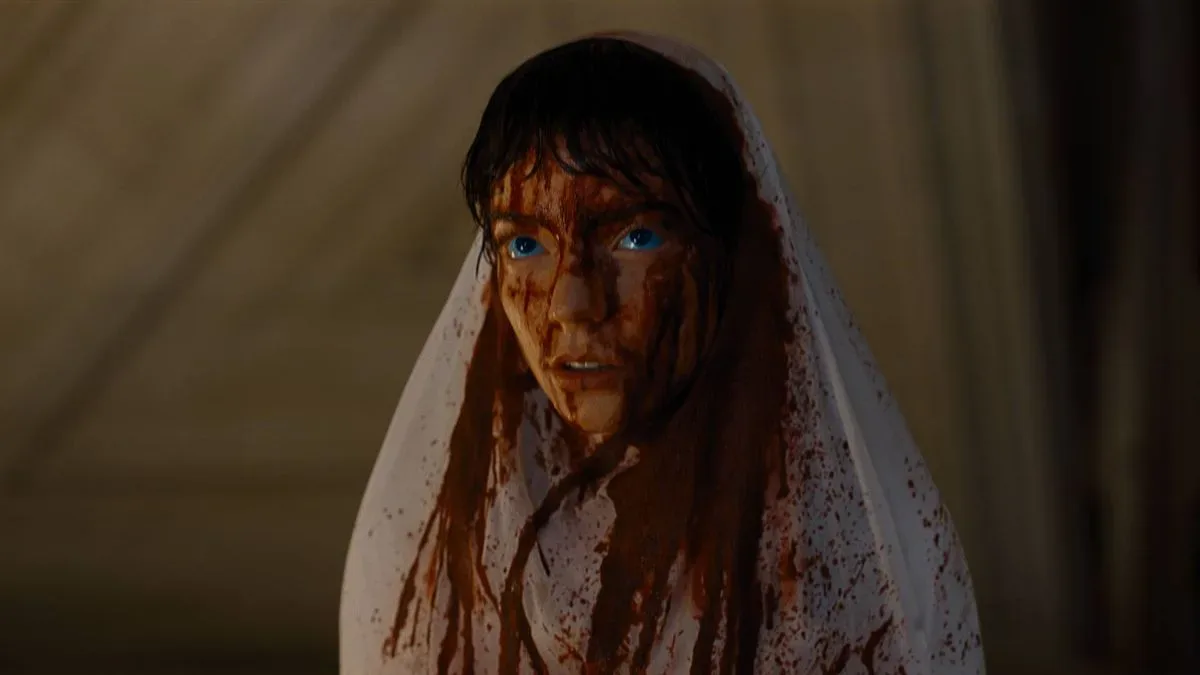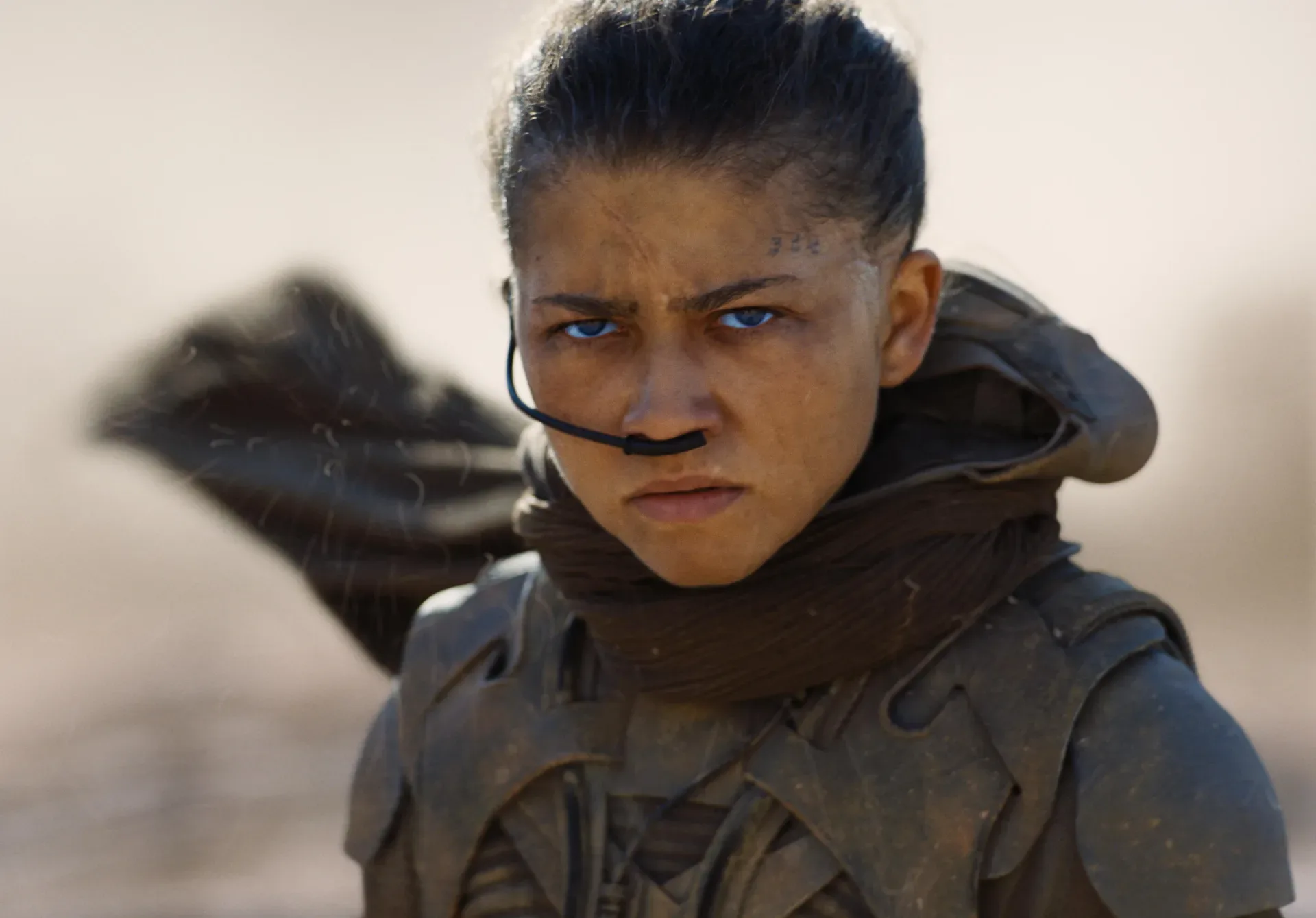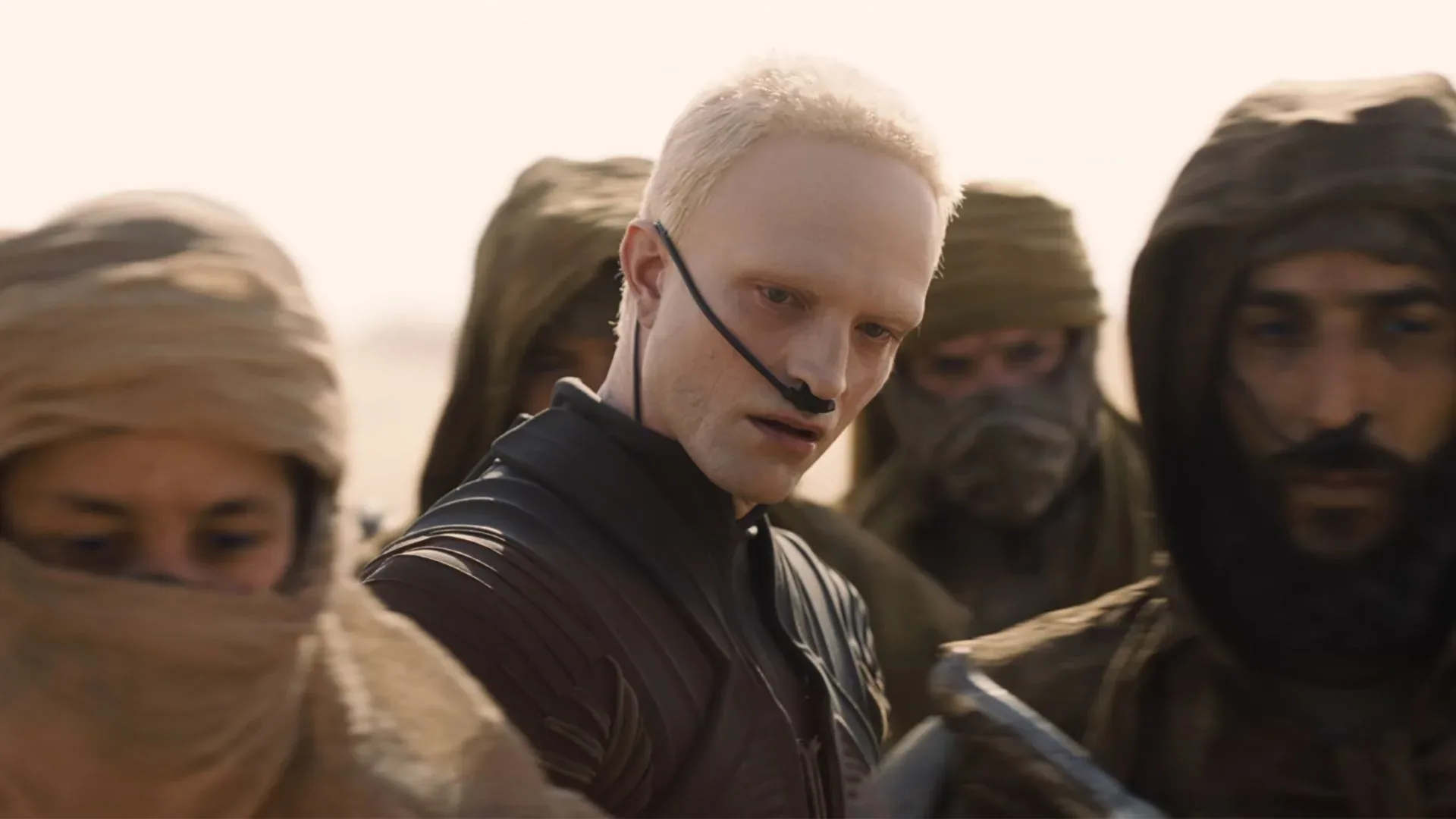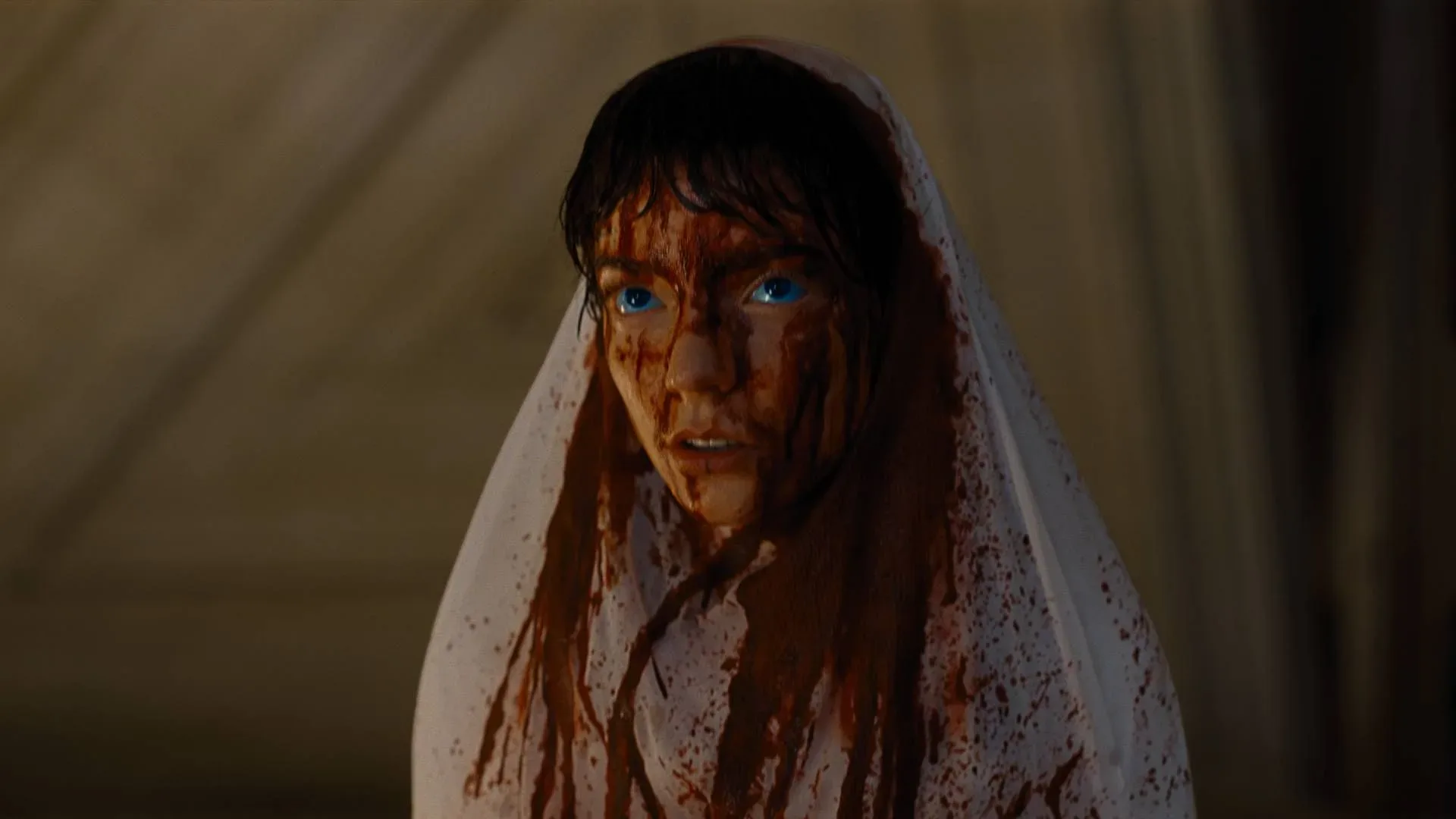
Anya Taylor-Joy’s Alia Atreides may be heading into Dune: Part Three as something much messier than a conventional ally of her brother, Paul. Taylor-Joy has described her character as a “bad guy” after discussing the finished film with director and co-writer Denis Villeneuve, a reading that signals another meaningful shift in the screen saga’s approach to the material adapted from Dune: Messiah.
The key word is not necessarily “evil.” It is allegiance. Taylor-Joy’s comments indicate that Alia is driven by an all-consuming connection to Hayt, played by Jason Momoa, and that she puts that bond above everyone else. In a story already concerned with the catastrophic consequences of charismatic leadership, that sort of loyalty can become dangerous regardless of whether the person feels noble, frightened, devoted or manipulated.
“At the end of the movie,” Taylor-Joy said of a conversation with Villeneuve, “I was like, ‘Whoa, I’m the bad guy. That’s crazy.’”
Why Alia’s role matters in this version of Dune
Alia occupies an unusually complicated place in the Atreides family. She is Paul’s sister, yet the new film appears prepared to define her less through family duty than through her relationship with Hayt. Taylor-Joy said she understood the character’s perspective: Alia has “one connection to one person,” while everyone else falls away in importance.
That is a particularly revealing description for a character in a franchise where personal relationships are inseparable from dynastic power, religious force and mass violence. Alia’s emotional certainty may make her compelling, but it does not make her choices harmless. Taylor-Joy called the performance her “most feral creation,” explaining that the role had an almost animalistic directness. That language suggests instinct and single-mindedness rather than calculated court maneuvering.
Hayt is central to this setup. He is described as a complicated figure created with malicious intent, meaning Alia’s attachment carries an obvious risk even before the audience measures it against Paul’s rule. The supplied details do not establish the precise shape of their on-screen relationship or every action Alia takes. But they do establish that it remains a major thread in Part Three, and that Taylor-Joy sees Alia’s commitment to Hayt as the lens through which the film’s moral framing becomes clear.
For viewers, that distinction is worth keeping in mind. Calling a character a villain can describe their effect on the story, their allegiance, or the consequences of their choices; it does not always mean they are secretly plotting in the most straightforward sense. Alia’s apparent villain status may be less about a simple betrayal of Paul and more about placing a destabilizing private obsession ahead of every other responsibility.
An adaptation change, not a simple book-to-screen translation
The film draws on Dune: Messiah, but it is not treating the novel as an unaltered blueprint. Villeneuve has co-written all three Dune movies and has already made substantial adaptation choices. Alia’s presentation is one of the clearest examples: she is 16 in the novel, while Taylor-Joy was 30 when discussed in connection with the role. Aging the character up necessarily changes the immediate dynamics around her and around a relationship that is expected to remain prominent.
The character’s moral position is also not a one-to-one summary of the novel. In the book, Alia does not actively conspire against Paul in the same direct fashion as Irulan and Scytale. Her closeness with Hayt nonetheless matters because he is not a neutral figure. The movie’s reported framing therefore seems poised to turn existing tensions into a sharper dramatic question: when a person’s defining loyalty is to someone formed from harmful intentions, where does that leave their responsibility to family, empire or conscience?
That is not proof that the film will erase the ambiguity surrounding Alia. If anything, Taylor-Joy’s sympathy for the character points toward a portrayal rooted in emotional logic. Alia may make sense to herself even if her priorities make her an antagonist to others. Villeneuve’s films have repeatedly used that kind of gap between personal conviction and public fallout, particularly in their treatment of Paul.
Paul’s hero image is the larger target
Taylor-Joy has also said the third film is necessary to underline that Paul is not the story’s moral lesson. “Paul is a very charismatic character,” she said, “and you have to have the third movie to be like, ‘Hold up, this is not the moral of the story.’”
That comment places Alia’s arc in a much larger re-evaluation of the Atreides myth. Charisma is a recurring problem in this version of Dune: it can attract devotion while concealing what that devotion enables. Paul is Padishah Emperor by the period covered here, and the jihad carried out in his name has led to the deaths of billions. Whatever individual characters feel about him, the political reality surrounding his reign cannot be separated from that scale of devastation.
Padishah Emperor is the imperial title associated with Paul’s position in the story. More importantly in practical dramatic terms, it means Paul is no longer merely a young man trying to survive events on Arrakis. He is the center of a vast structure of authority. Decisions made in his orbit have consequences far beyond the people who know him personally.
Under that framing, “working with Paul” can make a character look villainous even if their intentions are familial or protective. Conversely, opposing him can appear heroic, desperate, morally compromised, or all three at once. The final trailer reportedly shows Chani and Robert Pattinson’s Scytale attempting to kill a maniacal Paul, but the supplied material does not settle what their full motivations or methods will be. It does, however, reinforce the film’s interest in refusing the easy idea that the protagonist must remain the ethical center.
Chani’s altered path raises the stakes
The films have already repositioned Chani from her novel counterpart. In Dune: Messiah, she is Paul’s devoted wife; on screen, she has instead been established as someone who may be actively trying to remove him from power, or at minimum struggling with the severe betrayal at the end of Dune: Part Two. That departure matters because it prevents the third movie from organizing its conflicts along neat book-era relationship lines.
Chani’s break with Paul also makes Alia’s commitment to Hayt feel more consequential. One crucial figure near Paul is no longer automatically aligned with him. Another may be described as a bad guy because her loyalty belongs overwhelmingly to a person tied to wicked intent. And Paul himself is being explicitly reframed as a charismatic ruler whose apparent heroism cannot erase the atrocities committed in his name.
In that environment, labels such as hero and villain become points of view rather than a reliable map. The important question is likely to be what each character chooses to preserve when their personal bonds collide with the damage done by Paul’s empire. Alia’s bond with Hayt seems designed to make that collision intimate as well as political.
What audiences should take from Taylor-Joy’s comments
There is still a difference between an actor’s concise description of a character and a full account of a film’s plot. Taylor-Joy’s remarks should not be stretched into claims about exact twists, outcomes or the complete nature of Alia and Hayt’s relationship. The available information supports a more focused expectation: Alia will have a central relationship with Hayt, that connection will outweigh her other attachments, and the film ultimately places her on the “bad guy” side of its conflict in Taylor-Joy’s view.
That alone is a significant promise for Dune: Part Three. The first two films built Paul into an immense figure of prophecy and power, then exposed the ruin embedded in that ascent. The third is positioned to make the critique unmistakable, not by reducing every character around him to a single alignment, but by showing how love, loyalty and fascination can help sustain terrible systems.
For more movie-industry context, see the 2026 Hamilton Behind the Camera Awards honorees across 10 film crafts.
Dune: Part Three is set to release December 18, the same day as Avengers: Doomsday.