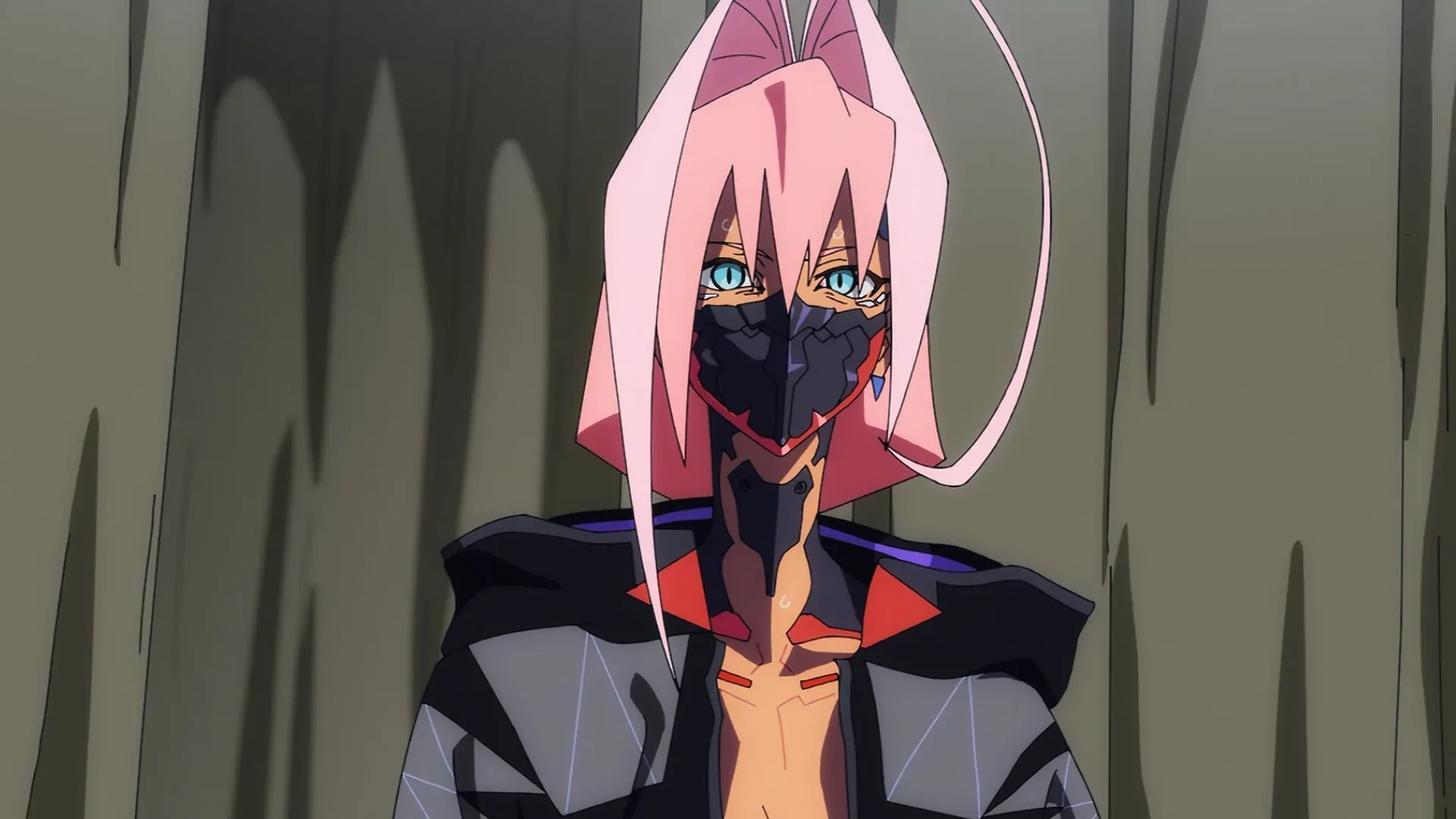
Japan Expo’s annual gathering in Paris has once again supplied a reminder that cosplay is not a side attraction at a fan convention. It is one of the clearest ways attendees turn their enthusiasm into something public, collaborative, and remarkably specific. The event describes itself as the biggest convention of its kind outside Japan, and its scale has precedent: more than 250,000 people attended in 2019. At that kind of gathering, a cosplay floor can become its own crossover universe—one where a Dark Souls 3 Fire Keeper might share space with One Piece pirates, a Cyberpunk 2077 combatant, and characters from a fantasy RPG.
A 19-look selection from the Paris event spans video games, anime and manga, film, and fashion-forward group presentations. The range is the headline. Some choices lean on instantly recognizable silhouettes, while others draw attention because the character is defined by difficult armor, unusual shapes, elaborate props, or an aesthetic that must be translated from animation or a game engine into real materials.
The collection also makes room for individual character work and ensemble cosplay alike. That matters because the two approaches ask for different kinds of planning. A single look can focus on a precise costume identity; a group has to coordinate characters, scale, color, and the shared sense that everybody belongs to the same world.
Game characters lead a broad lineup
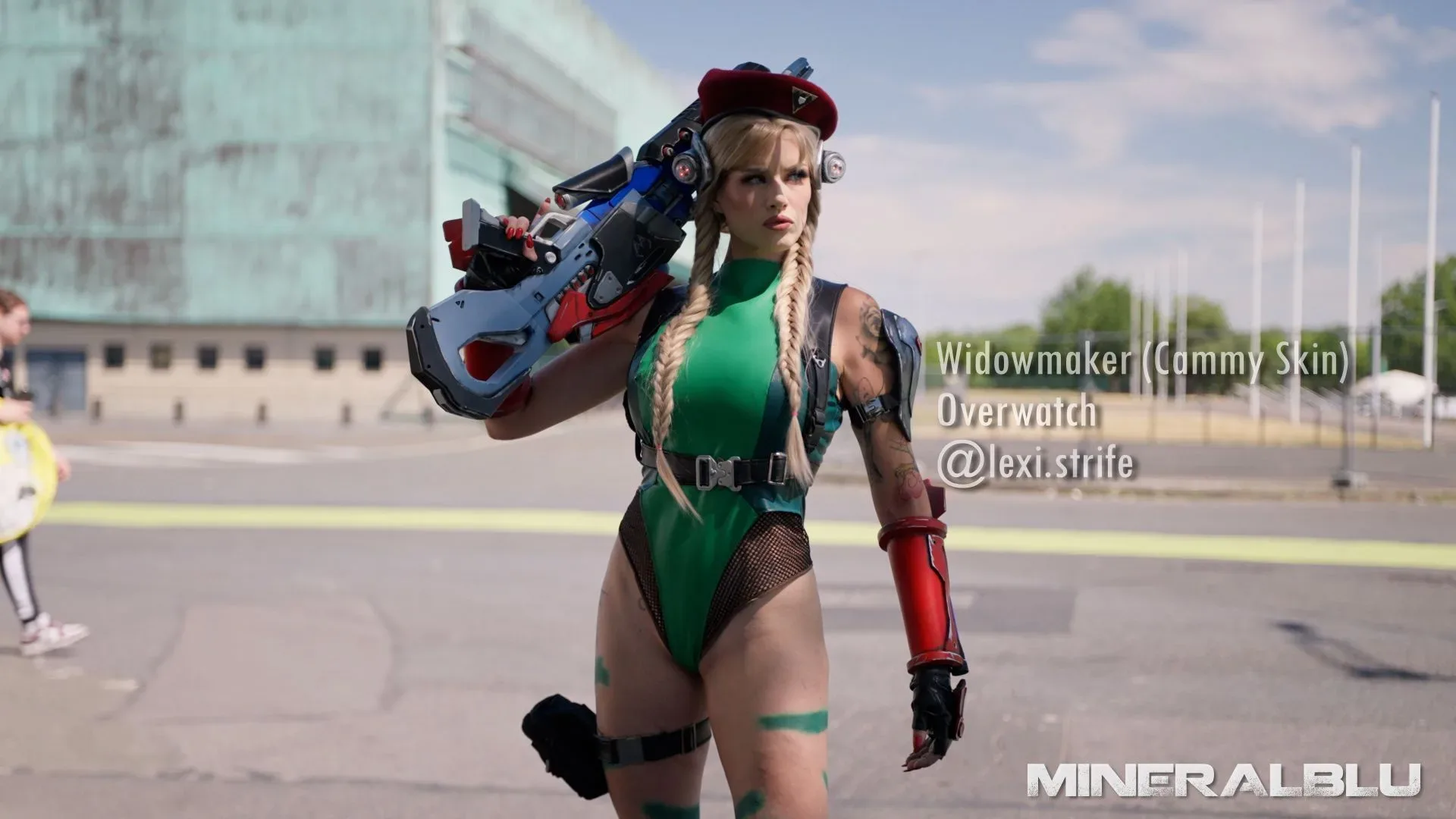
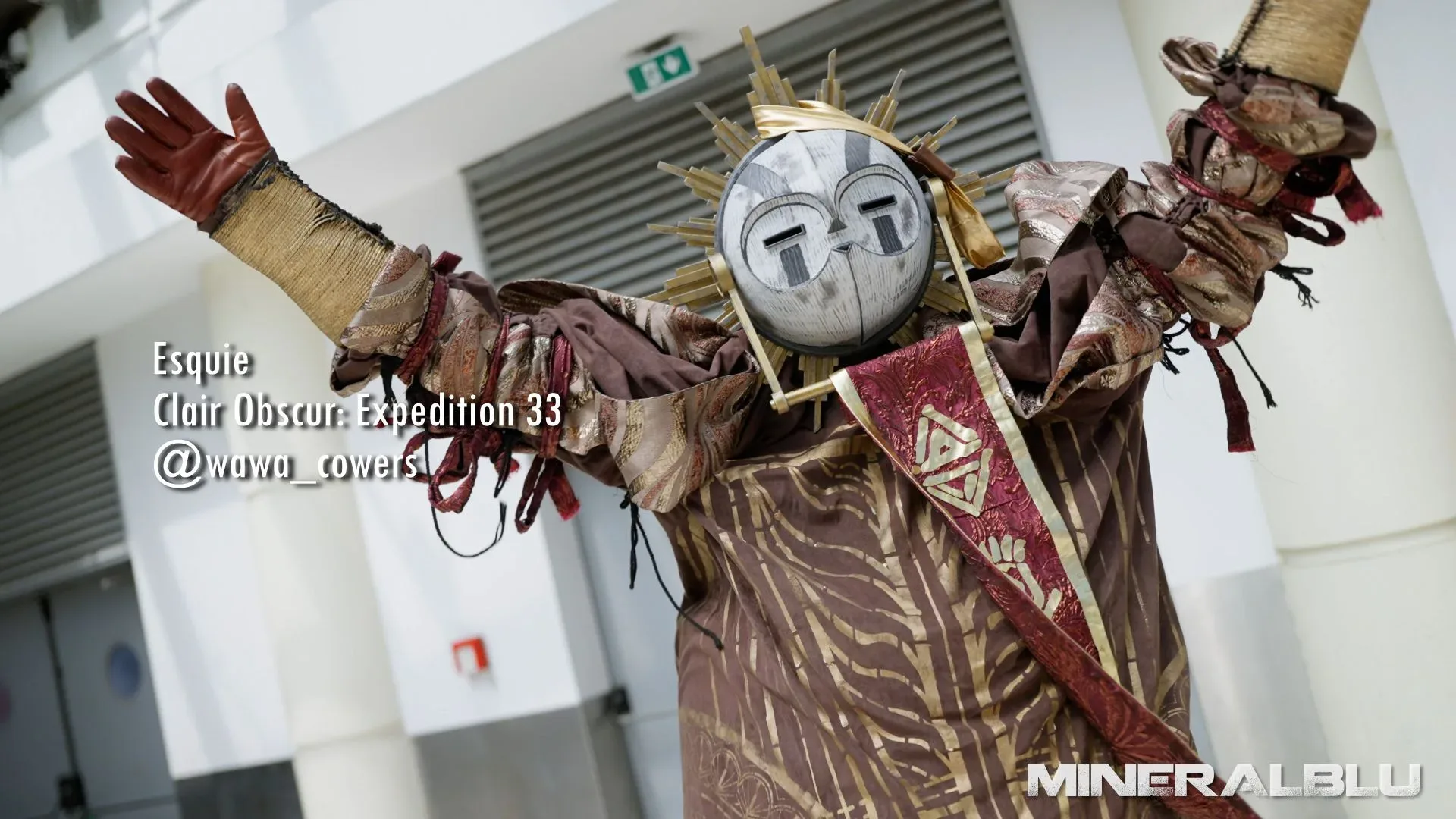
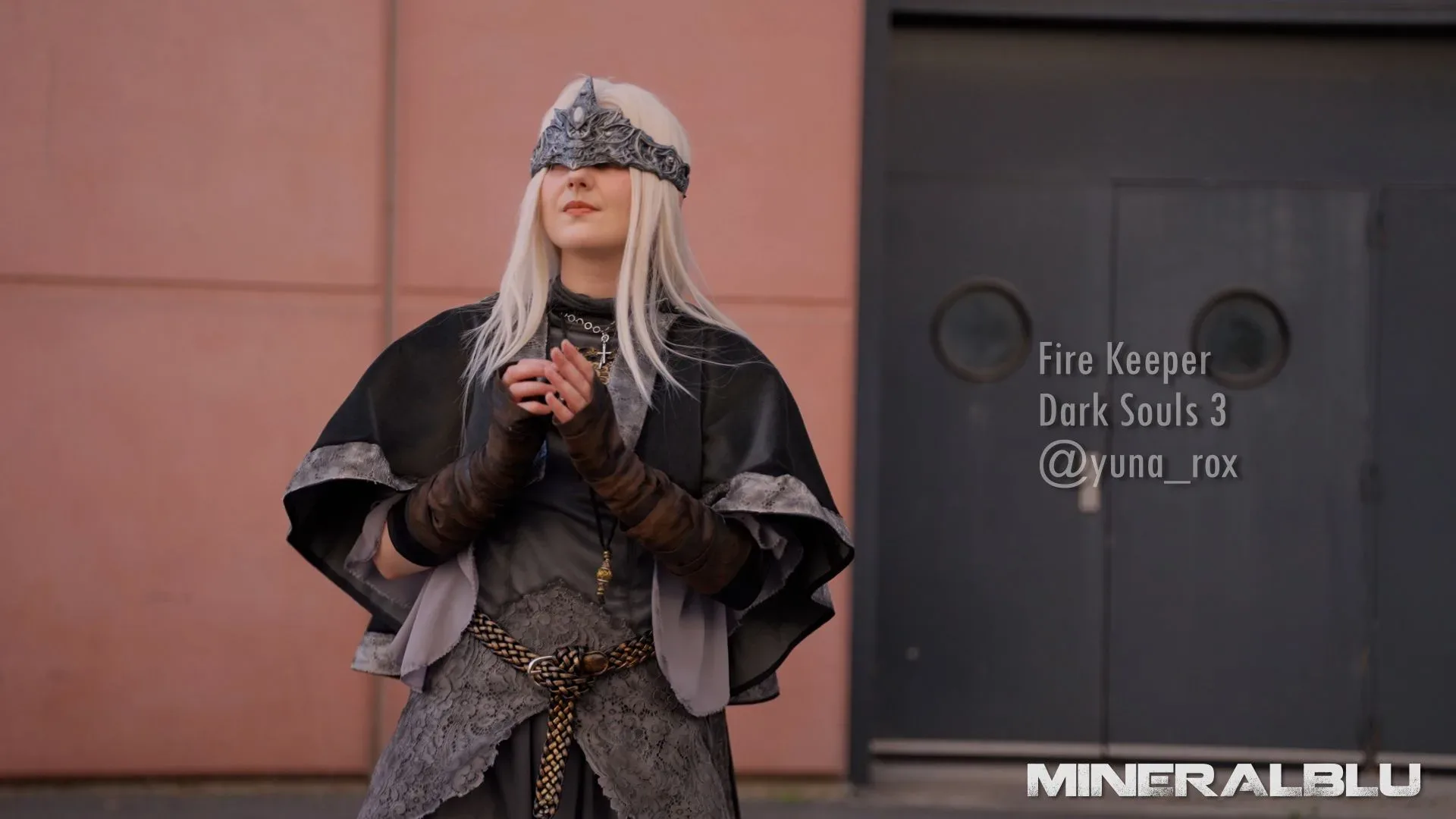
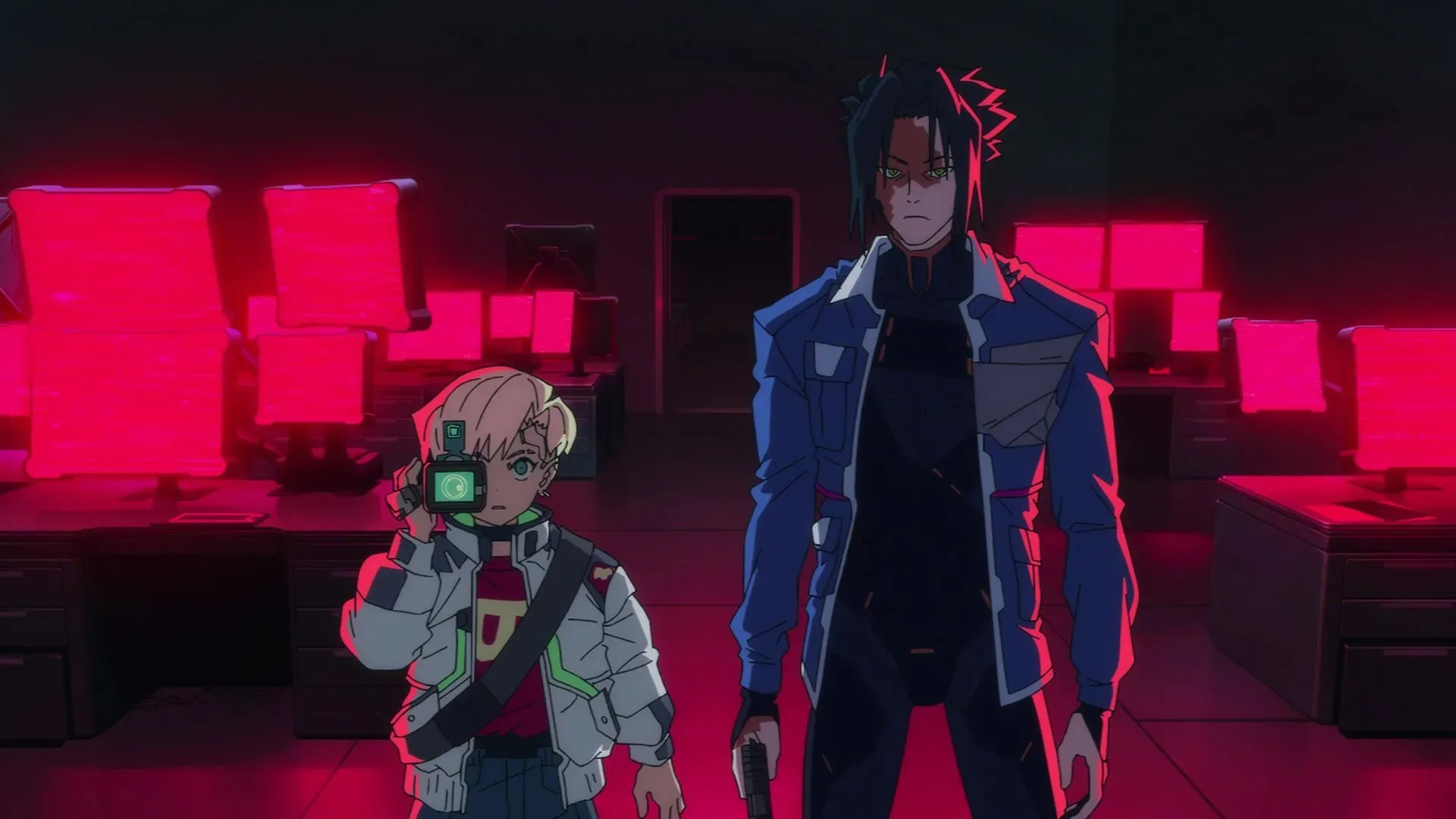
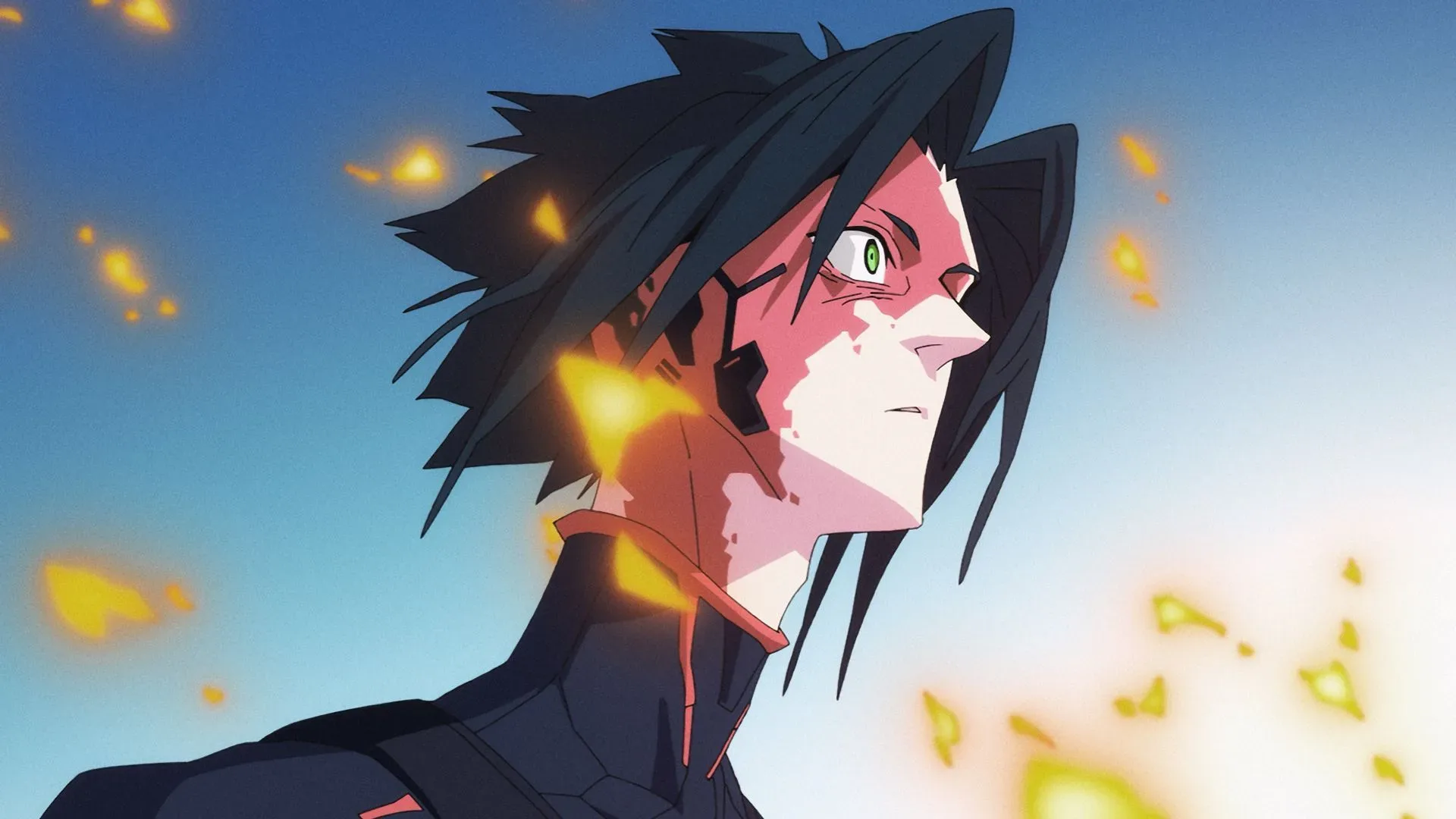
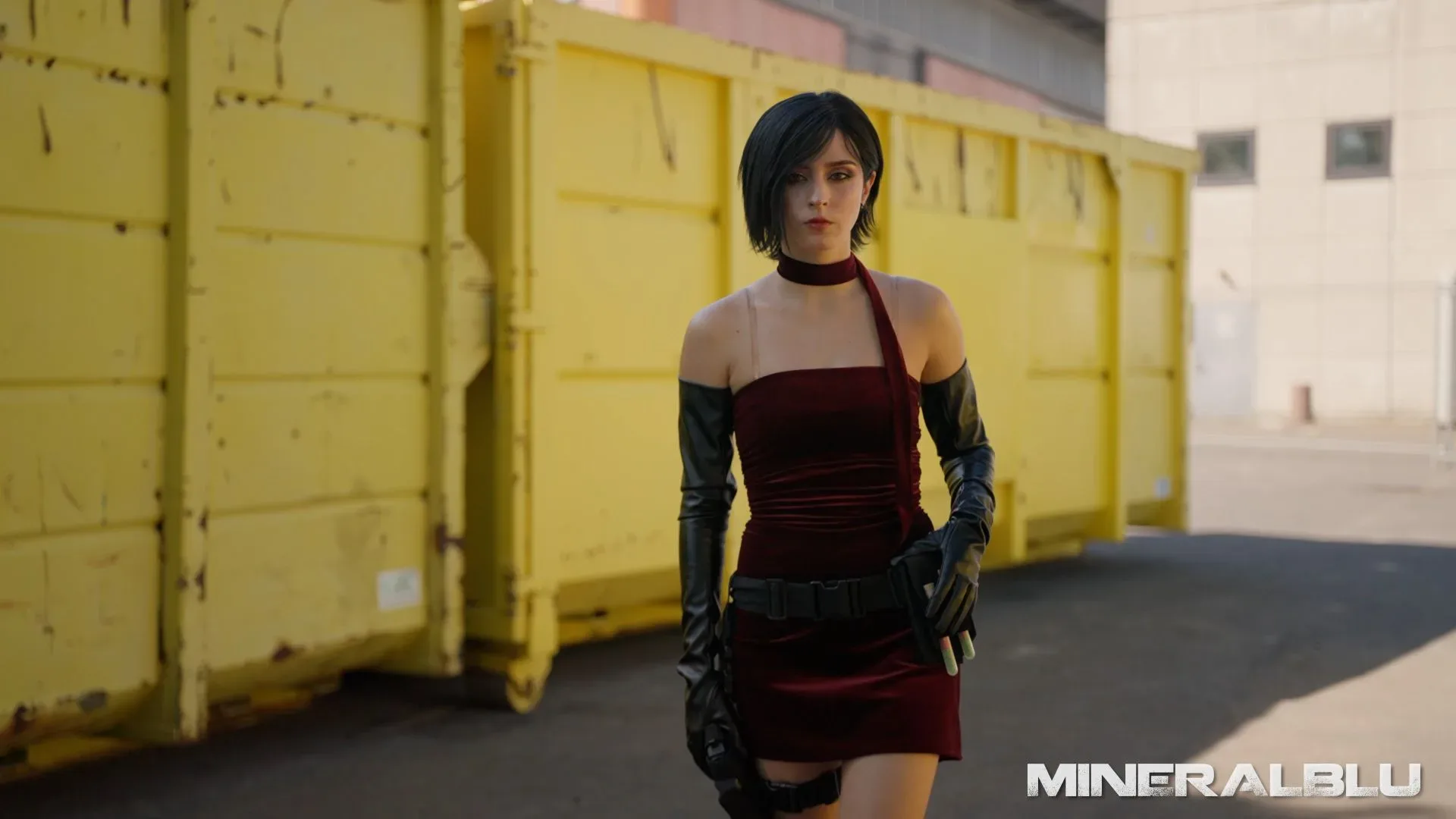
Video game cosplay is particularly well represented, with characters from franchises that differ radically in tone and visual language. Ada Wong from Resident Evil 2 appears alongside Widowmaker from Overwatch, Esquie from Clair Obscur: Expedition 33, the Fire Keeper from Dark Souls 3, and Oda from Cyberpunk 2077.
That is a useful snapshot of how many distinct visual challenges game cosplay can contain. Ada Wong is tied to a clean, recognizably stylish spy-thriller presentation. Widowmaker calls to mind the heightened, competitive-hero design of Overwatch. The Fire Keeper has the ceremonial darkness and layered fantasy costuming associated with FromSoftware’s world. Oda’s appearance brings the sharp, technological edge of Cyberpunk 2077 into the mix.
Several other game worlds also show up in the selection:
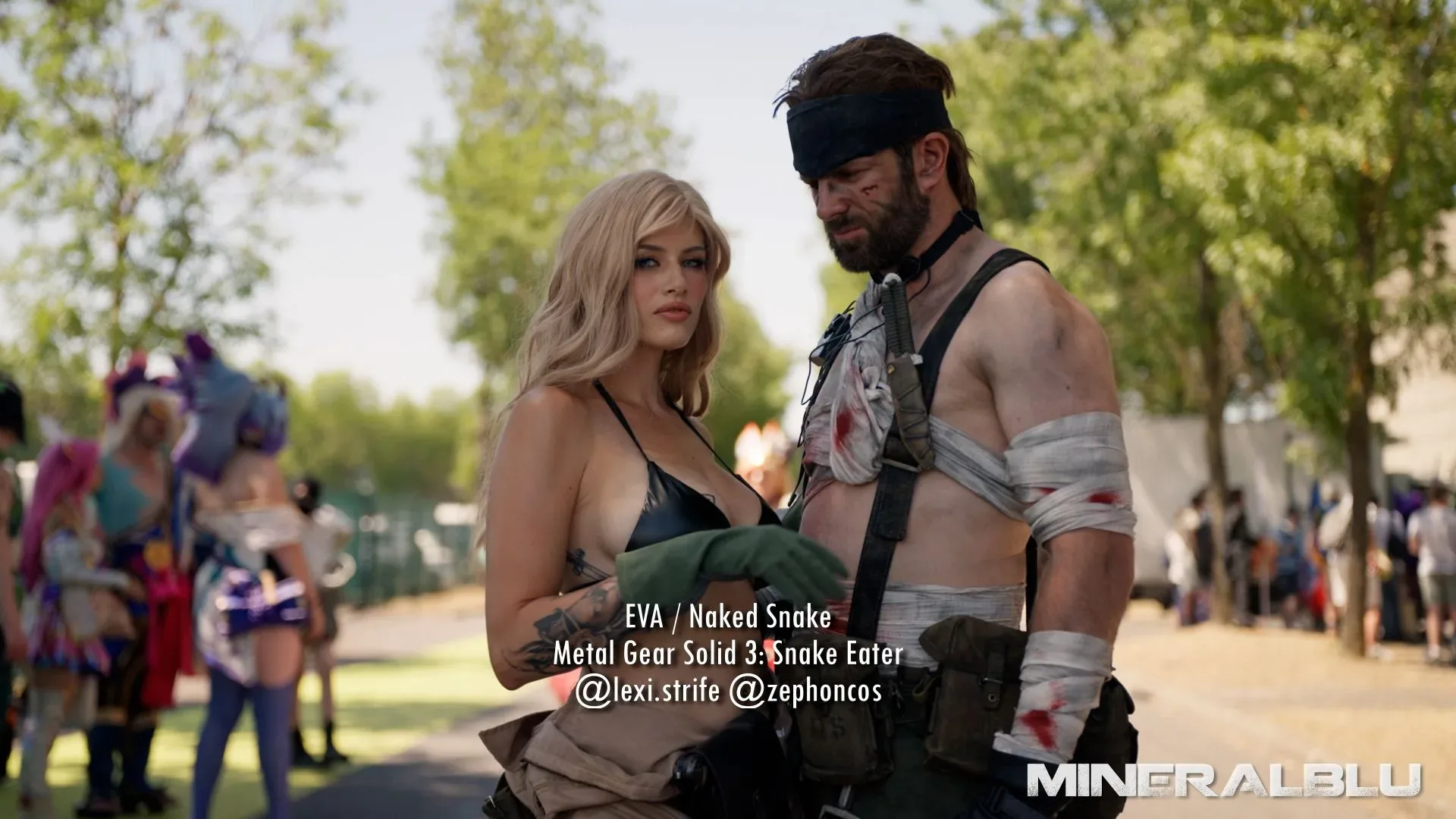
- EVA and Naked Snake from Metal Gear Solid 3
- Tifa, Aerith, and Cloud from Final Fantasy VII
- Lady Shar from Baldur’s Gate 3
- Link from The Legend of Zelda
- Nangong Yu and Corin from Zenless Zone Zero
The Final Fantasy VII trio is an especially natural convention-floor composition. Tifa, Aerith, and Cloud are three of the series’ most widely recognized characters, and their shared appearance lets the costume choices work as a complete party rather than isolated references. Fans keeping an eye on the latest direction of the wider project can also read about how Final Fantasy 7 Revelation is aiming to build beyond Rebirth.
Lady Shar, credited to @maiicosplay, stands out as another example of a character whose visual identity is more than a familiar outfit. The design is rooted in the deity and the dark religious imagery surrounding her in Baldur’s Gate 3. A strong adaptation of that kind of character has to communicate atmosphere as well as costume elements. Likewise, the Fire Keeper, credited to @yuan__rox, comes from a game where mystery, melancholy, and ritual are inseparable from the character’s visual impact.
Related coverage includes Japan Expo Paris Cosplay Gallery Celebrates Gaming Icons and Anime Favorites.
Anime and manga favorites make the floor feel communal
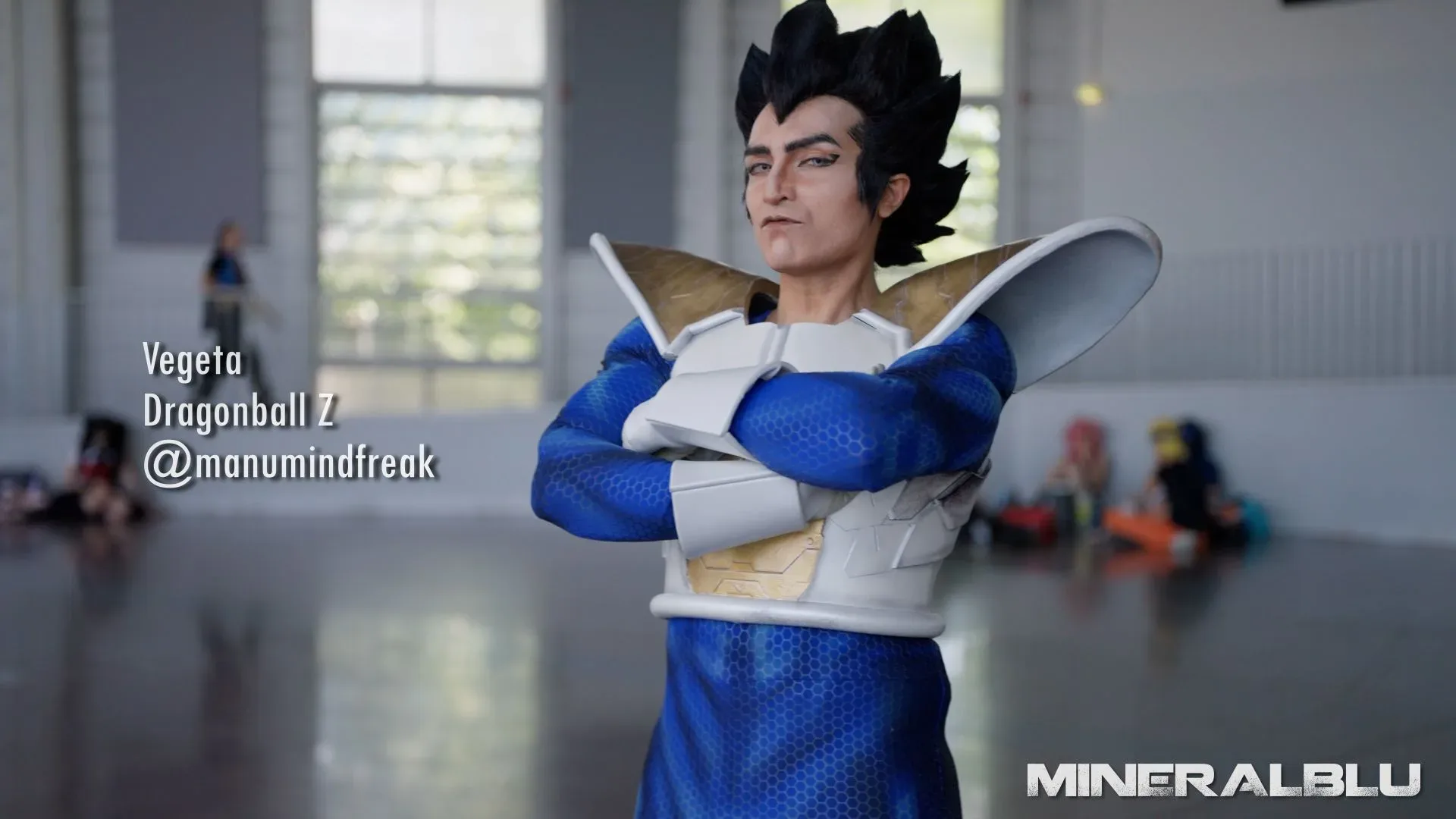
The list stretches well beyond games. Vegeta from Dragon Ball Z and Naruto from Naruto represent two foundational shonen series whose characters have remained convention staples for decades. Their presence is unsurprising, but that does not make it less meaningful: cosplay’s most durable icons are often those that can be recognized in a fraction of a second from hair, posture, color, or a single signature accessory.
One Piece receives both a group appearance—Nami, Chopper, and Nico Robin—and a separate Nico Robin look. The repeat is a small indication of the series’ enormous character bench and the flexibility of its fandom. One group can choose a tightly linked crew configuration, while another attendee can build an entire presentation around one favorite character. Interest in the broader anime landscape continues to create new reasons for fans to watch convention programming too, including the possibility that a Naruto New York Comic Con panel could bring news of an animated film.
Gachiakuta is represented twice: once as a broader franchise entry and once through Riyo. Qifrey and Coco from Witch Hat Atelier bring another form of fantasy design, one shaped by the series’ magical craft and illustration-forward style. These choices give the lineup a welcome balance between enormously familiar properties and works with their own dedicated visual languages.
Then there is the Monster High group cosplay, which reinforces a basic truth about the hobby: it has never been confined to one medium. The franchise’s doll-inspired fashion, monster motifs, and bold color palettes are built for a collective presentation. Group work can turn a convention walkway into a moving tribute to an entire cast, rather than a single character.
What makes these choices memorable
A gallery can identify a costume, but the strongest convention looks tend to invite viewers to think about the labor behind recognition. Cosplay may involve sewing, patterning, styling wigs, makeup, prop construction, armor fabrication, material selection, and posing. Not every costume uses every discipline, and it is not possible to determine construction details from a character list alone. Still, the selected characters point to the breadth of the craft.
For example, Link’s enduring design depends on an immediately readable fantasy-adventure outline: tunic, cap, equipment, and a hero’s traveling silhouette. A character such as Oda is associated with a very different task, centered on translating the hard-edged visual vocabulary of a futuristic game into physical form. The Fire Keeper and Lady Shar sit in another category, where drapery, ornamentation, and mood are central. The contrast is precisely why a mixed gallery is more interesting than a parade of costumes from a single property.
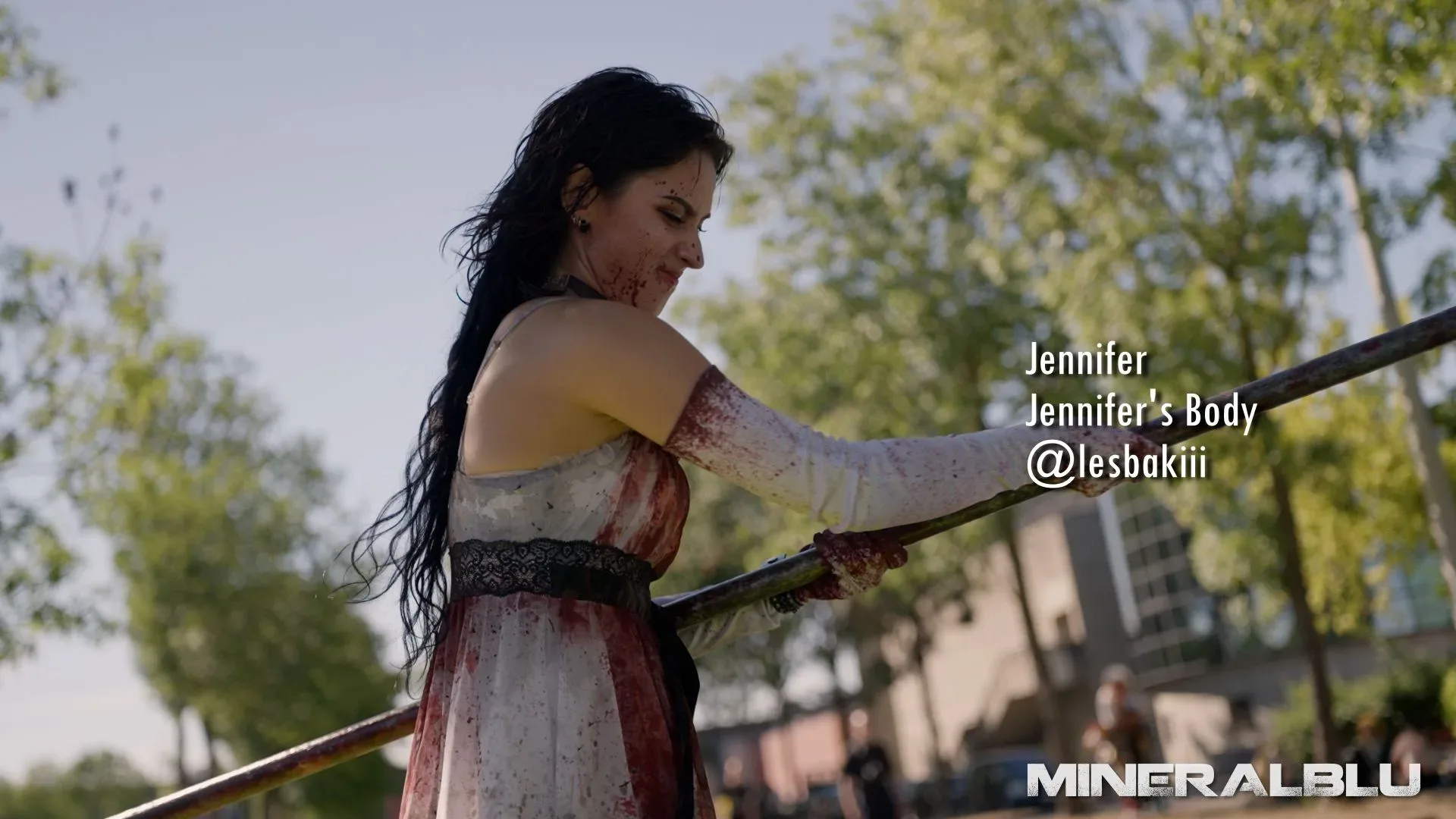
Jennifer from Jennifer’s Body contributes a film reference that cuts through the games-and-anime concentration. It broadens the conversation without breaking the gallery’s overall feeling: genre stories travel easily between screens, printed pages, games, and real-world convention halls. Cosplay fans are often responding not merely to a title, but to a character’s visual shorthand and emotional energy.
The 19 featured cosplay subjects
- Ada Wong from Resident Evil 2
- Widowmaker from Overwatch
- Esquie from Clair Obscur: Expedition 33
- Jennifer from Jennifer’s Body
- The Fire Keeper from Dark Souls 3
- Vegeta from Dragon Ball Z
- EVA and Naked Snake from Metal Gear Solid 3
- A Gachiakuta cosplay
- Tifa, Aerith, and Cloud from Final Fantasy VII
- Lady Shar from Baldur’s Gate 3
- Link from The Legend of Zelda
- Riyo from Gachiakuta
- A Monster High group
- Nami, Chopper, and Nico Robin from One Piece
- Qifrey and Coco from Witch Hat Atelier
- Nico Robin from One Piece
- Nangong Yu and Corin from Zenless Zone Zero
- Naruto from Naruto
- Oda from Cyberpunk 2077
The strongest takeaway from this Paris selection is not that one fandom dominates another. It is that cosplay gives every kind of fandom a shared visual language. A current RPG can sit alongside a long-running anime; a cult horror-comedy character can meet a mascot from a major game series; and a coordinated trio can stand beside a solo costume driven by a single, intricate character concept. Japan Expo’s featured looks capture that energetic collision of influences—and the care that keeps it from feeling chaotic.