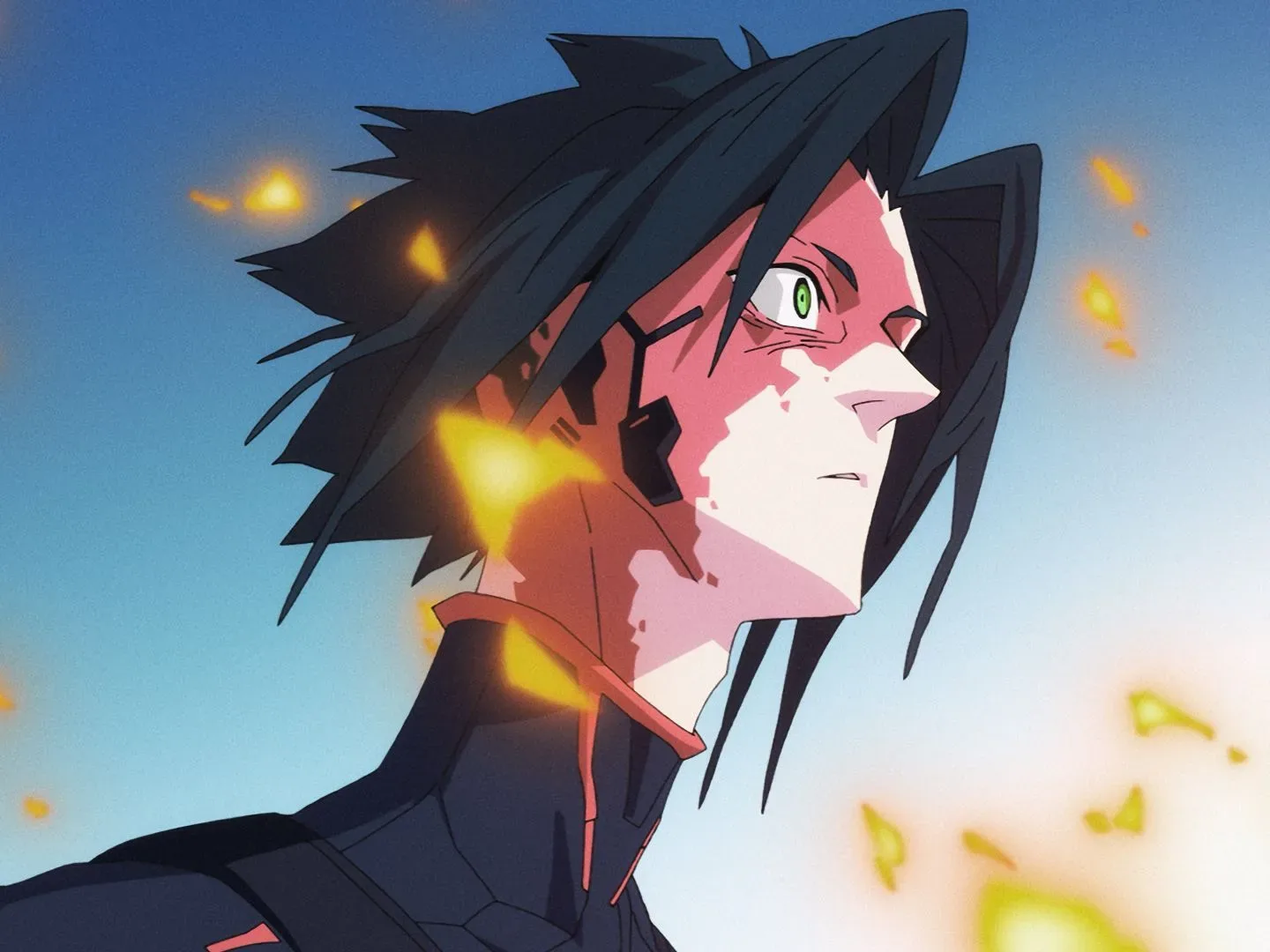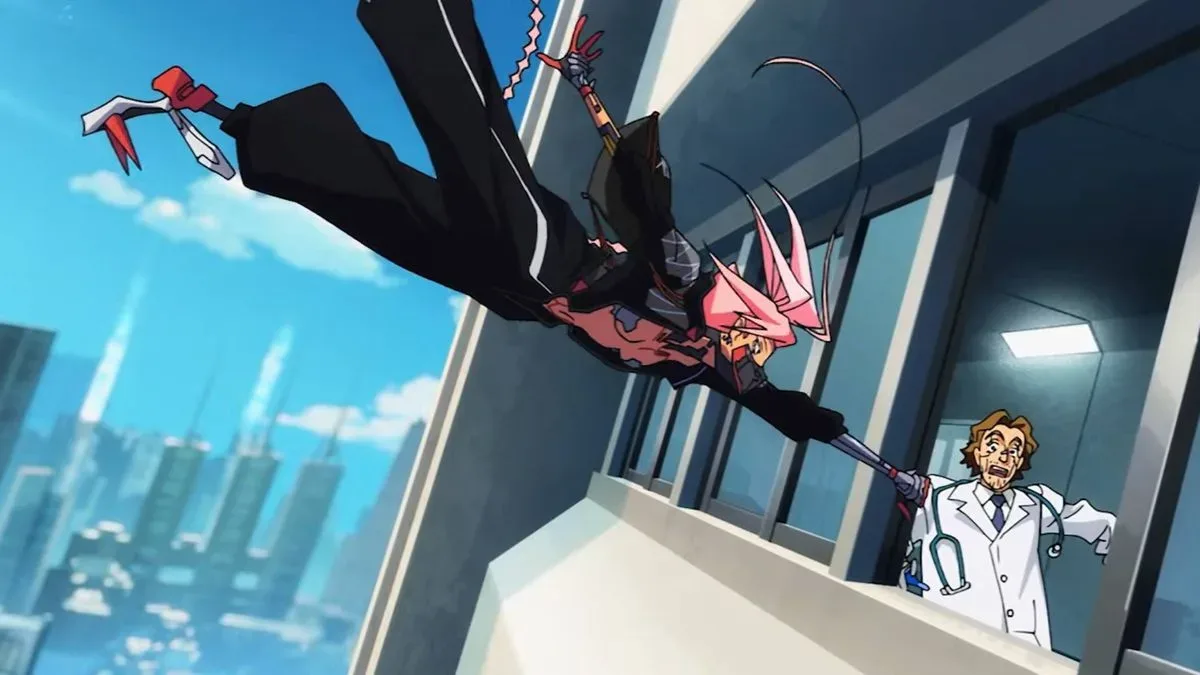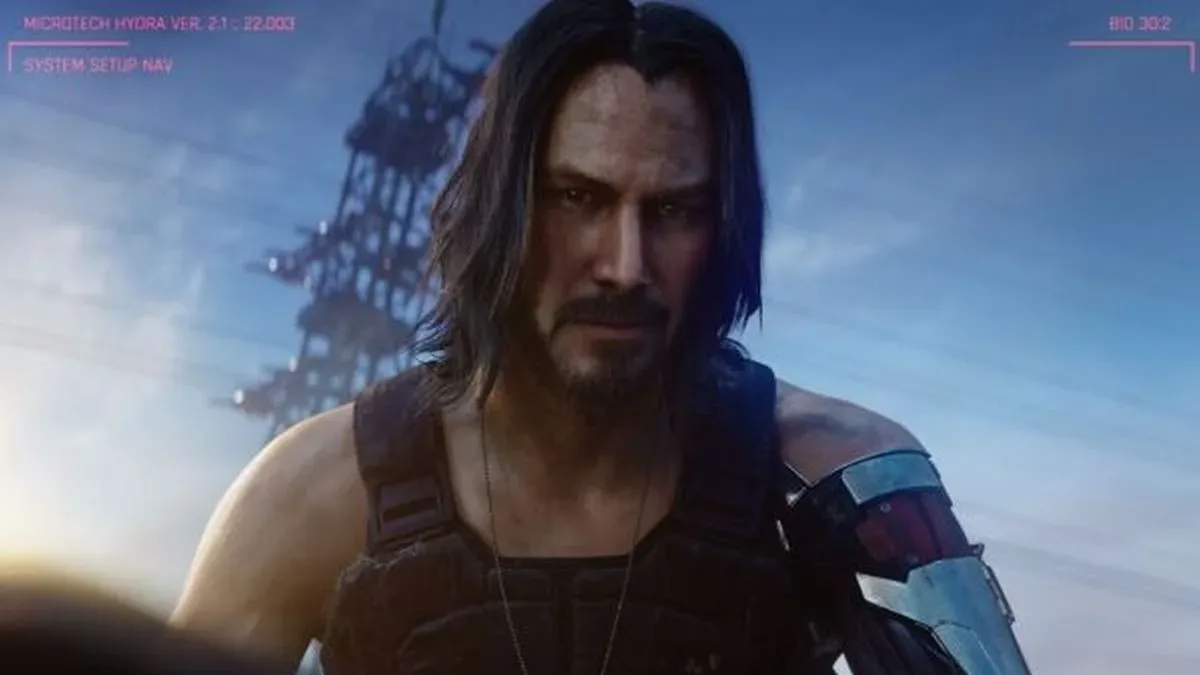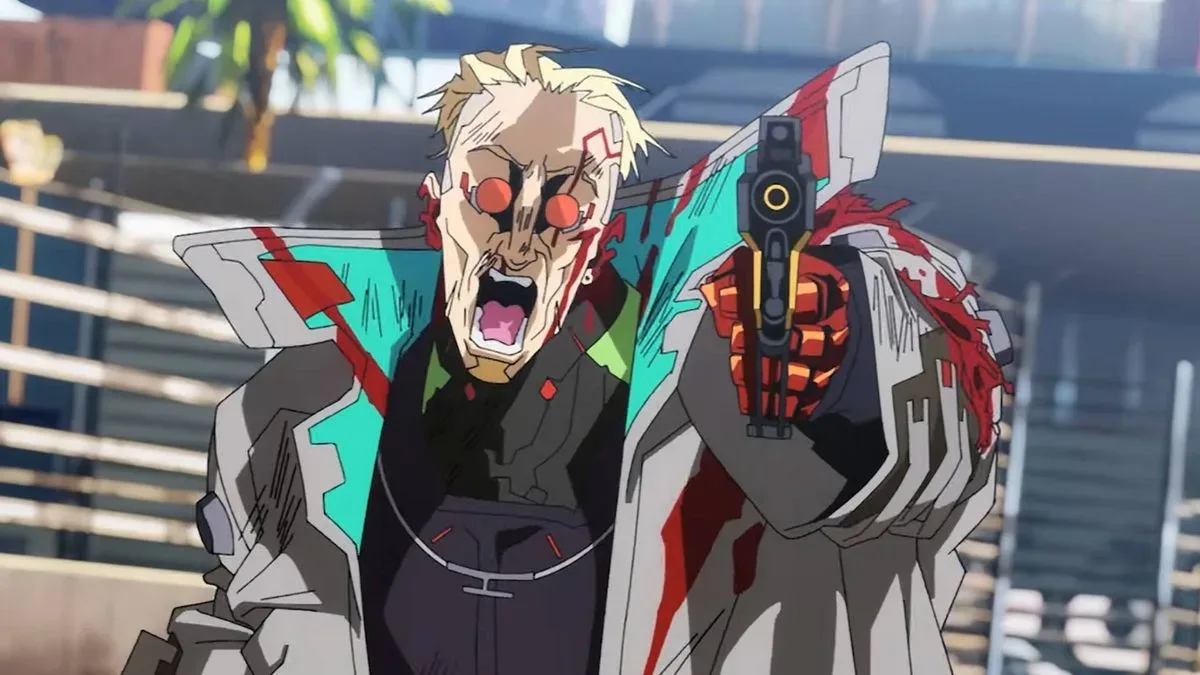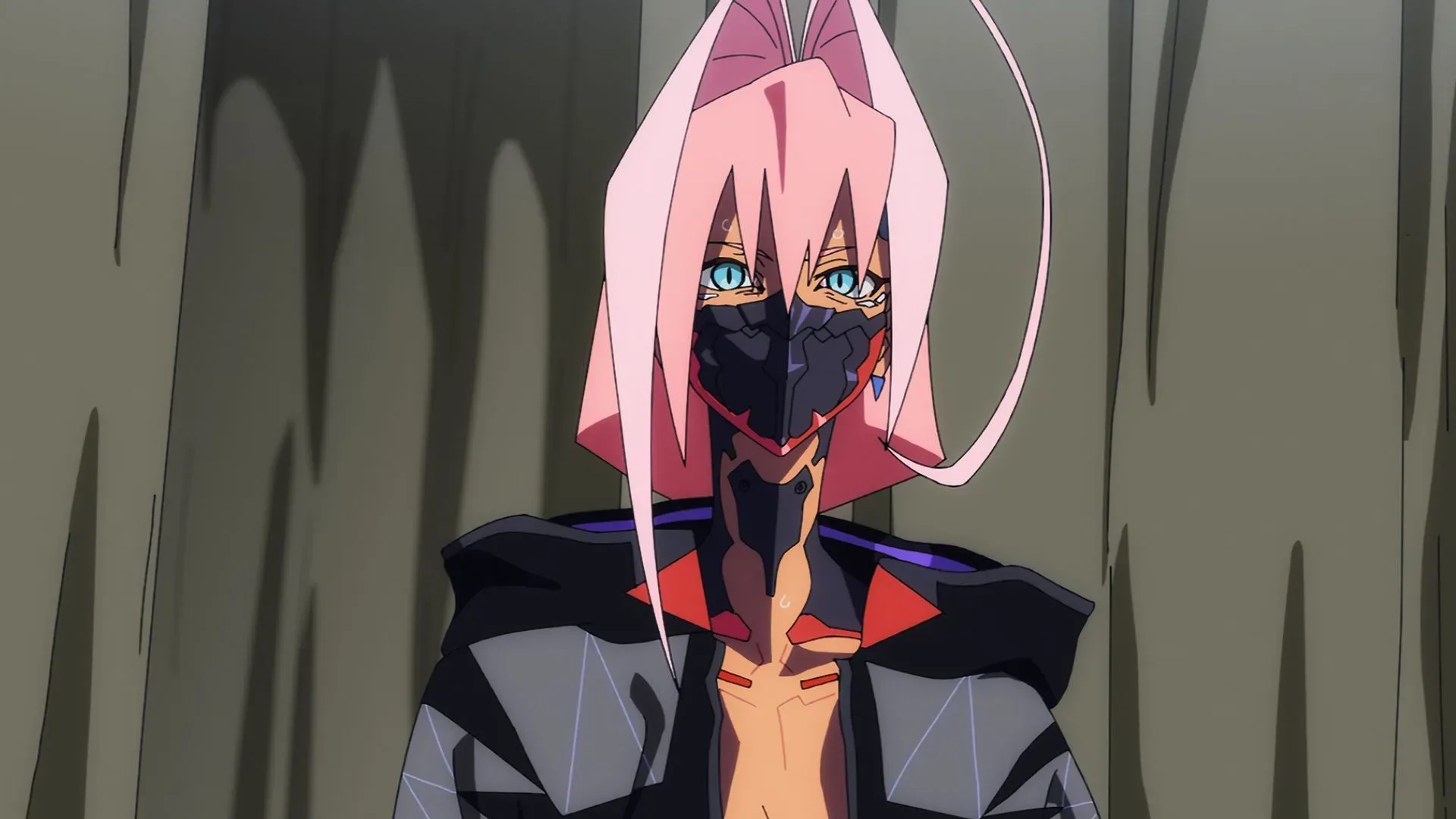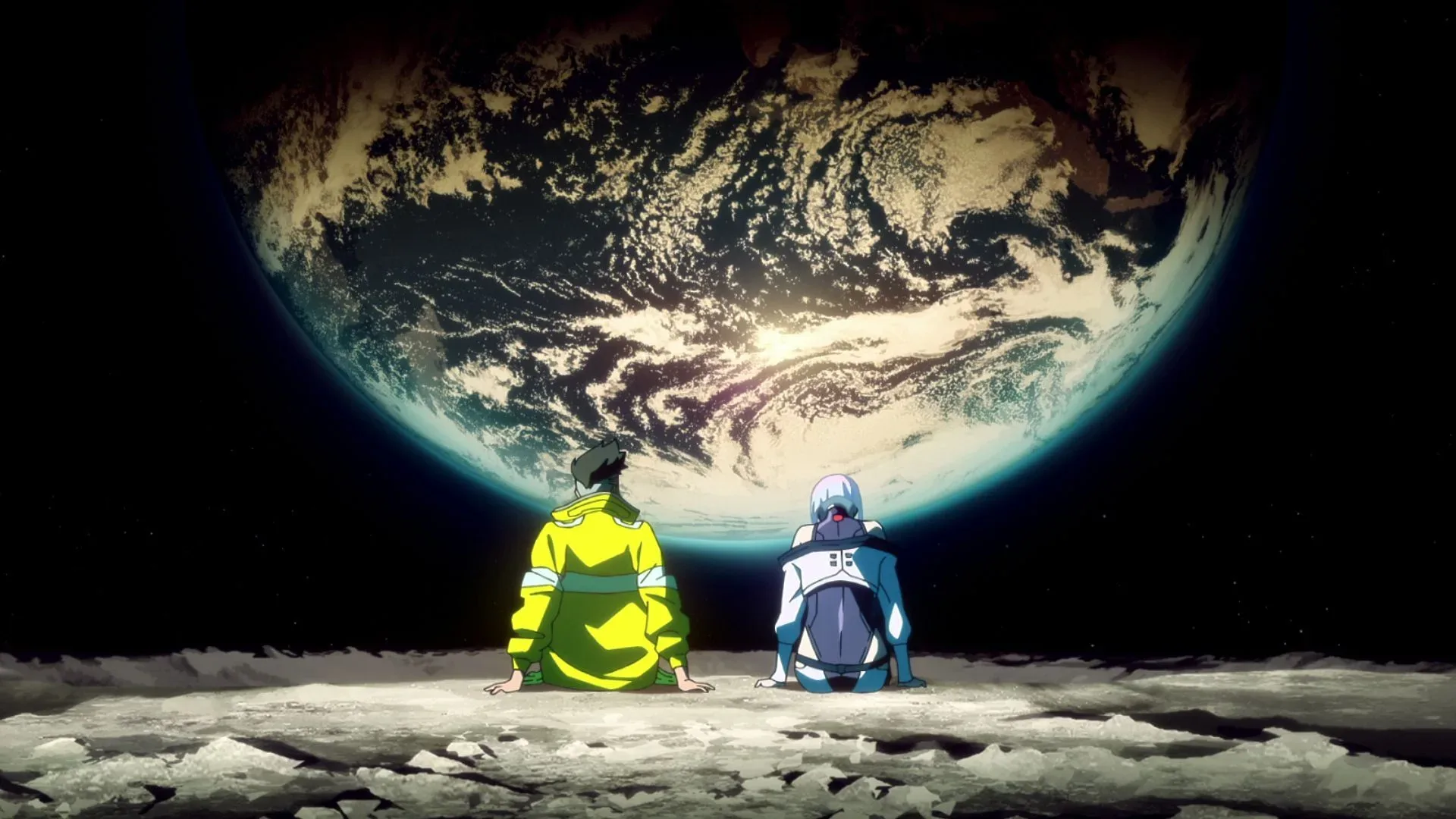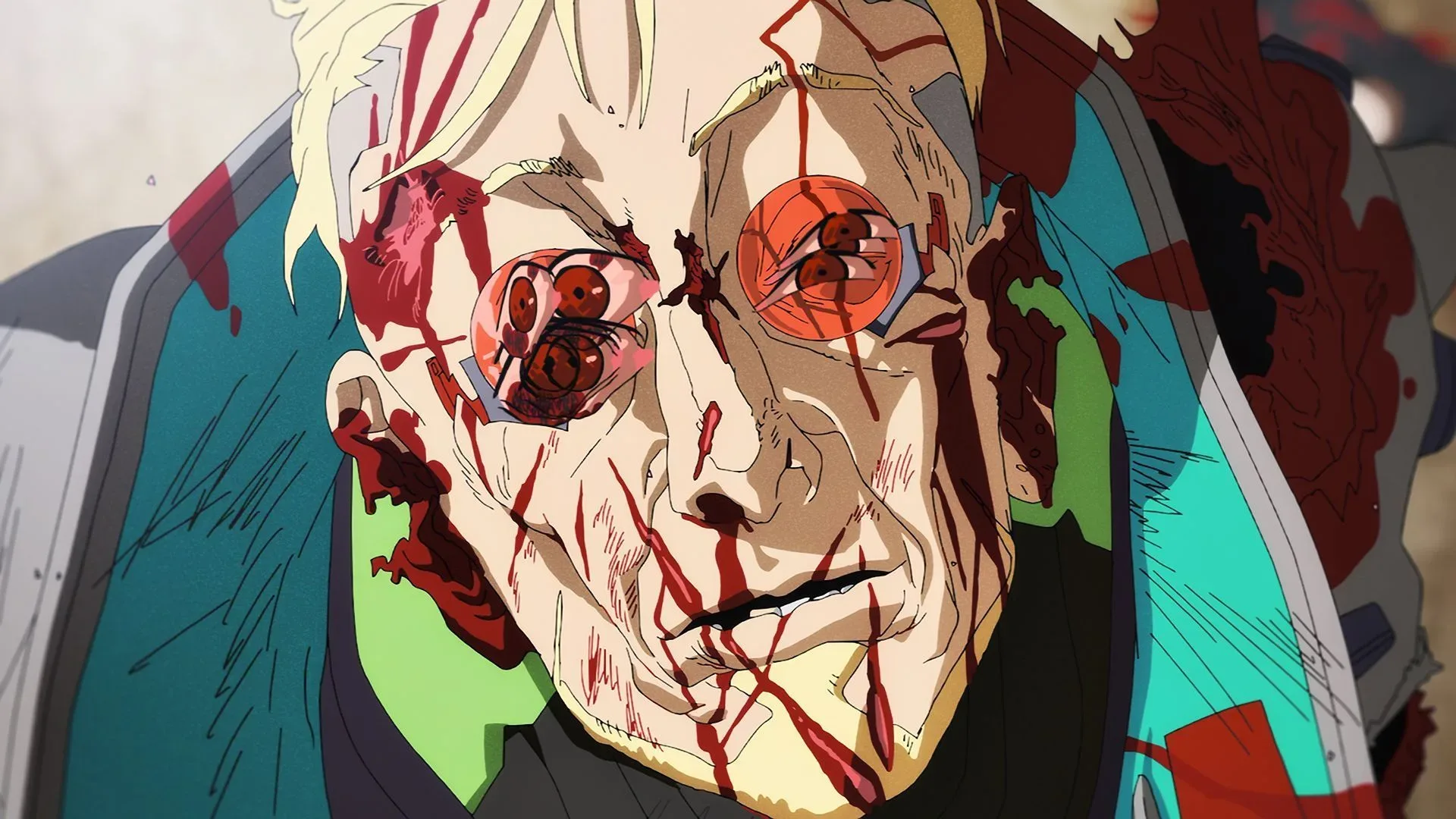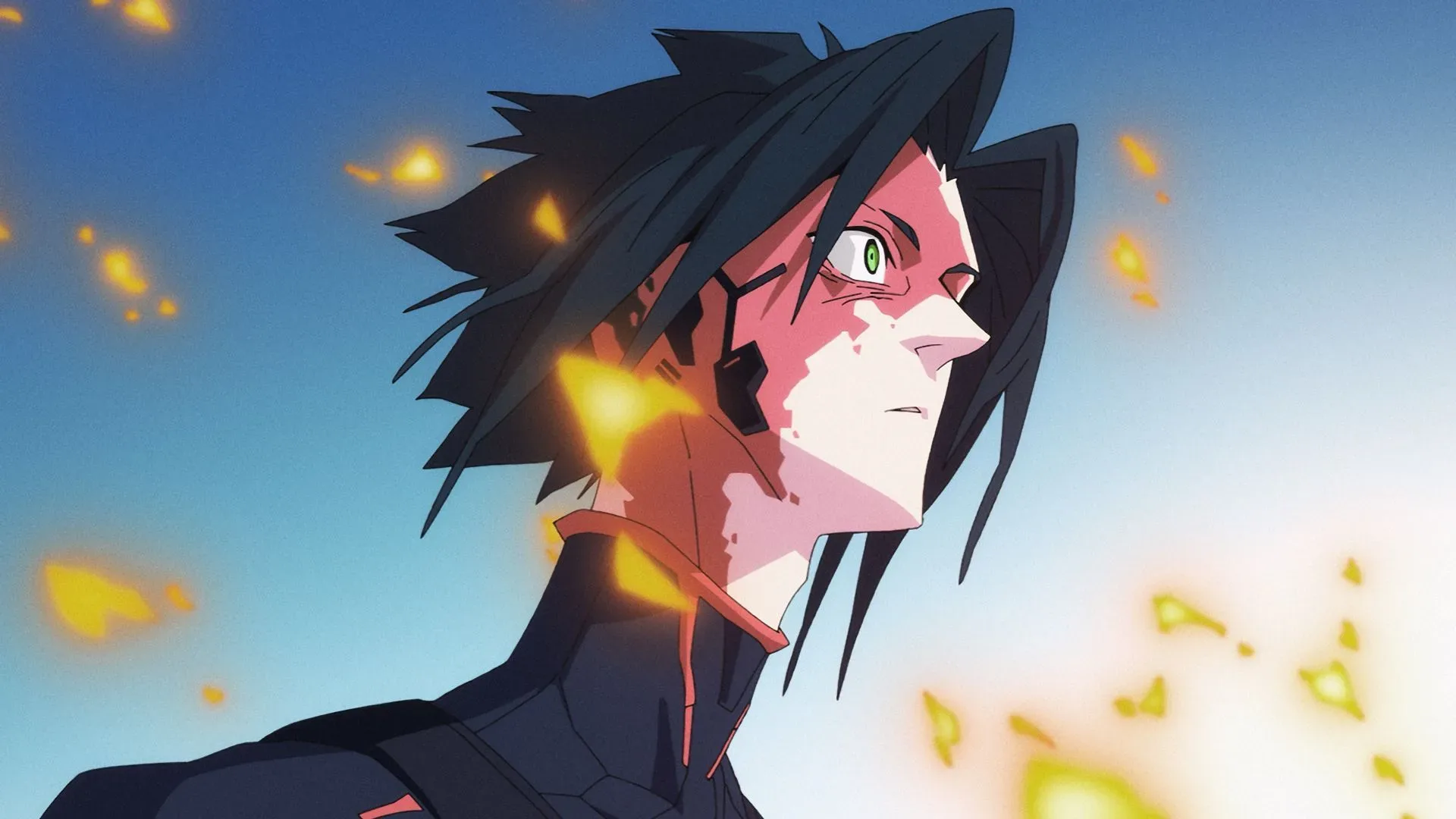
Cyberpunk: Edgerunners season 2 appears to be set after the main events of Cyberpunk 2077, although its precise place on the calendar has not been officially stated. The show gives viewers enough connective tissue to assemble a persuasive theory, but it deliberately stops short of putting a year on screen. That restraint matters: the series’ creator, Bartosz Sztybor, has indicated that a direct answer would spoil elements of the story.
The cleanest answer, then, is one of confidence levels rather than absolutes. Season 2 is certainly later than the first Edgerunners story. It is plausibly later than Cyberpunk 2077 as well. A placement around 2078 or 2079 fits the clues currently available, but remains an interpretation rather than a confirmed date.
The franchise timeline, with certainty clearly separated
Several anchor points make the broad chronology easier to follow:
- Johnny Silverhand dies in 2023.
- The first season of Cyberpunk: Edgerunners, including David Martinez’s death, is placed around 2076.
- Cyberpunk 2077 reaches its ending events in 2077, including V’s attack on Arasaka headquarters.
- Edgerunners season 2 occurs after season 1; an approximately 2078–2079 placement is possible, but unconfirmed.
The 2076 placement for David’s story comes from dialogue connections between the anime and the game: references establish that David met one of the fixers roughly a year before the game’s events. That makes season 2’s position after season 1 the one firm conclusion. It cannot precede the David Martinez tale if characters are already discussing its consequences.
More importantly, the way Night City talks about David suggests some meaningful time has passed. His actions have become part of the city’s street mythology rather than immediate news. In the finale, D. characterizes them as something that happened “a while back.” That phrase is not a timestamp, and it should not be treated as one. Still, it points away from a story taking place immediately after 2076.
Why a post-2077 setting is the strongest reading
The biggest evidence comes from Soulkiller and the shifting corporate landscape around it.
Soulkiller is the system tied to digital consciousness in this corner of the Cyberpunk setting. It is central to the connection between Johnny Silverhand and V in Cyberpunk 2077. In season 2, episode 6 refers to Johnny’s consciousness being combined with V through the same system that later ends up in D.’s head. That is more than a casual callback: it situates D.’s situation in a technological and narrative environment where the game’s most consequential Soulkiller-related events are already part of the picture.
The show also presents Soulkiller as technology that is no longer merely an abandoned or hidden relic. Kung Tao is shown duplicating it, while Arasaka is described as taking greater blows than before. Taken together, those details imply a redistribution of influence. A technology once strongly associated with Arasaka is being copied and used more openly, while a rival company finds room to advance.
Related coverage includes Cyberpunk: Edgerunners Season 2 May Take Place After Cyberpunk 2077.
That does not create a watertight date on its own. Fictional corporations can lose influence for many reasons, and a copied technology does not automatically establish the exact moment it was copied. But the combination is telling. Arasaka’s diminished standing, the visible re-emergence of Soulkiller, and the direct reference to V and Johnny form a coherent post-game interpretation.
There is another narrative reason the theory holds up. Season 2’s ending involves devastation in the Badlands on a scale that would be difficult to ignore had it already happened before the events of Cyberpunk 2077. The argument here is necessarily inferential: absence of a reference is not proof. Yet a major incident occurring after the game avoids that continuity pressure much more neatly than placing it beforehand.
What “after Cyberpunk 2077” does and does not mean
A post-2077 setting does not require the anime to declare one game ending as the sole, definitive outcome. The game has multiple endings, and season 2’s clues instead point to a broad result with room for ambiguity: Arasaka has suffered a serious setback and the consequences are being felt across Night City’s power structure.
That distinction is important for anyone trying to map shared-universe continuity. A franchise can acknowledge a major event and its fallout without replaying every choice, character fate, or ending-specific detail from an interactive story. The season 2 evidence supports an aftermath, not a complete accounting of which decisions were made in any individual playthrough.
It also explains why 2078 or 2079 is a useful estimate rather than a magical answer. Moving the story a year or two beyond the game gives time for rumors about David to settle into legend, for corporate damage to ripple outward, and for Soulkiller’s status to change. Those are story-based deductions, not an official release of the show’s chronology.
Why the creator is withholding a date
Sztybor has said that the story contains the answer for attentive viewers, while declining to state definitively whether the season is before or after 2077. That is a meaningful creative signal. If a calendar year were only background trivia, it would be easy to publish. Treating it as spoiler-sensitive suggests the answer changes how viewers interpret revelations, events, or the condition of the world.
For now, that means the sensible approach is to avoid overstating what the evidence proves. “Season 2 happens after season 1” is established. “Season 2 likely follows Cyberpunk 2077” is a well-supported reading. “Season 2 is officially set in 2078 or 2079” goes too far.
This uncertainty may also be the point. Night City is a setting where individual catastrophes quickly become lore, corporations conceal and repackage dangerous tools, and people experience history through fragments of rumor and technology. A story that asks its audience to read the changes around Arasaka and Soulkiller is using the timeline as part of the mystery, not simply as a label.
A practical viewing order for people avoiding unnecessary spoilers
For viewers whose main question is whether they need to know the game first, season 2’s references mean familiarity with Cyberpunk 2077 adds context, particularly around V, Johnny Silverhand, Arasaka, and Soulkiller. It is not the same as saying the anime only works as a post-game supplement. The key point is that the show appears to build its world state around consequences the game has already put into motion.
Anyone who wants to preserve the game’s plot surprises should take care with detailed timeline discussion. Even an apparently simple debate over whether the anime comes before or after the game can reveal that characters, technology, and corporate fortunes have changed. Conversely, players returning to the game after season 2 may find that the anime’s references reframe familiar material.
For a wider look at where the anime could head beyond this timeline question, see what is known and still unconfirmed about Cyberpunk: Edgerunners season 3.
The best current answer
Put simply, Cyberpunk: Edgerunners season 2 is not another 2076 chapter running alongside David Martinez’s story. It follows that story, and the strongest available clues indicate it also follows the 2077 events involving V and Arasaka. The likely window is roughly 2078 or 2079.
Until an official date is given, however, viewers should regard that window as a careful reconstruction, not settled canon. The show has intentionally left the final piece of the timeline puzzle inside its plot—and that makes close attention to its corporate politics, digital-consciousness technology, and references to Night City’s recent past more valuable than any single number.