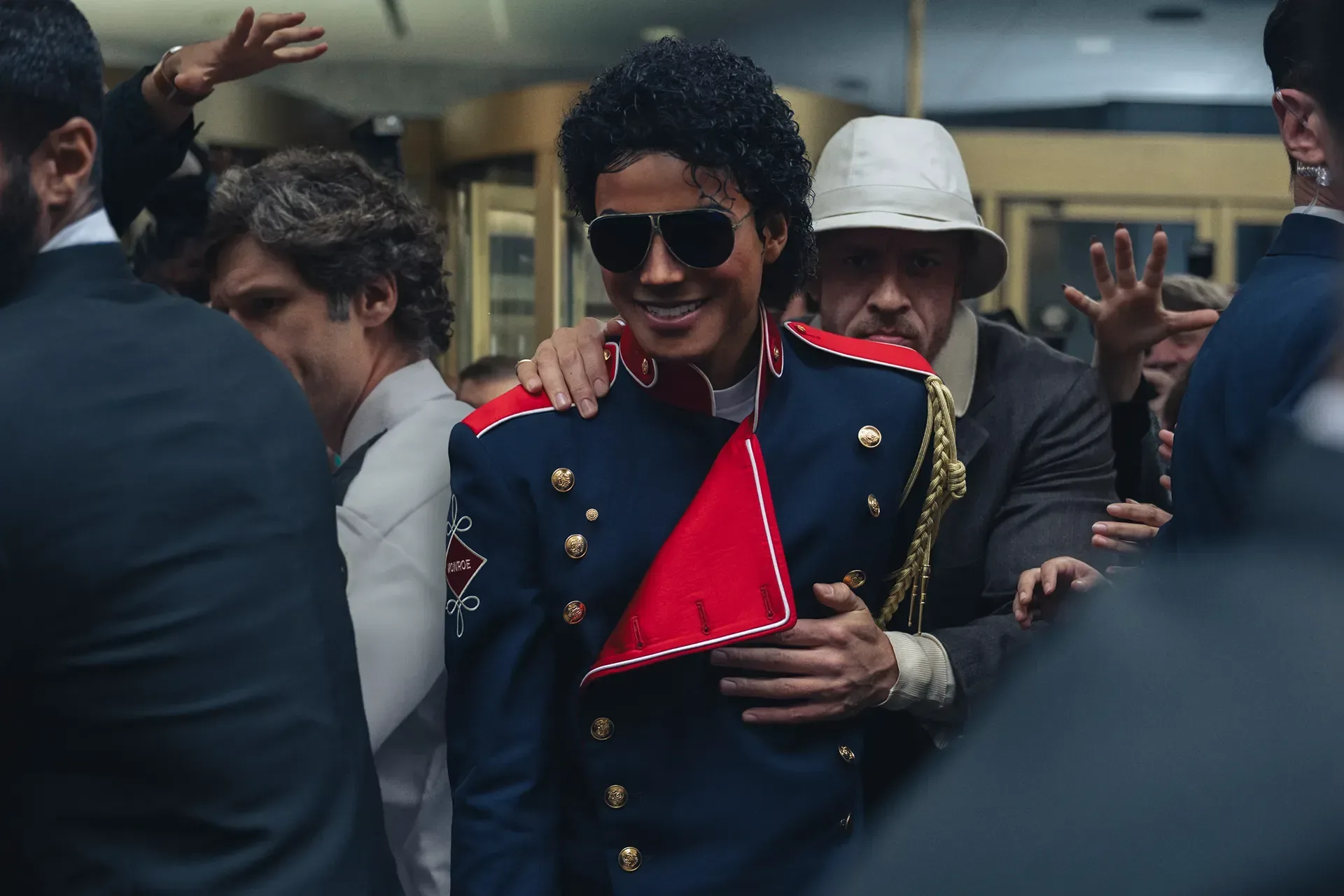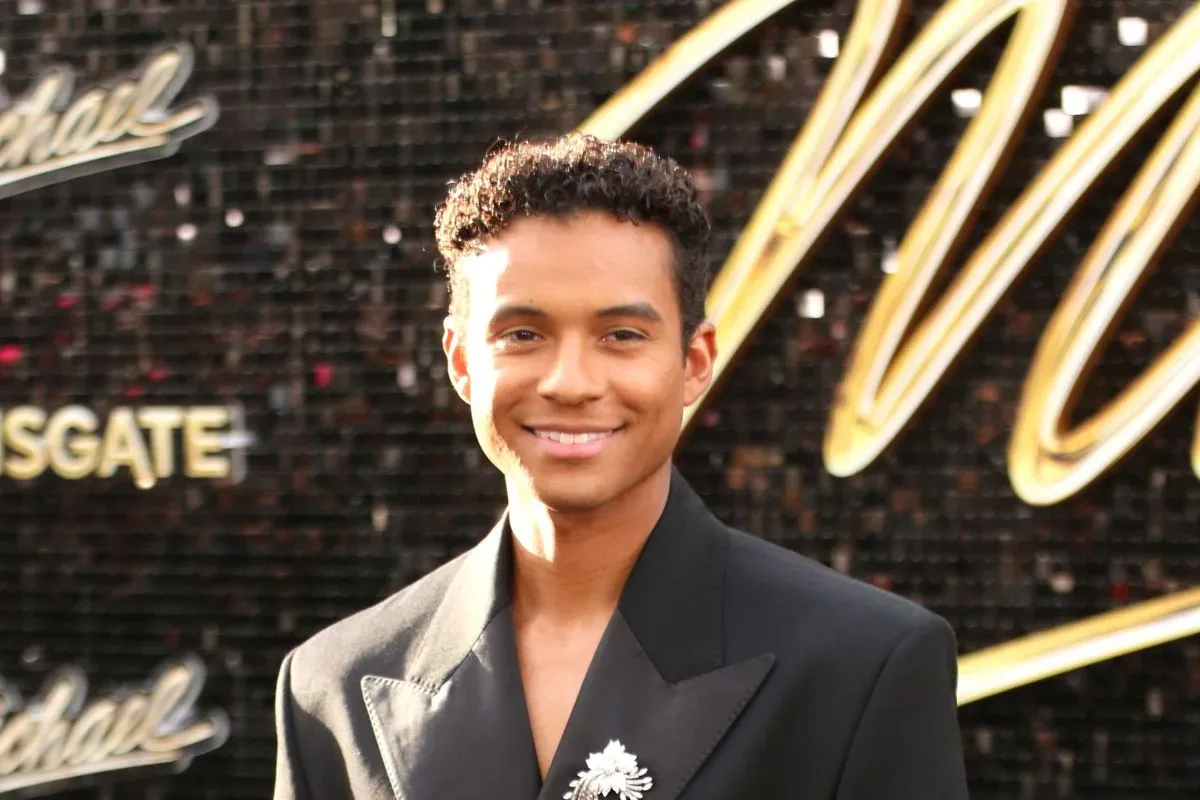
Jaafar Jackson says the scenes audiences will never see from Michael still mattered to his development as an actor. The performer, who plays his uncle Michael Jackson in the Lionsgate biopic, has described the deleted material as work that made him better at the craft even though it did not survive the final edit.
That outlook is a notably practical one for a large-scale music biopic, where production can generate far more material than a finished feature can contain. Jackson understood that some takes and scenes would be cut, and said the experience gave him skills he can take into later roles. Rather than treating the edit as a verdict on the value of the work, he sees it as part of learning how a film is made.
He is also prepared to play Michael Jackson again. A second installment, currently referred to with the working title Michael 2, has yet to receive a firm filming start date or publicly detailed plot. Jackson said his schedule is open and that he is ready to return when the production is ready.
Deleted scenes are not necessarily discarded work
“Deleted scenes” can sound like a simple category: footage was shot, then removed. In practice, the phrase covers a range of decisions made during editing. A scene may be taken out because it repeats information, alters pacing, shifts the emphasis of a sequence, or no longer fits the final structure. Its removal does not inherently mean the performance was unsuccessful.
That distinction matters in Jackson’s comments. He did not claim the missing footage would change the completed film or reveal details of the potential follow-up. His point was more personal: doing the work, including knowing that not every piece would remain, taught him something he can apply again.
For an actor taking on a figure as familiar as Michael Jackson, preparation can involve several overlapping demands. The role required Jackson to sing and dance as well as act. Those disciplines are visible parts of portraying a globally recognized performer, but scenes that never reach the audience can still provide rehearsal in characterization, timing, movement, emotional continuity and working across multiple takes.
Jackson said he had heard other actors discuss scenes being removed from films as well. That context appears to have helped him regard the process as a normal production reality rather than an unusual setback. His stated approach is straightforward: arrive prepared and give the best performance possible, even when the final cut is beyond an individual actor’s control.
“My job is to come prepared and deliver the best performance I can,” Jackson said.
Related coverage includes Jaafar Jackson Says Cut ‘Michael’ Scenes Sharpened His Acting as Sequel Waits.
What is known about a possible second film
There is reason to expect the story may continue, but the available information still leaves important unknowns. Jackson has not provided a plot for part two, and he has no confirmed start date. The project’s working title, Michael 2, should not be mistaken for a final title or a complete public outline of the film.
What is more concrete is the project’s presence in California’s recent film tax-credit awards. The California Film Commission’s project list assigned Michael 2 an estimated credit of roughly $30.8 million. The listing anticipated 55 shooting days, 65 cast hires and 300 crew hires.
A tax credit is a production incentive: a government program intended to encourage filmmaking and related employment in a particular location. In this case, the award signals a plan to bring substantial production activity to California. It is meaningful evidence of development, but it is not the same thing as a locked shooting schedule, a cast list, or a release-date announcement.
Earlier expectations from Lionsgate leadership pointed to filming beginning late in the year or early in the following year, with an intended release window in late 2027 or the first half of 2028. Those were goals rather than confirmed calendar dates, and Jackson’s own comments reinforce that timing has not been finalized publicly.
That uncertainty is worth keeping clear. The production has a working title, a California incentive listing and an expressed target window. It does not yet have publicly supplied story information for its next chapter, nor does it have a definite start date from the actor set to reprise the central role.
The first film provides an enormous commercial foundation
The possibility of continuing the project is supported by the first film’s commercial scale. Its worldwide theatrical run reached about $1.029 billion, with most of the total coming from outside the United States and Canada. That result put it ahead of Bohemian Rhapsody and Oppenheimer to claim the biopic box-office record.
Those numbers explain why a continuation has become a serious production prospect rather than merely a hypothetical. They do not, however, settle creative questions about what the next movie will cover, which supporting figures will appear, or which filmed material will make the screen. Commercial success gives a studio a foundation to build from; it does not make the production process automatic.
The first film follows Michael Jackson’s journey from the Jackson Five through his early solo years. Antoine Fuqua directed, and Graham King produced. With that stated scope in mind, a follow-up could potentially address later material, but no plot has been supplied and it would be premature to treat any particular era or event as confirmed.
The completed film’s changes were not limited to Jackson’s own cut scenes. Kat Graham said in April that legal issues resulted in the removal of her Diana Ross scenes. This is another reminder that a film’s eventual shape can be influenced by matters beyond performance and editing rhythm, including legal considerations involving depictions of people and related material.
For viewers, that means it is useful to separate three things that are often bundled together in online discussion: scenes that were filmed, scenes included in the release, and plans for any future chapter. They can overlap, but they are not interchangeable. Jackson’s comments concern what the work taught him; they do not establish that the deleted scenes will be restored or incorporated into a sequel.
Jackson’s next project offers a different kind of acting assignment
Jackson has already moved into another production between chapters of Michael. He recently completed work on Supermax, spending around 40 days in Australia alongside Will Smith and a new cast and crew. He said the experience differed from Michael in a key way: there was no singing or dancing required.
That contrast helps explain why he views unused work on the biopic as transferable rather than isolated. Playing Michael Jackson asked him to perform within a role bound up with music, movement and a widely known public identity. A role without those musical-performance requirements offers a different set of problems to solve. The common thread is still acting preparation, responsiveness on set and delivering a performance that serves the film.
There is also a geographic contrast. Michael filmed entirely in Los Angeles, while Supermax took Jackson to Australia for roughly 40 days. Neither detail tells audiences what the second Michael film will look like, but it underlines the practical reality behind his statement that he is available: he is continuing to work while leaving room for a return to the role.
Entertainment projects regularly create a gap between what viewers assume exists and what is actually confirmed. The same caution applies across screen-focused pop culture, whether the topic is a music biopic or a crossover premise such as Captain America’s Star Wars connection in Marvel’s New Hope Assembles. A compelling headline can start speculation, but the useful details are the ones explicitly established: cast participation, a credited creative team, a production incentive, or a firm release plan.
Why Jackson’s perspective is the meaningful update
There is no new plot reveal here, and Jackson did not use the moment to promise a date for returning to set. The significant update is his description of deleted material as valuable training. It offers a grounded view of a process that can seem invisible after a film reaches theaters.
Audiences encounter a polished final version and often discuss what appears on screen as though it were the entire production. Jackson’s comments point to the larger body of work behind it: takes that may not be used, scenes that are later reshaped or removed, and performance choices that can still inform the next job.
For now, the confirmed picture is limited but clear. Jackson is willing to reprise Michael Jackson. Michael 2 has received a California tax-credit award and has been associated with a prospective 2027-to-2028 release target. But filming has no publicly firm start date, the story has not been revealed, and the working title remains just that. Until those details change, the actor’s focus remains on preparation—and on treating even unseen work as part of becoming better at the job.