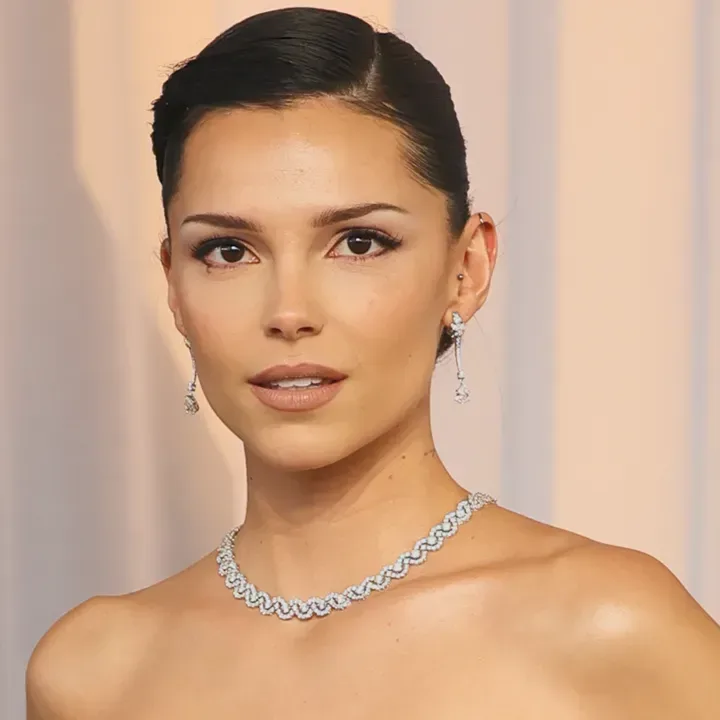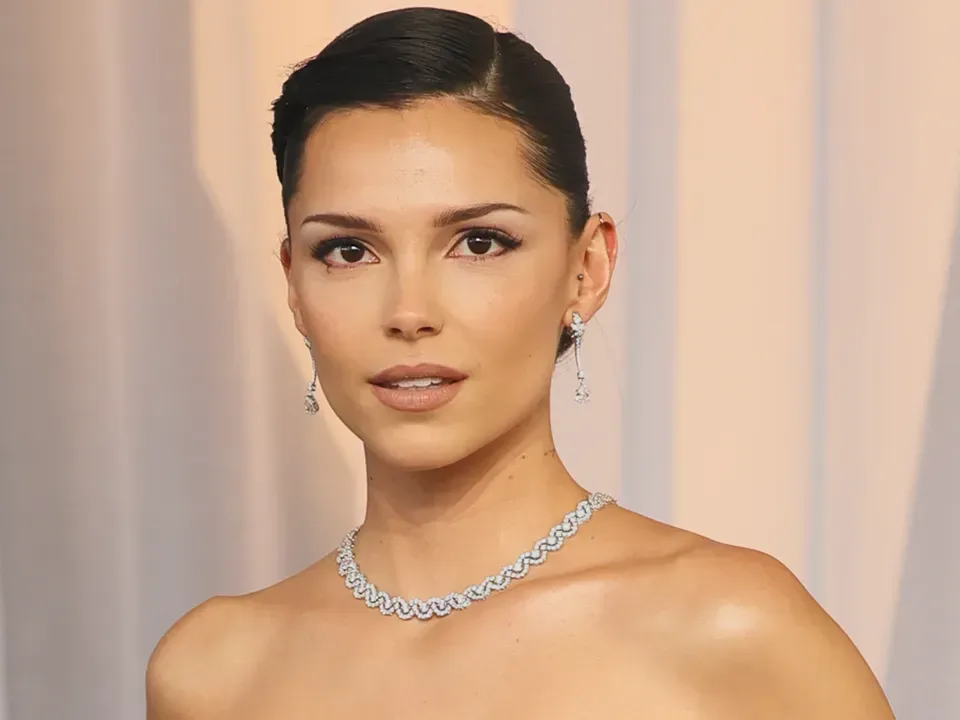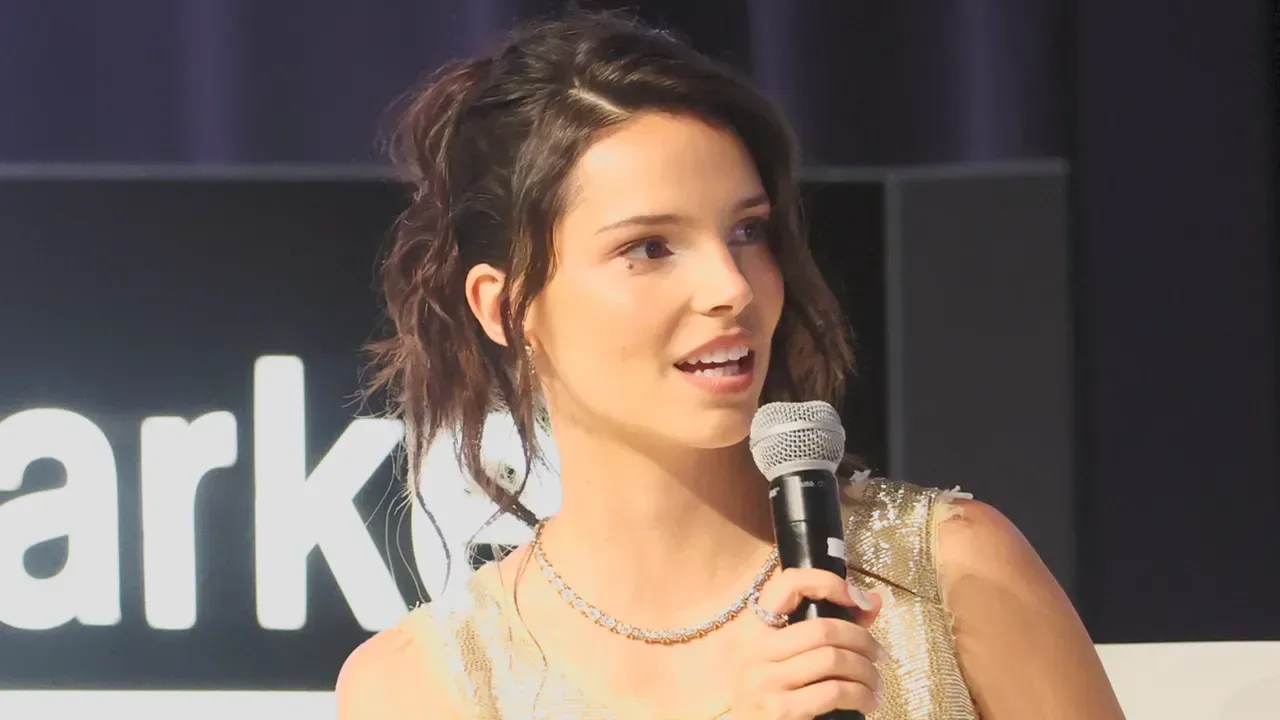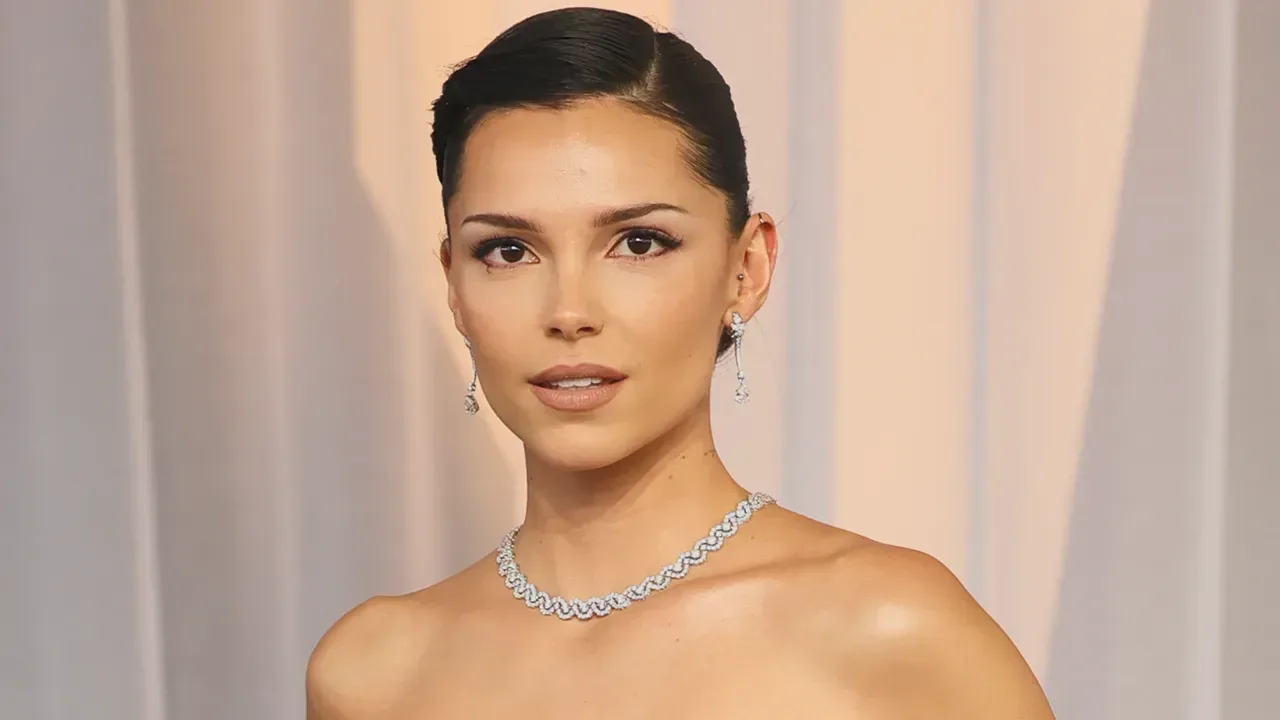
Inde Navarrette has given audiences a very small, but very deliberate, preview of how her Rogue may sound in Marvel’s forthcoming X-Men film: one “sugah.” For a character whose voice is as recognizable to many fans as her costume or mutant ability, that single word has naturally attracted outsized attention.
Navarrette is set to play Rogue in the Marvel Cinematic Universe’s new X-Men movie, which is scheduled to reach theaters on May 5, 2028. The actor offered the short vocal tease while discussing the role at TIFF 2026. She has also made clear that the performance remains a work in progress, saying she has not done extensive practice yet and is prepared to keep refining the voice.
That is the important context around the clip. It is not a completed scene, a trailer reveal, or a final statement of exactly how Rogue will speak throughout the film. It is a quick glimpse at a piece of character work that Navarrette knows viewers will scrutinize.
Why one word carries so much weight
Rogue is a Mississippi-born mutant, and her Southern-inflected delivery has long been a prominent part of the character’s screen identity. Her power-sapping abilities and bold style are central visual and story elements, but an accent is immediate: audiences hear it before a plot can establish motivation, powers, or relationships.
That makes the issue more complicated than simply deciding whether a character should have an accent. A screen accent is part of characterization—the collection of voice, movement, wardrobe, behavior, and choices that makes a fictional person feel distinct. For an established character with animated and live-action history, it also becomes a point of continuity in the broader sense: fans bring memories of earlier interpretations with them.
Navarrette’s use of “sugah” speaks directly to that expectation. The word is strongly associated with Rogue’s familiar screen voice, so it functions as a shorthand signal that the production is engaging with an aspect of the character audiences already recognize. It does not, however, establish the eventual cadence, intensity, or consistency of the accent across an entire feature.
In practical terms, a single line cannot answer questions such as how frequently the accent will be heard, how it will change in emotional scenes, or what balance the final performance will strike between a recognizable Rogue trait and Navarrette’s own interpretation. Those answers will have to wait until the film offers substantially more footage.
Navarrette says the work is still ongoing
Navarrette previously said she was putting significant effort into doing Rogue justice because she loves the character. Her preparation plan included a prospective trip to Mississippi, and she expressed affection for Southern women while discussing the role.
Related coverage includes Inde Navarrette Gives Fans a First Listen to Her Rogue Accent for Marvel's X-Men.
She has now left room for adjustment, too. Responding to possible reactions to the preview, Navarrette said she would work on it if people did not like it and would speak with the Marvel team about the direction they want to take.
“I’m going to work on it if you don’t like it,” Navarrette said, adding that she would talk with the Marvel team about what they want to do.
That response is notable because it frames the voice not as an isolated acting choice, but as part of a collaborative production process. An actor develops a role, while a studio production determines the version that ultimately reaches the screen. Navarrette’s comments do not reveal a final creative decision; they show that she understands the role’s history and that the vocal approach is still being developed.
For viewers, restraint is warranted. Online discussion can treat a small sample as a final verdict, especially when a beloved character has a well-known trait. Yet the available preview is only one word, and Navarrette herself has said the preparation is continuing. There is a major difference between initial exploration and a locked-in final performance.
Rogue’s MCU arrival is part of a larger recasting
Marvel confirmed Navarrette as Rogue during its D23 presentation in August, after months of rumors involving Mystique. The same wave of cast news included Christopher Abbott as Professor X and Maya Boyd as Storm. Asa Germann was subsequently cast as Angel.
Those names make clear that the project is not merely introducing Rogue on her own. It is assembling a new big-screen version of the X-Men around several of the franchise’s most recognizable figures. In that setting, individual choices such as Rogue’s voice matter because they are among the first details to define the tone of this particular team.
Reimagining does not necessarily mean discarding every familiar quality. It means a new production is building its own version of characters who already carry decades of audience associations. The challenge is especially visible with an accent: changing it dramatically can be seen as losing something meaningful, while repeating it too rigidly can leave little room for an actor’s interpretation.
Navarrette’s brief “sugah” suggests that Rogue’s Southern roots are actively on the table rather than being ignored. Her openness to further work suggests the production is not presenting that teaser as the last word, either.
What is confirmed—and what is not
The confirmed facts are relatively straightforward. Navarrette is playing Rogue. She has shared a very short accent preview. She has said she is continuing to work on the role and is willing to discuss the voice with Marvel. X-Men has a May 5, 2028 theatrical date. Abbott, Boyd, and Germann are among the other announced cast members.
Many details remain unconfirmed in the material currently available. There is no full scene demonstrating Rogue’s final speaking voice, no explanation of how the accent will be used across the movie, and no stated final approach from the filmmakers. There is also no basis yet for judging the completed portrayal from one catchphrase.
That distinction matters as anticipation builds. Fans can reasonably react to the sample and articulate what Rogue’s voice means to them. But treating a teaser as a finished product skips the development Navarrette has openly described.
The wider MCU context also leaves plenty to be revealed. The next X-Men film will bring classic Marvel heroes back to theaters in a new form, but the supplied cast information and Rogue teaser do not establish story details, character arcs, or the team’s eventual dynamics. For now, the voice discussion is one early window into how a new generation of performers is approaching these characters.
Marvel’s mutant plans have already inspired wider speculation elsewhere, including questions around projects such as Zodiac and the limits of current X-Men speculation. Navarrette’s casting, however, is no longer speculative: Rogue is officially part of the announced lineup.
A tiny preview, a long runway
With the movie set for 2028, Navarrette has time to continue shaping her version of Rogue. Her comments point toward a performer aware that the part comes with specific expectations, particularly around a Southern vocal identity that many viewers immediately associate with the hero.
For the moment, “sugah” is less a definitive performance than a first marker. It confirms that Navarrette is engaging with a signature element of Rogue, while her own words make equally clear that the process is still underway. The next meaningful evidence will be a longer official look at the film—not another attempt to turn one word into the entire character.