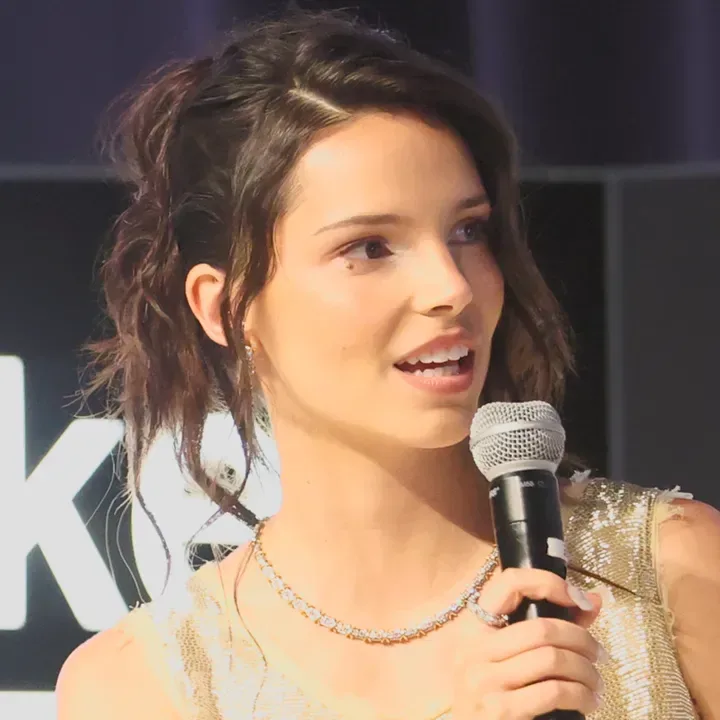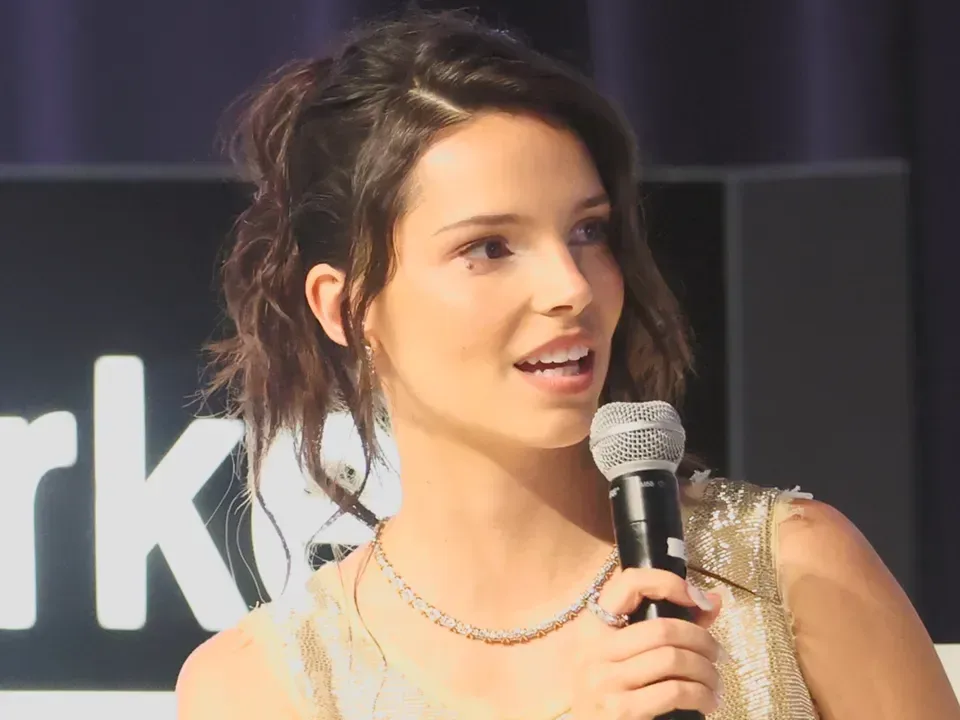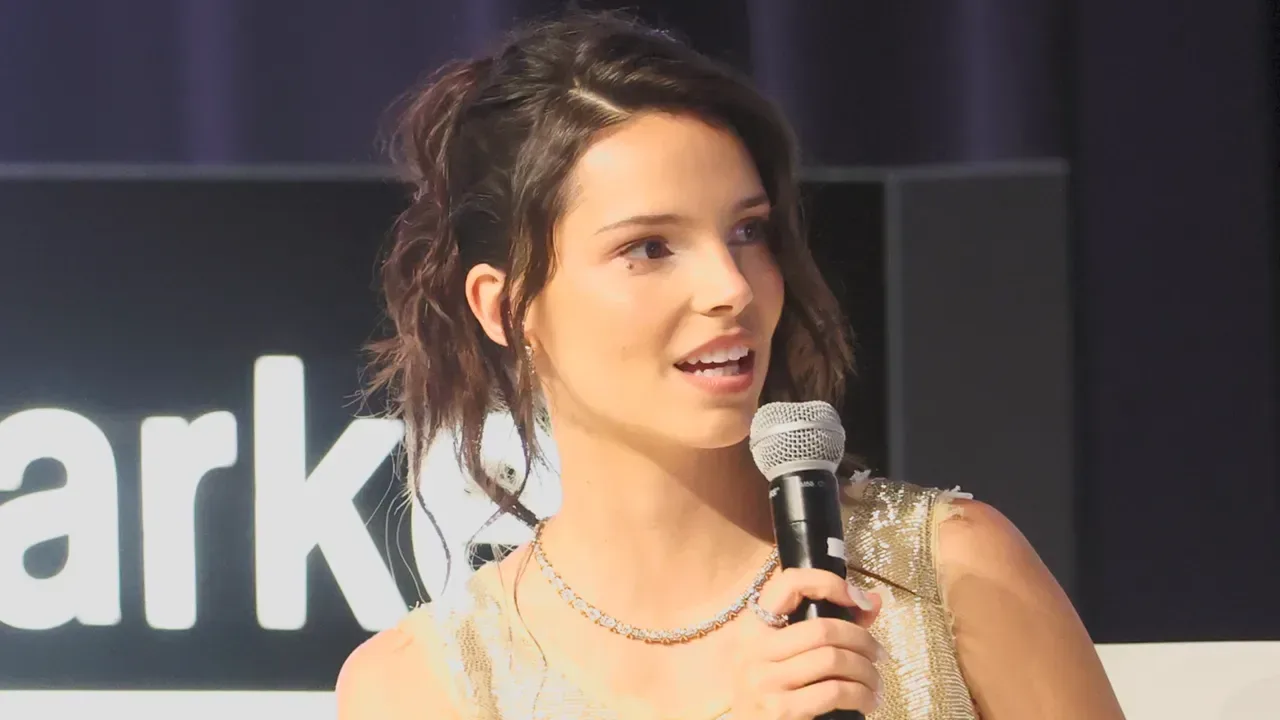
Rogue can absorb powers, memories, and energy with a touch, but one of her most immediately recognizable traits has nothing to do with mutant abilities. It is the voice: a distinctly Southern cadence that has helped make the character memorable across comics, animation, games, and screen adaptations. Inde Navarrette, who is set to play Rogue in Marvel’s forthcoming X-Men, has made clear that she understands the assignment.
The actor, known for Obsession, is due to enter the Marvel Cinematic Universe when X-Men arrives on May 5, 2028. Navarrette has said she wants to go to Mississippi, Rogue’s home state, as part of the process of doing the character justice. It is a small but meaningful early indication of where her attention is going: not merely toward the character’s formidable power set or her famously defiant attitude, but toward the regional specificity that gives Rogue her particular flavor.
For fans, that concern is understandable. A Rogue performance can be many things—guarded, romantic, furious, funny, cautious, daring—but the sound of the character has long carried real weight. The accent is not just decoration. It can establish a sense of place, make Rogue’s sharp one-liners land differently, and give her a recognizable rhythm even in an ensemble packed with bold personalities.
A Texas Connection, With Mississippi in Mind
Navarrette has spoken about having spent much of her upbringing in Texas and about her affection for the older Southern women she knew there. She specifically mentioned Corpus Christi, the Texas coastal city, while discussing the kind of voice and presence that resonate with her. That personal connection does not mean Texas and Mississippi speech are interchangeable—far from it—but it provides a real starting point for an actor thinking seriously about Southern regional character rather than treating “Southern” as one catch-all sound.
Her stated interest in traveling to Mississippi is especially notable because it acknowledges that distinction. Rogue’s identity has long been connected to Mississippi in Marvel lore, and an actor looking toward the state itself suggests an effort to listen for local texture. Accents are full of variables: geography, age, family background, class, community, and the individual habits that make no two speakers exactly alike. A convincing performance generally comes from finding a character rather than applying a generic vocal filter.
That is the promising part of Navarrette’s approach. There is no claim yet that audiences know precisely what her final Rogue voice will sound like; the movie remains well ahead of release. But she is focusing on research and on the character’s roots early in the process. For a role with decades of accumulated fan expectations, that is a sensible place to begin.
Why Rogue’s Accent Carries So Much History
Rogue has appeared in a large number of Marvel stories and adaptations, so there is no single, universally fixed interpretation. Still, the character’s drawl is particularly associated with Lenore Zann’s performance in the original X-Men animated series. Zann’s delivery helped establish a version of Rogue that was powerful, emotionally guarded, glamorous, and completely capable of turning a pet name into either reassurance or a warning.
That animated portrayal remains a major point of reference because voice acting gives language such an immediate role in characterization. Rogue’s Southern cadence could soften a scene without making her weak; it could sharpen an insult without making it feel detached. In a team setting, it provided contrast against the more formal Professor X, the controlled Cyclops, the cerebral Jean Grey, and the theatrical villains who frequently crossed the X-Men’s path.
It also helps explain why the question has followed casting news so quickly. Superhero audiences often start with the broadest visual questions: costume, hair, powers, and comic-book accuracy. With Rogue, though, the performance’s sound belongs on that checklist. Fans have a strong collective memory of how she has been heard, particularly in animation, and Navarrette will be joining a conversation that has been going on for generations of viewers and readers.
The good news is that faithfulness does not have to mean imitation. A new live-action X-Men film needs performers who can make the roles their own while respecting the elements that made those characters endure. Navarrette does not need to reproduce a previous actor’s every inflection to communicate Rogue. What matters is whether the final performance finds emotional truth and whether the accent serves the person on screen rather than becoming a distracting gimmick.
The X-Men Ensemble Taking Shape
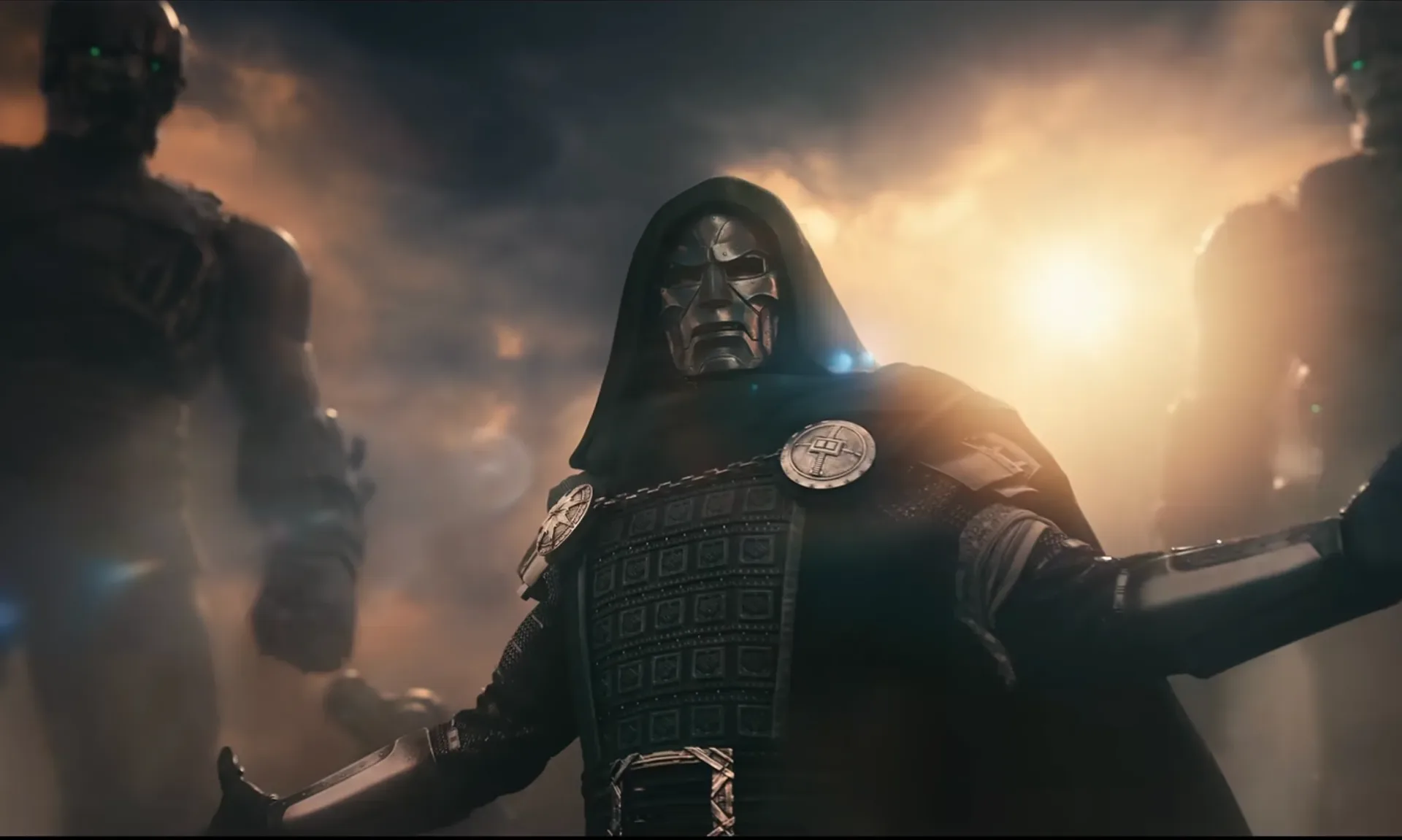
Navarrette’s Rogue is one member of a confirmed cast that already points toward a major MCU ensemble. Adam Driver is attached as Mister Sinister, while Maya Boyd will play Storm. Christopher Abbott is set for Professor X, Sadie Sink for Jean Grey, Kit Connor for Cyclops, and Samara Weaving for Emma Frost. Asa Germann, whose credits include Gen V and Scream 7, has also been selected to play Angel.
- Inde Navarrette: Rogue
- Adam Driver: Mister Sinister
- Maya Boyd: Storm
- Christopher Abbott: Professor X
- Sadie Sink: Jean Grey
- Kit Connor: Cyclops
- Samara Weaving: Emma Frost
- Asa Germann: Angel
It is a lineup with enough familiar X-Men architecture to invite immediate speculation, but it also leaves plenty unresolved. The franchise is built around shifting team rosters, competing philosophies, found-family bonds, and mutant politics. A movie bringing these particular figures together has significant room to define what this version of the team is, how far it draws from individual comic eras, and which relationships become its central emotional engine.
Rogue’s place within that machine will be especially interesting. She is often at her best when her toughness is allowed to exist alongside vulnerability. Her abilities can turn physical contact into a dangerous proposition, which creates an unusually direct link between superpower spectacle and personal isolation. That tension is a gift for a performer: it gives scenes involving friendship, romance, combat, anger, and restraint a deeper undercurrent.
Navarrette’s voice work will be one part of that larger interpretation, but it could help establish the emotional temperature of the character from her first scene. A drawl can make a threat sound playful until the exact second it no longer is. It can lend warmth to someone who is trying to keep everyone at arm’s length. And it can make the difference between a Rogue who merely looks correct in a still image and one who feels like a fully lived-in person.
Jake Schreier Promises a New Live-Action Direction
Director Jake Schreier has indicated that he is looking at comic books for inspiration while aiming for a new angle on the X-Men compared with earlier live-action films. That phrasing gives the project a wide creative lane. Marvel has decades of mutant material to draw from, and past movies have already sampled some of the most recognizable conflicts, teams, and eras. A fresh approach will require more than selecting different costumes or rearranging the roster.
It will likely come down to perspective: whose story the film follows, how mutation is treated in this corner of the MCU, and what the team represents to its members as well as the wider world. The announced cast offers potential for ideological friction straight away. Professor X, Cyclops, Jean Grey, Storm, Rogue, Angel, Emma Frost, and Mister Sinister do not naturally suggest a quiet group project.
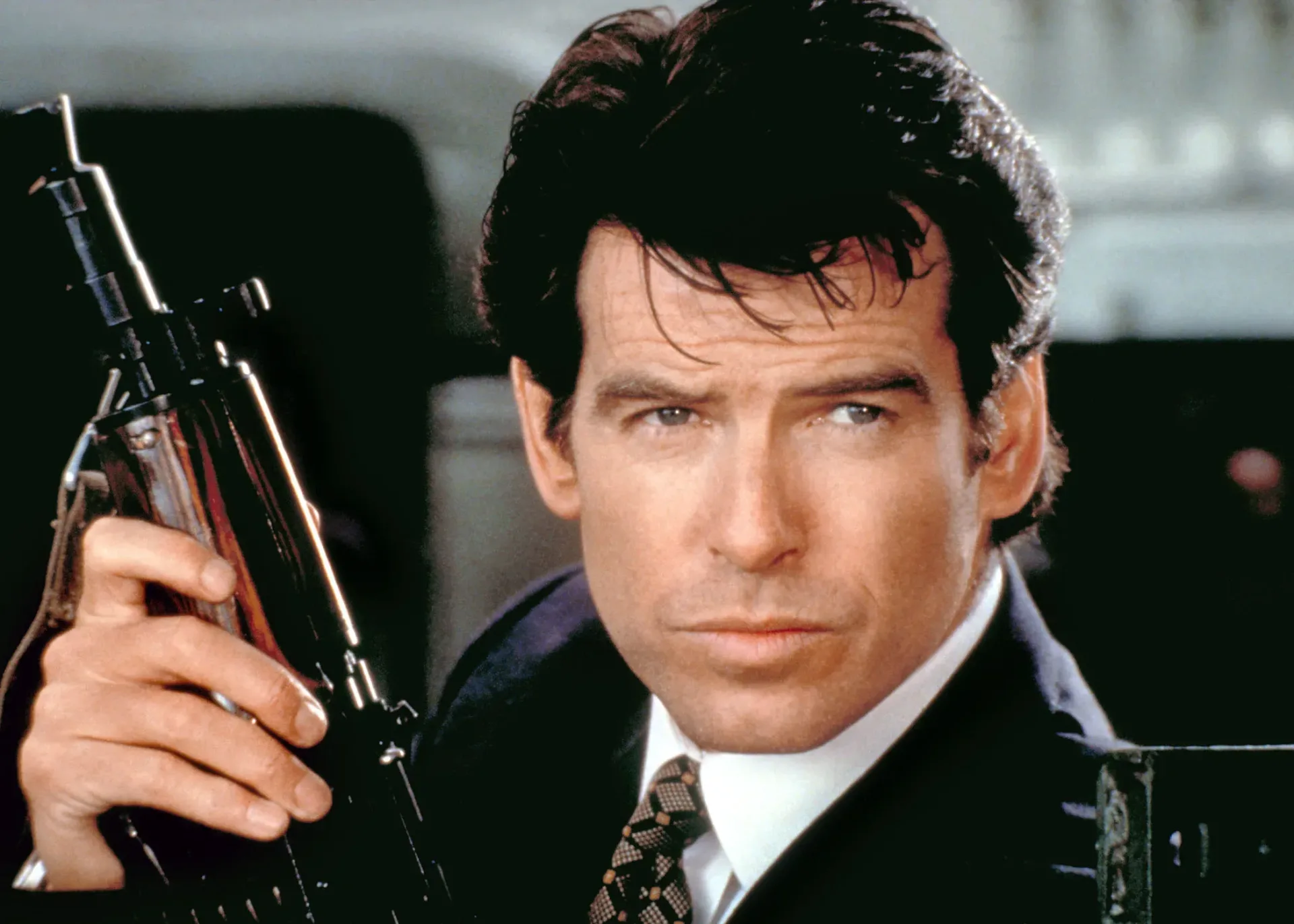
Movie casting is always a balancing act between established expectations and a performer’s capacity to surprise, a tension also present in discussions around major legacy roles such as the future of James Bond. In the X-Men case, the central challenge is amplified by the characters’ many prior incarnations. Every choice is measured against comics, animation, earlier films, games, and the version fans have created in their own heads.
That is why Navarrette’s plan has attracted attention despite the film being nearly two years away. She is not presenting the accent as an easy box to tick. She is treating it as a part of Rogue’s cultural and character foundation. Whether her research ultimately leads to a light drawl, a more pronounced Mississippi influence, or a voice that shifts with Rogue’s emotional defenses, audiences will have to wait to hear the result.
For now, the most concrete details are straightforward: Navarrette is playing Rogue, the film is scheduled for May 5, 2028, and she wants to ground the voice in a deeper understanding of the South—especially Mississippi. For a mutant whose arrival is often announced by confidence, attitude, and a memorable “sugah,” that feels like the right kind of preparation.