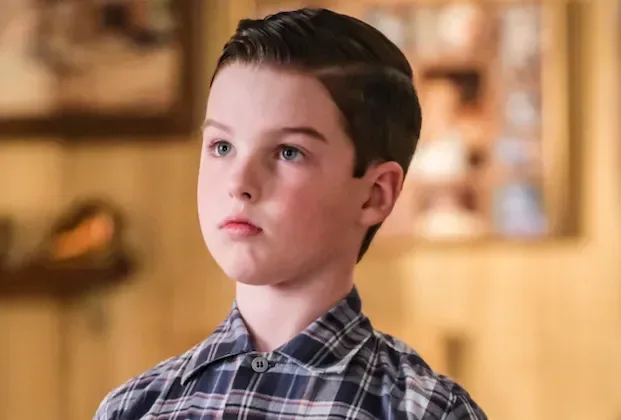
Iain Armitage is looking back on the end of Young Sheldon with affection, gratitude and a notably unsentimental willingness to move on. The actor, who played the younger version of Sheldon Cooper, has said he may have been the cast member happiest to see the long-running comedy conclude after seven seasons in 2024.
That does not mean Armitage dismisses what the series meant to him. He began the job at eight years old, and the show became a major part of his childhood as well as the foundation of his screen career. But his reflections make a useful distinction between cherishing an experience and wanting it to continue indefinitely. He has described missing the crew, the Warner Bros. workplace and the general joy of acting, while still feeling ready to leave the routine of the production behind.
A happy ending, not an unhappy one
Armitage’s comments emerged in Jessica Radloff’s oral history of the sitcom, Young Sheldon: The (Juicier-Than-Meemaw’s-Brisket) Inside Story of the Hit Comedy. He acknowledged that the end of the series was emotional for other people involved, but said he did not want to remain stuck in the sadness surrounding its finale.
His reasons were direct. He wanted to be in Virginia, wanted to travel and was open to whatever film work might come next. He also credited his mother with giving him a practical view of impermanence: worthwhile things end, change is inevitable, and an ending can be positive rather than a failure.
For an actor whose character was designed as a younger incarnation of an already-famous television figure, that attitude also reflects an obvious creative reality. The series was a prequel to The Big Bang Theory, meaning the role had a built-in destination. Armitage said he would not want to remain on the program into adulthood playing a much older Sheldon. His point is not that the role lacked value; it is that the premise worked because it captured a particular period in the character’s life.
What “ephemerality” means in this context
Armitage used the word “ephemerality” when discussing his outlook. In simple terms, it means that something is temporary rather than permanent. Applied to a TV production, it can describe everything from a show’s run to the daily relationships and habits formed on set.
That idea can sound gloomy on paper, but Armitage frames it differently. A finite run can preserve the identity of a series and allow its cast to pursue new work. In this case, ending after seven seasons gave the production a stopping point rather than requiring its young lead to keep aging beyond the version of Sheldon the show set out to portray.
It is also a reminder that performers can experience a series finale differently from viewers. Fans may associate an ending with the loss of a familiar weekly show. For a cast member, the same event can mean the end of a workplace, a schedule and a role occupied for years. Those feelings can be sad and liberating at once.
Missing the people more than individual scenes
Two years after the finale, Armitage described his response as a kind of “nostalgic sad.” He said he misses the people he loved working with and the crew, rather than pointing to a single favorite day or scene. He remains enthusiastic about acting itself, but his fondness appears centered on the shared experience of making the program.
That distinction matters. Television sets are collaborative environments, and a lead actor’s performance is supported by far more than the visible cast: camera crews, hair and makeup teams, costume departments, writers, producers and many other workers contribute to the finished episode. Remembering the atmosphere and people, rather than only the on-screen material, is a grounded way of describing what a lengthy production means to someone who grew up within it.
It also leaves room for Armitage’s apparently conflicting feelings to coexist. He can miss the community without missing every part of the workload. He can be thankful for the opportunity while recognizing that it was a substantial responsibility for a child.
A childhood role with adult-scale responsibilities
Armitage has previously called the experience a privilege while also acknowledging that it was a major undertaking for an eight-year-old. He said he tried to do his best and appreciated the people who understood that children are imperfect and gave him grace.
That is an unusually clear description of the pressure that can accompany a central role on a successful series. A title character has an especially visible obligation: the show’s tone, continuity and emotional center can all depend heavily on that performer. Armitage’s comments do not offer a complaint about the production. Instead, they underline the scale of the commitment and why a transition to life beyond the show could be welcome.
Lance Barber, who played Sheldon’s father George Sr., similarly said Armitage was ready to move on artistically and personally. Barber added that several people involved felt prepared to leave certain elements of the series behind by the end.
Neither actor’s reflections should be read as an attempt to diminish the show’s achievements. Long-running productions can create deep attachments and still reach a natural endpoint. In fact, the ability to finish a story while the cast can look forward to new opportunities is often healthier than treating continuation as the only measure of success.
The franchise continued after the prequel
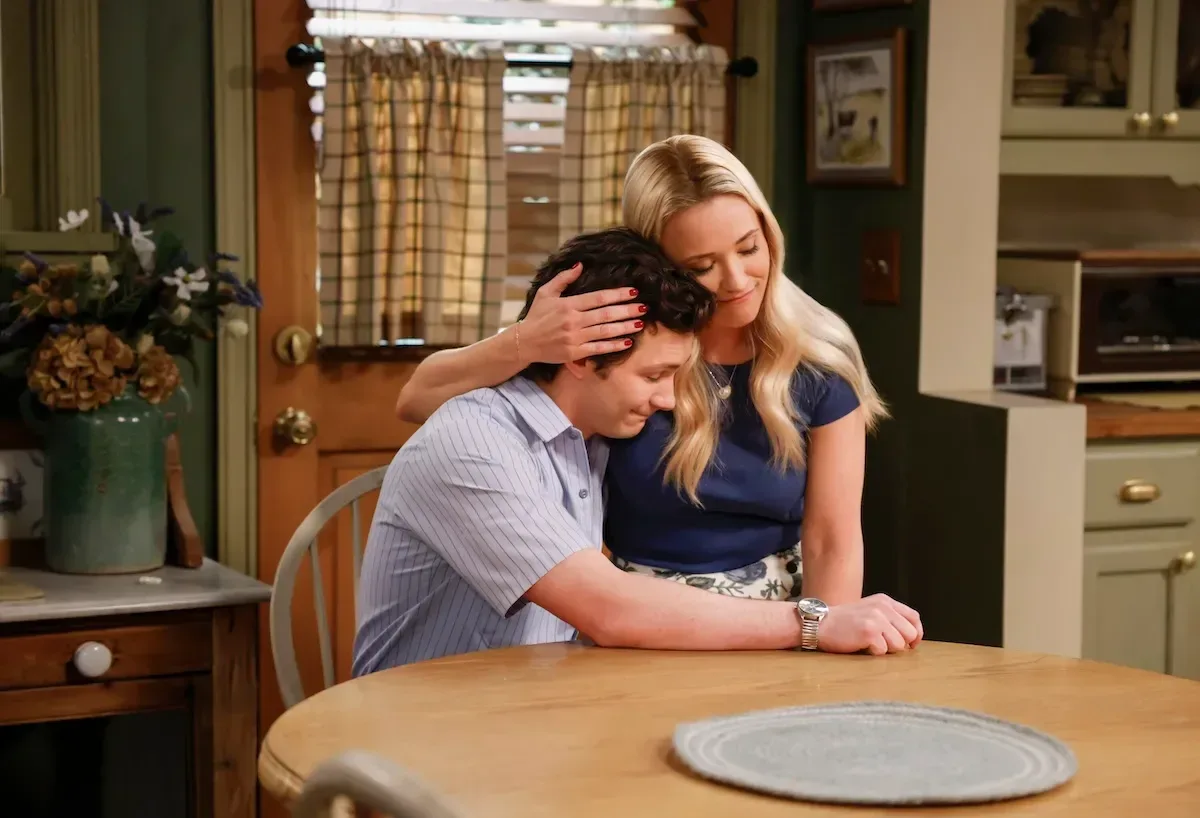
Young Sheldon ended, but the broader fictional world did not. Its success led to Georgie & Mandy’s First Marriage, centered on Sheldon’s brother Georgie and Mandy. The spinoff premiered in 2024, showing how a television universe can continue by changing its focus instead of extending one actor’s role indefinitely.
That approach is especially relevant to Armitage’s perspective. A spinoff is not the same as a continuation featuring the same lead at every stage of life. It can preserve characters and audience interest while letting the original series remain a complete work. The franchise can evolve, while the performer whose childhood was tied to its prequel can pursue a different artistic path.
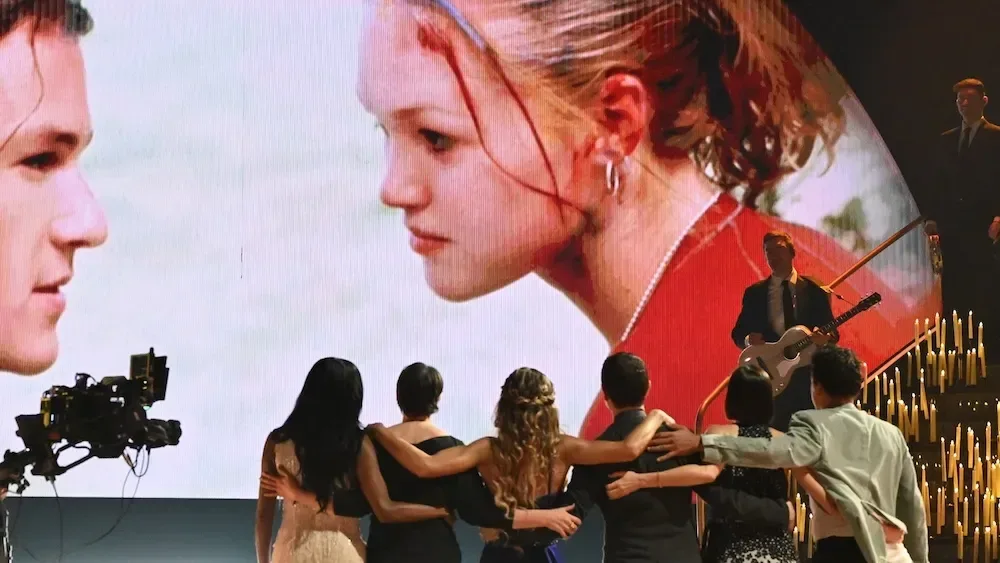
There is a wider appeal in revisiting television roles and the memories attached to them, whether through cast reflections, franchise continuations or tributes. For another recent example of an actor revisiting a beloved screen past, see Julia Stiles’ tribute connected to 10 Things I Hate About You.
Why Armitage’s response feels refreshingly straightforward
There is often an expectation that a series finale must be described in a single emotion: devastating, celebratory or bittersweet. Armitage’s account resists that tidy framing. He loved acting on Young Sheldon, values the relationships it created and recognizes the opportunity it gave him. At the same time, he was eager for travel, time in Virginia and projects beyond Sheldon Cooper.
Those positions are not contradictory. They are the natural result of spending formative years on one job. Armitage’s comments amount to a mature perspective on a defining early role: appreciate it, remember the people, and do not confuse being grateful for the past with needing to live in it forever.