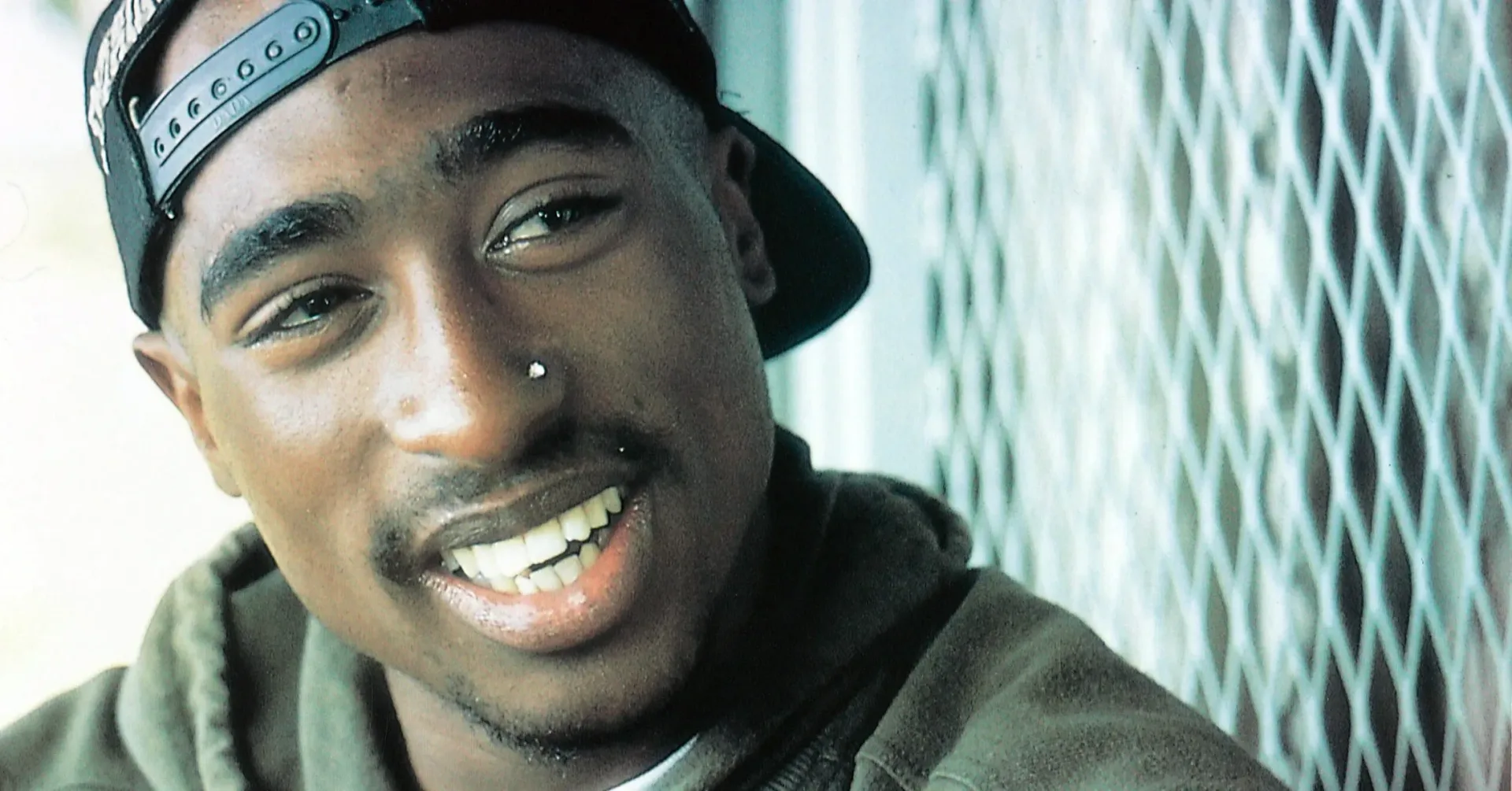
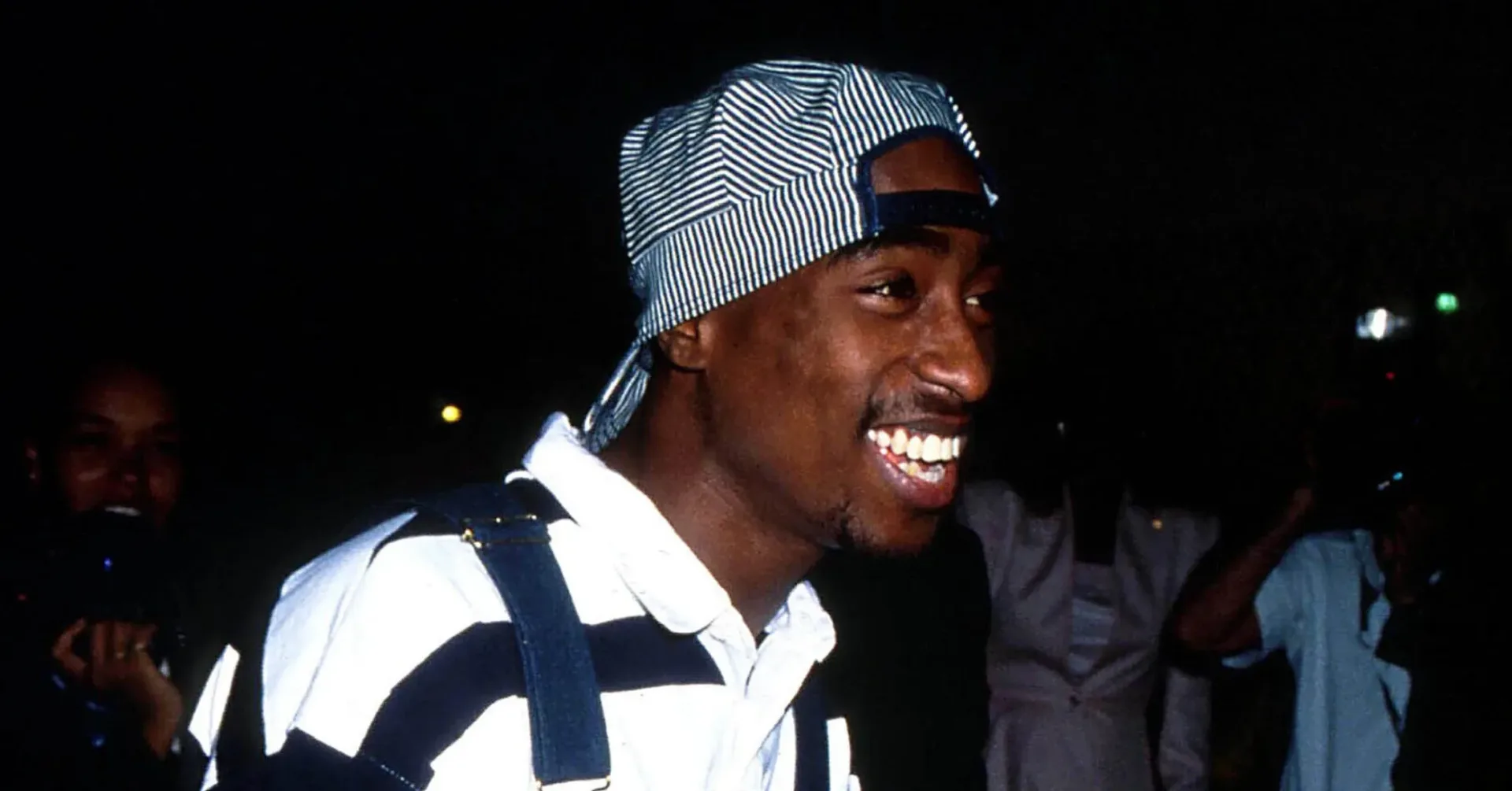
The Tupac Tapes With Angie Martinez is streaming exclusively on Netflix. The four-part video podcast centers on an interview Angie Martinez recorded with Tupac Shakur at his Los Angeles home in 1996, approximately three months before his death. Viewers need an active Netflix account and can watch through the service’s television, laptop and mobile apps.
Episodes are reported to run roughly 45 minutes to an hour. Rather than simply presenting an archival interview uninterrupted, the project uses the original reel-to-reel recordings as the basis for conversations with a rotating group of commentators: Joe Budden, Charlamagne Tha God, Big Boy, Bootleg Kev, DJ Hed, RZA and Matt Barnes are among the participants.
Where to stream The Tupac Tapes With Angie Martinez
- Streaming service: Netflix
- Format: Four-part video podcast
- Device support: Netflix-compatible TVs, computers and phones
- What is required: An active Netflix account
- Estimated episode length: About 45 to 60 minutes each
“Exclusive” matters here in a practical sense: the series is not described as a title available through a separate podcast feed or a free video platform. Anyone looking for the full program should begin in Netflix’s catalog and search its complete title, rather than expecting the original audio to be released as a standalone public recording.
What the series is built around
The central document is Martinez’s 1996 interview with Shakur. The recording’s timing gives it considerable historical weight. Shakur was killed in Las Vegas in September 1996 at age 25, placing the conversation in the last stretch of his life and during a period when tensions connected to the East Coast–West Coast rap feud were especially intense.
Martinez kept the most incendiary portions of the interview unreleased for decades. Her stated concern was not merely that the remarks would make headlines; she feared they could worsen a dangerous conflict. She explained that she did not want an interview she conducted to put anyone in danger.
“I did not want to get anyone killed for an interview I did.”
That decision is a major part of the series’ story. Archival media can feel fixed in time, but a tape’s meaning changes when it is released years later. In 1996, public circulation could have fed an active feud involving real people and real stakes. In the present, the material is being received as a historical record, a provocation, and an object of renewed debate all at once.
How the panel format changes the experience
A video podcast is a conversational program made for both listening and viewing. In this case, the format appears to pair archival audio with on-camera discussion. That distinction is useful for viewers deciding what they want from the series. This is not framed solely as an unfiltered, chronological release of a single 1996 interview. It is a contemporary program in which guests react to, interpret and argue around what they hear.
The rotating panel also places multiple generations and perspectives around the recordings. That can make the show more accessible for viewers who know Shakur’s legacy but do not know the finer points of the era’s public rivalries. At the same time, commentary is commentary: a panelist’s response may be illuminating, emotional or forceful without becoming independent confirmation of every claim on the tape.
That is particularly important because the series deals with statements made amid a hostile public dispute. The value of archival audio is that it can show what someone said and how they framed events at the time. It does not automatically establish that every accusation, recollection or boast was true.
Claims and confrontations that have drawn attention
Several portions of the tapes have already generated discussion. Shakur’s remarks about Mobb Deep have surprised panelists, with the recording capturing him harshly criticizing the duo amid the broader rivalry of the period.
The program also revisits Shakur’s claim that he had slept with Faith Evans, who was married to the Notorious B.I.G. at the time. Evans has denied that claim in the past. That disagreement is essential context, not a footnote: the tape documents Shakur making the assertion, while Evans’s public denial means the series should not be treated as having resolved the matter.
Other reported comments include Shakur saying that the Notorious B.I.G. disliked Diddy and proposing that the feud could be settled through boxing matches—Suge Knight against Biggie and Shakur against Diddy. He also connected Suge Knight’s well-known Source Awards criticism of Diddy to issues Shakur said he had raised while incarcerated.
These are striking claims, but the distinction between primary material and verified fact is worth keeping clear. The original recording is primary material because it preserves Shakur’s own words from that interview. It is not, by itself, proof that every statement about other people or private events was accurate. For viewers, that means watching with two ideas in mind: the recording may be revealing about Shakur’s mood, perceptions and priorities, while disputed allegations remain disputed.
Why the release is prompting a media debate
The show’s arrival has led to a parallel argument about responsibility in hip-hop media. DJ Akademiks questioned whether Martinez was receiving praise for releasing decades-old material that other media figures might be criticized for publishing. Joe Budden responded by accusing him of being “willfully obtuse.”
The disagreement goes beyond a clash of personalities. It asks whether time changes the ethics of releasing sensitive recordings, and whether a journalist or interviewer has a different obligation when the subject, the people discussed and the historical circumstances are no longer the same as they were at the time of recording.
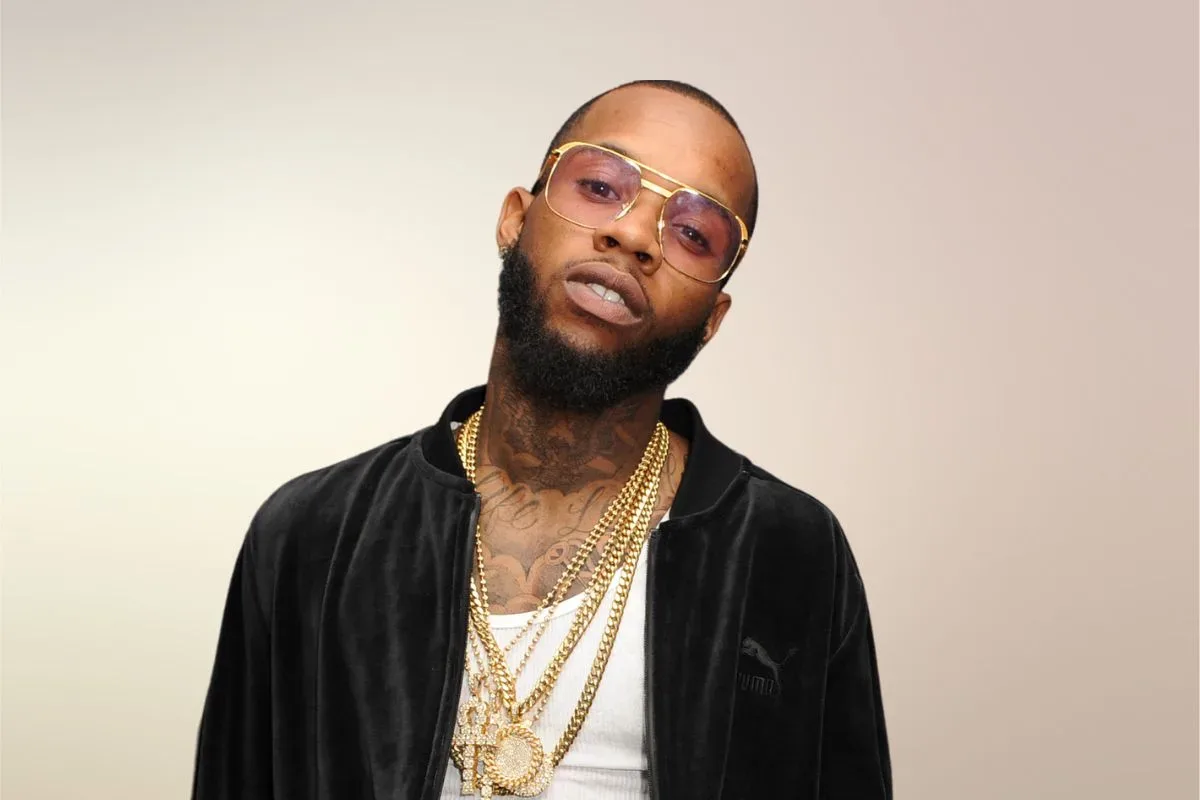
There is no simple answer supplied by the series’ premise. The delay itself is part of Martinez’s explanation: she believed release during the feud’s most combustible moment could have carried consequences beyond entertainment. Decades later, the same content can still reopen painful arguments, especially when it involves people who remain central figures in hip-hop history and culture. Readers following other current music-world disputes can see similar questions of public claims, accountability and incomplete information in this report on Tory Lanez’s stated plans for event proceeds.
The historical context viewers should keep in mind
Shakur’s killing remains inseparable from how audiences will hear this interview. He was killed in Las Vegas in September 1996. The case remained open until the 2023 arrest of Duane “Keffe D” Davis. The existence of an arrest does not turn a documentary discussion into a definitive explanation of every event surrounding the era, but it underscores why newly released material involving Shakur still carries exceptional gravity.
The phrase East Coast–West Coast feud is often used as shorthand for a broad and volatile set of conflicts within 1990s hip-hop, including highly public personal and label-associated tensions. It can flatten a complicated period into a tidy rivalry. The series’ archival material may offer a more immediate sense of Shakur’s point of view, but viewers should resist treating one interview as a complete map of that history.
Ultimately, The Tupac Tapes With Angie Martinez offers access to a voice from Shakur’s final months, filtered through a modern discussion format. It is likely to be most useful for viewers who separate three things: what Shakur says on tape, what the panel believes those words mean, and what can be independently established. That approach does not make the material less compelling. It gives the conversation around it the care that its subject matter demands.