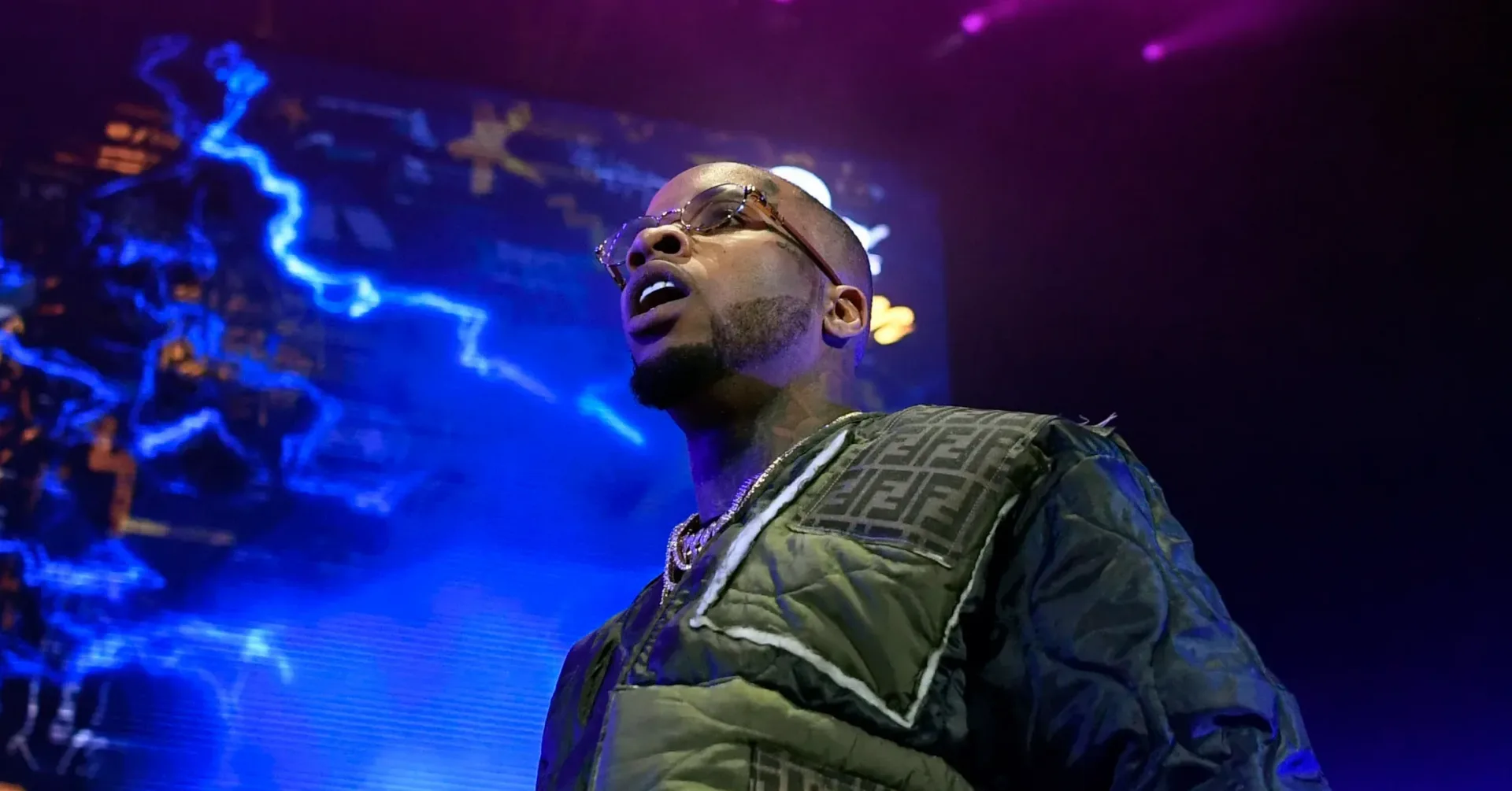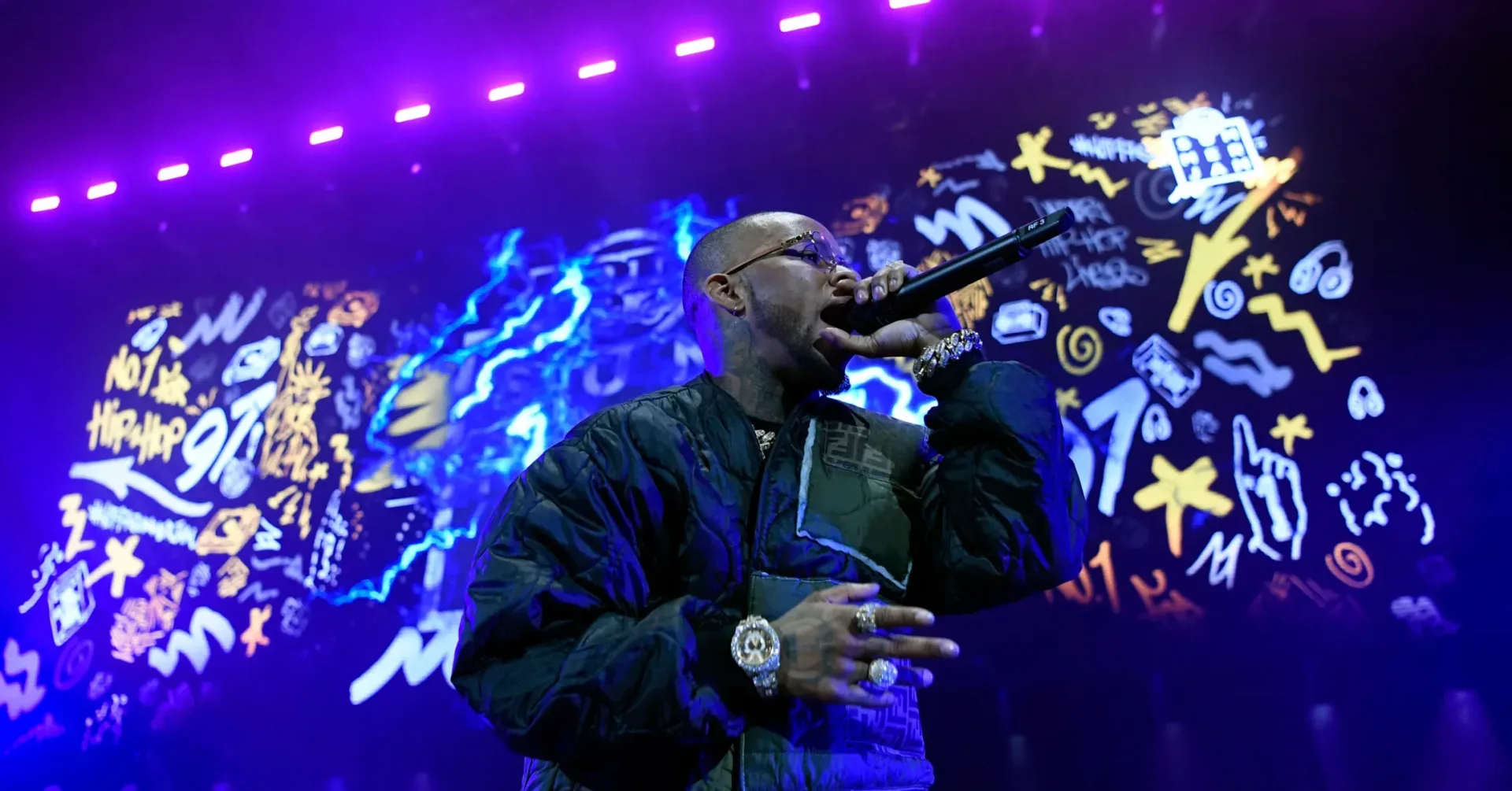
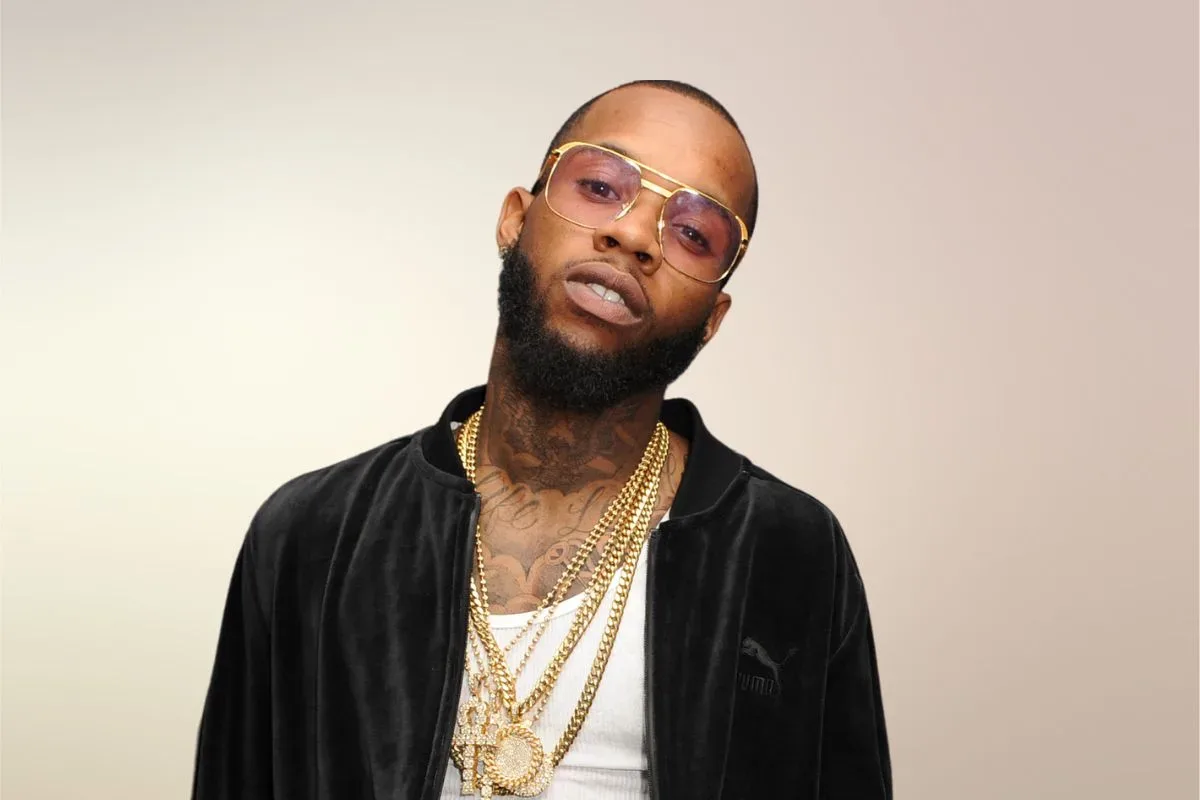
Tory Lanez says money generated by his “Not on Tor” listening events will be directed to women in need, a pledge he made while serving a 10-year prison sentence following his conviction for shooting Megan Thee Stallion.
The events were built around DJs playing Lanez’s music without the performer appearing onstage. In an Instagram Story promoting the run, Lanez wrote that every dollar from the tour would go back to women in need during the season, adding that performers should help when they have the opportunity.
Lanez also said the events sold out and characterized the result as a first for a tour without its headline artist in attendance. The statement, however, left major practical details unresolved: it did not give a total amount raised, identify a charity, community group, individual recipient, or other beneficiary, or say that any proceeds had already been distributed.
What the pledge does—and does not—establish
It is important to separate an announced intention from a documented donation. Lanez’s post establishes that he has publicly pledged proceeds from these events to women in need. It does not establish the size of the proceeds, how “proceeds” is being calculated, whether event expenses are deducted before funds are transferred, who will administer the money, or when any transfer will happen.
For more context, explore OpenAI Countersues Apple, Escalating a Trade-Secret Fight Around Future Hardware.
That distinction is not a judgment on the pledge. It is a matter of what information has been made public. A benefit event can involve several layers of revenue and cost: ticket sales, venue fees, DJ compensation, promotion, staffing, taxes, and other expenses. Without a stated accounting method, the phrase “every dollar” communicates an intent but not a verifiable financial breakdown.
Likewise, “women in need” describes a broad purpose rather than a named program. A public-facing charitable effort becomes easier to assess when it identifies its recipients and provides a distribution update. None of those details appeared in Lanez’s post.
A listening-event format rather than a conventional tour
The “Not on Tor” concept is notable because it separates the commercial event from an artist’s physical performance. DJs played Lanez’s catalog, while Lanez himself did not take the stage. That structure allows audiences to gather around recorded music, but it is not the same as a standard concert tour in which a headliner performs live.
Lanez’s sold-out claim points to ongoing interest in his music despite his incarceration and the profound controversy surrounding his criminal case. It also demonstrates why the format matters: the events are organized around his material and name, even though he is absent from the venue.
The available details do not establish where the events were held, how many dates were included, their ticket prices, the identity of the DJs, or the gross revenue involved. As a result, claims about the scale of the initiative should remain limited to what Lanez said: the events sold out, and he intends their money to assist women in need.
The case behind Lanez’s incarceration
Lanez, whose legal surname is Peterson, was convicted by a Los Angeles jury in December 2022 on three counts: assault with a semiautomatic firearm, carrying a concealed unregistered firearm in a vehicle, and firing a gun with gross negligence. The conviction followed the July 2020 shooting in which Megan Thee Stallion was shot in the feet.
He received a 10-year prison sentence the following August. The case has remained a deeply divisive subject within hip-hop, with some public figures voicing support for Lanez and calls for his release, while Megan Thee Stallion has publicly opposed pardon efforts.
One legal point deserves clarity. A conviction is the finding reached by the jury after trial; an appeal is a later request for a higher court to identify legal error that could require the result to be changed. In November 2025, a California appeals panel affirmed Lanez’s conviction, finding no prejudicial error. In February, the California Supreme Court declined to review the case.
Those developments mean the conviction remained in place following the appellate proceedings described here. They also supply essential context for evaluating the new pledge: this is not simply a celebrity charity announcement detached from the artist’s public record. It comes from a person imprisoned for a crime against a woman, involving another woman who has continued to describe serious consequences from the shooting and its aftermath.
Why the stated beneficiary group is especially significant
Lanez’s decision to frame the donation around women in need carries particular weight because Megan Thee Stallion was the victim in the underlying criminal case. The tension is unavoidable. A pledge to help women can be assessed on its own terms, but it will also be considered in the context of the violence for which Lanez was convicted.
That does not make it possible to infer motives from a short social-media statement. The post gives no explanation for why women were selected as the intended recipients, whether any organization is involved, or what type of assistance the funds are meant to support. It would be speculation to assign an objective beyond the language Lanez used.
Still, public accountability is not the same as speculation. Since the promise is public and broad, a meaningful update would require concrete information: a beneficiary or recipients, an amount, and confirmation that money was delivered. Until then, the announcement is best understood as a pledge rather than a completed charitable outcome.
Protective order and claims of continued harassment
The criminal verdict did not end the wider disputes connected to the shooting. Megan Thee Stallion has said she continued to face harassment over the case, and she accused Lanez of using others to target her online while he was in prison.
A Los Angeles judge granted Megan a protective order running through 2030. A protective order is a court-issued measure designed to restrict conduct or contact specified by the court. Its existence is separate from the criminal sentence, but it reflects the continuing legal concern surrounding alleged harassment after the trial.
Before trial, a judge had also found that Lanez violated court orders over social-media posts, including a post the court treated as a message aimed at Megan. That history underscores why online conduct remains part of the story rather than an unrelated side issue. The case has involved not just the 2020 shooting and the subsequent criminal proceedings, but also public messaging, fandom conflict, and allegations about digital targeting.
The separate Milagro Gramz litigation
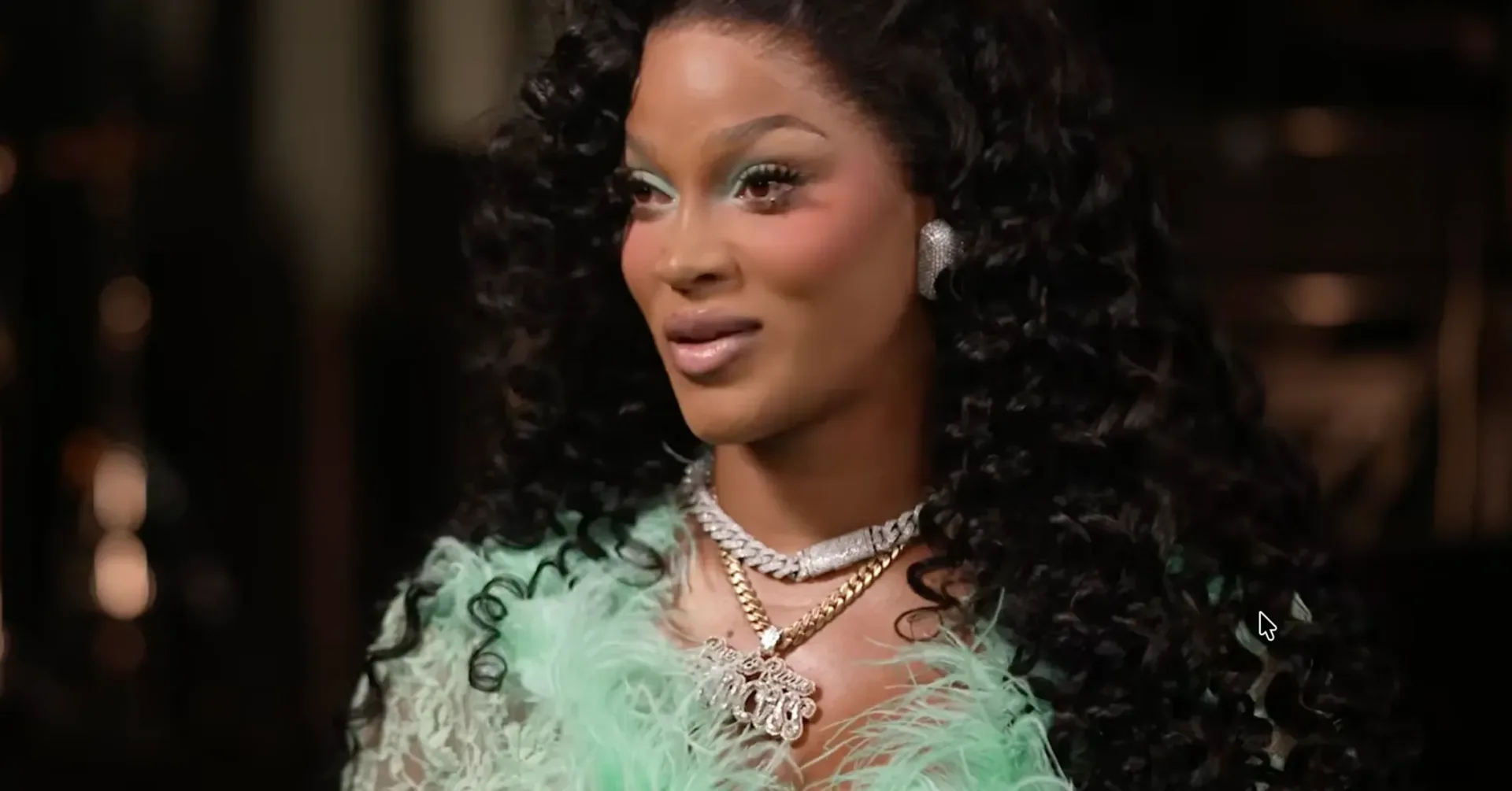
Megan separately brought a civil case against blogger Milagro Gramz, alleging a campaign that included false claims about the shooting and the promotion of a sexually explicit deepfake. A deepfake, in this context, is altered or synthetic media made to depict a person in a way that is not authentic. Its use can amplify reputational harm because viewers may encounter material that looks convincing despite being manipulated.
In May, a federal judge restored a jury’s defamation finding and entered a $75,000 judgment covering defamation, intentional infliction of emotional distress, and promotion of an altered sexual depiction. Defamation generally concerns false statements that damage a person’s reputation. Intentional infliction of emotional distress is a civil claim involving extreme or outrageous conduct alleged to have caused severe emotional harm.
Gramz is challenging that judgment in the U.S. Court of Appeals for the Eleventh Circuit. An appeal means that litigation remains active; it does not erase the judgment while the challenge is being considered.
The civil case is legally distinct from Lanez’s criminal conviction. But together, the matters explain why a seemingly straightforward claim about event revenue carries a much heavier public context. The question is not merely whether a music-centered event sold out. It is whether a public promise attached to that event is followed by transparent action, particularly when the announced beneficiaries are women.
What to watch next
The next meaningful development would be documentation rather than another broad statement. That could include the names of recipient organizations, a disclosed amount, a timetable for distribution, or confirmation that funds have been delivered. Such details would make the scope of the pledge clearer and permit the public to distinguish between a promotional commitment and an executed donation.
Until that happens, the most accurate description is narrow: Lanez says that proceeds from his “Not on Tor” events are intended for women in need. The post did not specify who will receive the money, how much is involved, or whether the intended recipients have been paid.