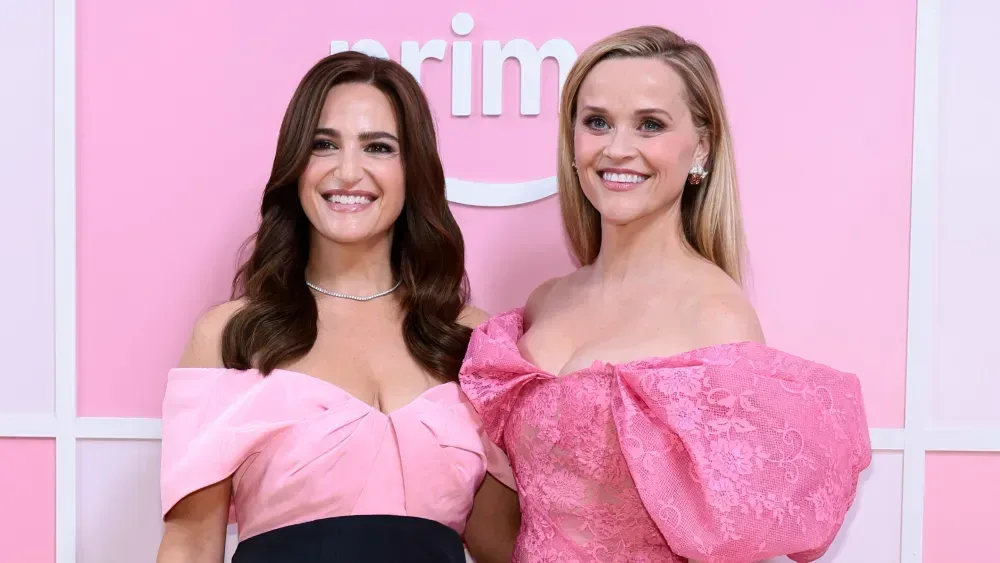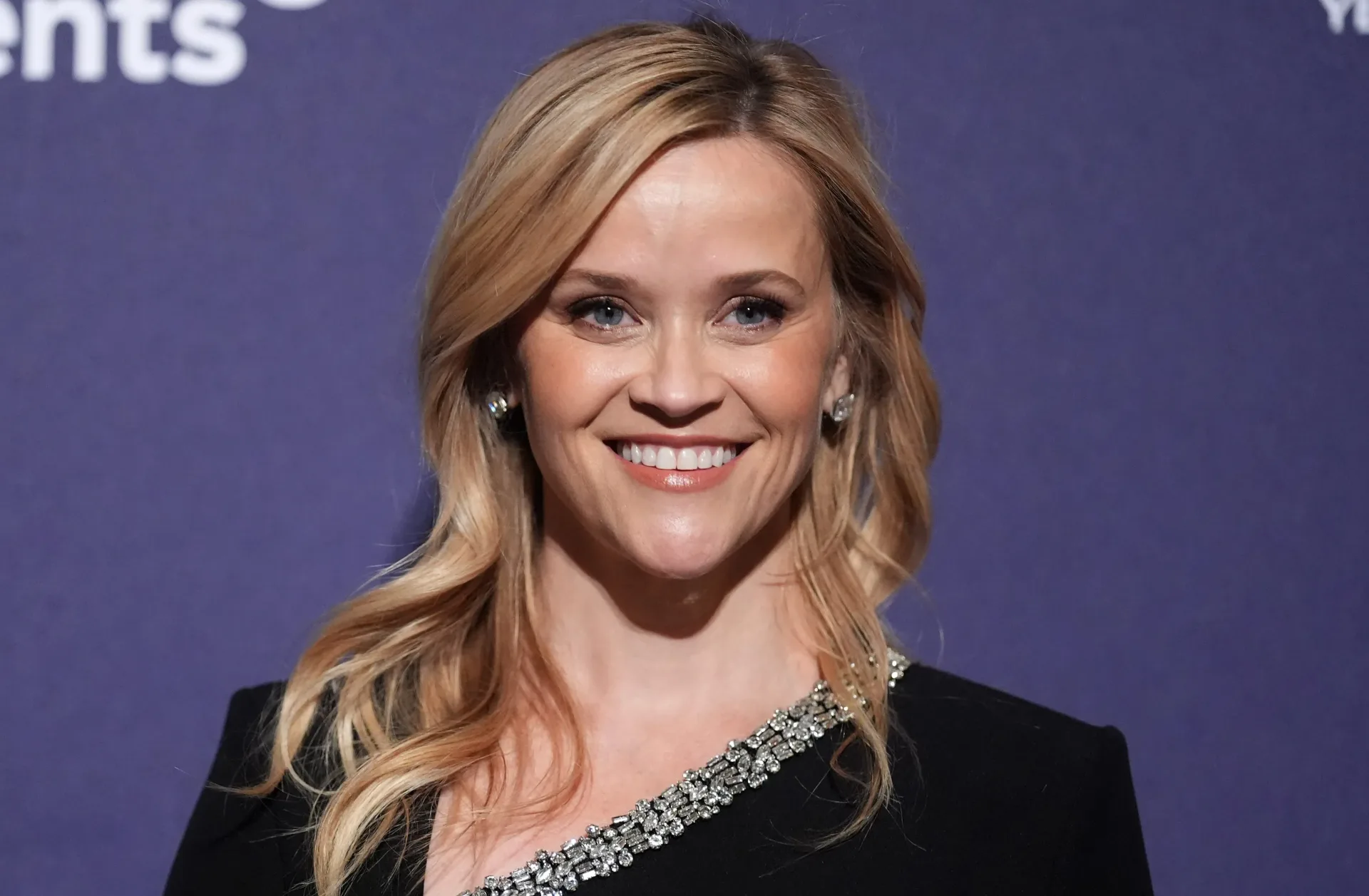
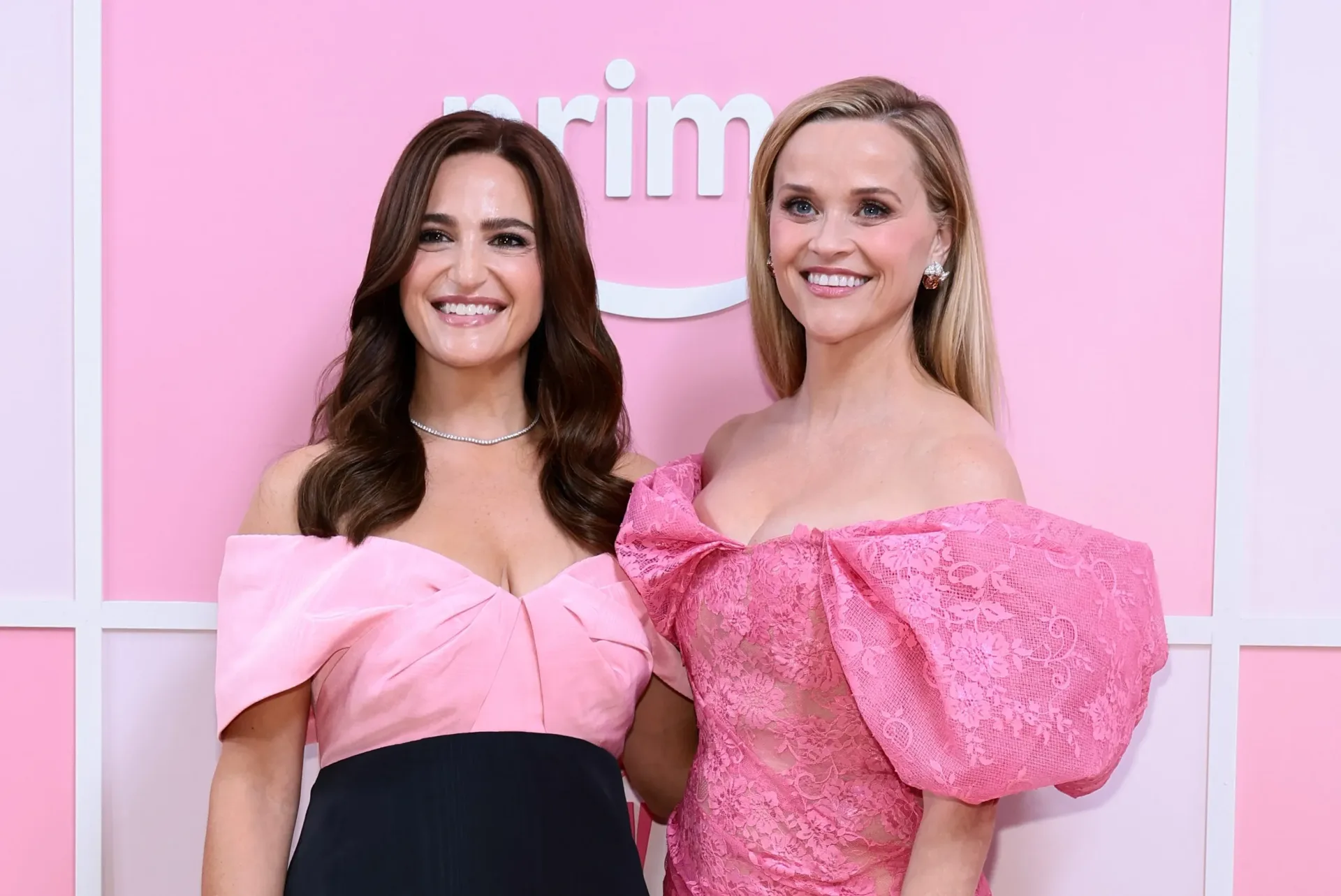
Lauren Neustadter, the president of film and television at Reese Witherspoon’s Hello Sunshine, will leave the company at the end of 2026. The move ends a long run at the production company for Neustadter, who joined in 2017 and became closely associated with its push toward ambitious, female-driven television, book adaptations and feature films.
Her departure arrives during a consequential period for Hello Sunshine. Reese Witherspoon and Mediawan recently partnered to buy the company back from Candle Media, and Hello Sunshine subsequently reduced its staff by roughly 50%. The company has said its path forward includes a focus on premium film and television, Reese’s Book Club, and expansion into new storytelling formats and distribution models.
That makes Neustadter’s exit more than a simple executive change. She has been one of the key people linking Hello Sunshine’s central creative mission—putting women’s stories and creators in the foreground—with its practical production output across television and film.
A separate report on Neustadter’s planned year-end departure likewise places the transition amid the company’s broader restructuring.
For more context, explore Casey Hudson Says Fate of the Old Republic Won’t Try to Recreate KOTOR’s Past.
A major creative executive steps away
Witherspoon credited Neustadter’s taste, passion and leadership as central to Hello Sunshine’s success in film and television. She also emphasized the foundation Neustadter helped establish around powerful and complex stories led by women.
“Lauren’s taste, passion and leadership have been integral to Hello Sunshine’s film and television success,” Witherspoon said. “I’m so proud of what we accomplished together and grateful for her partnership and the lasting foundation she built around telling powerful, complex female-driven stories that resonate.”
Neustadter said that building Hello Sunshine with Witherspoon and the wider team had been the privilege of her career. She pointed to the company’s productions, opportunities for new voices, and its effort to spotlight women both on camera and behind it.
Neither statement identifies Neustadter’s next role, nor do the available details name a successor for her position. For now, the confirmed point is timing: she is set to depart when 2026 ends.
The productions associated with Neustadter
Neustadter served as an executive producer on a lineup of prominent series that illustrates the scope of Hello Sunshine’s scripted work. Those credits include The Morning Show, Big Little Lies, Little Fires Everywhere and The Last Thing He Told Me.
The common thread is not that every program is identical in genre or format. It is the company’s recurring interest in character-driven stories involving women with complicated personal, professional or family lives. That distinction matters because “female-driven” is often used as broad industry shorthand. In practice, it means the creative focus is organized around women’s perspectives and substantial roles, rather than treating them as supporting texture around somebody else’s story.
Her work also extended to adaptations tied to Reese’s Book Club, including Tiny Beautiful Things and Daisy Jones & the Six. An adaptation takes an existing work—in these cases, books—and reworks it for a different medium. It is not merely a matter of moving plot points from page to screen. The process can involve decisions about episode structure, casting, tone, character emphasis and what elements can be effectively dramatized.
For a company with a book club at the center of its identity, that capability is especially significant. A selected book can function as both a reading recommendation and an early connection point between an audience and a potential screen property. But a screen adaptation remains its own production, with its own creative and business demands. Neustadter’s listed credits show that she operated in the space where those literary selections could become television projects.
Film work alongside the television slate
Neustadter’s remit was not limited to streaming or television. She also worked on feature films including Where the Crawdads Sing and TriStar’s upcoming The Nightingale.
The distinction is worth making because a president of film and television oversees a portfolio rather than a single kind of project. Feature films and episodic series can both begin with a book, an original pitch or other source material, yet they call for different development and production approaches. A feature tells its story within a self-contained running time, while a series must sustain its narrative across episodes and often across multiple seasons.
Hello Sunshine’s stated plan to keep its attention on premium film and television therefore preserves the basic terrain Neustadter helped shape. “Premium” generally describes productions positioned around high creative ambition and strong production values, often intended to stand out in a crowded viewing market. It is a strategic description rather than a guarantee of a particular release date, platform or genre.
What the ownership change means—and what remains unknown
The timing of the departure is inseparable from the company’s recent corporate reset. Witherspoon and Mediawan partnered to buy Hello Sunshine back from Candle Media. After that transaction, Hello Sunshine cut about half of its workforce.
Those facts establish that the company is changing shape, but they do not establish the specifics of every upcoming production decision. There is no confirmed information here about which projects may be affected, what the company’s future staffing structure will look like, or who will take over Neustadter’s responsibilities. It would be premature to treat a leadership exit and staff reductions as proof that any named series or film has changed status.
What is clear is that the next version of Hello Sunshine will be operating with a reasserted emphasis on a defined set of businesses: premium screen storytelling, Reese’s Book Club, and new formats and distribution approaches. Distribution models refer to the ways finished work reaches an audience. The phrase can cover the route a film or program takes to viewers, rather than the creative content alone. Hello Sunshine has not detailed which new models it intends to pursue.
For viewers, readers and people tracking book-to-screen projects, the practical takeaway is a period of transition rather than an immediate on-screen change. Existing credits remain part of the company’s record, but the available information does not promise new seasons, new adaptations or altered release plans.
Neustadter’s background before Hello Sunshine
Before joining Hello Sunshine, Neustadter began her career as a film executive at Miramax and Twentieth Century Fox. She later became an executive at the FOX network, where her oversight included Brooklyn Nine-Nine, The Mindy Project and Lethal Weapon.
That prior experience helps explain the breadth of her Hello Sunshine work. Film-studio experience, network experience and production-company leadership each involve related but distinct pressures: developing projects, organizing creative teams, moving productions through decision-making stages and evaluating where a show or film can fit. Her career included both feature-film and television environments before she took on the dual film-and-TV role at Hello Sunshine.
Her exit also closes a chapter that spans much of Hello Sunshine’s modern output. Since joining in 2017, she has worked across acclaimed limited-series-style drama, book club-related adaptations and feature films. The company’s public framing of the departure is notably appreciative, presenting it as the exit of a foundational creative partner rather than a dispute.
Why Reese’s Book Club remains a key part of the story
Hello Sunshine’s intention to keep Reese’s Book Club among its priorities is particularly important because the book club is not simply adjacent branding. The supplied examples—Tiny Beautiful Things and Daisy Jones & the Six—show its relationship to the company’s screen strategy.
That does not mean every book club choice becomes a movie or series, and no such assumption should be made. Rather, the book club gives Hello Sunshine a recognizable place in conversations about fiction, authors and reading communities, while the film-and-television operation can develop selected material for the screen. Neustadter’s work in that overlap makes her departure meaningful to the company’s identity as well as its executive chart.
The next steps for Hello Sunshine will depend on how it fills or reorganizes the leadership responsibilities Neustadter held, how it pursues its stated expansion into new formats and distribution models, and which projects emerge from its continuing emphasis on premium storytelling and literary adaptation. Those details have not yet been announced.
For now, the confirmed record is substantial: Neustadter leaves after nearly a decade at Hello Sunshine, with executive-producer credits on series including The Morning Show and Big Little Lies, work on book adaptations such as Daisy Jones & the Six, and feature-film involvement including Where the Crawdads Sing and the upcoming The Nightingale. As Hello Sunshine resets after an ownership change and significant workforce cuts, that body of work will remain an important marker of the company’s recent era.