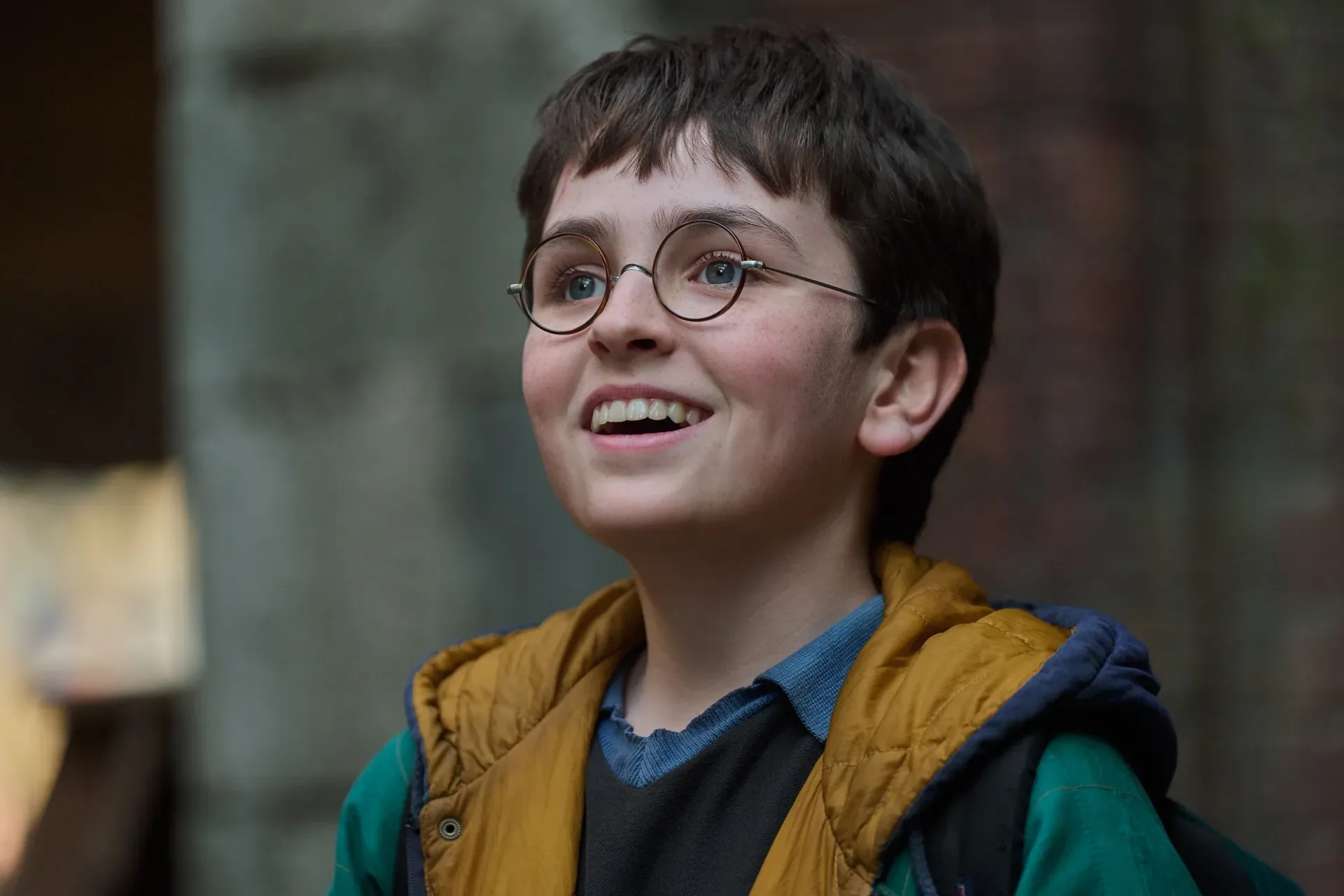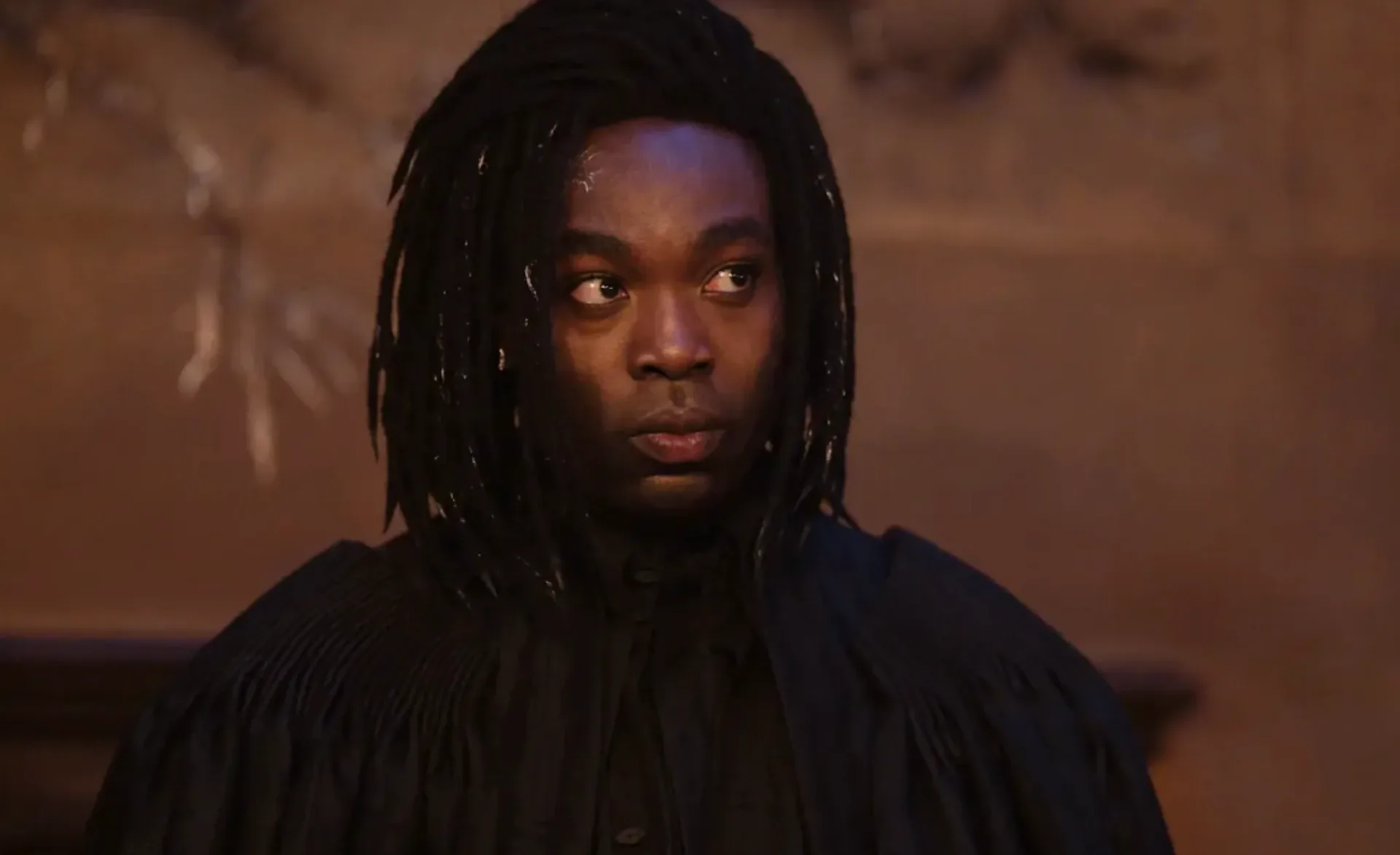
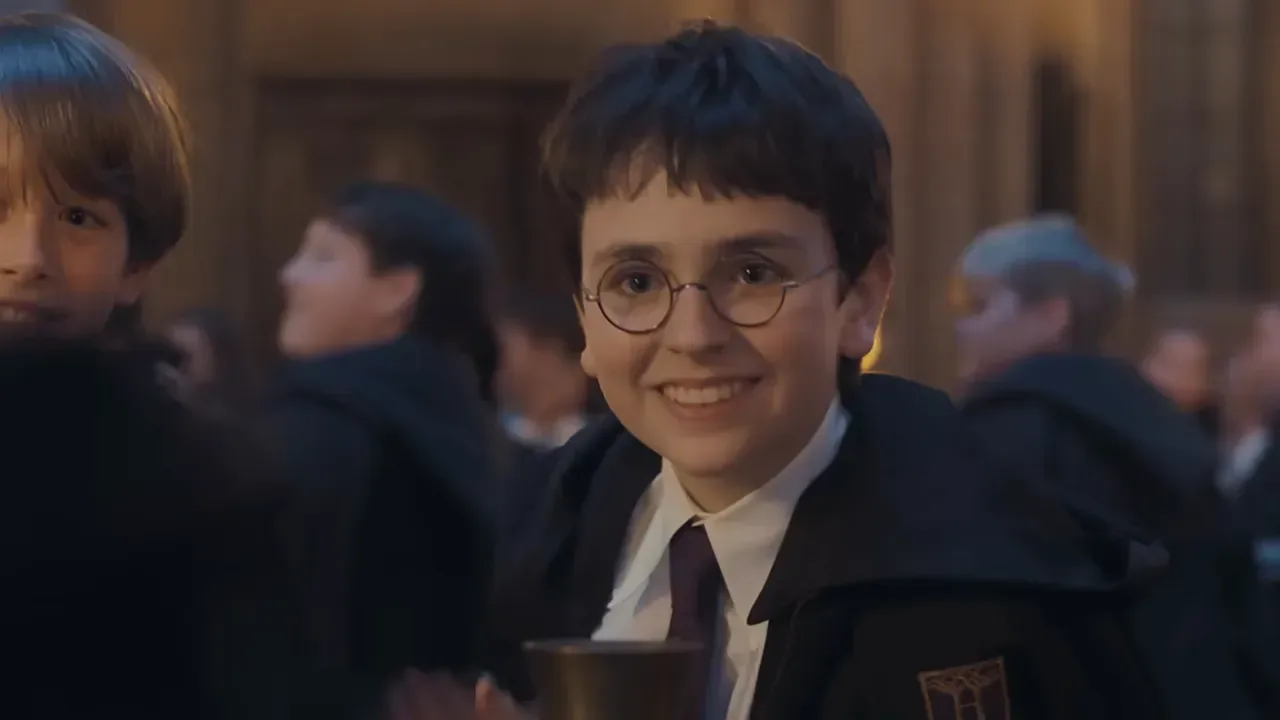
Hogwarts has opened its doors, the Great Hall has filled with food, and the internet has immediately inspected the background music with the intensity of a first-year trying to identify a suspiciously enchanted hat.
A newly released clip from HBO’s upcoming Harry Potter television series includes the first publicly heard sample of music connected to Hans Zimmer’s score. The early response has been distinctly mixed. Some fans have focused on the clip’s visuals and disputed whether its colour treatment is being accurately represented online; others have trained their ears on the music, measuring a brief, light cue against one of modern screen music’s most famous musical legacies.
That is an exceptionally difficult first impression to manage. John Williams’ “Hedwig’s Theme,” written for the original films, is not merely remembered as a piece of franchise music. It has become an immediate sonic shorthand for the wizarding world: a recognizable melodic identity that many viewers associate with the series before a character speaks, a wand sparks, or a very large cake arrives.
Zimmer, meanwhile, is not a newcomer drafted into an impossible job without credentials. His prior work includes scores for Interstellar, Gladiator, and The Dark Knight Trilogy. But reputation does not make a beloved existing motif vanish from listeners’ heads. In a rebooted adaptation, the score has to negotiate a basic but thorny question: how much should it evoke the work people already know, and how much should it establish a new musical personality?
A tiny cue, a very large comparison
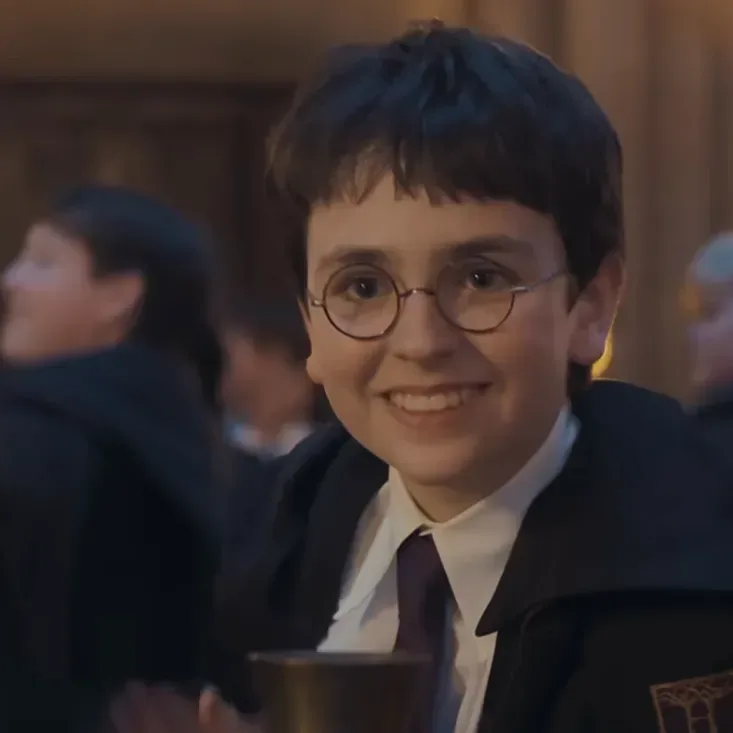
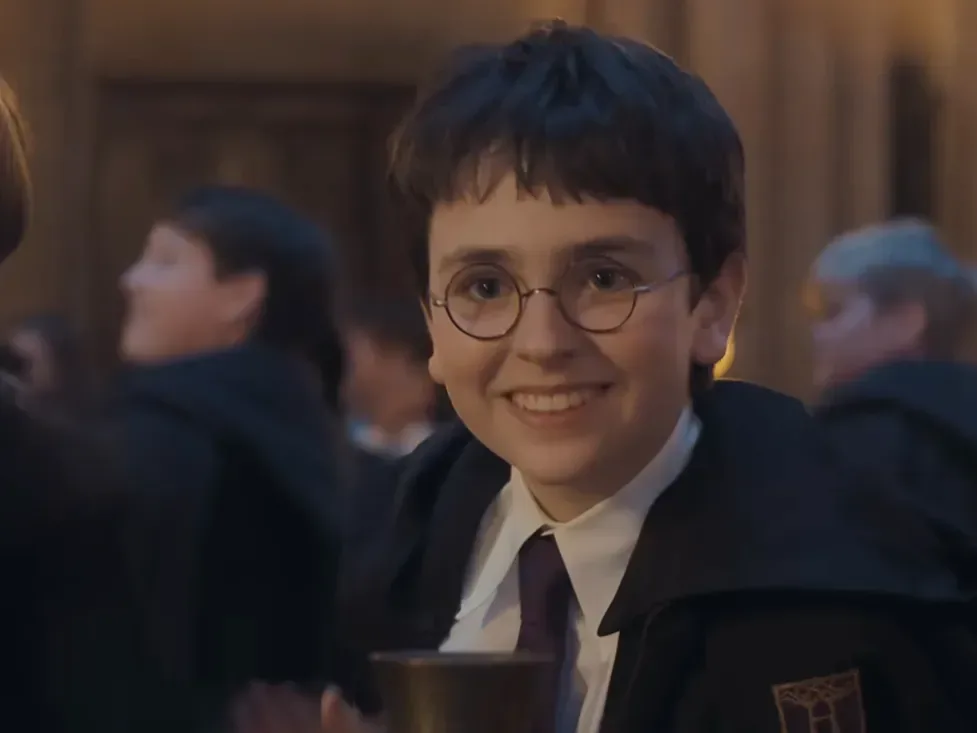
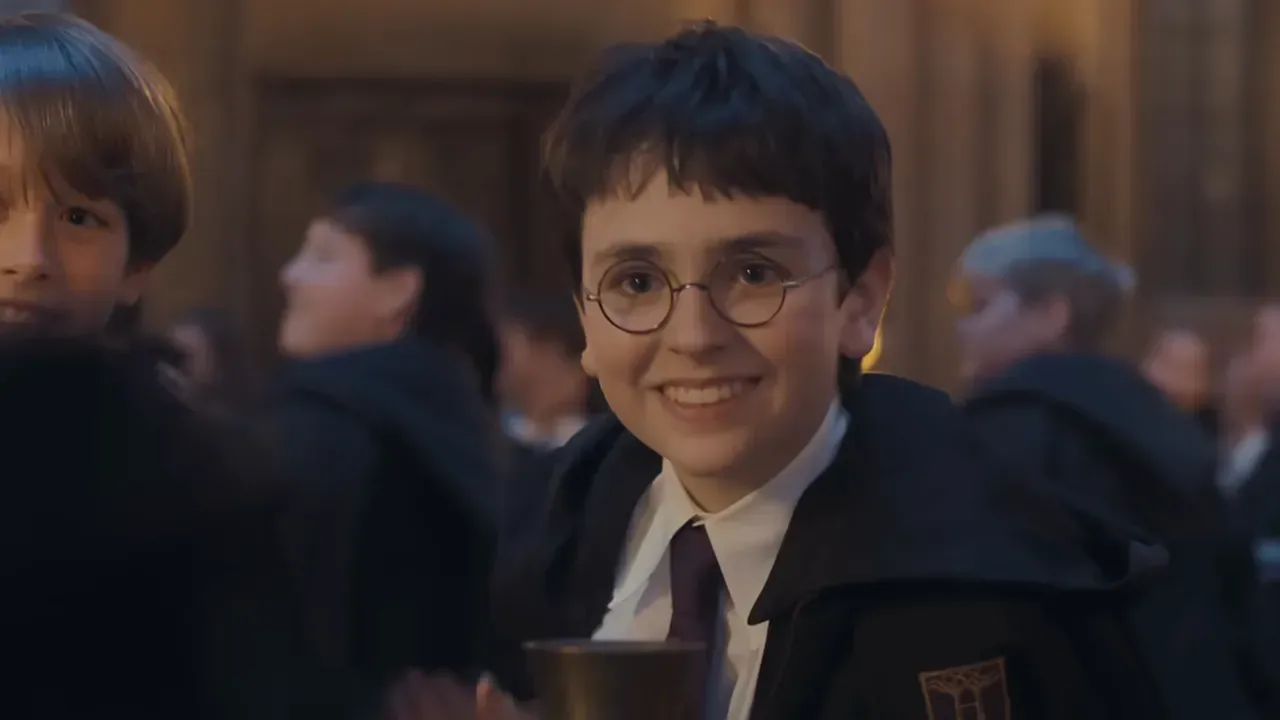
The scene in question depicts the beginning-of-term banquet, with Harry and Ron eating amid the Hogwarts spectacle. The music appears to serve the immediate dramatic purpose of the moment: it is light, playful background accompaniment for a meal and a room full of magical-school bustle. There is no indication that this extract is intended as the television series’ main theme.
That distinction matters. A main theme is generally a composition designed to identify a project at a broad level, often returning across titles, major story turns, marketing, and climactic scenes. A cue, by contrast, is a discrete passage written for a particular sequence, transition, or mood. A banquet cue can be charming, busy, silly, elegant, or deliberately unobtrusive without carrying the responsibility of representing an entire production.
Still, first released material tends to become a proxy for everything audiences have not heard. In the absence of a full soundtrack, recurring motifs, episode-to-episode development, or the opening titles, listeners are drawing conclusions from the only available musical evidence. Online reactions have ranged from jokes likening it to video-game and stock-music territory to complaints that it does not capture the grandeur or distinctiveness they associate with Williams’ work.
Those reactions are real feedback, but they are not a full verdict on a score that has not yet been heard in context. A cleaned-up extraction of the music from the released clip has circulated, letting fans listen with less scene audio around it. Even so, an isolated excerpt cannot show how a television score may use variation, repetition, character association, pacing, or silence across a season.
Why Williams is such a formidable shadow
Williams’ musical footprint creates a particularly high bar because “Hedwig’s Theme” functions as more than a nostalgic melody. Its distinctive sound and recurring use helped establish the films’ atmosphere. It has also remained culturally visible alongside the composer’s landmark work for franchises and films including Star Wars, Superman, Indiana Jones, and Jaws.
When fans say they want a score to “sound like Harry Potter,” they may mean several different things. They might be asking for a familiar melody. They may mean a sense of wonder, a particular orchestral texture, or a balance between childlike playfulness and looming darkness. They may simply be describing the emotional memory created by the films. Those are not interchangeable requests, and satisfying one does not automatically satisfy the others.
There is also a practical creative tension here. Repeating the previous films’ musical identity too closely could make the series feel dependent on them. Moving too far away can make a new score seem alien to viewers who have carried the old music with them for years. Zimmer and his collaborators are therefore being judged in the narrow corridor between “too familiar” and “not familiar enough”—a corridor with moving staircases, naturally.
The team behind the new music
Zimmer is working on the score with Kara Talve and Anže Rozman of Bleeding Fingers Music, the Emmy Award-winning musicians’ collective he co-founded. The collaboration signals that the project is not being framed as a single-composer exercise, even if Zimmer’s name understandably dominates public discussion.
When the collaboration was confirmed, Zimmer acknowledged both the scale of the assignment and the importance of the earlier musical work. He described the franchise’s musical legacy as influential for composers and said the team hoped to honor what came before while bringing audiences closer to the story’s sense of magic.
That stated aim is worth keeping in view as viewers parse a few seconds of banquet music. “Honoring” an existing legacy does not necessarily mean rebuilding it note for note. It can mean recognizing the audience’s attachment to the world, its tone, and its musical history while composing new material that can belong specifically to this adaptation.
What the first clip can—and cannot—tell viewers
The available footage can support a few limited observations. It shows that the series’ first exposed bit of music has a lighthearted function rather than an obviously monumental one. It also shows that the score will receive scrutiny at an unusually granular level. The music has arrived not as a full album or a standalone title track, but attached to a scene that has also sparked conversation about its look.
What it cannot establish is the complete character of the score. It does not reveal the shape of the opening theme, whether specific characters will receive recurring musical motifs, how the music will shift for suspense or drama, or how much thematic material may develop during the season.
A motif is a short recurring musical idea associated with a character, place, concept, or emotion. In screen storytelling, motifs can change in harmony, tempo, orchestration, or intensity as the narrative changes. A brief comic or domestic cue may share no obvious material with a later dramatic theme, and a score’s effectiveness often depends on those relationships over time rather than on whether one clip can stand beside a decades-old favorite.
There is another factor: music is heard differently when paired with dialogue, editing, sound effects, and performance. A cue may be written to stay out of the way of a joke, the clatter of a feast, or a line reading. Stripping it from the scene can make it easier to study, but can also alter the very job it was designed to do.
The larger reboot test
The series is scheduled to debut on December 25, with further episodes following into early 2027. Casting news has continued to arrive, including William H. Macy—known for Shameless and Fargo—as the Sorting Hat. The project is therefore moving toward the phase where every small official preview can become a referendum on the entire undertaking.
That is familiar territory for any return to a major cultural property, but music is unusually exposed. Costumes can be debated frame by frame; casting can be debated role by role. A melody, however, can trigger an instant response in a few seconds. No extensive lore document is required. People either feel the spark, feel something different, or feel the impulse to compare the result to the old spellbook.
The fairest reading of this first extract is neither that it has already cleared Williams’ impossible bar nor that it has doomed the entire score. It is a small, cheerful piece from a feast scene, released ahead of a series with a score still largely unheard. Fans are justified in having strong musical expectations. The better test will come when the show has enough room to reveal what themes it wants to build, revisit, and make its own.
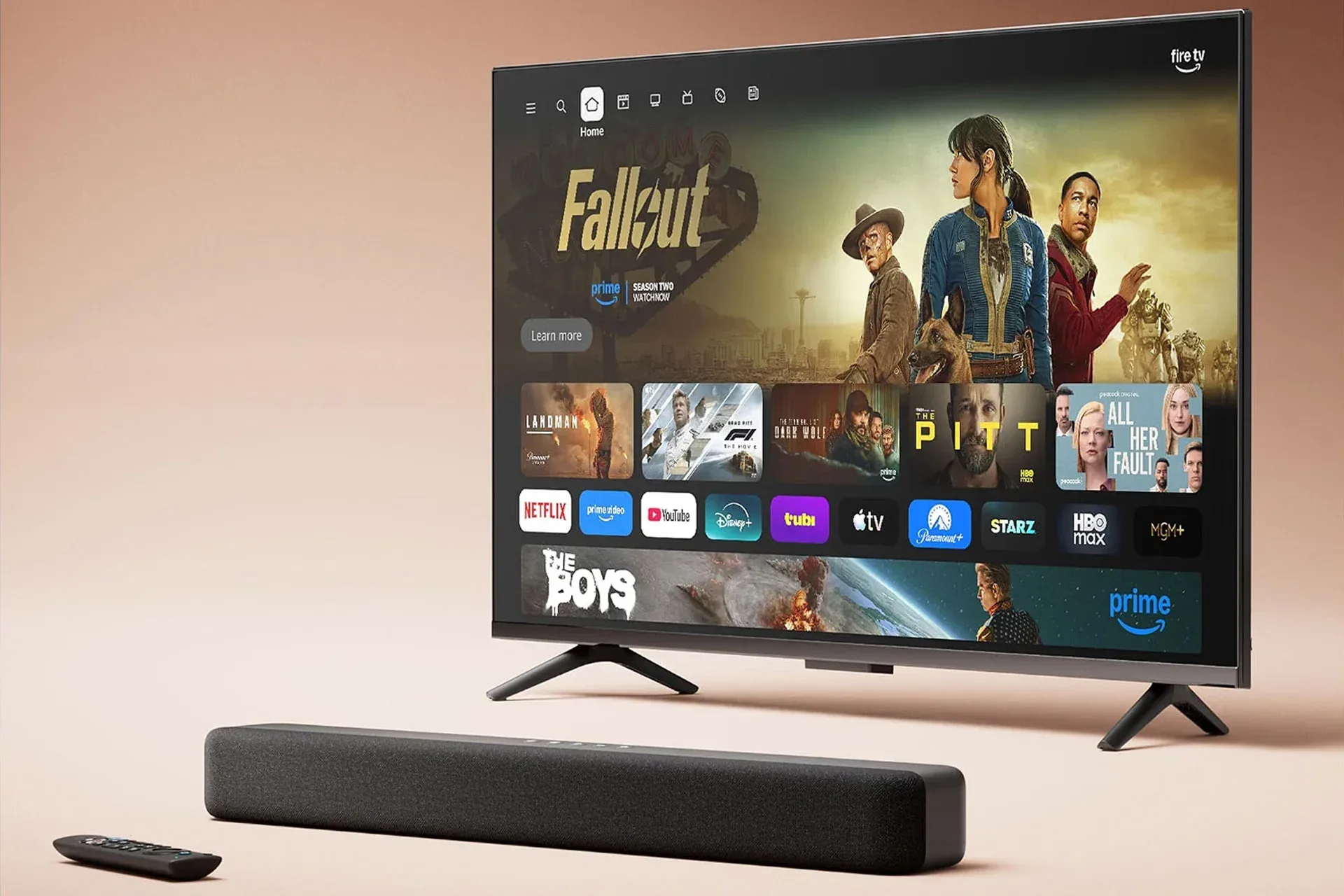
For now, the Great Hall has served its first course, and the comments section has supplied the dragon fire. Viewers waiting to evaluate the whole musical feast may want to keep their wands holstered until more than one bite is on the table. For a related audio-upgrade angle while TV releases pile up, see this Fire TV Soundbar deal rundown.