Big televisions get the glory; their built-in speakers are often left doing the actual heavy lifting. That imbalance is why a soundbar can be one of the more practical living-room upgrades, particularly when the cost is closer to a game controller than a full surround setup.
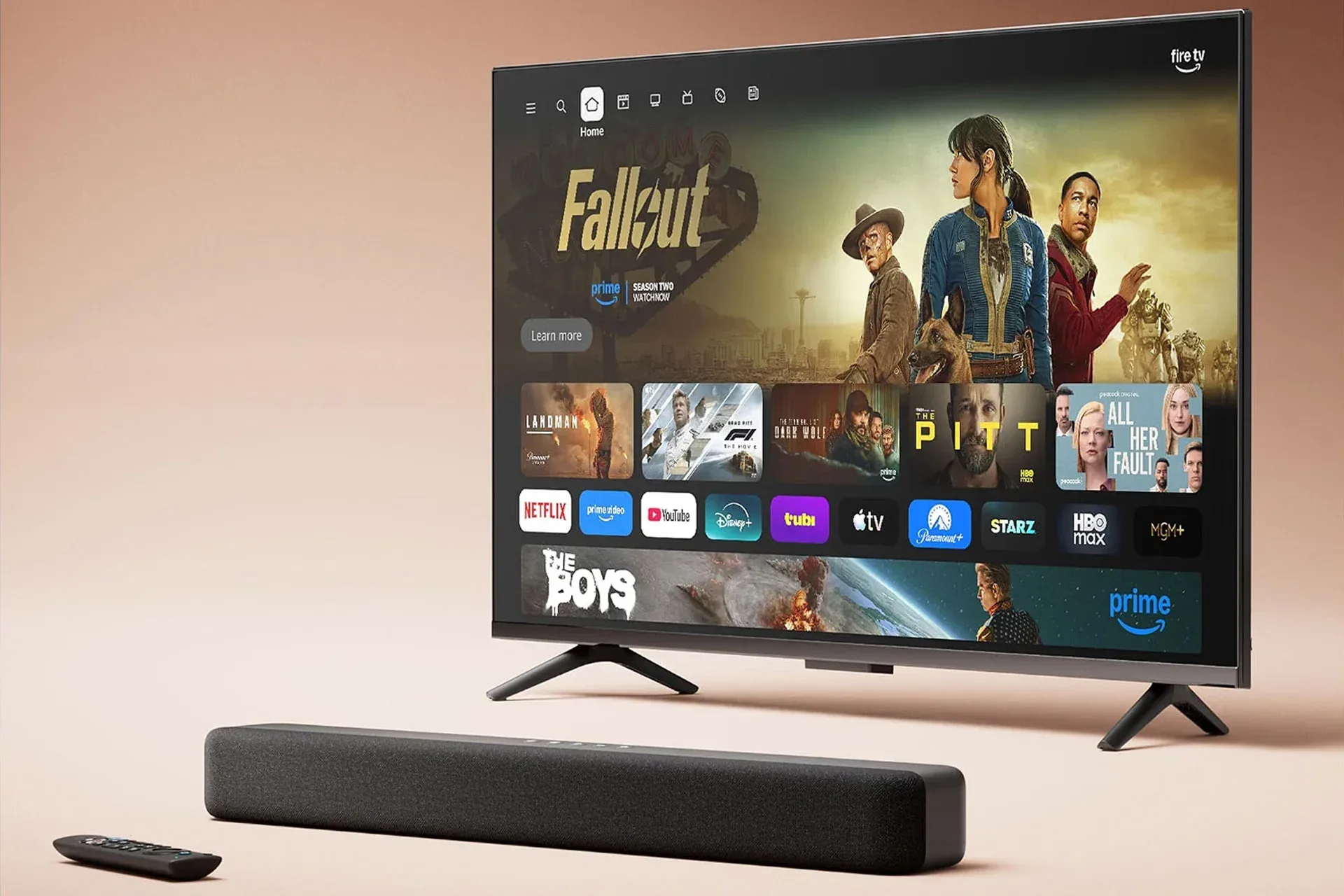
Amazon’s Fire TV Soundbar is currently listed at $75, reduced from its stated regular price of $120. That is a $45 reduction, or roughly 38%. The model is a compact, two-speaker bar with support for Dolby Audio and DTS Virtual:X, and it is designed to connect to a compatible television through HDMI ARC or eARC.
The bargain is straightforward. So is the important caveat: a sale price is not the same thing as a guarantee that a product fits every room or every TV. For shoppers considering the Fire TV Soundbar, the useful question is less “is $75 cheap?”—it plainly is relative to the listed price—and more “will this solve the specific audio annoyance I have with my television?”
What the Fire TV Soundbar offers
The supplied specifications point to a simple all-in-one upgrade rather than a sprawling home-theater system. The Fire TV Soundbar uses dual speakers and is described as delivering deep bass. Its main audio features are Dolby Audio and DTS Virtual:X.
Dolby Audio is an audio format family intended to deliver more detailed sound. In practical terms, support means the soundbar can handle compatible Dolby-encoded audio rather than relying entirely on a basic TV-speaker presentation.
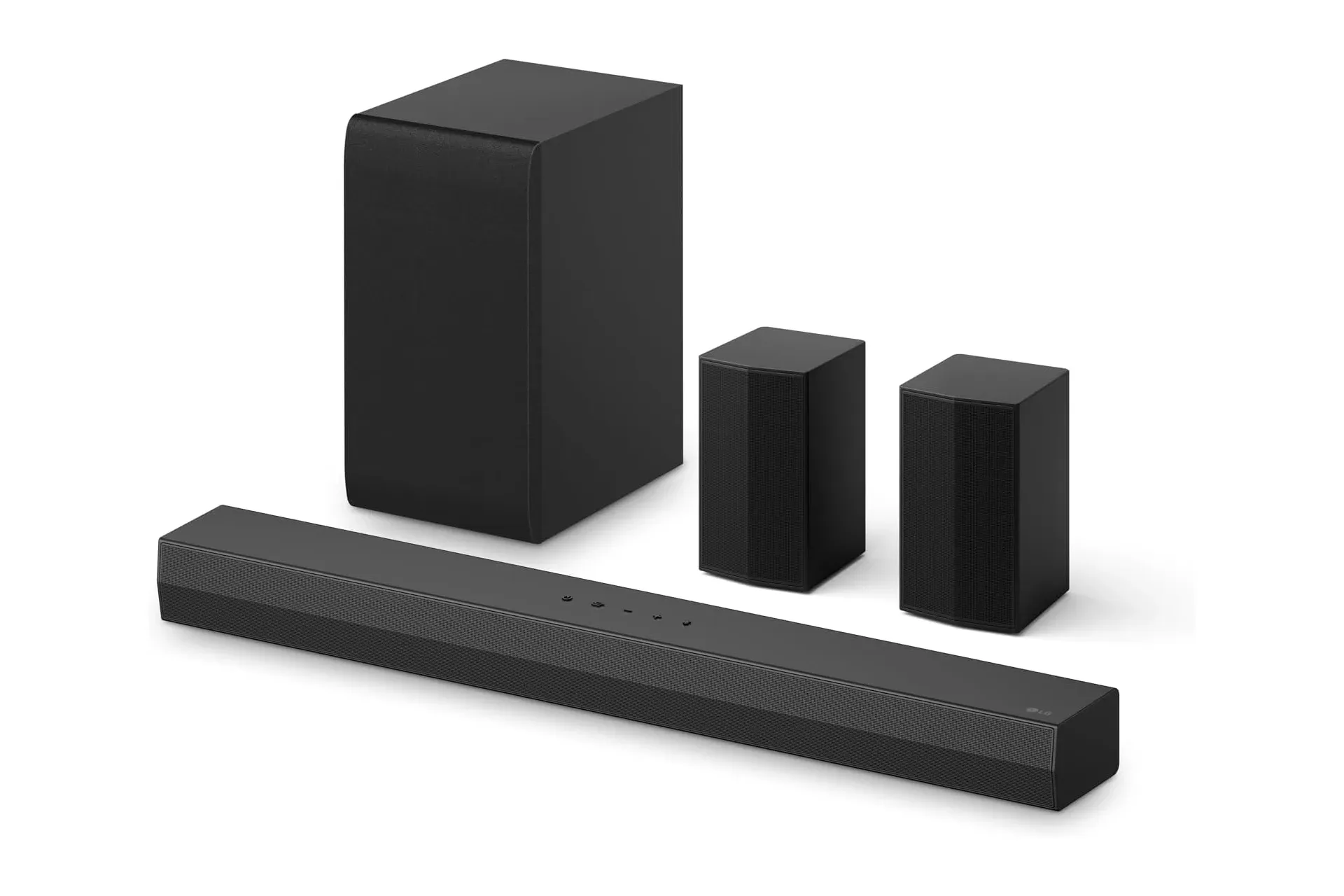
DTS Virtual:X is a virtual-surround processing technology. “Virtual” matters here. The soundbar is not presented as a package of separate speakers placed around the room. Instead, it processes sound to create a more three-dimensional or surround-like effect from the bar itself. That can make a compact setup feel broader than the physical hardware suggests, but it should not be confused with a full system featuring dedicated rear channels.
That distinction helps set sensible expectations. This product is aimed at people who want a cleaner, more intelligible and more enveloping TV sound experience without making speaker placement a second hobby. Its appeal is convenience and space efficiency, not a promise to replace every kind of multi-speaker arrangement.
The connection detail that matters: HDMI ARC and eARC
The easiest setup path depends on the television. The Fire TV Soundbar can connect through a TV’s HDMI ARC or HDMI eARC port. ARC stands for Audio Return Channel; eARC stands for enhanced Audio Return Channel. Both let a television send audio back to a soundbar using an HDMI connection.
For a buyer, the most attractive practical benefit is control. With the soundbar linked this way, volume can be controlled with the existing TV remote rather than requiring a separate routine every time a show gets suddenly louder than its dialogue.
Before purchasing, it is worth checking the labels on the TV’s HDMI ports or consulting its manual. HDMI ports are not necessarily interchangeable for this purpose: the relevant one will be marked ARC or eARC. The available information specifically identifies this route as the simple setup option, so confirming compatibility beforehand is a small step that can prevent a large amount of sofa-side cable detective work.
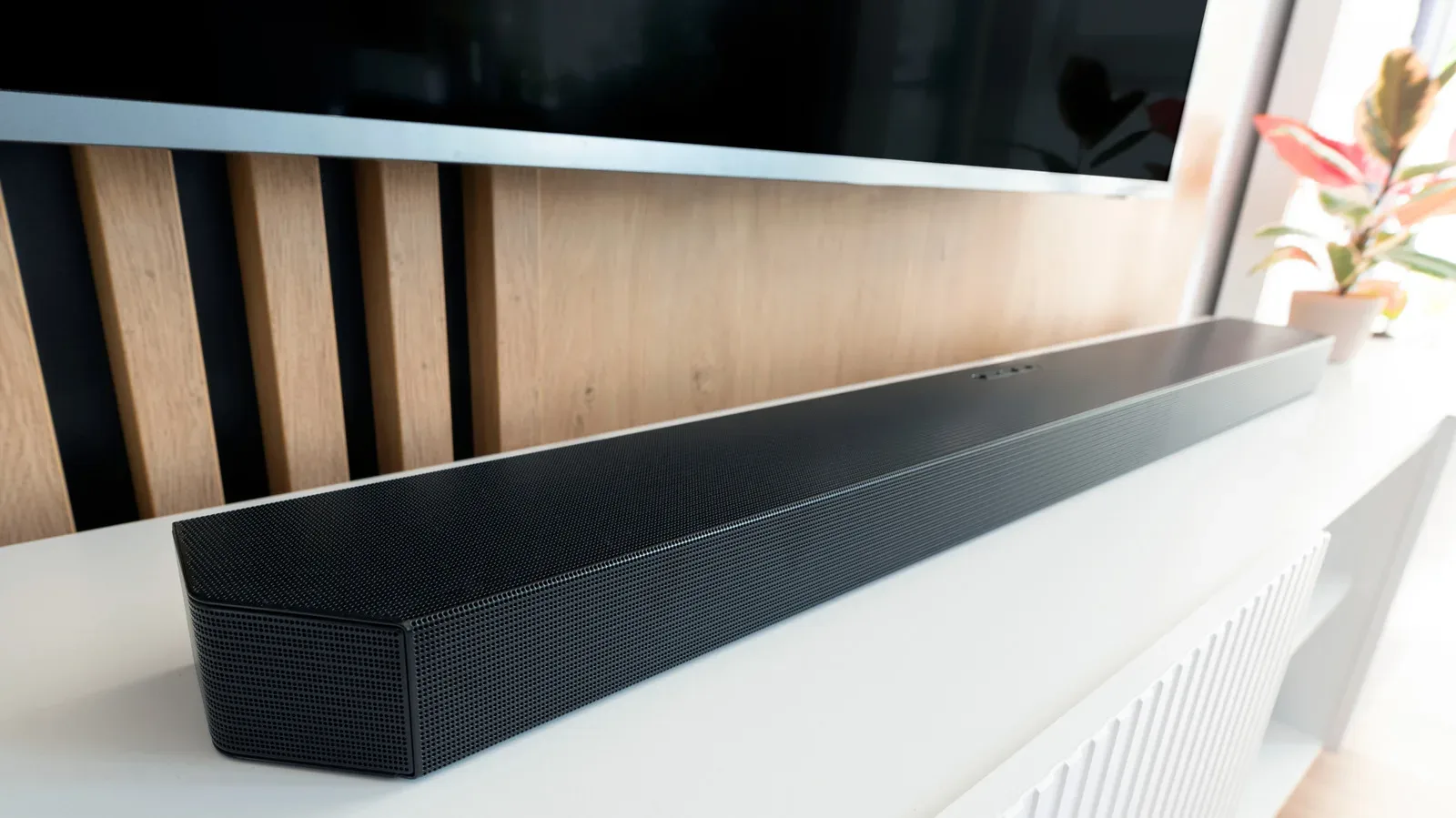
It also makes the deal a potentially sensible choice for a wall-mounted TV. A setup that uses HDMI ARC/eARC can keep the connection conceptually tidy, while the soundbar’s modest footprint is suited to sitting below a screen.
A small bar for a familiar TV problem
The Fire TV Soundbar measures 24 inches across and stands 2.5 inches tall. Those dimensions are central to its pitch. It is not intended to dominate the media stand or make a compact entertainment space look like the bridge of a very budget-conscious starship. It can also be wall-mounted when the TV is mounted.
For many households, television audio problems are less about chasing maximum volume than about clarity. Dialogue can get lost amid music, effects and room noise, and built-in TV speakers have limited physical space in which to work. A dedicated soundbar gives audio its own hardware and is intended to make detail and dialogue easier to pick out.
That makes a compact two-speaker bar most relevant to a few common situations:
- A TV’s own speakers sound thin or make dialogue difficult to follow.
- The room does not have space for multiple external speakers.
- The owner wants fewer boxes, fewer cables and one familiar remote for volume.
- A wall-mounted screen needs audio hardware that can also be mounted neatly below it.
The stated deep-bass capability and virtual-surround processing are meaningful additions at this price, but they do not change the product’s basic role. This is a streamlined soundbar meant to improve on a television’s default speakers, not a specification sheet for an elaborate speaker ecosystem.
How to evaluate the $75 price without getting lost in deal-season noise
The listed discount is substantial: $75 versus $120. Yet shopping wisely during early holiday promotions means separating a discount from a need. If TV audio is already clear enough for the space, the saving may simply be an invitation to buy another thing that needs dusting. If unclear dialogue or flat sound is a recurring irritation, a low-cost soundbar addresses a very specific weak point in the setup.
There is also a timing element. Retail promotions tend to accelerate as the holiday-shopping period approaches, but the available information only establishes this Fire TV Soundbar price at $75 under an early promotion. It does not establish how long the price will last, whether it will fall further later, or whether stock will remain constant. Buyers should therefore treat the stated deal as a snapshot rather than a permanent price floor.
Those comparing broader gaming and home-entertainment discounts can also see the larger seasonal pattern in our coverage of early holiday tech deals on monitors, headphones and desk gear. Audio upgrades can be especially easy to overlook beside a flashy display purchase, even though sound is doing half the work whenever a game, film or show is actually being watched.
Questions worth answering before checkout
Because the source material is focused on the promotion and core features, it does not provide a complete technical inventory. It does not detail every connection option, accessory, audio mode or compatibility scenario. That makes a short pre-purchase checklist more useful than assumptions.
- Does the TV have a port labeled HDMI ARC or eARC? This is the connection method identified for the uncomplicated setup and TV-remote volume control.
- Is 24 inches the right width for the furniture and screen placement? The bar is compact, which is helpful in tight spaces, but buyers should still measure the open area beneath the television.
- Will it block the TV’s lower edge or remote sensor? A 2.5-inch-tall bar is low-profile, but placement varies by stand and screen design.
- Is wall mounting part of the plan? The soundbar can be mounted, an appealing option for wall-mounted TVs, but the physical layout should be considered first.
- Is the desired outcome better TV sound or a dedicated surround system? DTS Virtual:X aims to simulate surround sound. It is a different proposition from installing separate speakers around the room.
The practical verdict on the promotion
At the stated $75 price, the Amazon Fire TV Soundbar’s value proposition is easy to understand. It combines two speakers, Dolby Audio, DTS Virtual:X, HDMI ARC/eARC convenience and a compact 24-inch design at a price $45 below its listed regular cost.
It is most compelling for TV owners whose current audio is the weak link in an otherwise satisfactory viewing setup. The potential improvements are clearer dialogue, more detail and a broader sound presentation, while the practical conveniences are a single HDMI connection and the ability to keep using the television remote for volume. For shoppers seeking that modest but meaningful jump from built-in speakers, the sale turns an often-postponed upgrade into a relatively low-cost one.
Shop the products
Check current price, model and availability at the retailer.