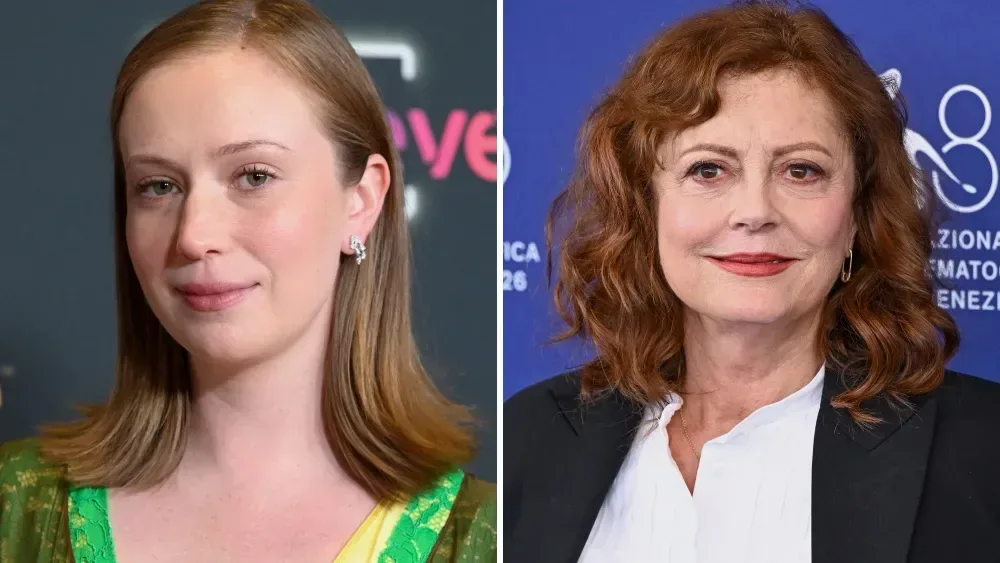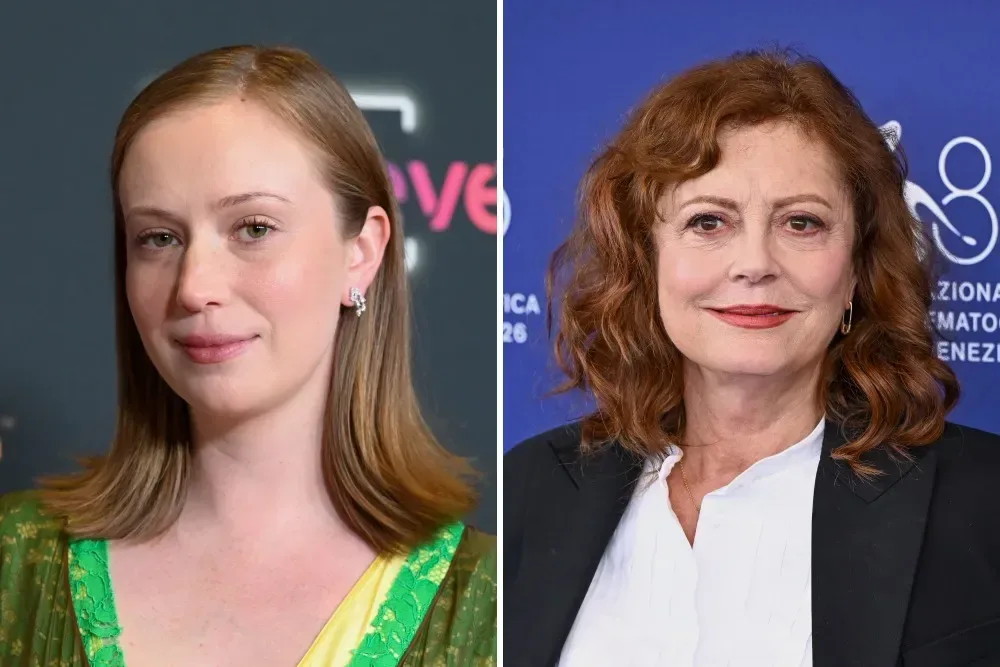
Hannah Einbinder and Susan Sarandon were among people detained during a Sept. 24 protest in New York City ahead of Israeli Prime Minister Benjamin Netanyahu’s planned address to the United Nations General Assembly.
Images circulating online showed the two actors being led away in handcuffs before Netanyahu began speaking. The available information does not establish whether Einbinder and Sarandon were formally arrested or temporarily detained, an important legal distinction that had not been clarified at the time of publication.
Both performers have been public critics of Israeli government policy and supporters of Palestine. Their presence at the protest continues a pattern of direct public engagement that each has said can carry professional consequences.
What is confirmed, and what remains unclear
The central confirmed detail is that Einbinder and Sarandon were detained alongside other demonstrators in New York City on Sept. 24. Photos of the pair in cuffs spread widely on social media.
However, detention and arrest are not interchangeable terms. A person may be detained when law enforcement temporarily restricts their movement while investigating an event or managing a protest. An arrest generally refers to a formal custodial action tied to an alleged offense and can carry additional procedural consequences. The information available does not confirm which status applied to either actor.
That uncertainty matters. Viral images can document a moment, but they do not by themselves establish what charge, if any, was brought; whether anyone was processed; or what happened after police intervention. Until authorities or representatives provide a fuller account, describing the incident as a detention is the most precise characterization supported by the available facts.
A protest linked to the U.N. General Assembly appearance
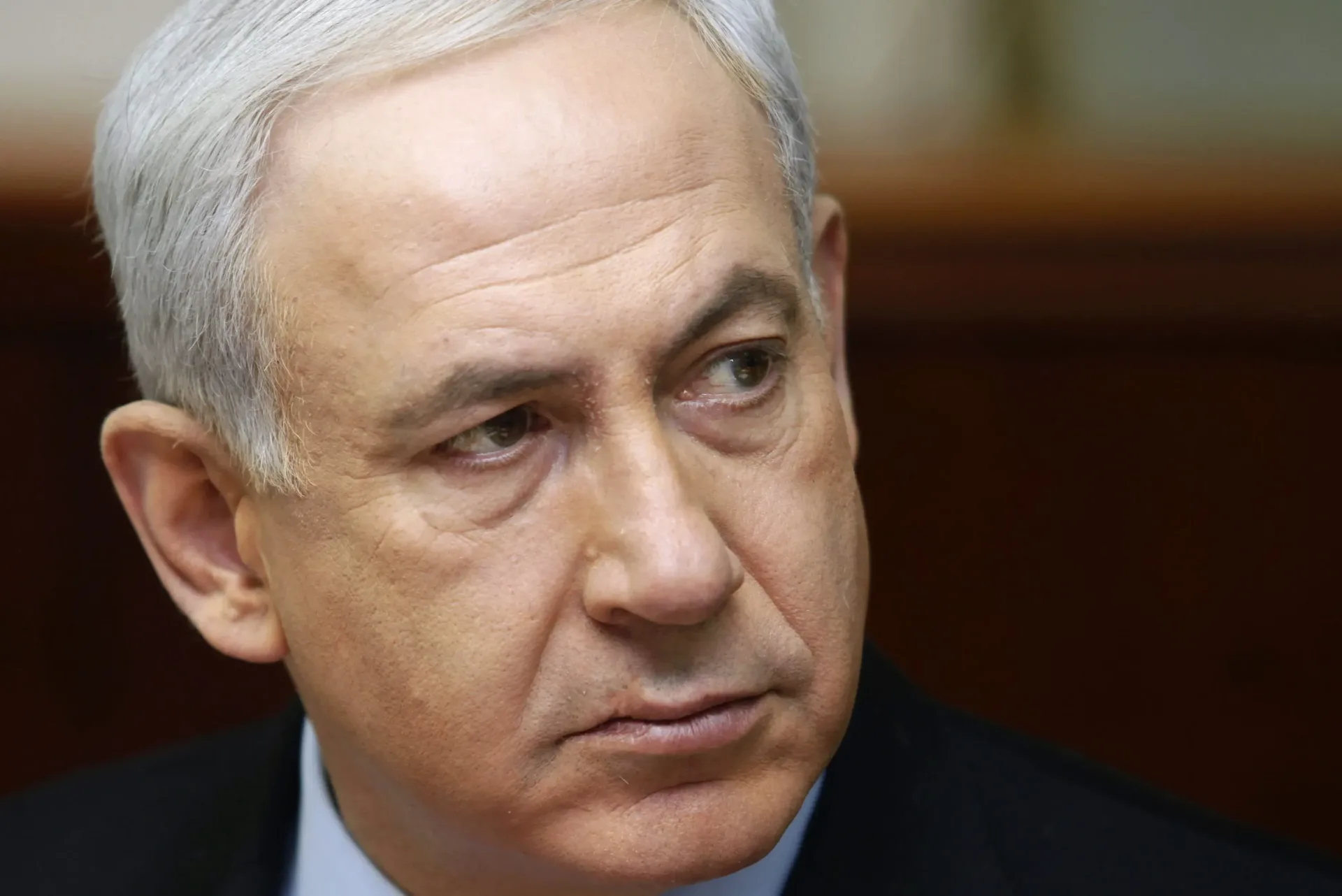
The demonstration took place as Netanyahu was set to address the U.N. General Assembly. During the speech, Netanyahu addressed delegates who exited the room at its start, asking where they had been when Iranian authorities harmed Iranian civilians. He later criticized New York City Mayor Zohran Mamdani and streamer Hasan Piker.
High-profile political appearances often draw competing demonstrations and intense media attention, particularly when the event concerns an international leader whose policies have sparked sustained global protest. In this case, the participation of two recognizable actors helped propel the New York demonstration through social feeds beyond the immediate crowd.
Related coverage includes Hannah Einbinder and Susan Sarandon Detained at Netanyahu Protest in New York.
Celebrity participation can make a protest more visible, but it can also narrow public attention around famous faces. The more useful reading of the images is not that the actors eclipsed the underlying political dispute, but that they were identifiable participants in a larger protest occurring around a consequential diplomatic event.
Einbinder has addressed the career risk of speaking out
Einbinder has previously spoken publicly about why she believes speaking about Palestine is worth potential professional consequences. At Cannes, she framed silence as carrying its own moral cost and said she did not see her career as comparable in importance to human life.
Her position is notable because it treats public advocacy as a choice shaped by priorities rather than a risk-free extension of celebrity. There is no evidence here that the Sept. 24 detention was connected to her employment, projects, or representation. But her earlier comments make clear that she has considered the possible professional fallout of political speech and decided to continue.
That distinction is important in entertainment coverage. An actor’s activism may become part of the public conversation around their career, but it should not be used to infer project decisions, employer actions, or industry-wide consequences without specific evidence.
Sarandon has said activism affected her work
Sarandon has likewise been outspoken about Palestine and has described a more direct professional impact. Speaking at the Venice Film Festival in September, she said movies had recently been taken away from her and that agencies were still advising people not to hire her. She also said she felt welcomed by people internationally, while describing a power structure that she believed was operating against her.
Those remarks are Sarandon’s account of her own career experience. They do not establish the reasoning behind any individual casting or production decision, and the available information does not identify particular films, agencies, or employers. Still, they provide the context for why her appearance at a political demonstration was unlikely to be accidental or purely symbolic.
For Sarandon, public advocacy and professional life have become openly connected subjects. Her comments describe an industry environment in which an entertainer’s political position can be viewed as consequential by gatekeepers, even as public support may be felt elsewhere.
Why precision matters when footage spreads fast
The online circulation of handcuff images creates an understandable urge for instant certainty. Yet a photo is not a police report, court record, or a statement from the people involved. It can show that someone was restrained or escorted away; it cannot independently resolve whether the encounter ended in release, citation, arrest, or charges.
That is especially relevant in an era where entertainment figures, political demonstrations, and social platforms intersect almost immediately. Attention moves quickly from what an image visibly shows to broader claims about legal outcomes and personal motives. Responsible coverage should keep the confirmed event separate from unresolved details.
Here, the facts support a straightforward account: Einbinder and Sarandon were detained at a New York protest ahead of Netanyahu’s U.N. speech, and images of them in cuffs circulated online. The legal status of that detention remains unconfirmed.
The episode also arrives amid wider discussion about celebrity speech, political pressure, and the cultural institutions that shape public visibility. Entertainment-industry debates can quickly become debates about ownership, platforms, and audience attention, as seen in reporting on interest in a potential Letterboxd sale. But the immediate issue in New York is more basic: two actors known for their advocacy joined a public protest, were detained, and now await clarity on what that police action legally meant.
What to watch next
- Whether authorities clarify if Einbinder or Sarandon was arrested, cited, released, or charged.
- Whether either actor or their representatives gives an account of the detention.
- Any further details concerning the broader protest and the police response.
Until then, the strongest account remains the narrowest one: the actors were among those detained during the New York demonstration, while the full legal outcome has not been confirmed.