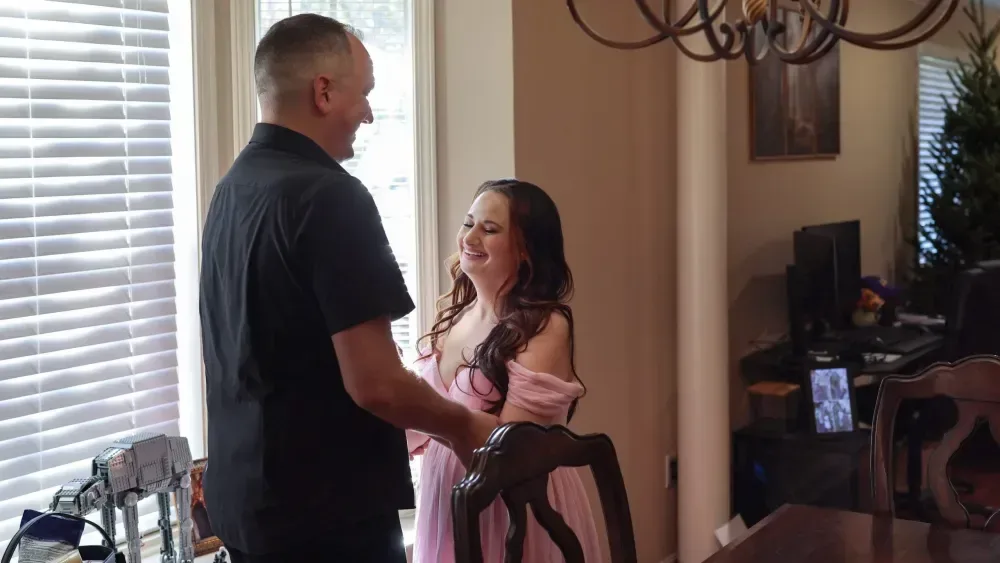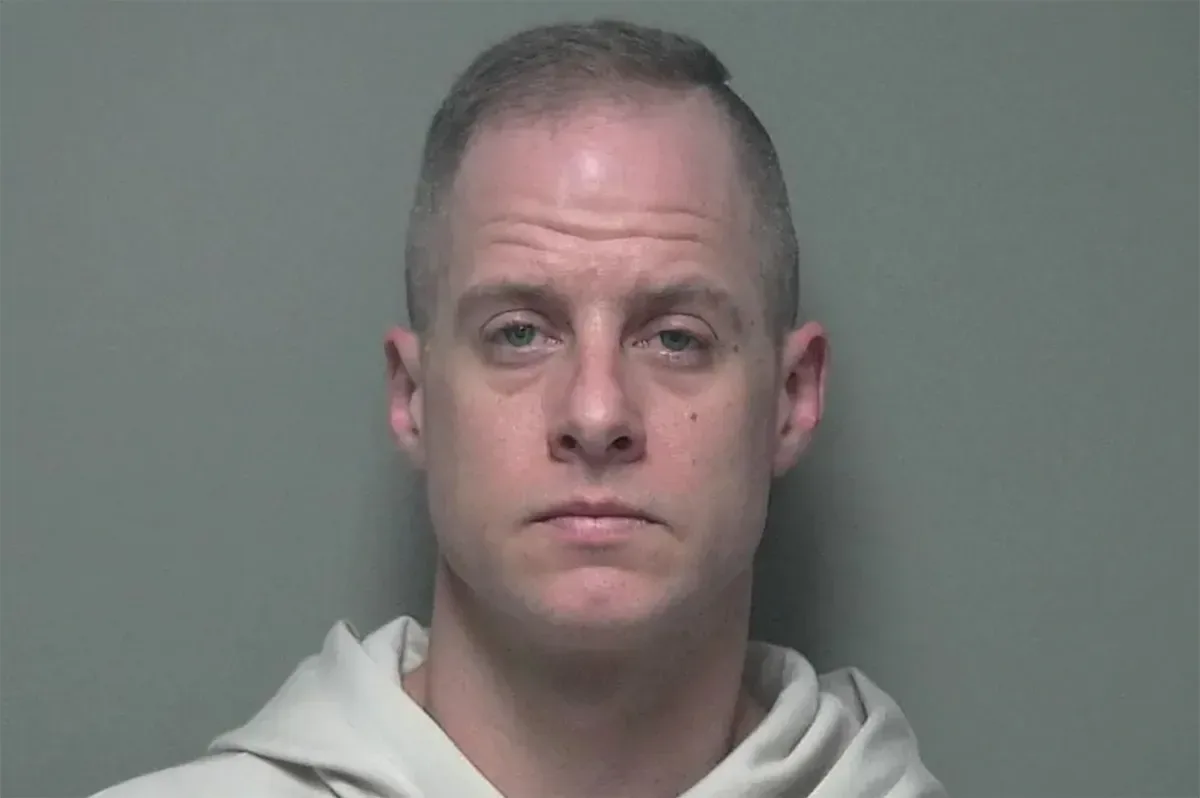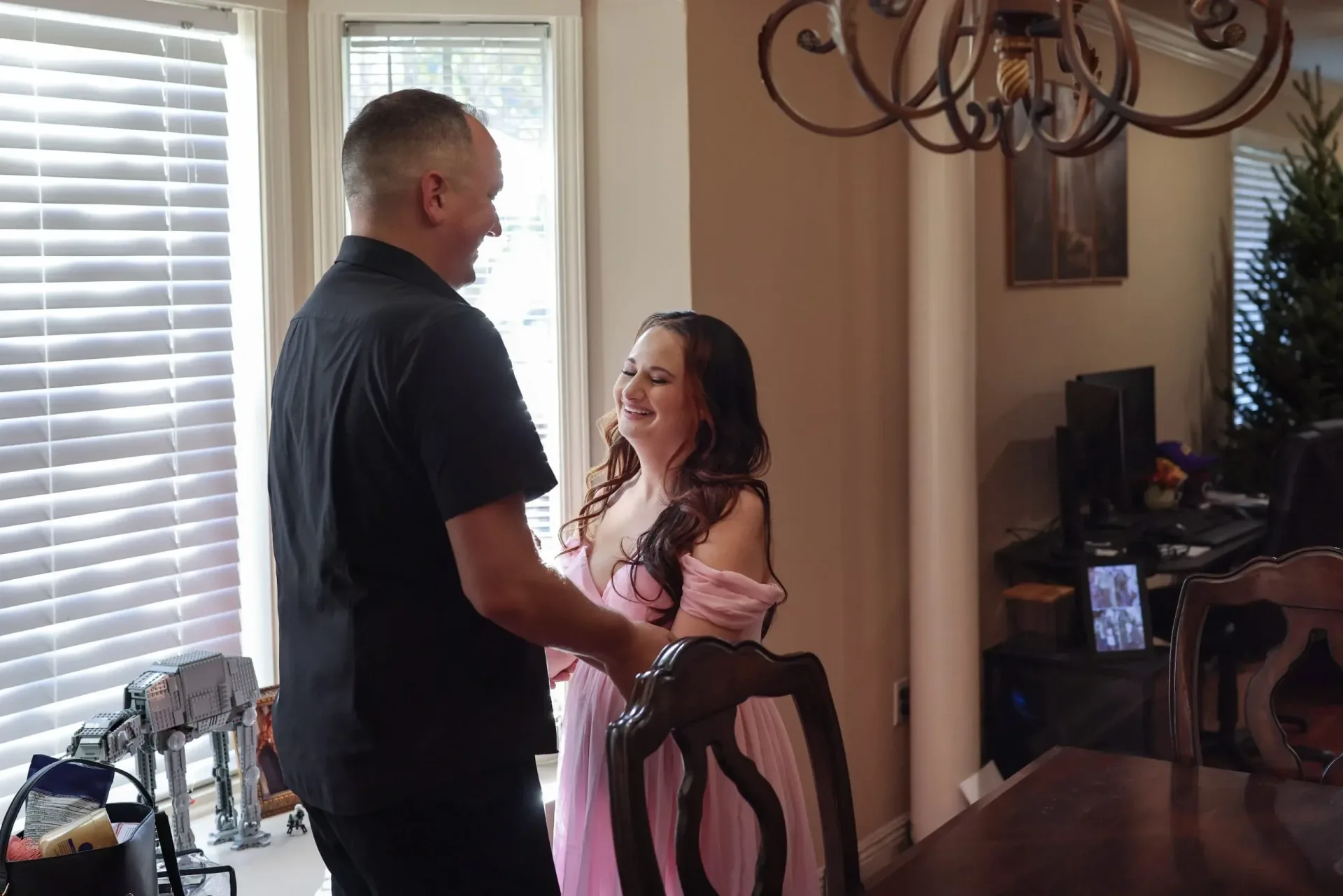
Gypsy-Rose Blanchard is urging people to support Kenan’s Law, a petition focused on how social-media platforms address online harassment, following the death of her partner, Ken Urker. Urker, 34, was found dead at a residence in Raceland, Louisiana, and authorities are continuing a death investigation.
Blanchard’s petition places its emphasis on reports she says the couple made before Urker’s death. She wrote that harassment and cyberbullying appeared across TikTok, Instagram, YouTube and Reddit, and that they repeatedly flagged videos, comments and posts. In many instances, she said, the response was that the material did not violate a platform’s rules.
That reported gap between a user’s experience of harm and a moderation decision is at the center of her stated campaign. Blanchard argues that public visibility should not remove a person’s right to be treated as a human being, particularly when the target has relatives and children who can also be affected by the material circulating online.
For readers looking for a related report on the petition, this coverage of Blanchard’s push for Kenan’s Law addresses the same developing story.
For more context, explore What VSync Does to FPS, Screen Tearing and Input Lag on a Gaming PC.
What is known about Urker’s death
Captain Brennan Matherne of the Lafourche Parish Sheriff’s Department said officers responded to a call at 6:15 p.m. Thursday and found Urker dead upon arrival. The department said the investigation remains ongoing.
In the petition, Blanchard wrote that Urker had died following a suspected overdose. However, she also said it was not known whether an overdose was intentional and that she would not speculate about circumstances that had not been determined. A cause of death had not been released.
Those distinctions matter. A suspected overdose is not a confirmed cause-of-death finding, and an ongoing death investigation is not a conclusion about intent, responsibility or the role of any outside factor. It would therefore be inaccurate to present online harassment as an established cause of Urker’s death based on the currently available information. Blanchard’s petition instead makes an argument about the online treatment he received before his death and the responses she says reports received from platforms.
Urker and Blanchard share a baby daughter, Aurora. Urker also appeared on the two-season Lifetime reality series Gypsy Rose: Life After Lockup, placing him in a public environment that, Blanchard wrote, brought substantial scrutiny.
The petition’s central complaint: “No violation”
Kenan’s Law is described as a petition intended to hold social-media platforms accountable for how they handle online harassment. The supplied information does not detail specific legislative language, particular platform requirements or a proposed enforcement mechanism. What it does establish is the problem Blanchard says she wants addressed: content can be reported repeatedly, yet remain online when moderators decide it does not breach their policies.
That is an important difference between reporting and removal. Reporting is the action a user takes to draw material to a service’s attention. Removal, restriction or another intervention comes only if the service decides its own rules were violated. Blanchard’s account is that the latter step too often did not happen in relation to material about Urker.
Her stated concern is not simply that public commentary exists. She wrote that the content directed at Urker crossed beyond criticism. The boundary is significant: criticism can encompass disagreement, unfavorable opinions and discussion of a public figure’s actions, while harassment commonly refers to conduct that targets an individual in a harmful or abusive way. The petition’s premise is that platforms need to respond more effectively when that line is crossed.
Blanchard framed the issue in personal terms, writing that public figures still read comments and see videos, and that their families live with the consequences of what is posted. Her message challenges the idea that notoriety itself makes sustained hostile treatment inconsequential or acceptable.
Why the language around the case needs care
This story involves a death, allegations of online harassment and a petition calling for policy change. Each part requires separate treatment.
- The death: Urker was found dead, and authorities are investigating. No cause of death has been released.
- The suspected overdose: Blanchard used that description in the petition while explicitly declining to speculate about whether it was intentional.
- The harassment reports: Blanchard says that she and Urker made reports across several platforms and frequently received “no violation” determinations.
- The petition: It is an appeal for accountability in platform harassment handling, not evidence that any specific platform, post or person has been found legally responsible for Urker’s death.
Keeping those points distinct is not an attempt to minimize Blanchard’s account. It is the clearest way to understand what she is claiming: the couple sought moderation action; they felt the responses were inadequate; and she now wants systems for dealing with online abuse to change. The official inquiry into Urker’s death is a separate process with unresolved facts.
What “platform accountability” can mean in this context
Platform accountability is a broad term. In this case, it refers to Blanchard’s request that social-media companies be answerable for how they review and respond to harassment reports. The available information does not establish the exact standards sought by Kenan’s Law, so it would be premature to assign it demands that have not been stated.
At its most basic, the issue raised by the petition is one of content moderation: the review and decision-making process through which platforms assess posts, videos and comments against their policies. Moderation can involve automated systems, user reports and human review, but no details about the processes used in the reports described by Blanchard have been provided here.
For the public, the practical point is that a “no violation” outcome is a platform decision under its existing rules; it is not necessarily a declaration that the reported person felt no harm, nor does it settle wider questions about whether a policy is adequate. Blanchard’s petition challenges the adequacy of those outcomes when the alleged conduct is directed at a recognizable person.
It also raises a difficult expectation question for audiences around reality television and online personalities. Public figures can attract discussion because their lives and work are visible. But visibility does not automatically transform all behavior directed toward them into fair commentary. Blanchard’s argument is that the human cost of relentless content needs to be part of how platforms define and enforce their protections.
A campaign rooted in a personal loss
Kenan’s Law is tied directly to Urker’s death and to Blanchard’s account of the scrutiny he faced. Her appeal does not offer a final finding about the circumstances of his death; rather, it asks supporters to recognize what she describes as a larger failure in how social platforms handle reports of abuse.
The campaign arrives while the official investigation is still continuing, which makes restraint especially important. There is no released cause of death, and Blanchard has said that intent is unknown. What is clear from her petition is her belief that reporting tools and enforcement decisions did not sufficiently protect Urker from material she says went beyond criticism.
For now, the petition’s most concrete public message is a call to reconsider the standard applied when users report harmful posts. Blanchard’s position is that being publicly known does not erase a person’s humanity, family ties or vulnerability to what they encounter online. Whether Kenan’s Law develops into a more detailed proposal is not yet established, but its purpose as presented is clear: pushing for greater accountability from the platforms that decide what stays up after harassment is reported.