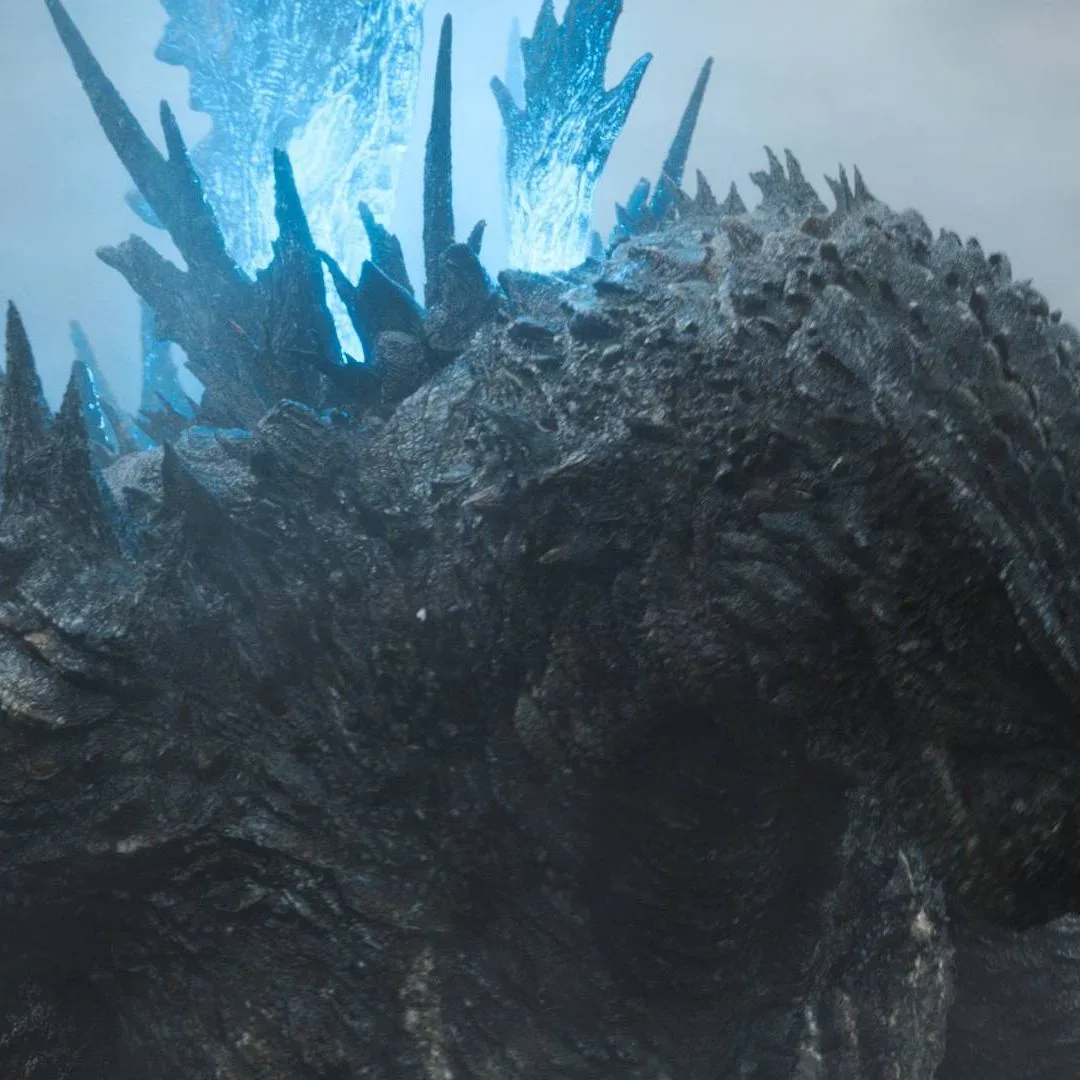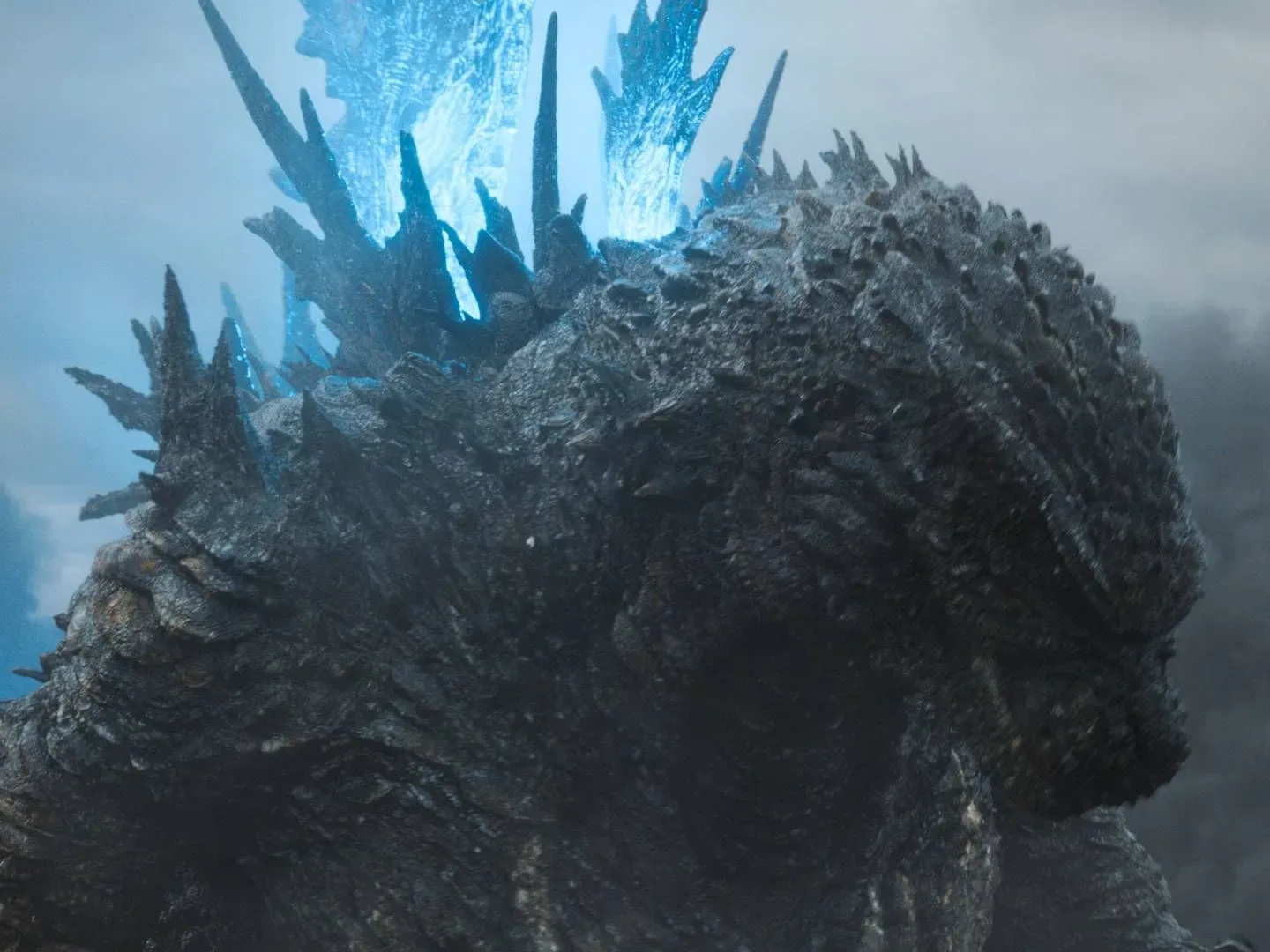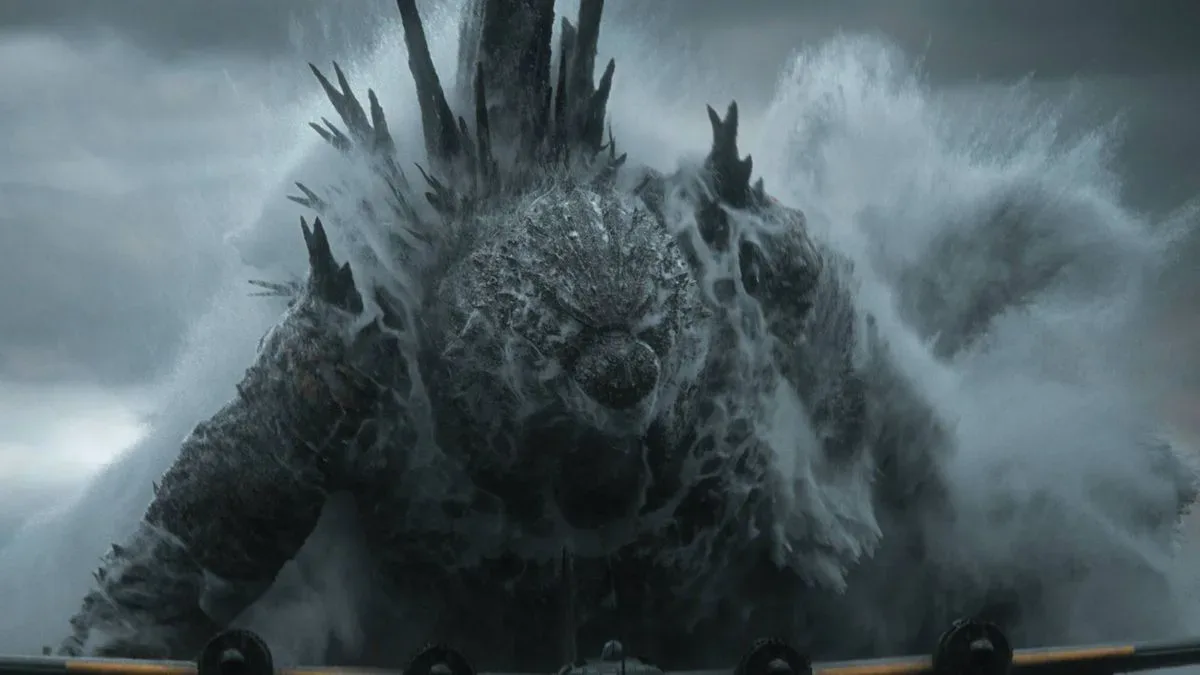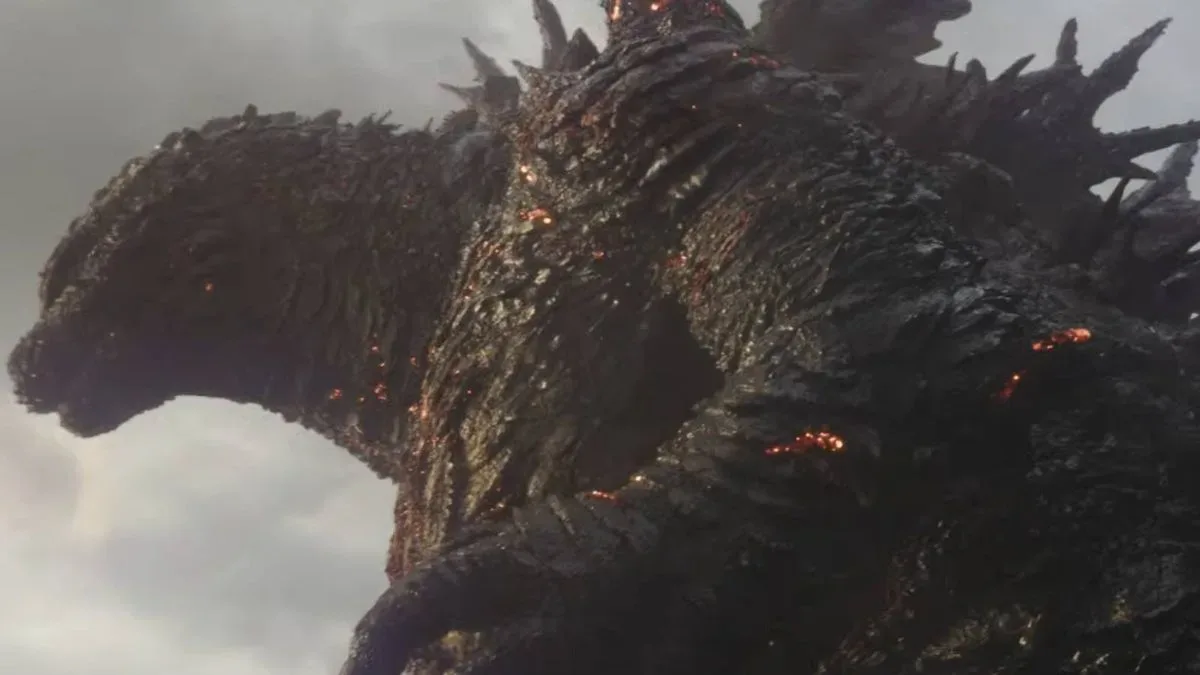
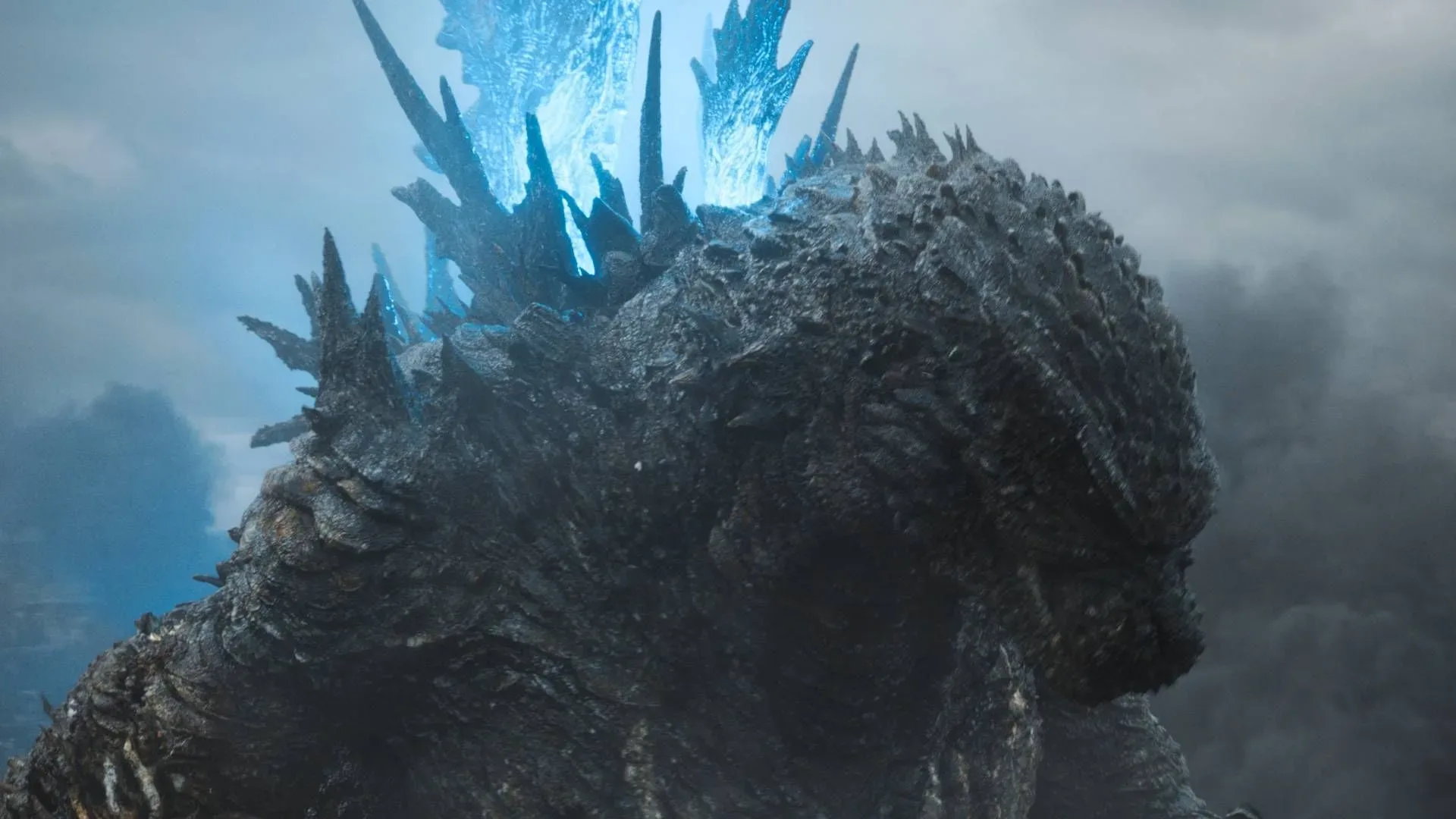
Godzilla Minus Zero does not have a conventional post-credits scene. There is no extra filmed sequence, character tag, or on-screen revelation once the credits end. But audiences who remain seated through the full roll will hear a brief audio tease: Godzilla’s enormous footsteps followed by the kaiju’s roar.
That makes the answer slightly more complicated than a simple yes or no. The film has no scene in the usual sense, but it does include a final stinger in sound. Anyone trying to avoid missing even a small closing detail should stay until the credits have completely finished.
The spoiler-free answer: stay through the credits
If the question is purely practical, the advice is straightforward: do not leave when the main story ends. Wait until every credit has rolled and the screen reaches its actual conclusion.
What awaits is an audio-only button rather than new footage. That distinction is useful for viewers deciding whether they need to hurry out of the theater, but it should not diminish the intended effect. In a Godzilla film, a sound can carry as much menace as an image. Footfalls establish scale; the roar establishes identity. Together, those two cues make their point without showing the creature again.
In movie-going shorthand, a post-credits scene generally means a new visual sequence placed during or after the credits. A stinger is broader: it is a short final beat designed to leave the audience with a joke, a shock, a question, or a promise of unfinished business. Godzilla Minus Zero uses the latter form, specifically as an audio stinger.
There is also no indication here of a mid-credits sequence. The tease comes at the very end, so waiting only through an early portion of the credits will not be enough.
What the final Godzilla Minus Zero tease means
Spoilers for the ending follow.
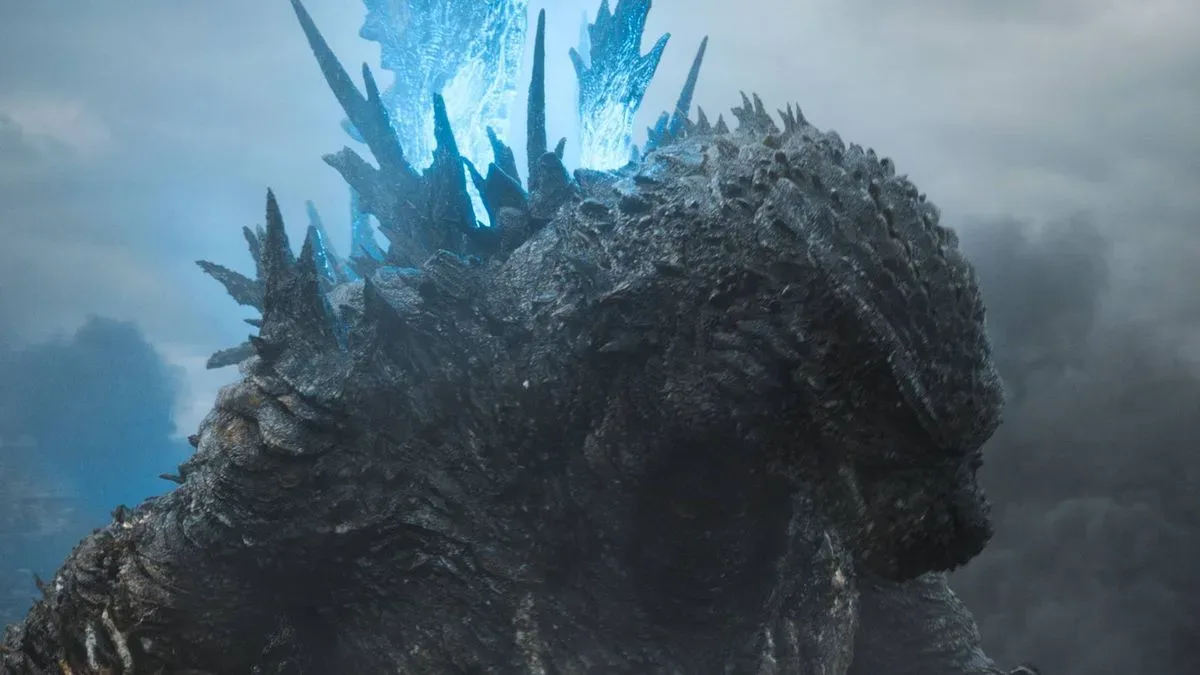
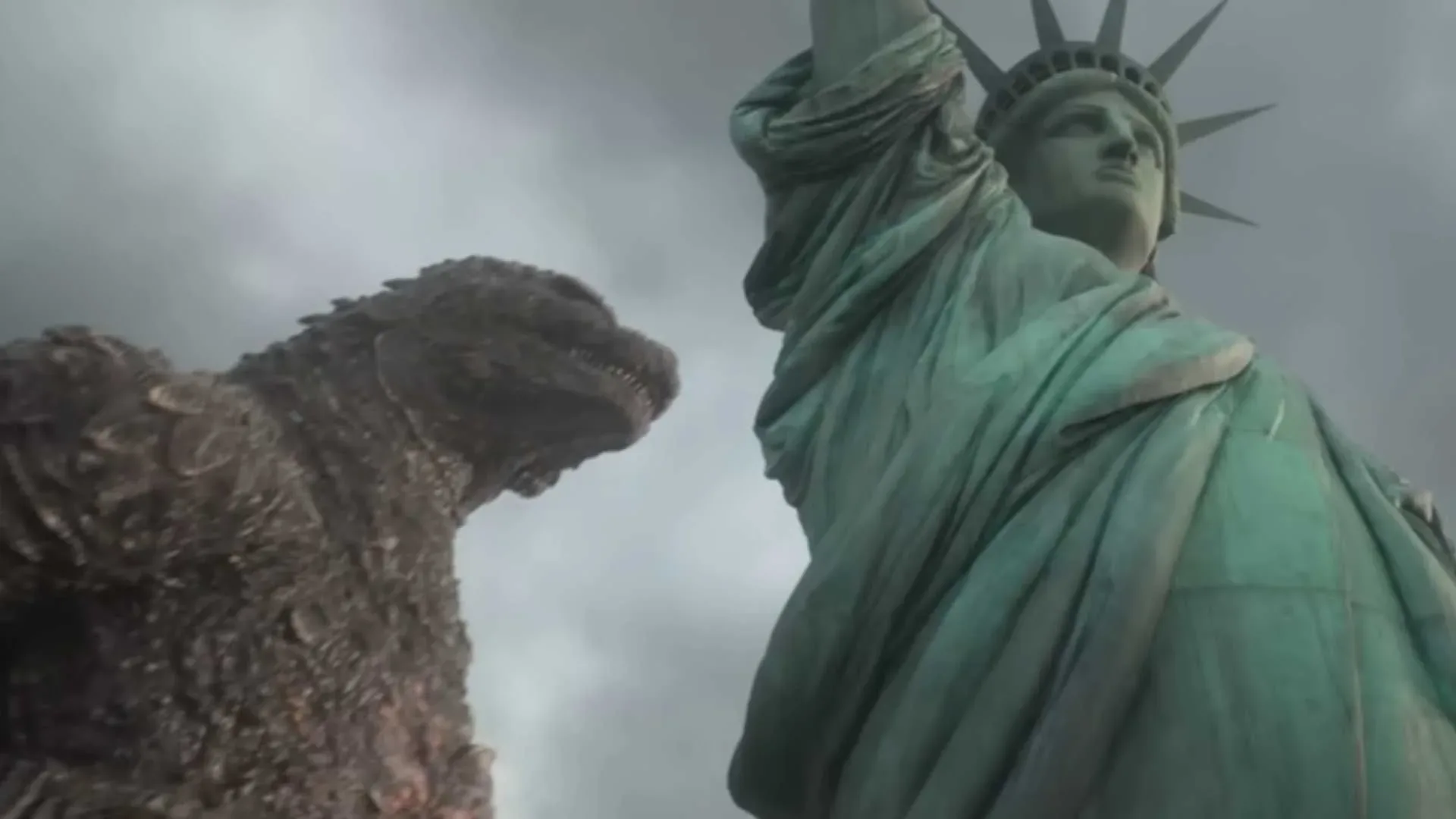
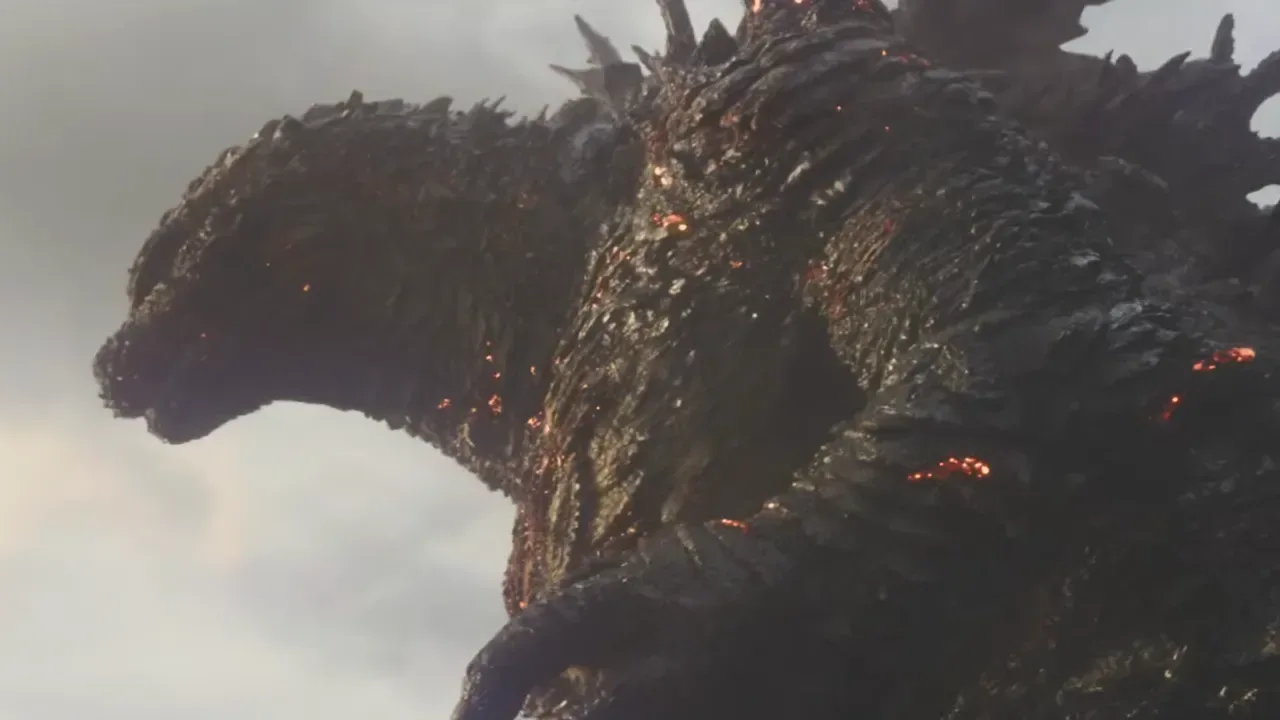
At the end of the credits, the sounds of Godzilla stomping and roaring arrive after the monster has vanished into the sea in the film’s finale. The moment is therefore a direct reminder that Godzilla remains somewhere beyond the frame.
That is the whole tease. It does not identify a new threat, introduce another character, reveal a title card, or provide a release date for a follow-up. It also does not explain precisely where Godzilla is or what the monster will do next. Its strength is in restraint: the movie closes on evidence of continued presence rather than an answer.
The choice is especially fitting for a creature defined by overwhelming physical scale. A stomp is not merely background noise; it suggests the weight and force of something vast moving nearby. The roar then removes any ambiguity. Even with no image on screen, the combination makes the final moment recognizably Godzilla.
As an ending device, it creates two simultaneous impressions. On one level, it recalls the threat that has just dominated the film. On another, it gives viewers a reason to consider what the monster’s survival could mean beyond this particular story. It is a sequel-shaped gesture, but not a sequel confirmation.
Does the stinger confirm another Godzilla film?
No. The final audio cue leaves narrative room for more, but it does not establish that a third film is happening. There is no confirmed continuation contained in the tease itself.
Director Takashi Yamazaki has expressed openness to revisiting the world if Toho offers him another opportunity. He has also said he would be satisfied with what the film achieved if this were his last Godzilla project. Those comments describe willingness rather than a production plan, and that distinction matters.
“If Toho came to me with another offer to explore this world even further, I’d probably say yes,” Yamazaki said, while also noting that he would be content if this proved to be his final Godzilla film.
So the safest reading is that the sound at the end preserves possibility. It neither closes the door on future stories nor tells viewers that one is definitely on the way. A franchise tease can function as an invitation without becoming a contract.
That measured approach differs from a more explicit sequel tag, where a new villain, returning character, destination, or text card lays out the next chapter. Godzilla Minus Zero offers none of those specifics. Its final seconds only establish that the familiar danger has not been completely erased.
Why an audio-only stinger can be effective
A visual post-credits sequence gives an audience additional plot information. An audio tag instead asks the audience to supply the picture. In this case, the viewer has already seen what Godzilla’s movement and roar signify, so the sounds can reactivate that memory immediately.
This is also a clean way to maintain uncertainty. Showing Godzilla again might answer questions about the monster’s condition or location. Limiting the tag to footsteps and a roar avoids committing to those details. The film can invoke Godzilla’s return as a possibility while keeping the exact circumstances unresolved.
For viewers, the practical implication is that the payoff is deliberately brief. Do not expect a hidden mini-scene after the credits. The reward for staying is a final atmospheric cue, one designed to echo rather than expand the ending.
That makes expectations important. Someone hoping for a lengthy continuation, an announced next installment, or an extra action sequence may find the tag minimal. Someone looking for confirmation that the film has not entirely put Godzilla behind it will understand why the sound is there.
What viewers should do after the ending
- Stay seated: The relevant tease occurs after the credits have finished, not immediately after the main story.
- Listen closely: There is no new image sequence; the reveal is entirely in the sound.
- Do not treat it as a sequel announcement: The audio suggests continued possibility, not a confirmed third film.
- Expect a compact tag: It is a closing flourish, not an additional chapter of the plot.
For more on how performers bring physical exhaustion into large-scale screen storytelling, see Matt Damon’s comments on portraying Odysseus’ weariness during The Odyssey.
The bottom line on Godzilla Minus Zero’s credits
Godzilla Minus Zero has no traditional post-credits scene. It does, however, end with a meaningful audio stinger: the sound of Godzilla’s steps and roar after the credits finish. Since Godzilla disappeared into the sea at the close of the film, the cue serves as a reminder that the kaiju is still out there.
It is an intentionally spare ending tease, and it leaves room for another film without confirming one. If you want to catch every last beat, stay until the theater lights come up and the credits are truly over.