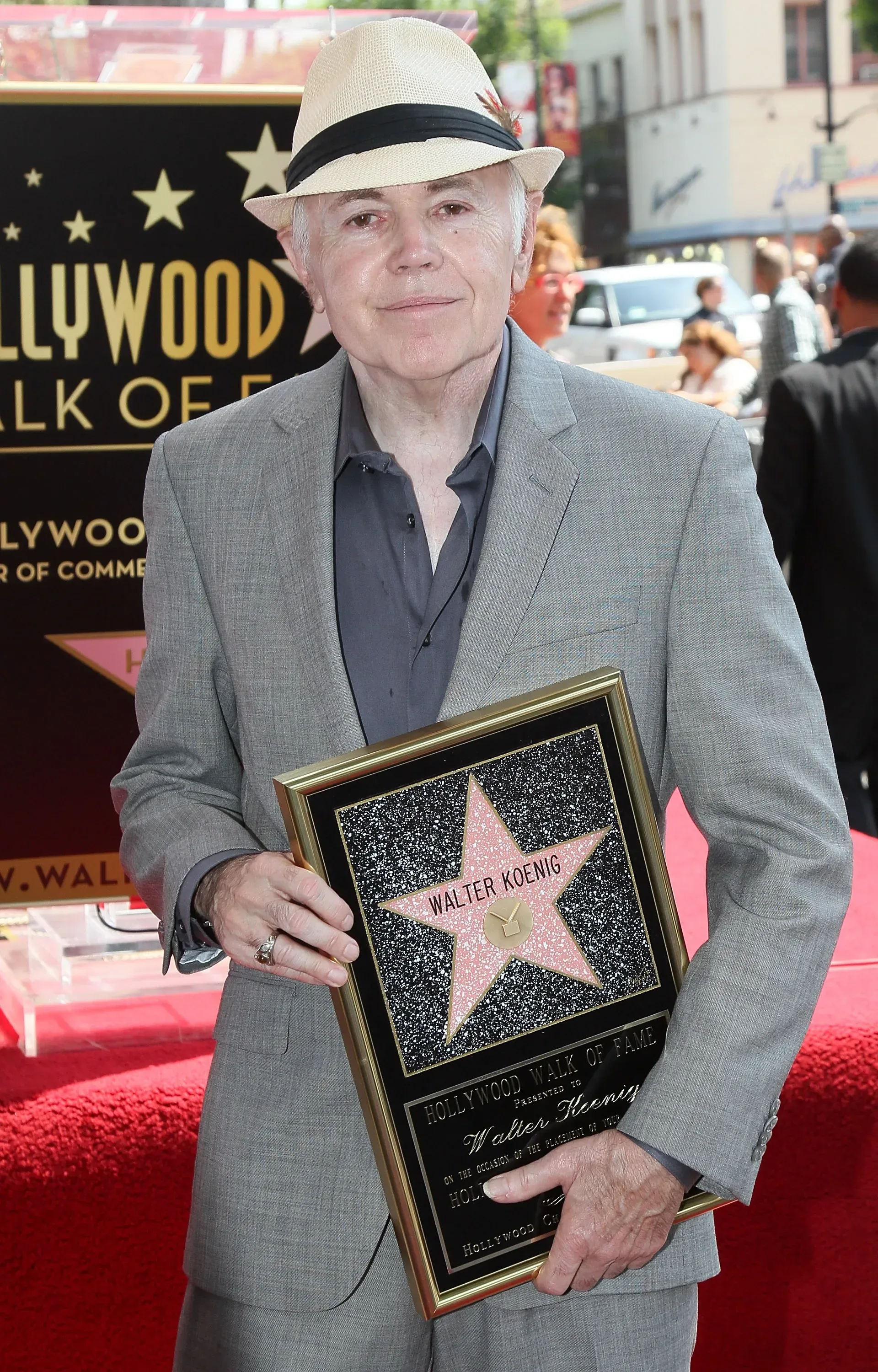
Walter Koenig, the actor best known as Ensign Pavel Chekov in Star Trek: The Original Series, has died at age 90. His representatives said he died of old age at his North Hollywood home, surrounded by his daughter and niece.
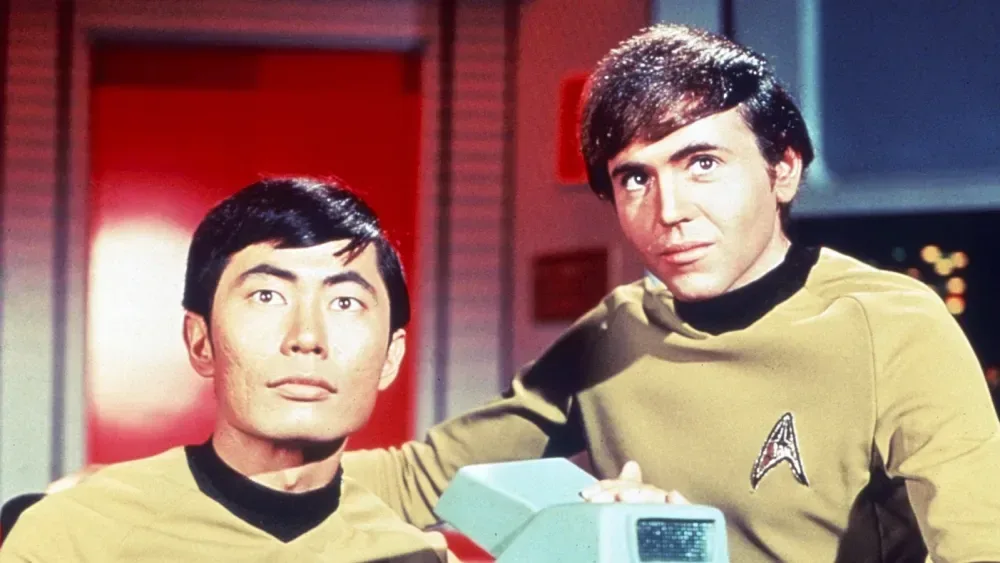
Remembrances from across the Star Trek community have emphasized the person behind one of science fiction television’s most recognizable crew members: a longtime colleague, convention companion, writer, teacher and friend. George Takei, who played Lieutenant Hikaru Sulu, shared a particularly personal memory, recalling that Koenig served as best man when Takei married Brad in 2008.
“My heart is heavy,” Takei wrote in a social-media tribute, describing a friendship that began on the Enterprise bridge in the 1960s and continued for nearly six decades. Takei noted that Koenig’s 90th birthday, September 14, fell on the same date as Takei and Brad’s 18th wedding anniversary. He called Koenig “more than Chekov”: a thoughtful, loyal friend as well as a writer and teacher.
A friendship that outlasted the mission
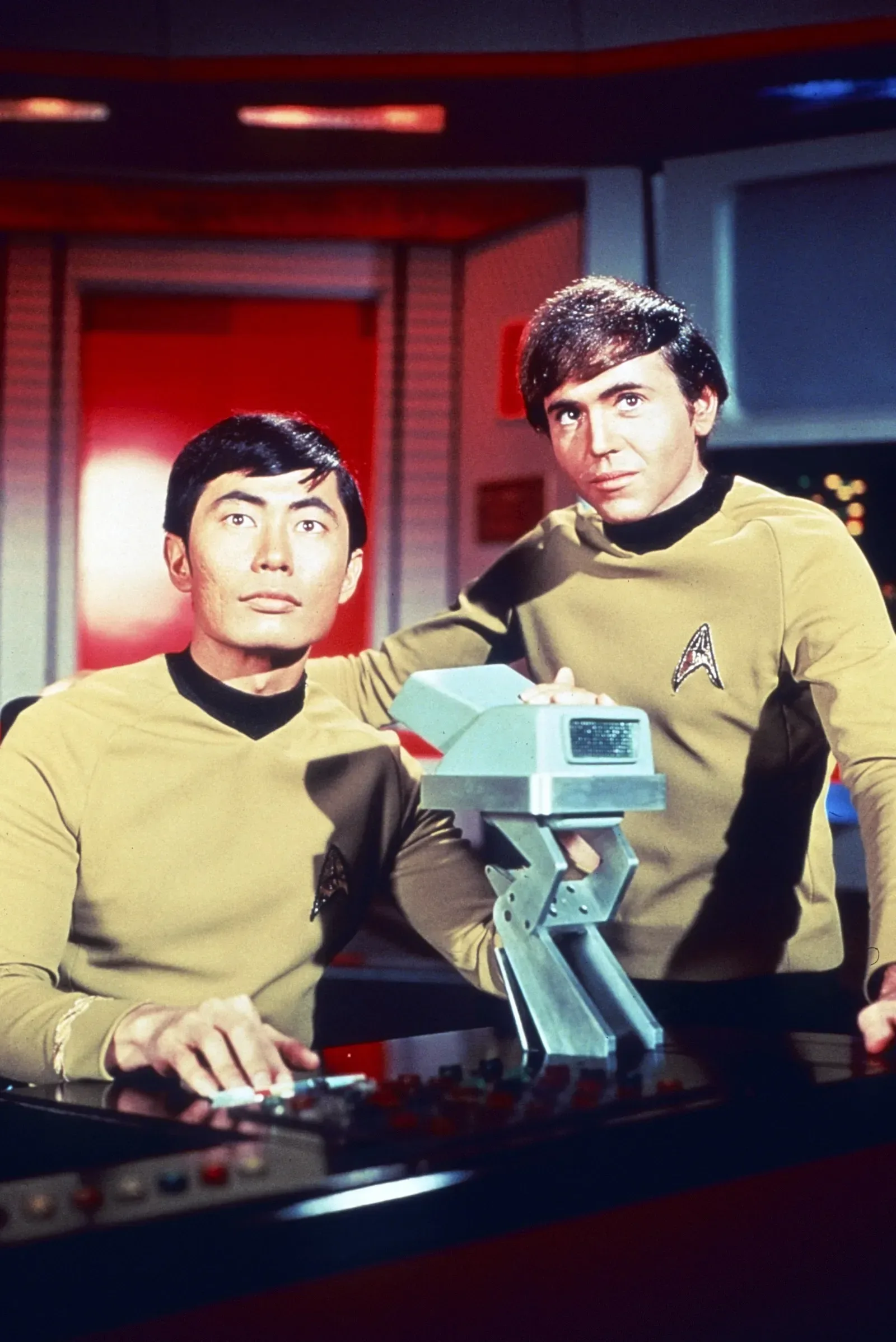
Takei’s recollection puts a human scale on a relationship audiences first knew through an ensemble cast. In a series built around a starship crew, the bridge is the shared workplace and dramatic focal point; for Takei and Koenig, it also became the beginning of a friendship that endured far beyond production.
That distinction matters in tributes to performers from long-running, culturally significant franchises. A screen role is often the public shorthand for a career, and Chekov is plainly central to Koenig’s legacy. Yet Takei’s account makes clear that the connection between the actors was not merely professional nostalgia. Being asked to stand as best man is an intimate sign of trust, and it gives Takei’s description of Koenig as a “loyal friend” a precise, personal meaning.
Takei also directly addressed the fans who had supported Koenig over the years, saying Koenig loved them in return. It is a small but resonant detail: the work that kept Chekov visible to generations of viewers was sustained not only by the show itself, but by an ongoing relationship between its cast and its audience.
Chekov’s place in the original crew
Koenig’s defining role was Pavel Chekov, an ensign aboard the Enterprise in Star Trek: The Original Series. An ensign is a junior commissioned officer, a rank that positions the character within the ship’s hierarchy while still making him part of its core crew. Chekov’s presence helped round out the Enterprise ensemble alongside figures such as Sulu.
For an actor, becoming closely identified with a single franchise character can eclipse other work in public memory. The statement from Koenig’s representatives acknowledged Chekov as his iconic role while stressing that his career extended beyond Star Trek and that he brought versatility and a love of craft to that wider work.
The representatives also highlighted his later performance in the short film Mr. Fleischmann, which earned Koenig the Platinum Award for Best Actor at the 2026 Independent Shorts Awards. The recognition is notable not as a replacement for the role audiences knew best, but as evidence that his acting continued to be recognized in his later years.
That combination—a legacy role with unusual longevity and continued work as an actor—helps explain why the response to Koenig’s death has touched both personal and professional notes. The remembrances do not reduce him to a uniform, a catchphrase, or a place on a famous bridge. Instead, they describe someone whose work and relationships remained active over time.
Adam Nimoy recalls the convention community
Adam Nimoy, son of Leonard Nimoy, remembered Koenig as “such a nice guy” and said spending time with him on the convention circuit was a pleasure. The convention circuit refers to the events where performers and fans gather for panels, appearances and conversations around shared film, television and genre interests. In this case, Nimoy’s comment points to another important part of the long life of Star Trek: the cast’s continuing contact with fans and with one another outside filmed episodes.
Nimoy paired his farewell with a reference to “The Apple,” an episode he called one of the show’s oddball installments, and mentioned Koenig alongside Celeste Yarnall. The specific episode reference is telling because it is not framed as a formal career summary. It is a fan’s and colleague’s memory of a distinctive piece of television, one of the many individual episodes through which actors’ work remains available for rediscovery.
Conventions can preserve that kind of specificity. Rather than treating a decades-old program as a single, distant object, they give performers and audiences room to revisit particular scenes, characters and episodes. Nimoy’s tribute suggests Koenig was generous in those settings, where the work’s legacy becomes conversational and communal.
A record preserved for future viewers
Michael Okuda, a scenic artist and technical consultant on several Star Trek installments, also mourned Koenig and noted that the actor had given an interview for the Roddenberry Archive a couple of years earlier. Okuda referred to Koenig as a Star Trek legend and remembered him at 90.
An archive interview has a different value from a public tribute, even though both are acts of remembrance. Tributes capture immediate feeling: grief, affection and the details that friends wish to share in the moment. An interview, by contrast, can preserve an artist’s own recollections and perspective for later audiences. Together, they offer a fuller picture: Koenig is remembered by peers, and his own voice has also been recorded as part of the franchise’s history.
For viewers returning to the original series, that context can make the experience richer without changing what is on screen. Chekov remains a character in an ensemble adventure, but the actor’s career can also be understood through the sustained relationships mentioned by Takei, Nimoy and Okuda. The history is not only about a show surviving across generations; it is also about people who continued to meet, work, speak and share memories long after its earliest broadcasts.
Remembering the person as well as the performer
Koenig’s representatives described his performances as memorable and said his work inspired audiences through optimism, humor and an adventurous spirit. Those qualities align naturally with the public image of an Enterprise officer, but the messages from colleagues add more grounded descriptors: warmth, thoughtfulness, teaching, writing and loyalty.
It is the overlap of those descriptions that gives the tributes their weight. Takei’s post is not solely a farewell to a castmate. Nimoy’s is not solely an appreciation of a television episode. Okuda’s is not solely a note about archival history. Each remembrance points to a different setting—the wedding, the convention, the archive—where Koenig’s presence mattered.
For the wider entertainment world, similar remembrances have shown how collaborators often become stewards of one another’s work and reputation; a recent tribute to a Looney Tunes performer likewise centered the person behind a beloved screen legacy. In Koenig’s case, the surviving picture is of an actor whose most famous character became inseparable from a major television institution, while his colleagues continued to know him as Walter: a friend who showed up, stayed connected and was cherished.
Koenig’s representatives thanked him for the memories and inspiration he left behind. Takei’s closing wish was fittingly navigational: that his dear friend rest well and keep a steady course.