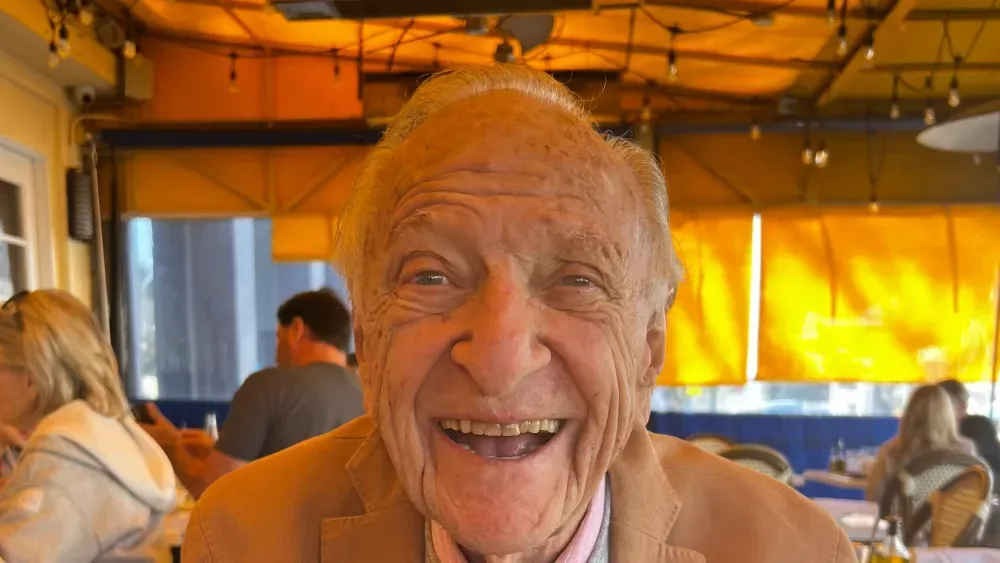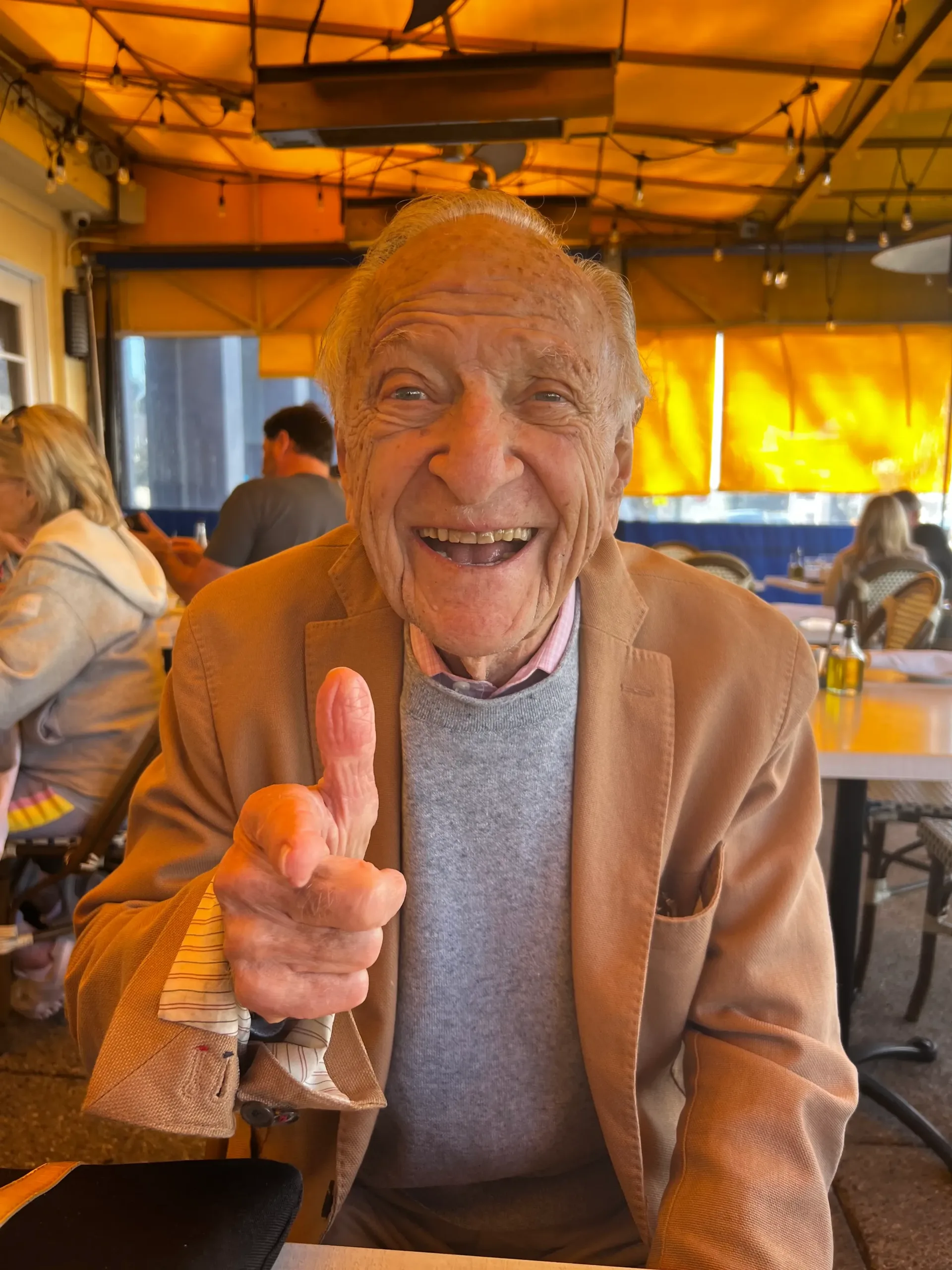
Gene Schwam, a Hollywood publicist whose long career included work with Elvis Presley, Julie Andrews, Blake Edwards, Barbara Eden and Lenny Bruce, has died in Los Angeles after a brief illness. He was 96.
Schwam’s name may be less immediately familiar than those of the entertainers and filmmakers he represented, but that is often the nature of the publicist’s job. A successful publicist operates behind the public image: shaping attention, identifying openings, sustaining relationships and helping a client’s work reach an audience. Schwam did that work over decades, first through the independent firm he established in 1955 and later through a broader life dedicated to humane values.
His career also offers a reminder that entertainment history is not made only by the people on screen or on stage. It is built by networks of agents, managers, publicists, venue operators, journalists and creative collaborators. Schwam moved through that world with an unusually extensive list of clients and a reputation for ideas.
Building Hanson & Schwam from the ground up
In 1955, Schwam co-founded Hanson & Schwam Public Relations with Adeline Hanson. The agency began after Schwam, then earning $35 a week while working for publicist Stanley Cowan, decided to open a business of his own. Hanson was working part-time as a disc jockey and publicist when the two joined forces.
The question of the firm’s name produced a small but revealing story. Schwam initially wanted his surname first; Hanson’s response was simple: “Ladies first.” Hanson & Schwam became the name, and the company went on to become a durable independent presence in entertainment publicity. Schwam remained its president and co-founder decades later.
The firm’s first client was Smith Bros. Fish Shanty restaurant. That origin is worth noting because it illustrates the range of public relations work: an agency does not begin only with movie stars or major productions. Restaurant publicity, nightclub promotion and entertainment representation can all rely on many of the same fundamentals—earning coverage, developing a recognizable identity and connecting a client with the right audience.
Hanson & Schwam later counted singer Nancy Wilson, singer Lou Rawls and the Coconut Grove nightclub among its clients. The nightclub relationship, in particular, helped the agency build connections with entertainers. In publicity, those relationships can matter as much as a single campaign. They create the trust and access that allow a representative to understand what a client needs and how to position that client’s work.
What a publicist does—and why it mattered here
A publicist is not simply someone who seeks publicity at any cost. At its best, the role is strategic: a publicist helps define the story around an artist, project or institution; coordinates communication with the press; finds timely angles; and advises clients on the public side of their careers. The job can involve promotion, but it also requires judgment about tone, timing and reputation.
Related coverage includes Gene Schwam, Hollywood Publicist for Elvis Presley and Julie Andrews, Dies at 96.
Schwam was known for resourcefulness and passionate involvement in his clients’ careers. Veteran entertainment correspondent Vernon Scott called him “The best idea man in Hollywood,” a description that points to the creative side of the profession. Ideas are the basic currency of publicity. A publicist cannot make the work itself, but can recognize the detail, occasion or connection that makes people pay attention to it.
This kind of work is easy to reduce to headlines, but its long-term purpose is usually more substantial. Publicity can help turn a release into an event, distinguish an artist within a crowded media culture, or maintain a relationship between a performer and the public across changing phases of a career. Schwam’s client list spans music, comedy, film, television and nightlife, suggesting an approach that was not confined to a single corner of show business.
Elvis Presley and the power of an image
Among Schwam’s best-known professional associations was Elvis Presley. His representation of Presley in 1957 was described as colorful and as involving an intentionally cultivated misreputation. That detail captures a central tension in celebrity publicity: image-making is not merely about making someone look universally agreeable. Sometimes it involves emphasizing edge, mystery, controversy or attitude when those qualities align with a performer’s public appeal.
That does not mean a public image is identical to a private person. Rather, it is a constructed public-facing identity, shaped by the performer’s work, cultural moment and the people who communicate about that work. In Presley’s case, Schwam’s contribution belonged to the early period of a career that would become one of popular culture’s most recognizable legacies.
For audiences looking back at entertainment history, the publicist’s role helps explain why familiar stars can feel larger than the individual films, songs or appearances that introduced them. The surrounding conversation matters. It creates expectations, frames significance and gives the public a language for understanding a celebrity phenomenon.
A friendship with Blake Edwards
Schwam’s relationship with filmmaker Blake Edwards extended beyond business. He was both Edwards’ publicist and his friend. Edwards directed films including Breakfast at Tiffany’s, 10 and Victor/Victoria, works that remain important touchstones in screen comedy and popular film.
That personal connection became part of Edwards’ own filmmaking. The director based the neurotic publicist character in S.O.B. on Schwam. The detail is a striking piece of cultural afterlife: a publicist, normally tasked with helping other people’s projects find an audience, became a character within a filmmaker’s work.
It also underlines that representation can be a close creative partnership rather than a purely transactional service. A publicist who works with a director over time may gain a deep understanding of that person’s rhythms, ambitions and anxieties. The association between Schwam and Edwards reflects that degree of familiarity, even if the fictionalized character should not be read as a literal biography.
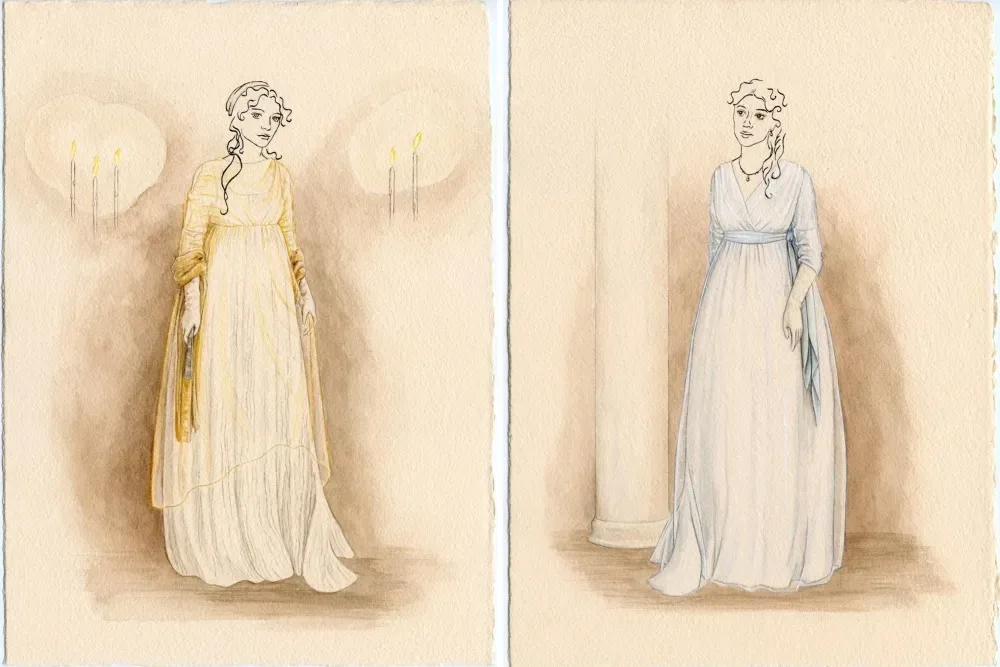
Schwam’s connection to Julie Andrews further places him near a body of work closely linked to Edwards through Victor/Victoria. Readers interested in how movie imagery and design continue to shape the way classic films are remembered can also explore a look at costume design and the process of building a screen wardrobe.
A later focus on Humanity 101
Later in life, Schwam created Humanity 101, an initiative connected to Arizona State University’s Project Humanities. The initiative promoted compassion, empathy, forgiveness, integrity, kindness, respect and self-reflection.
The values named by Humanity 101 stand apart from the mechanics of a publicity campaign, but they also make sense alongside a career built on communication and relationships. Public relations can be thought of as the management of public perception; Schwam’s later initiative placed its emphasis on the ways people treat one another. Its focus was not celebrity, but conduct.
That shift gives his legacy a second dimension. Schwam is remembered for a career that connected him with major names in entertainment, from Presley and Andrews to Eden, Bruce and Edwards. He is also remembered for creating an initiative centered on qualities that apply far beyond the entertainment business.
Remembering an independent publicist’s legacy
Schwam’s career began at a modest weekly wage, continued through the launch of a firm with Hanson, and grew into a decades-long presence in Hollywood publicity. The arc matters because it demonstrates how an independent agency can develop influence through perseverance, contacts and an ability to generate meaningful ideas for varied clients.
His work touched multiple forms of entertainment and helped support public images that remain part of popular culture. Yet the most direct description of his professional character may still be the one offered by Scott: an idea man. In a business full of personalities and products competing for attention, the capacity to see a compelling angle is an enduring skill.
Schwam is survived by his wife, Myrna; his daughter, Stephanie Schwam; stepchildren Adam, Greg and Linda London; and four grandchildren.