N7 Day is traditionally a date for celebrating Mass Effect, its characters and the player choices that have made the series an enduring RPG touchstone. This year, November 7 arrives under a much heavier cloud. BioWare has reportedly been closed, a future Mass Effect game has reportedly been cancelled, and former staff are said to be seeking new work. Yet the official BioWare Gear Store is still preparing a merchandising push built around new and returning Mass Effect products.
That contrast is the whole story. A licensed store can continue operating after a studio’s fate changes, particularly where existing products, retail arrangements and brand rights are concerned. But a sales campaign framed as an annual celebration can feel jarringly disconnected when the creative studio associated with the franchise is no longer there. The merchandise has not suddenly become illegitimate as memorabilia; its timing simply asks fans to separate their affection for the series from the circumstances surrounding the people and studio behind it.
The returning headline item: an N7 LED helmet
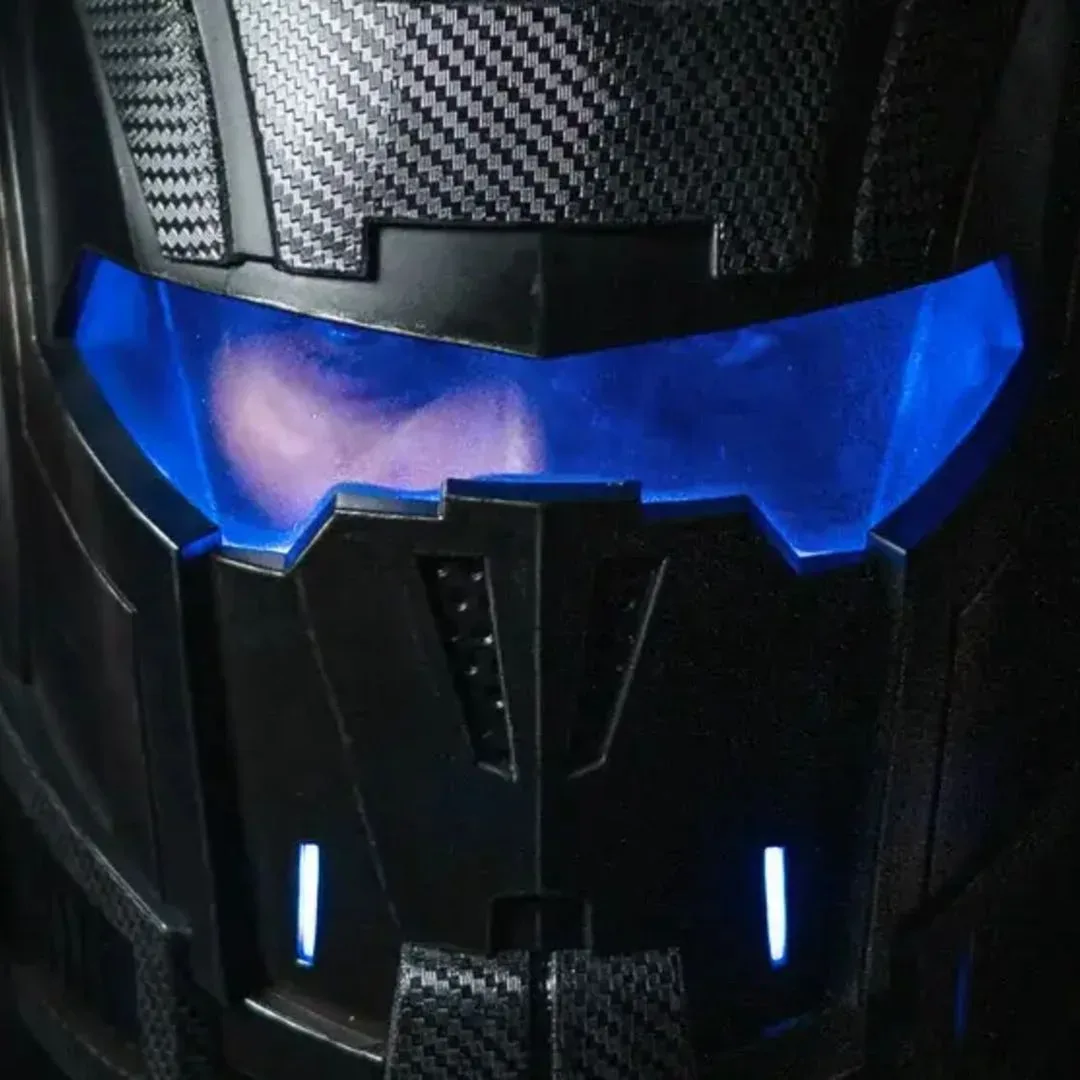
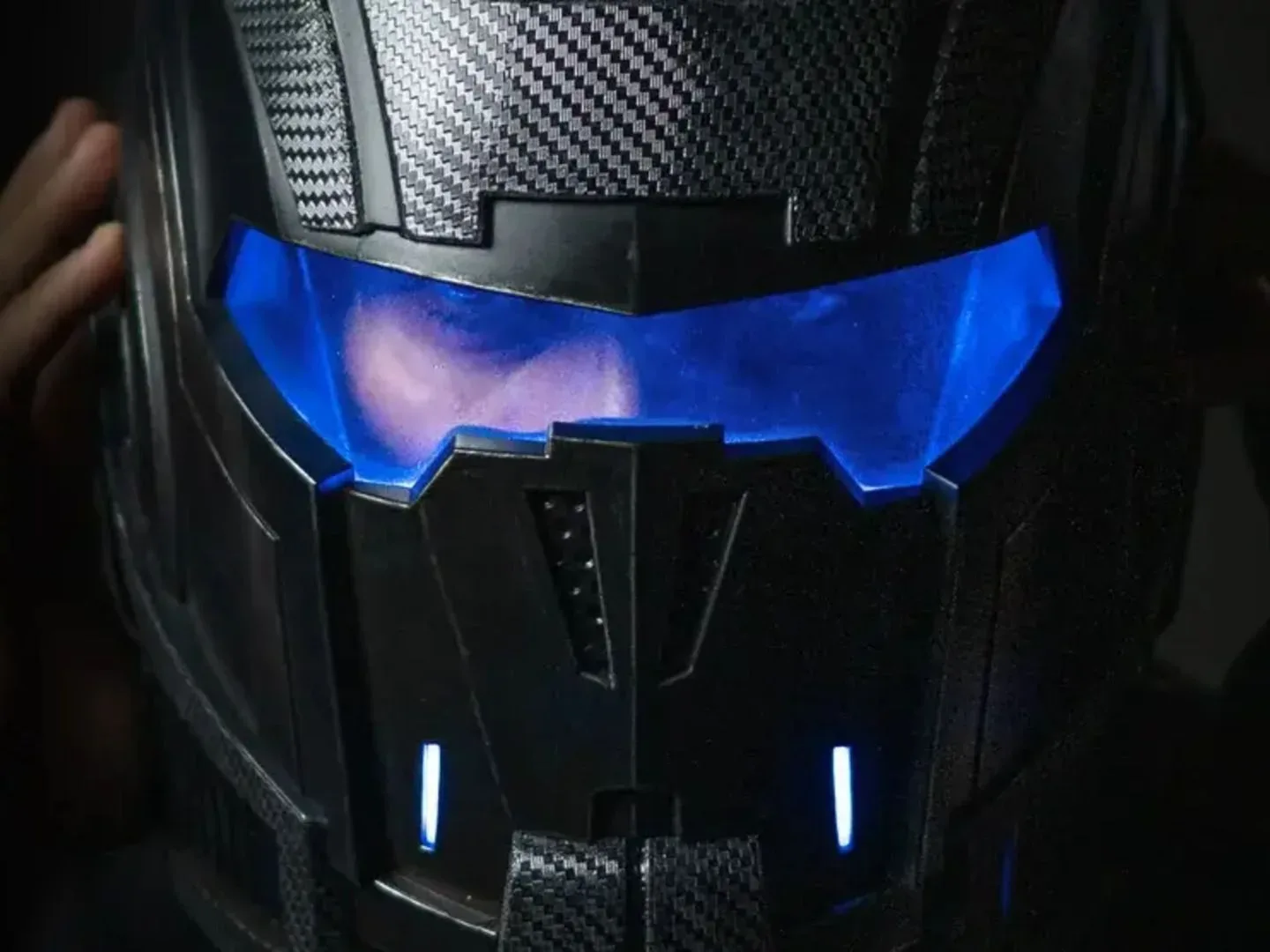
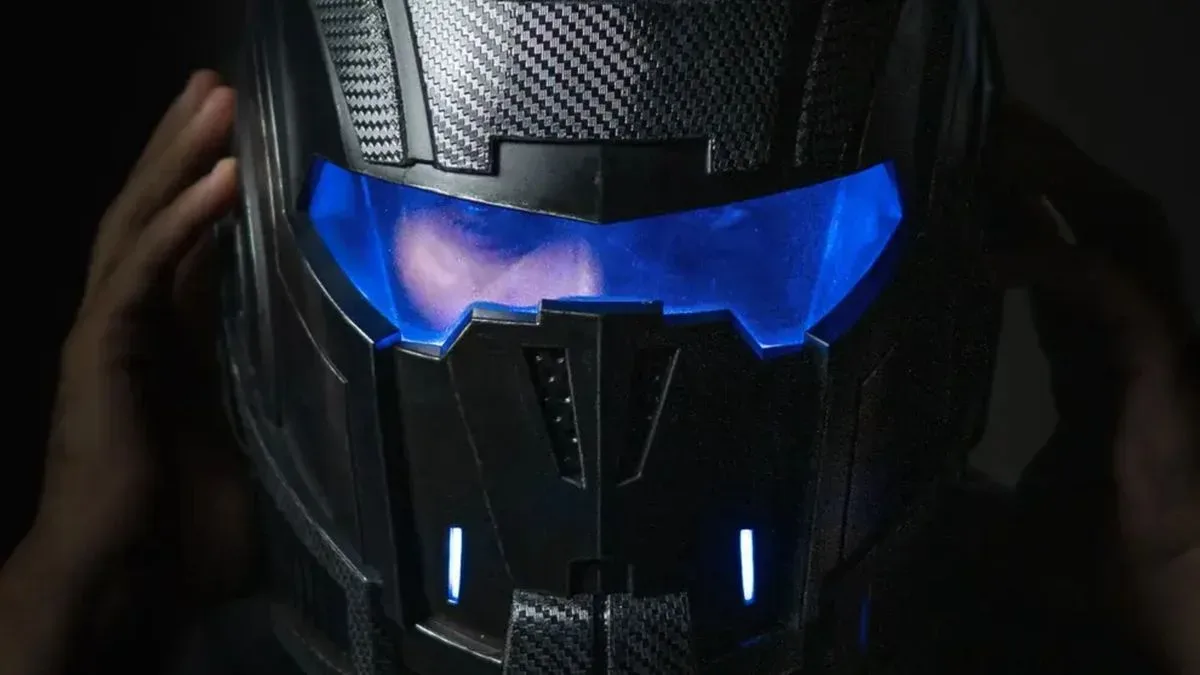
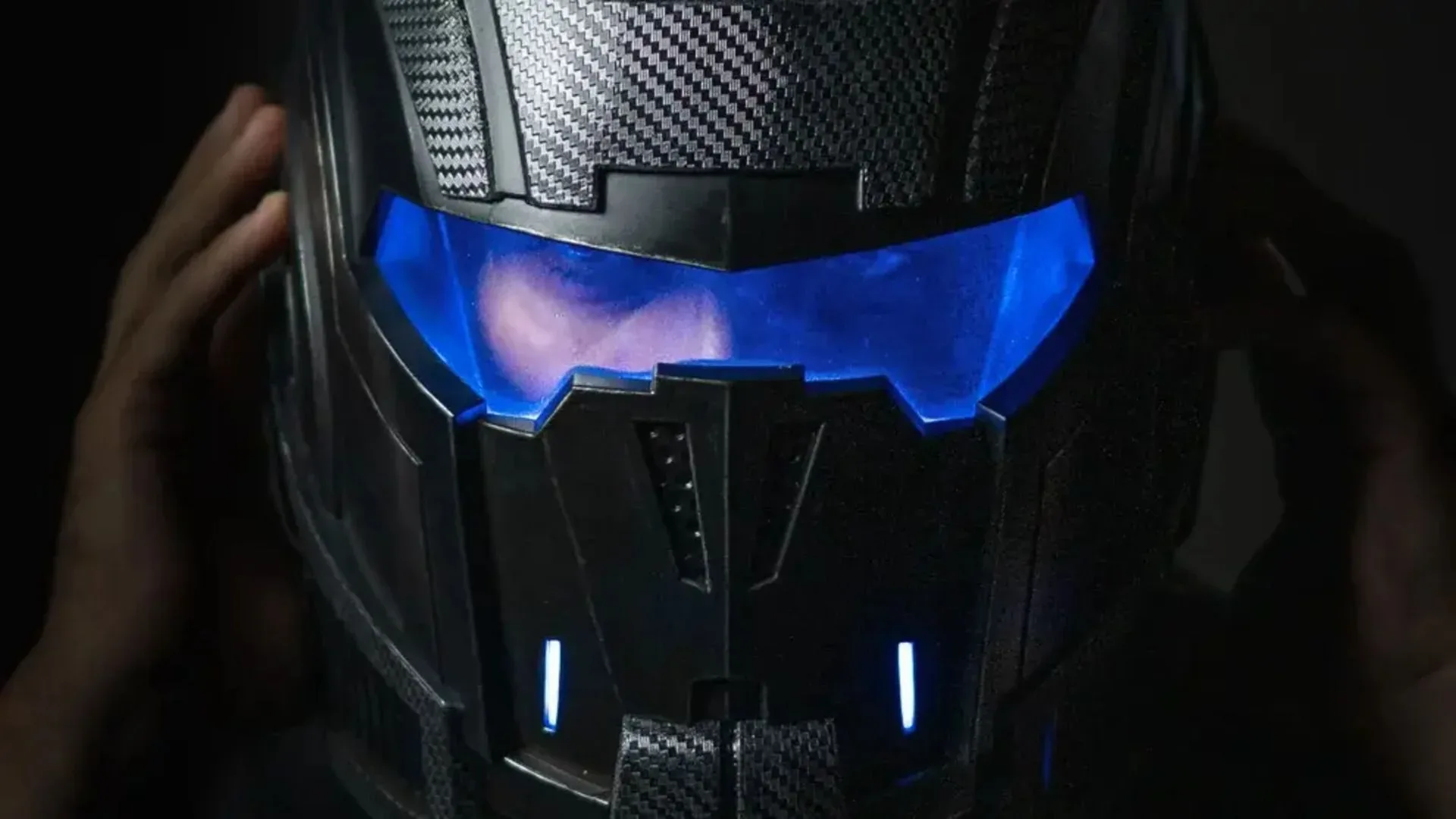
The most prominent product is a returning pre-order for the Mass Effect N7 Wearable LED Helmet, priced at $175. The helmet was first offered in 2021 and is presented as a replica associated with the series’ N7 iconography. Its name is important: “wearable” indicates it is meant to be worn, while “LED” refers to light-emitting diodes, small electronic components used for lighting effects. It is therefore positioned as both a display object and a cosplay-oriented accessory rather than a conventional miniature statue.
The store’s marketing leans into the role-playing identity of the series, invoking the Paragon and Renegade paths and the difficult decisions players made during the Reaper War. Paragon and Renegade are the moral-choice frameworks commonly used to distinguish more idealistic and more ruthless decision-making in the games. That is a smart shorthand for the emotional attachment the product is trying to reach: fans are not merely being offered a piece of branded headgear, but a physical reminder of their own version of the story.
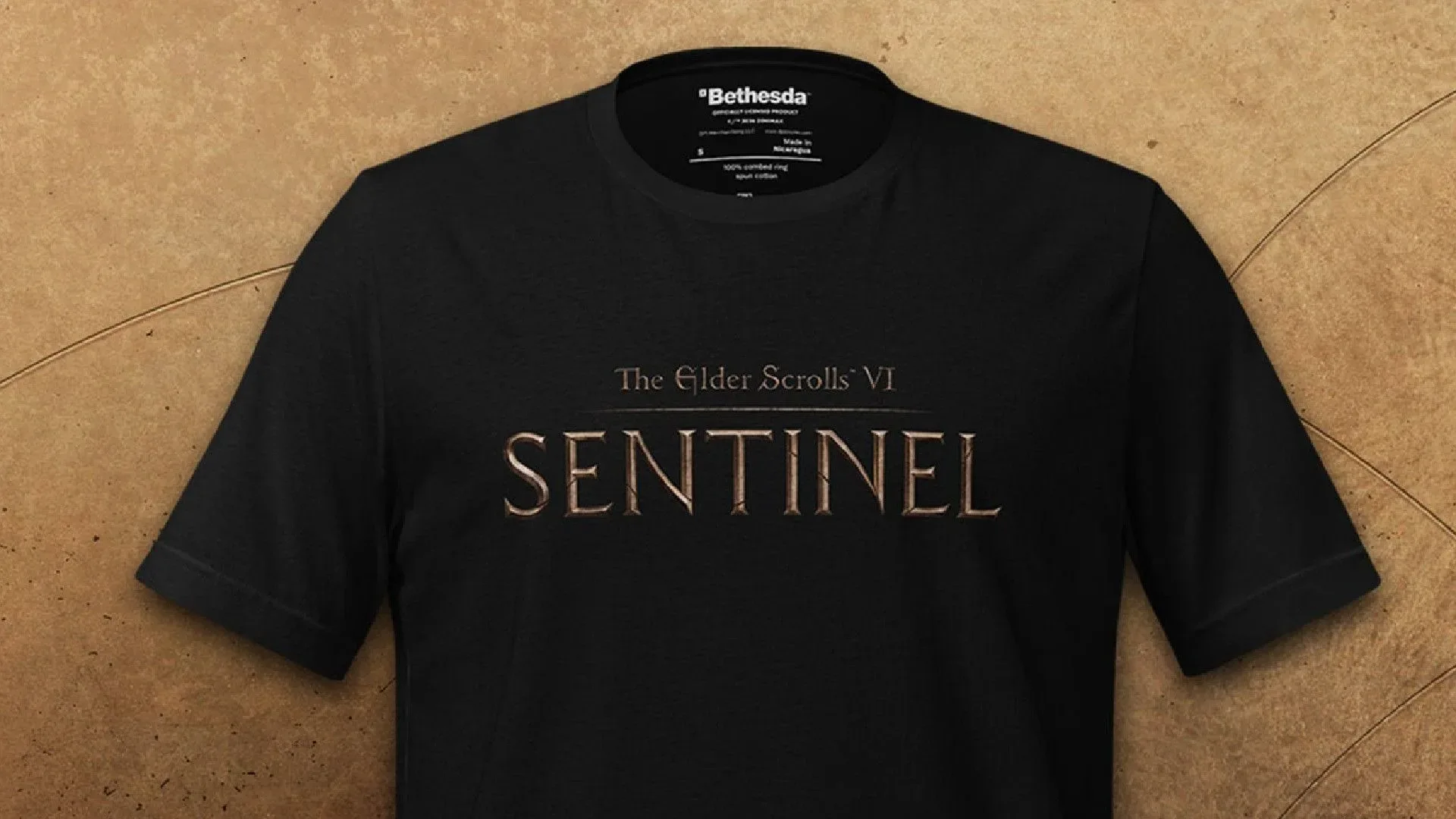
Alongside the helmet, the store is offering branded clothing and accessories. Specific product details beyond those broad categories have not been established here, so prospective buyers should treat the helmet’s $175 pre-order price as a detail specific to that item, not a signal of what the wider range costs or contains.
Why the N7 Day context matters
N7 Day is not simply a convenient retail date. It is an annual community occasion built around the Mass Effect name, and that makes its tone significant. In another year, returning products could read as a straightforward way for fans to mark the occasion. In the reported aftermath of BioWare’s closure and the cancellation of a future Mass Effect project, the same commercial activity takes on a different meaning.
There is no contradiction in fans wanting to celebrate a world they love while also feeling grief, frustration or uncertainty about the studio’s fate. Both reactions can coexist. The awkwardness arises when the language of triumph, adventure and fandom commerce sits next to reports of a studio shutdown and affected workers looking for their next roles. A helmet is a collectible; it cannot answer what happens to the series, its creators or its community afterward.
That does not mean every N7 Day observance must stop. Fans may choose to revisit the games, share favorite choices, make art, cosplay, or simply talk about what the series meant to them. Those are personal forms of celebration. A corporate storefront, however, is asking for a purchase, and purchases naturally prompt different questions: who operates the store, what exactly is being sold, and what relationship—if any—does the sale have to the developer that created the games?
Related coverage includes Mass Effect N7 Day Merch Returns as BioWare's Reported Closure Casts a Shadow.
Store operations and licensing are not the same as studio operations
The BioWare Gear Store is described as being powered by DPI Merch. That wording suggests a merchandising operator is involved in running the storefront. It is not, by itself, an explanation of the exact commercial arrangement, ownership structure, revenue split, or degree of publisher involvement behind each product. Those details have not been made clear.
That uncertainty matters because online conversations often flatten several separate roles into one. A developer creates games. A publisher may control or manage the broader brand. A licensee can be authorized to make products using that brand. A merchandise operator can handle storefront logistics, fulfillment or customer service. Those roles can overlap, but they do not have to. The continued presence of an official-looking product page should not be taken as proof of new game development, a revived studio, or a direct statement about the franchise’s future.
Likewise, it is not established how much EA is involved in these individual merchandise sales. The key confirmed practical point is narrower: the storefront is offering licensed Mass Effect merchandise during the N7 Day period, and DPI Merch is identified as the store’s operator. Beyond that, consumers should avoid drawing conclusions that the available information does not support.
What buyers should consider before a pre-order
A pre-order is an agreement to buy an item before it is in hand. That makes careful reading especially important for a $175 wearable collectible. The available information identifies the item as a returning pre-order and gives its price, but it does not establish delivery timing, the helmet’s materials, measurements, lighting behavior, included accessories, region-specific shipping charges, return conditions, or whether any edition limits apply.
For anyone considering the purchase, the most useful approach is to inspect the product listing itself before placing an order. Practical checks include:
- Confirming the listed price, currency and any shipping or tax costs shown at checkout.
- Reading the stated pre-order, cancellation and return policies.
- Checking the product description for fit, display, power and care information.
- Looking for an estimated fulfillment window rather than assuming immediate shipping.
- Saving the order confirmation and the product page details available at the time of purchase.
Those are not warnings unique to this helmet; they are sensible precautions for any higher-cost collectible ordered ahead of fulfillment. They are particularly relevant here because the product is intended to be wearable and uses LED lighting, both of which make specifications more meaningful than they would be for a simple logo T-shirt.
A celebration with no easy shared mood
The question facing N7 Day is less about whether people are “allowed” to enjoy Mass Effect merchandise and more about what this particular campaign represents to them. For some, a returning N7 helmet is a chance to own an object tied to a beloved role-playing series. For others, it may feel like a commercial reminder of a future that will not arrive in the form they expected. For many, it will be both.
The reported closure also changes the usual expectation around fan-calendar events. Rather than anticipating a teaser, update or indication of what comes next, the immediate focus is a legacy brand continuing in merchandise form. That is not automatically a verdict on the quality of the item or on the sincerity of individual fans. It is a description of the uncomfortable gap between a franchise’s commercial afterlife and the apparent loss of the studio that built it.
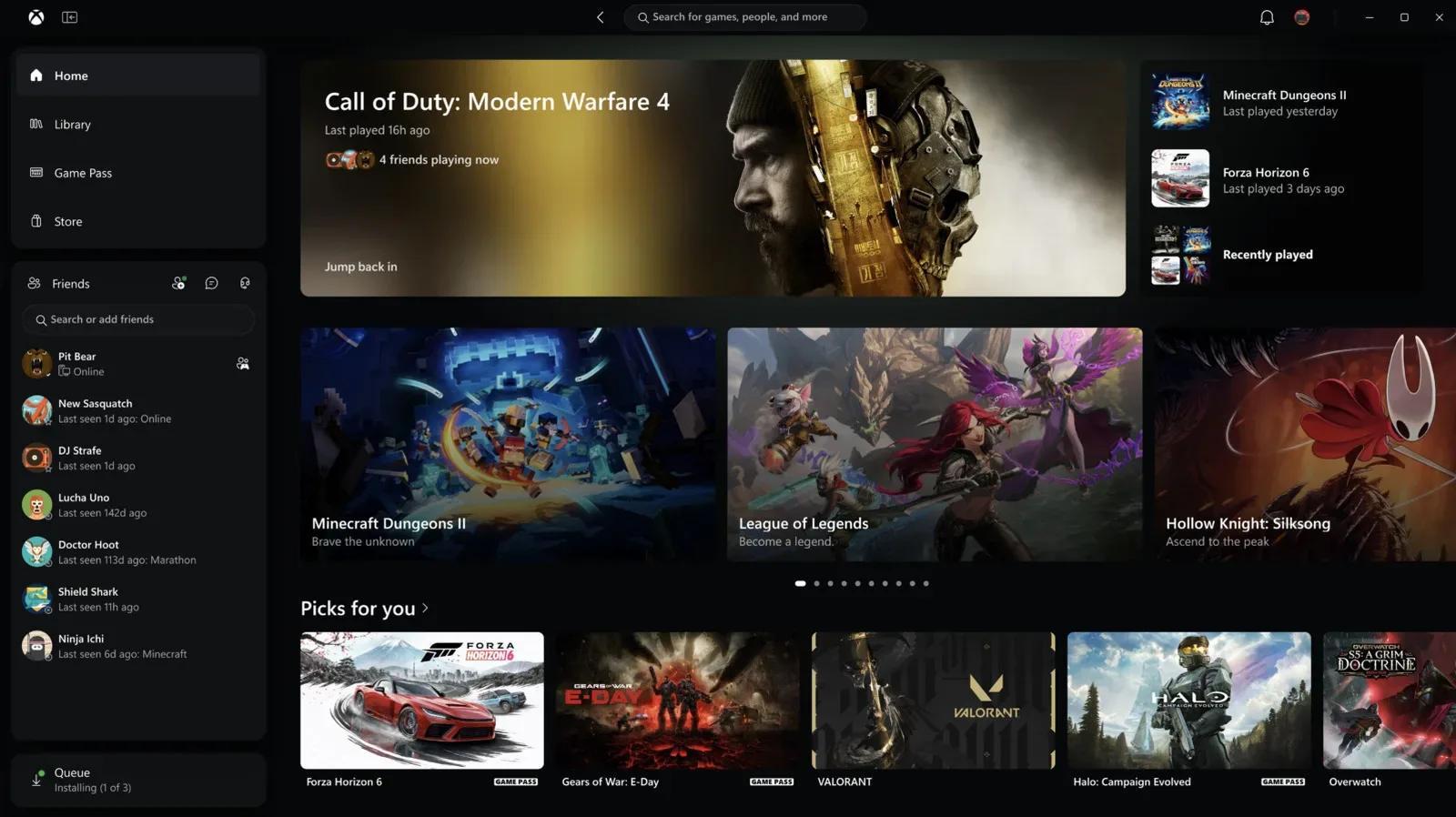
Gaming brands routinely stretch beyond games into apparel, replicas and accessories, while the business side of the industry continues to shift. Recent platform and storefront developments, such as an Xbox PC app update focused on faster launches and a cleaner library, show how much of the industry conversation now concerns the surrounding ecosystem as well as individual releases. In this case, though, no storefront refresh can make the human context disappear.
For N7 Day, the N7 Wearable LED Helmet and the wider apparel-and-accessories selection offer one route for fans who want a tangible connection to Mass Effect. But the day’s lasting conversation is likely to be about the dissonance: a beloved universe being commercially celebrated while the reported loss of BioWare—and the uncertainty surrounding the series’ next chapter—remains impossible to ignore.