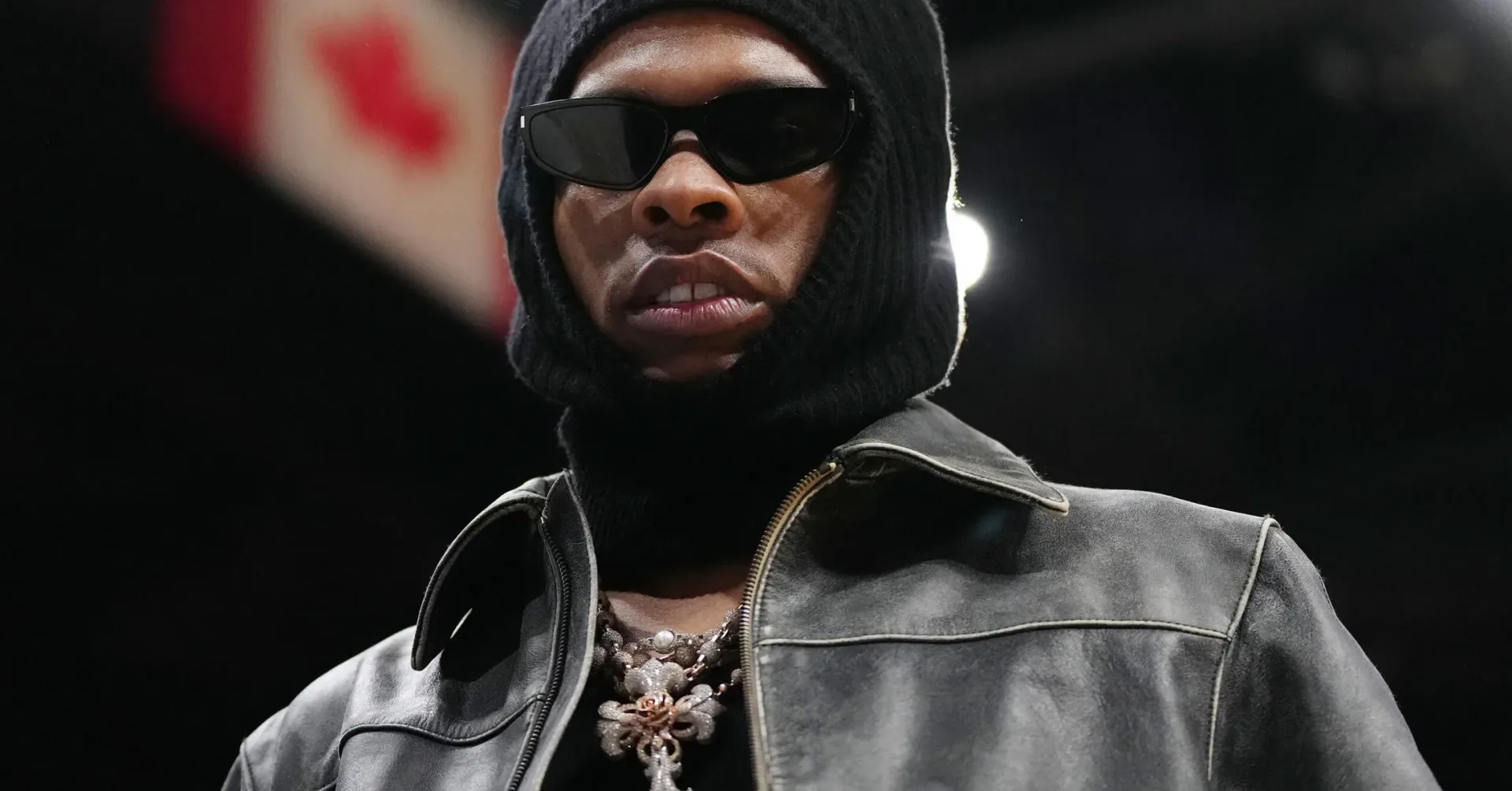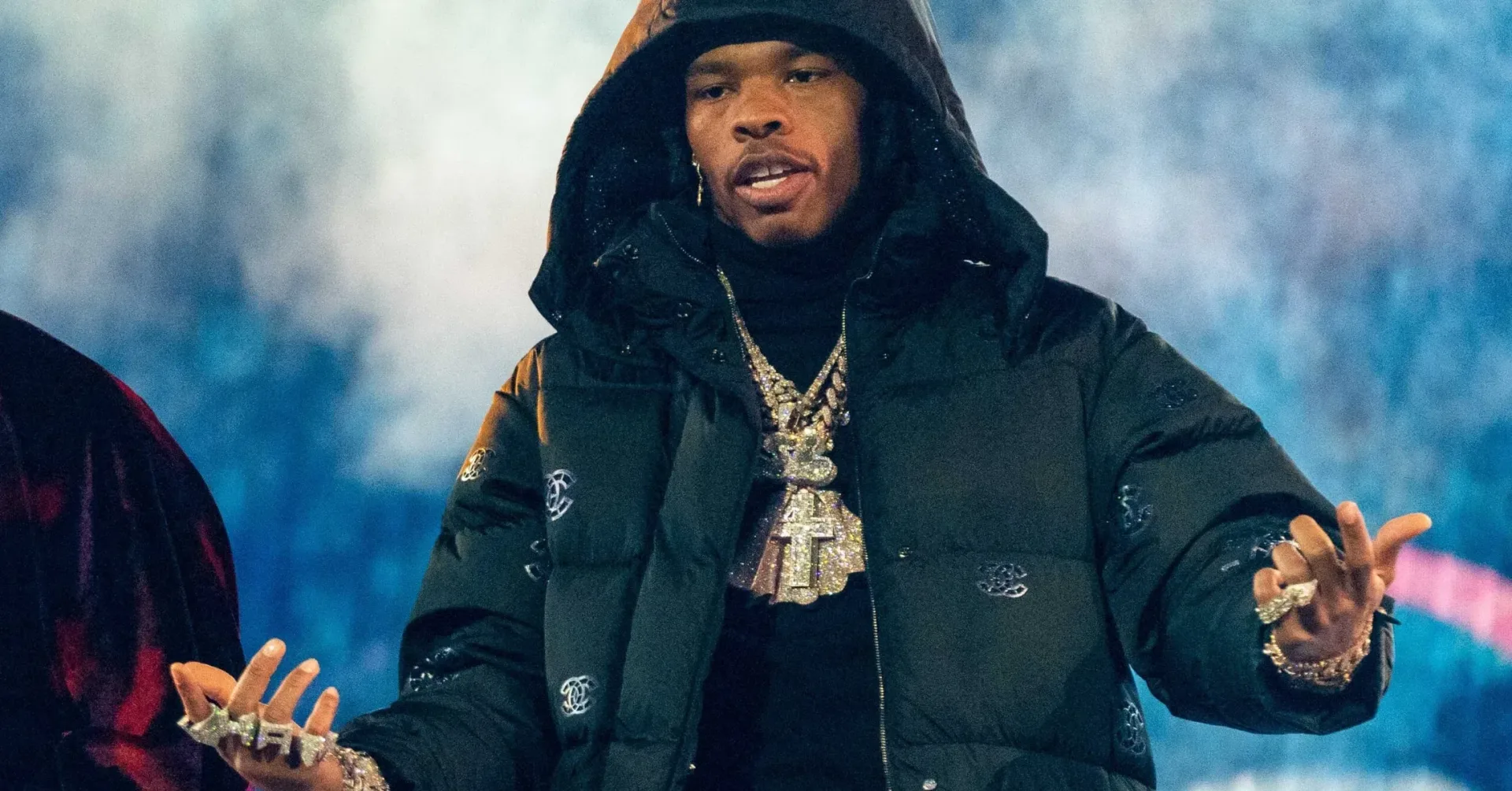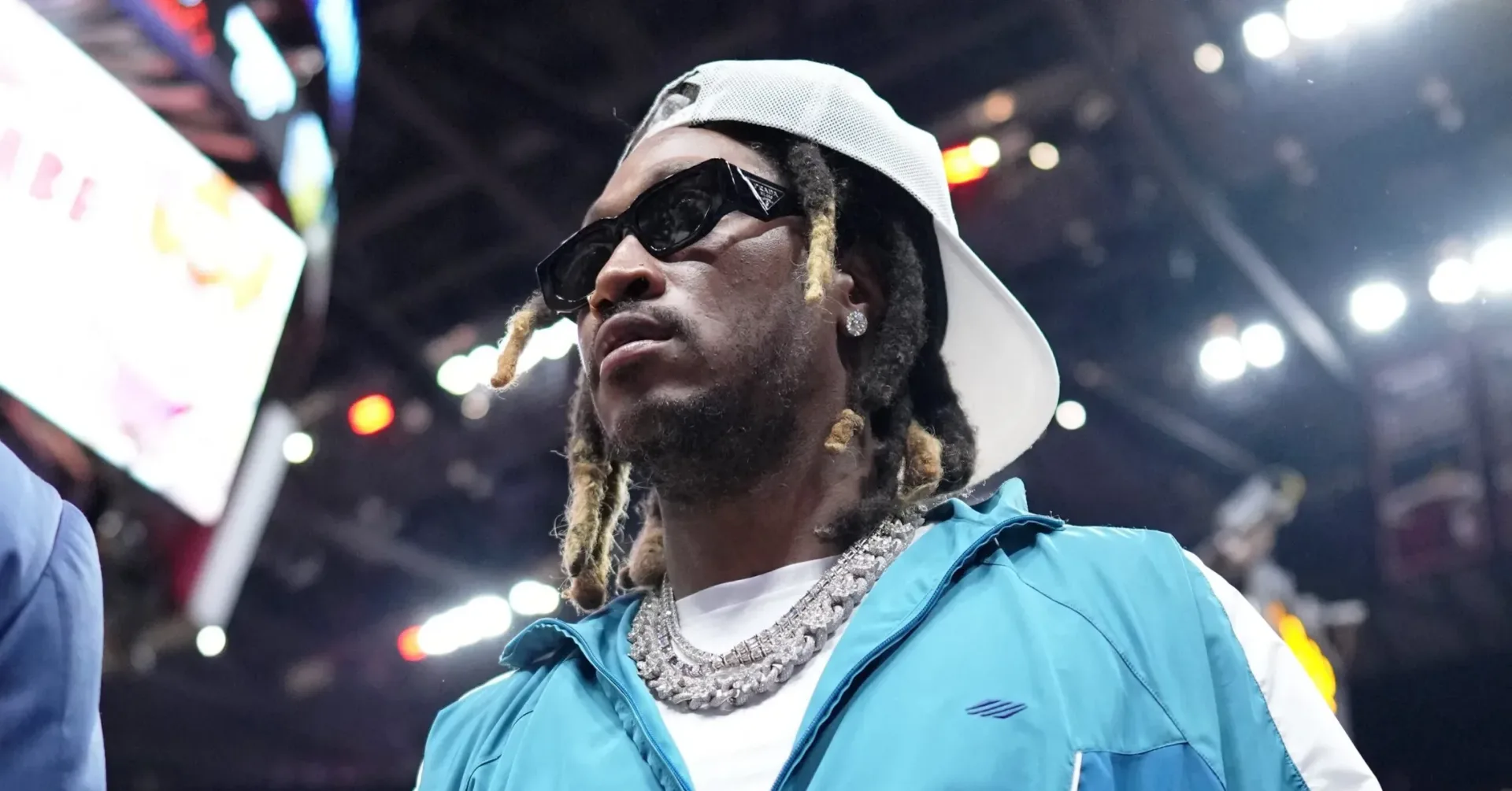
There is a particular kind of joy in watching an old favorite become dramatically easier to hear. No password-protected file-hosting links, no aging download folders, no detective work through unofficial uploads with tracklists that appear to have been assembled during a power outage. Future’s early mixtape era has taken a major step into the modern listening ecosystem: 1000, Kno Mercy, Dirty Sprite, True Story, and Streetz Calling are now available on digital streaming services, including Spotify.
The releases cover a compact but crucial stretch of the Atlanta rapper’s development, spanning 2010 and 2011. For listeners who were there, the arrival is an opportunity to revisit records that circulated in the mixtape-first world from which Future emerged. For newer fans, it offers a far cleaner route into work that predates much of the formal album-era catalog now most closely associated with his name.
It is also a reminder that music history does not always line up neatly with the catalogs displayed by streaming apps. An artist can be globally recognizable, have a huge body of work readily searchable by title, and still have defining early projects sitting outside the official digital shelves. These additions do not erase that gap retroactively, but they make a meaningful part of Future’s formative run easier to find, queue and revisit.
Five projects from 2010 and 2011 are now easier to explore
The newly available batch includes two projects from 2010 and three from 2011:
- 1000 (2010)
- Kno Mercy (2010)
- Dirty Sprite (2011)
- True Story (2011)
- Streetz Calling (2011)
Dirty Sprite is the standout name in that list for many fans. The 2011 tape has long held an especially important place in discussion of Future’s early output, and its official streaming presence gives curious listeners a straightforward starting point. It followed 2010’s 1000 and Kno Mercy, while True Story and Streetz Calling further fill in the same 2011 period.
That sequence matters because listeners approaching an artist only through later releases can miss how much of the story lives in the projects that originally traveled through a different distribution culture. Mixtapes were often immediate documents: freely circulated, quickly shared, sometimes messy in their metadata and frequently detached from the systems that would later define mainstream music consumption. A streaming release changes the practical experience of accessing them. It does not turn the past into a museum exhibit; it lets the past re-enter everyday listening habits.
For an artist with as extensive a catalog as Future’s, that convenience has real value. Searchability, official album pages and consistent availability may sound like administrative details, but they shape which material gets heard. The difference between “a tape people mention” and “a tape a new listener can play immediately” is enormous. One exists chiefly as reputation; the other can become part of an active listening rotation.
Accessibility is not the same thing as completion
The update is substantial, but it is not a total cleanup of every corner of Future’s mixtape history. Fans who collect releases, track discographies or simply enjoy having a complete official library will still notice significant absences. Free Bricks, his collaborative project with Gucci Mane, has not been added in this rollout. Nor has FDU & Freebandz: Reloaded, the project associated with Stuey Rock.
Those omissions are worth stating plainly, especially because streaming-era language can make an incomplete catalog sound finished the moment a high-profile title appears. The current additions go a long way toward covering Future’s solo material, but they do not make every project connected to his wider mixtape run available. Collaborative releases can carry their own rights, credits and logistical complications, and no timeline has been provided here for the remaining titles.
Still, the solo-side progress is notable. The newly available tapes make the early chronology much more legible to someone moving backward from the records that made Future a fixture of contemporary rap. That is useful whether the listener is studying the evolution of a major artist, building a library, or just trying to understand why longtime fans speak about these titles with such devotion.
Preserving media and making it accessible are related but distinct jobs. The first is about ensuring that work survives; the second is about making sure people can actually encounter it without navigating a maze. Game collectors know a version of the same problem: an original release may technically still exist somewhere, but access can remain limited by hardware, price or fragile old formats. That tension is part of why preservation practices matter across media, whether it means cataloging music or learning how to protect the only good copy of an emulator save.
A useful entry point for listeners who arrived later
Future has remained a prominent figure across multiple phases of rap, which makes an official doorway into the earliest part of this run especially welcome. A listener introduced through later studio albums can now move back to 2010 and 2011 without treating those years as an inaccessible prehistory. The titles are no longer merely recommendations passed around by diehards; they are available through the same basic platforms people already use for current releases.
That does not require anyone to declare one era better than another. It simply makes comparison possible. Listeners can hear the early projects in their own context, then place them beside subsequent work rather than relying on a shorthand summary of what the mixtapes supposedly represent. That is more valuable than any single piece of fan consensus. Catalogs should be heard, not just cited.
The timing also lands after The Real Me, Future’s latest album released earlier in 2026. Some longtime fans were not fully satisfied by that album, but a streaming expansion of older material gives them another way to spend time with the artist’s catalog. It is not a replacement for a new album, nor should it be treated as a response to every reaction surrounding one. It is, however, an officially accessible return to a body of work that has mattered to listeners for years.
More new Future music remains only a possibility
There is also reason for fans to keep an eye on what comes next, albeit with restraint. Future teased another project only a few weeks after releasing The Real Me. The tease did not come with a release date, a schedule, a confirmed title or concrete rollout details. At this stage, it is best understood as an indication that he may have more music in progress, not as a promise that a follow-up is imminent.
That distinction matters. A vague signal can reflect ongoing work without defining when, how or even whether a specific project will arrive. The most solid development at the moment is the availability of the five early mixtapes, not a confirmed next-album campaign.
Future has also remained a live presence in the broader conversation around rap. He recently appeared at Ye’s Chicago homecoming show, an appearance that drew an enthusiastic response. Combined with the renewed access to his early tapes and the possibility of more work down the line, it makes for a moment where past and present are sharing the same timeline.
For now, the immediate invitation is simple: revisit Dirty Sprite if it was already part of the soundtrack, or start there if it has only been a name in a recommendation thread. Then move through 1000, Kno Mercy, True Story and Streetz Calling. The library is more complete than it was yesterday, even if the completionists still have a few empty slots on the shelf.