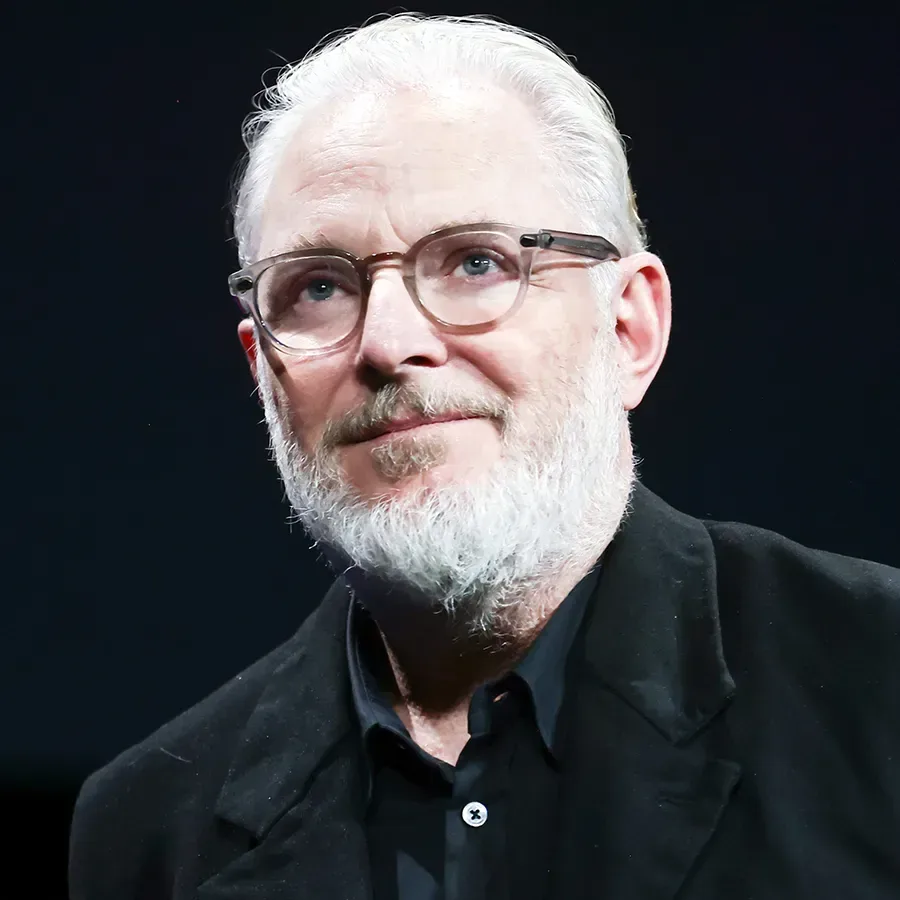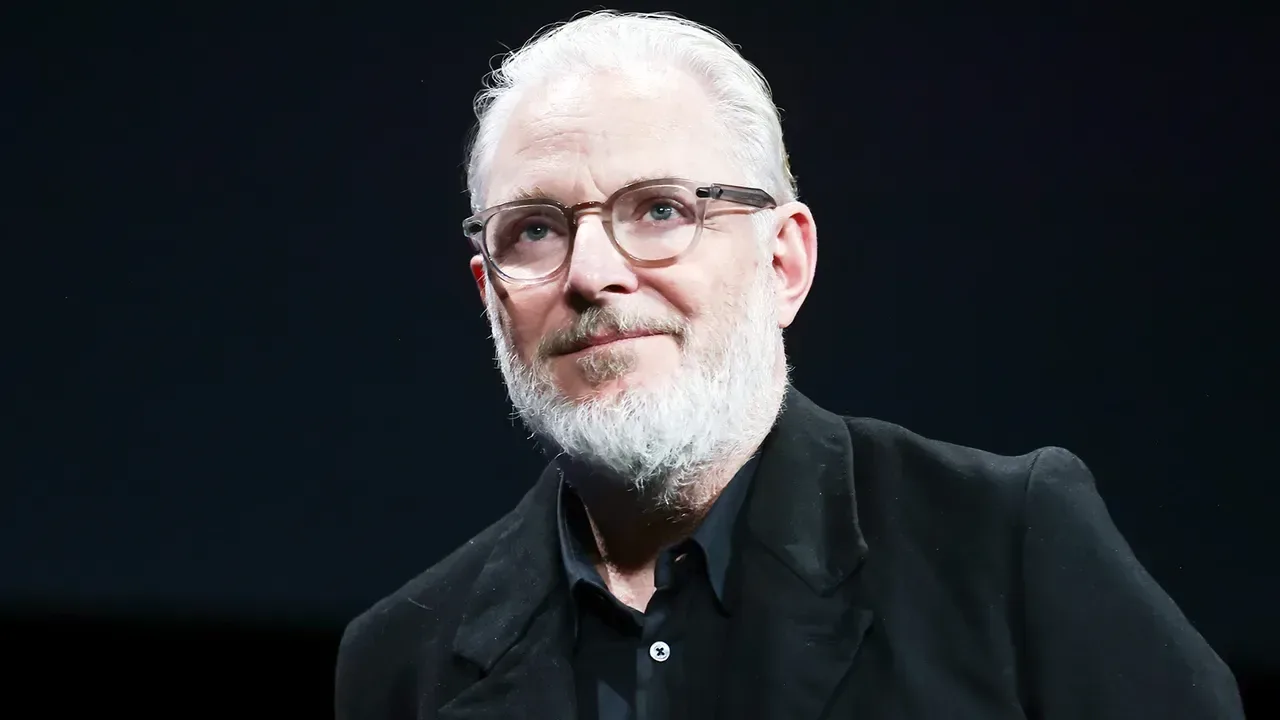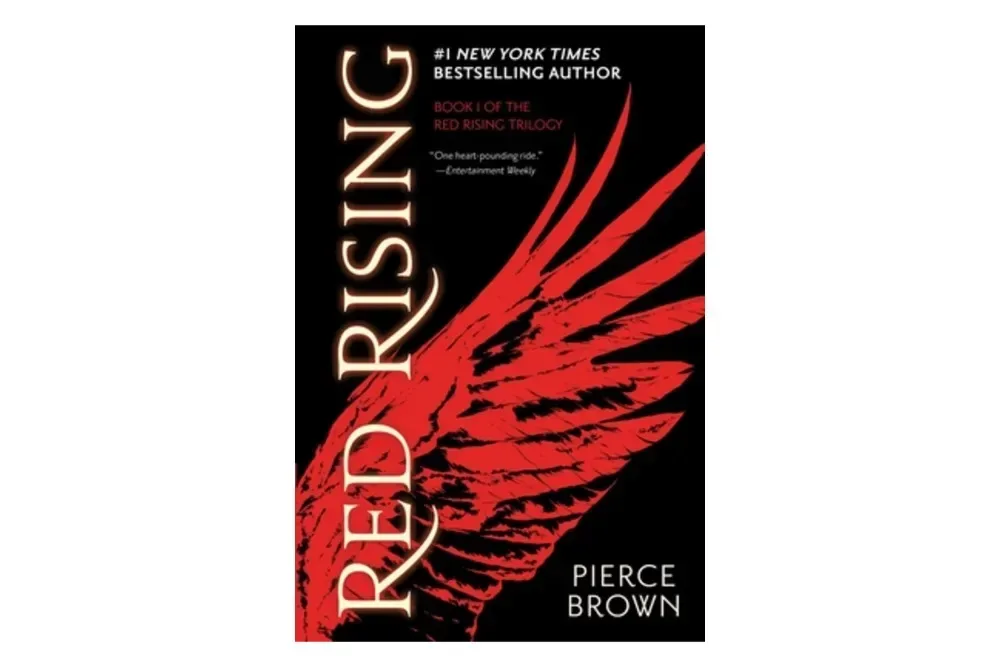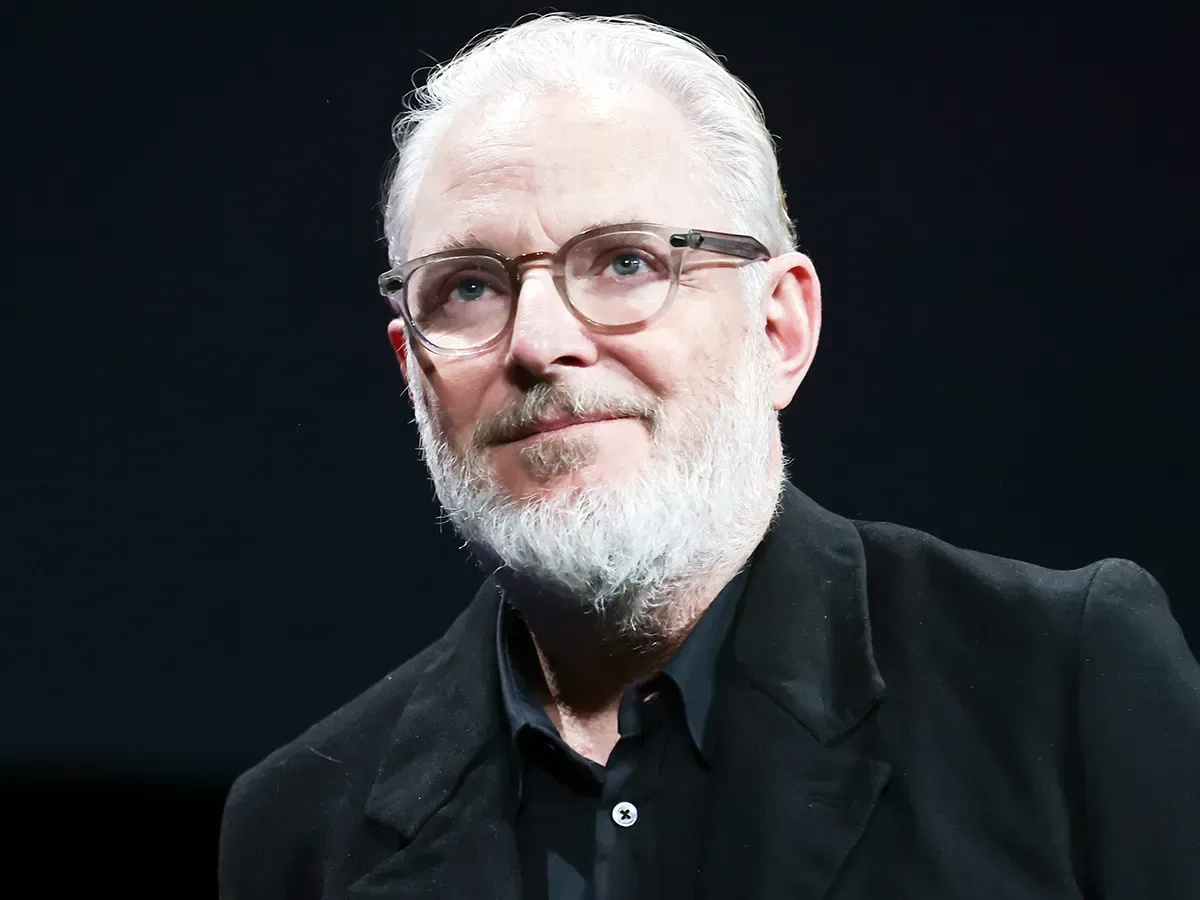
Red Rising is back on the feature-film track, with director Francis Lawrence saying the long-gestating adaptation is now a priority at Paramount. The project has a writer beginning work on a screenplay, but it remains at an early development stage: no casting, production timetable or release date has been detailed.
For readers of Pierce Brown’s galaxy-spanning science-fiction books, that is meaningful movement after a long and unusually winding route. Lawrence says he has been attached to the property for roughly eight years. It was initially developed as a streaming series at Netflix, where two pilot scripts were written, before changes in internal priorities prevented that version from being ordered. The rights later reverted to Brown, who subsequently took the project to Paramount.
Lawrence’s preference is clear. Rather than returning to a streaming-series plan, he favors a theatrical adaptation, specifically invoking the scale of an IMAX presentation. That does not tell audiences how the eventual film will structure Brown’s story, how many books it may cover, or whether further films are planned. It does, however, establish the creative case being made for the project: this is being approached as a large-screen science-fiction event rather than a smaller episodic launch.
From streaming pilots to a Paramount feature
The earlier Netflix version was not simply an idea that failed to leave a meeting room. Lawrence says two pilot scripts had been completed for the proposed series. A pilot is an initial episode written or produced to establish a show’s premise, characters, tone and production demands. It can be an important development milestone, but it is not a guarantee that a full season will be made.
In this case, Lawrence described the project as being repeatedly shifted among changing divisions and priorities. He characterized Red Rising as expensive to make properly, a point that helps explain why a completed pilot script alone was not enough to get the series over the line. A premise with galaxy-spanning scope can carry substantial expectations for environments, costumes, action and visual effects. Lawrence did not provide a budget, and none should be inferred from his comments, but he was direct that the scale of the material was a factor in the prior plan’s difficulty.
When a project’s rights revert, control of the adaptation rights returns to the party that held them before the option or deal. Here, Lawrence says those rights returned to author Pierce Brown after the Netflix effort did not proceed. That opened the path for Brown to take Red Rising to Paramount, where Lawrence now says the film has greater momentum.
“It seems to be a priority at Paramount,” Lawrence said, while also emphasizing that the screenplay process is just getting underway. “Priority” is encouraging language rather than a completion guarantee. In film development, projects can change form, timing or personnel before production begins. The clearest confirmed next step is therefore the writer’s work on a script—not a shoot, trailer, release window or finalized creative package.
Why the theatrical choice matters
Lawrence said he prefers a theatrical route for Red Rising and believes the series merits IMAX. In practical terms, that preference speaks to presentation and ambition more than it confirms a technical format. IMAX can refer to premium large-format theatrical screens and, in some cases, cameras or expanded image presentations. Lawrence did not say the film will be shot with IMAX cameras, receive a specific IMAX release arrangement, or be presented in any particular aspect ratio.
Related coverage includes Red Rising Film Gains Momentum at Paramount as Francis Lawrence Calls It a Priority.
Still, the distinction between a feature and a streaming series is creatively consequential. A movie screenplay has to identify a concentrated dramatic spine: which character journey anchors the story, which events create the principal escalation, and what ending supplies a satisfying stopping point while leaving room for more. Television has more time for parallel plots, gradual introductions and world-building. Neither form is automatically more faithful. They simply demand different decisions about pace, scope and what material must be foregrounded.
That makes the incoming writer a central part of the update. Lawrence said the team has found a writer it likes and that work is beginning. He did not identify that writer or share a story outline. Until a screenplay takes shape, readers should treat specifics about characters, plot coverage, tone, rating, sequels or design choices as unconfirmed.
There is also a useful distinction between enthusiasm and a green light. Lawrence’s sustained involvement, his friendship with Brown, a producer’s long connection to the material, and Paramount’s stated interest are all positive indicators. But films typically pass through multiple steps between a screenplay assignment and cameras rolling. The available update confirms active development with studio support; it does not establish that the film has entered production.
Lawrence brings adaptation experience, but Red Rising remains its own challenge
Lawrence is strongly associated with large-scale young-adult book adaptations through his work on nearly all of the Hunger Games films. He also recently directed The Long Walk and is set to follow it with Sunrise on the Reaping, due in November. That background makes him a natural fit for a property that combines character-driven stakes with an expansive speculative setting, but it should not be mistaken for a finished blueprint for Red Rising.
Each adaptation has to solve its own structural problems. A screenplay is not a transcription of a novel: internal narration, long passages of context and secondary perspectives often need to become visual choices, dialogue, performance and action. The challenge is particularly sharp for fan-favorite books, where readers may value different elements most intensely. A feature has limited room, which means choices about omission, compression and emphasis are unavoidable.
Lawrence’s comments suggest that he and producing partner Cam MacConomy have been committed to Red Rising for a long time. MacConomy, who has worked with Lawrence since 2010, brought the books to him, Lawrence said. The two then met with Brown and brought the project to market. That continuity matters because it indicates the project’s move from Netflix to Paramount did not require a wholly new creative champion. The same director and producing partner remain invested while the distribution plan has changed.
Brown’s involvement is another point fans will watch closely, though the current information does not define his formal role beyond his ownership of the rights and his relationship with Lawrence. A close author-director relationship can support communication around themes and intent, but it does not automatically reveal the degree of day-to-day creative control or determine every adaptation decision. Those details have not been announced.
What is confirmed—and what is not
It is easy for a high-profile adaptation update to pick up extra certainty as it travels. The present status is promising, but it is worth keeping the confirmed points separate from assumptions.
- Confirmed: Francis Lawrence remains attached to direct a Red Rising film.
- Confirmed: The project was previously intended as a Netflix series, and two pilot scripts were written.
- Confirmed: The Netflix plan did not move forward, the rights reverted to Pierce Brown, and the project reached Paramount.
- Confirmed: Lawrence says a writer the team likes has started working on a screenplay.
- Confirmed: Lawrence says the project appears to be a priority at Paramount and that he prefers a theatrical approach.
- Not confirmed: A writer’s identity, cast, production start date, budget, release date, rating, number of films, or exact story coverage.
- Not confirmed: Specific IMAX production or exhibition details.
That list does not diminish the news. After years of stalled development, a new home, a director who has remained attached, and active screenplay work are concrete signals of progress. But the absence of casting and scheduling information means the most accurate expectation is patience rather than a countdown.
A busy slate, and a reason to watch the next screenplay milestone
Lawrence’s Red Rising comments arrive while he is also connected to another major franchise film, Sunrise on the Reaping. His overlapping adaptation work has already drawn attention elsewhere, including his lighthearted comments about how GTA 6 could split attention from Sunrise on the Reaping. For Red Rising, however, the key point is not competition for attention; it is that Lawrence has described the property as a project he has wanted to make for nearly a decade.
The next meaningful public update would likely be a sign that the script has progressed, followed by the sort of details that turn development into a production: key creative hires, casting or a production plan. None have been announced yet. Until then, fans can reasonably take the Paramount move as a fresh opportunity for an adaptation that Lawrence believes belongs on the biggest available screen.