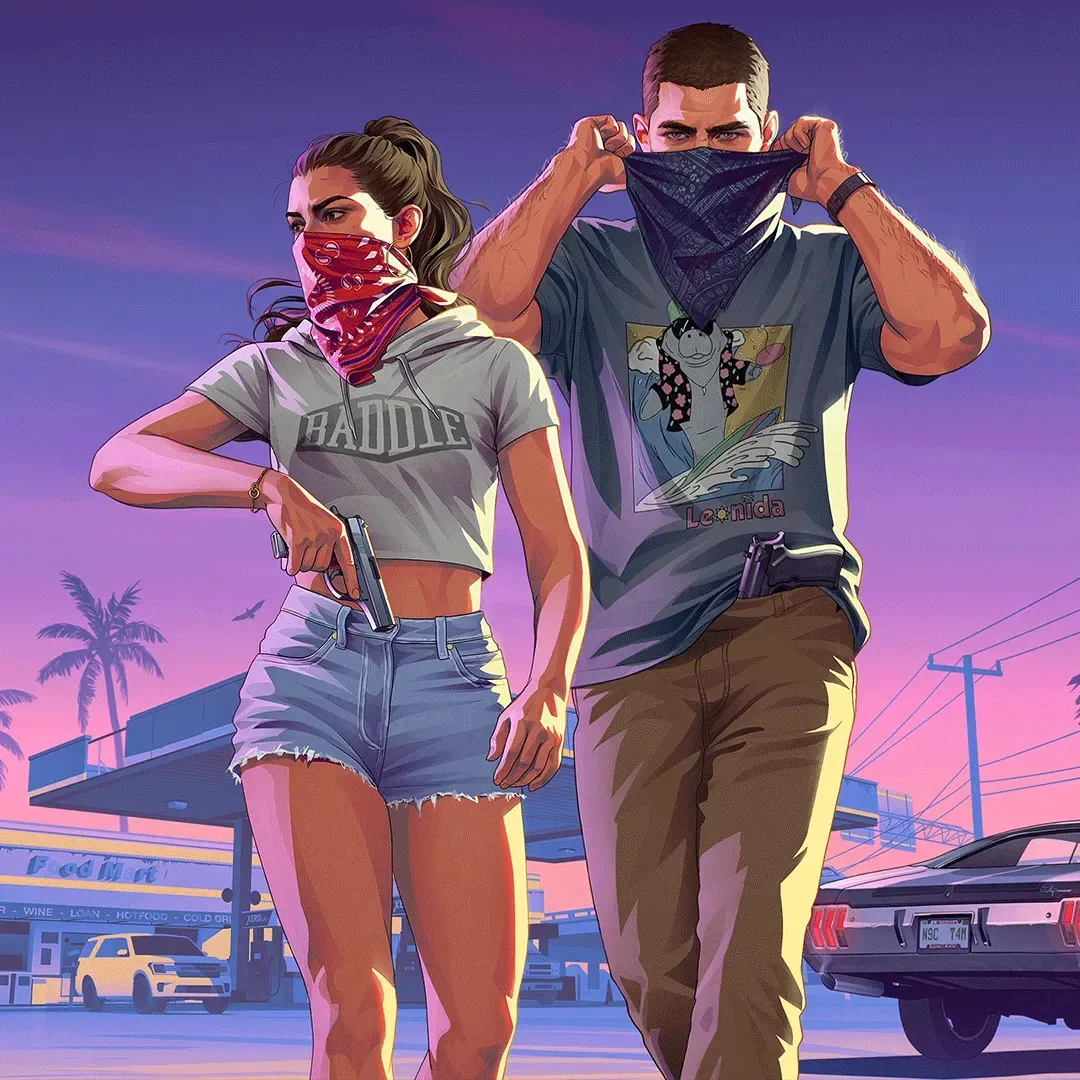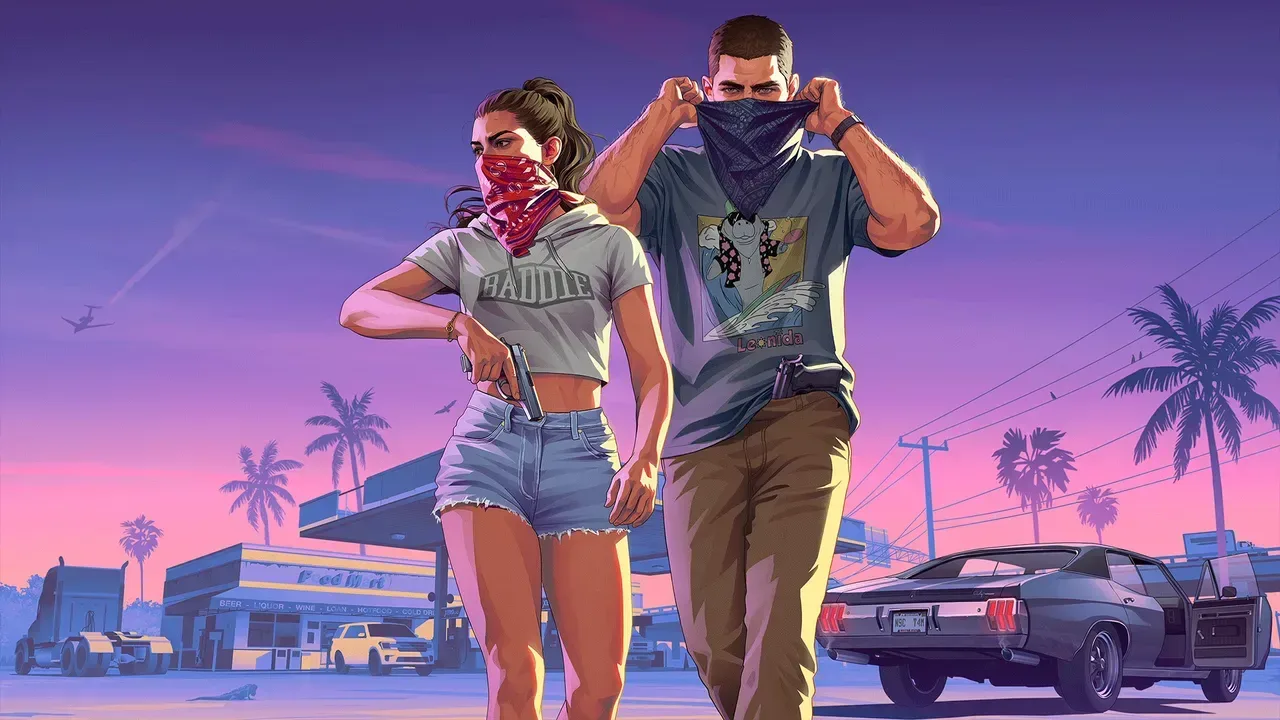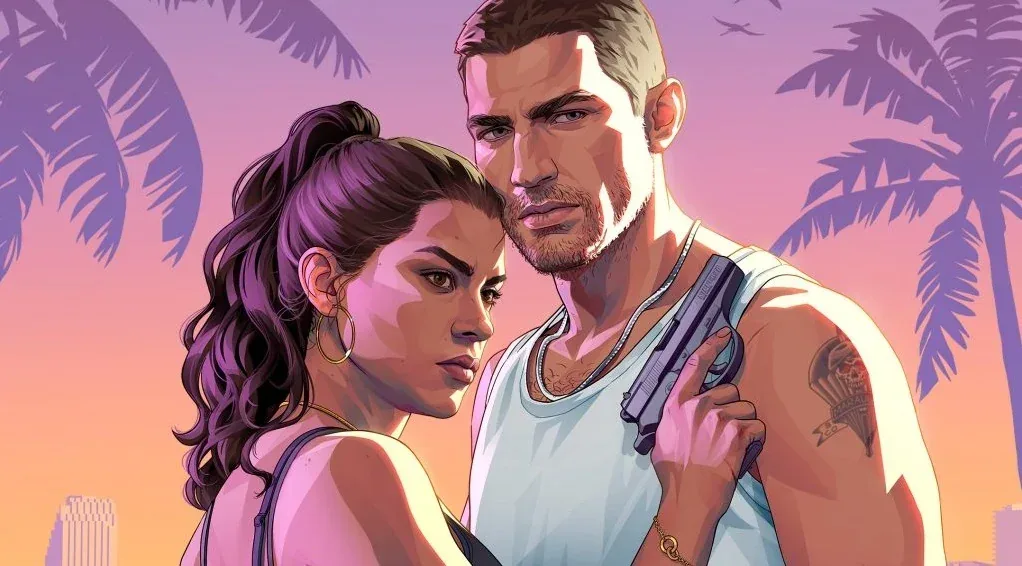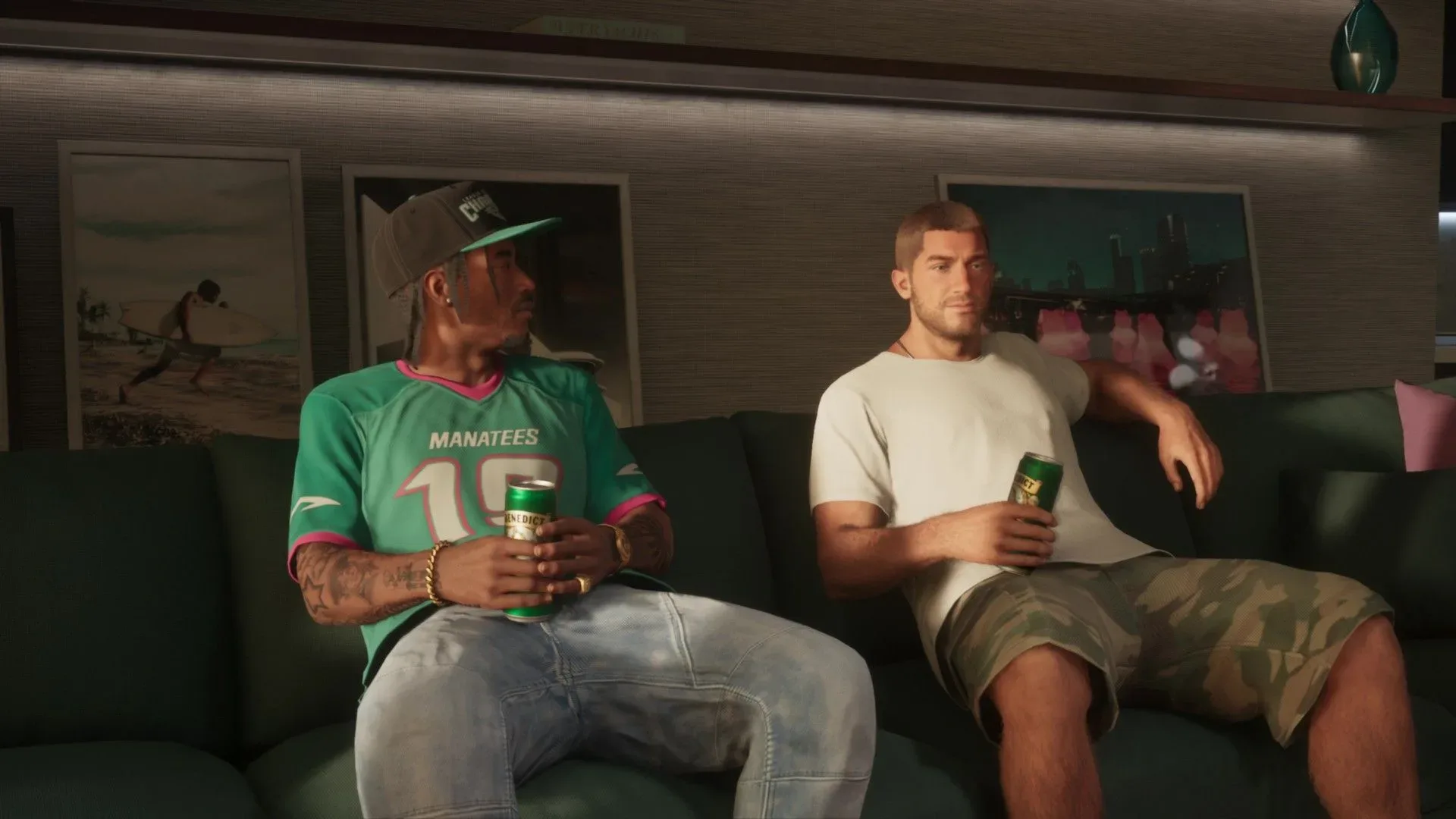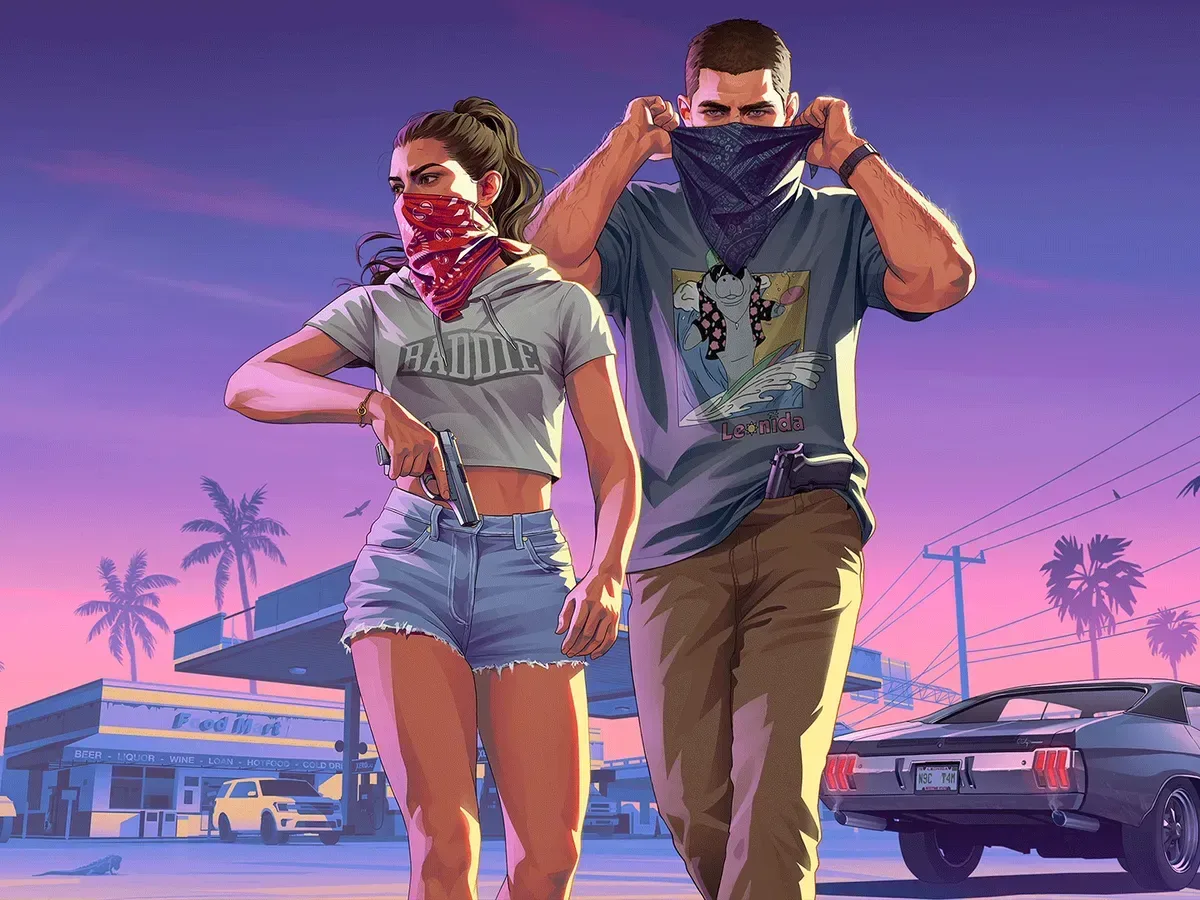
There are crowded release windows, and then there is trying to ask people to look away from a new Grand Theft Auto. Francis Lawrence, the filmmaker attached to Netflix’s live-action BioShock adaptation, has jokingly acknowledged the scheduling challenge posed by GTA 6 landing around the same time as Sunrise on the Reaping, the upcoming Hunger Games prequel he directed.
Lawrence’s proposed solution was admirably un-complicated: play the game, see the movie, then return to the game. It is a lighthearted comment, but it also captures a very real issue for entertainment releases. An enormous game launch does not merely compete for a ticket sale or an individual evening. It can become the shared topic of conversation, the weekend plan, and the long-running activity people return to for weeks.
Sunrise on the Reaping is due in theaters this November. Lawrence indicated that Rockstar’s next Grand Theft Auto is expected close to that window, while stopping short of turning the overlap into a dramatic rivalry. His framing instead treats the two as different kinds of entertainment that can coexist: a trip to the cinema and a sprawling game experience are not mutually exclusive, even if both make substantial demands on an audience’s time and attention.
A release-window joke with a practical point
Blockbuster timing matters because attention is finite. That statement does not mean every person who plays GTA 6 would otherwise watch Sunrise on the Reaping. The audiences overlap unevenly, and people can enjoy both. But an exceptionally anticipated game can dominate social feeds, group chats, video coverage and everyday recommendations. That cultural concentration makes it harder for almost any adjacent release to claim the same immediate spotlight.
Lawrence’s joke recognizes GTA’s unusual scale without suggesting that a film must surrender to it. A theatrical movie and an open-world game are also consumed differently. A movie has a defined runtime and a discrete theater visit; a major game can occupy many sessions over a much longer period. Someone can reasonably schedule both, though the game may become the activity that fills the hours around that cinema outing.
The director is not speaking as an outsider to games, either. Asked about the titles that have meant the most to him, he listed Metal Gear Solid, BioShock, Call of Duty, and the original Grand Theft Auto. He singled out the first GTA as a particularly striking technological experience when it arrived, while noting that he did not continue playing later entries in the series.
That detail gives the GTA 6 comment a little more texture than an obligatory acknowledgment of a large release. Lawrence’s reference point is the original game rather than the modern open-world installments. Yet he plainly understands the stature of the forthcoming sequel and the intensity surrounding it. For readers following the conversation around Rockstar’s release, Joking Joystick has also covered the wider GTA VI discussion involving PS5 homebrew and piracy concerns.
Why BioShock is the more revealing game connection
The bigger creative through line is BioShock. Lawrence is set to direct the live-action film for Netflix, and he identifies the game among his favorites. That personal familiarity does not reveal the movie’s story, casting, release timing, or level of faithfulness; none of those details were provided. It does, however, establish that the director arrives at the project with firsthand appreciation for the series rather than encountering it only as an adaptation assignment.
Related coverage includes Francis Lawrence Jokes GTA 6 Could Compete With Sunrise on the Reaping.
Adaptation, in this context, means translating a work built for player participation into a fixed film form. Games allow players to move through spaces, set their own pace and, depending on the game, make choices. Film directs the audience through a selected sequence of images and events. The task is not simply reproducing game assets on screen. A filmmaker must decide what elements communicate character, mood and stakes when the viewer is no longer controlling the journey.
BioShock is particularly notable as a property with a lengthy and uneven route toward a movie. Lawrence said the project was first brought to him by Gore Verbinski in 2009, but scheduling conflicts meant he could not take it at that time. Guillermo del Toro was later involved in discussions, though Lawrence described a lack of agreement with the game’s creator.
Del Toro has described his own experience in stronger terms. Recalling conversations concerning the adaptation, he characterized the calls as highly contentious and said he did not want to continue. The accounts do not supply a full record of every disagreement, and it would be a mistake to fill in those blanks with assumptions. What is clear is that BioShock’s film path has involved multiple high-profile filmmakers and creative friction before reaching its current Lawrence-led version at Netflix.
Development history is not a finished-film promise
It is tempting to read a project’s long development history as a preview of its eventual quality. That is not a reliable conclusion. “Development” covers the work of pursuing rights, finding creative leadership, shaping scripts and arranging a production route. A project can spend years changing hands without that history proving either that the finished version will succeed or that it will fail.
For BioShock, the useful takeaway is narrower: the property has been difficult to move from game to film, and Lawrence is now attached after being approached about it many years ago. His stated affection for BioShock may matter to fans concerned about whether its atmosphere and ideas will be treated seriously, but affection alone is not a substitute for specific production information. Until more details emerge, expectations should remain anchored to what is known rather than to imagined plot points, design choices or release plans.
Lawrence’s game tastes span very different design traditions
The games Lawrence named are not interchangeable, and the list offers a compact view of why a director might be drawn to game worlds. Metal Gear Solid is strongly associated with cinematic presentation and stealth-driven play. BioShock is known as a first-person game franchise with a distinctive setting and narrative identity. Call of Duty is a major action series, while the original Grand Theft Auto represents the earlier form of a franchise whose scope and profile expanded dramatically over time.
There is no basis here to claim that any one of those games will directly influence the BioShock movie. Still, the range is meaningful in a general sense. It encompasses authored atmosphere, action, technological spectacle and player-driven freedom. Those are all qualities that films based on games frequently try to interpret, though each requires a different approach on screen.
The original GTA comment is especially useful as a reminder that a franchise’s legacy can be bigger than an individual player’s history with it. Lawrence says he stopped after the first entry, but GTA 6 is still relevant to his own release calendar because its arrival is a broader pop-culture event. That is the odd power of a major sequel: it can affect the conversation around film, television and other games even for people who are not current players.
Another adaptation is also on Lawrence’s slate
Lawrence is additionally preparing to direct an adaptation of Red Rising, the young-adult book series by Peirce Brown. That project has also endured a prolonged period in development but now has a home at Paramount and a writer working on the script.
Together, BioShock and Red Rising place Lawrence in two different adaptation challenges: one begins with an interactive game series, while the other begins with novels. The source formats ask different questions of a filmmaker. A novel’s internal narration and world-building must be externalized for the screen; a game’s interactivity must be reshaped into a viewer’s experience. Neither route automatically makes an adaptation easier. Both require choices about what is essential to preserve and what needs to change to function as a film.
For the immediate moment, however, Lawrence’s most relatable observation may be the simplest one. GTA 6 could arrive with enough gravitational pull to distract plenty of people from almost anything else. His suggested itinerary leaves room for a theater visit anyway—and then, naturally, more GTA.