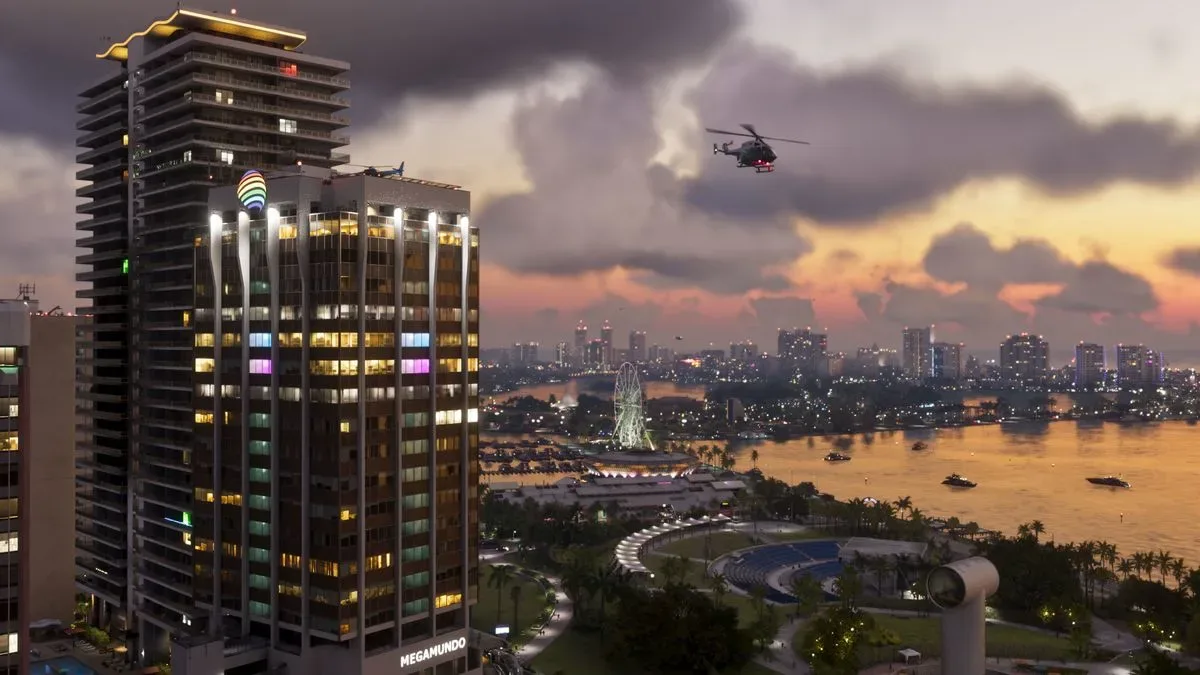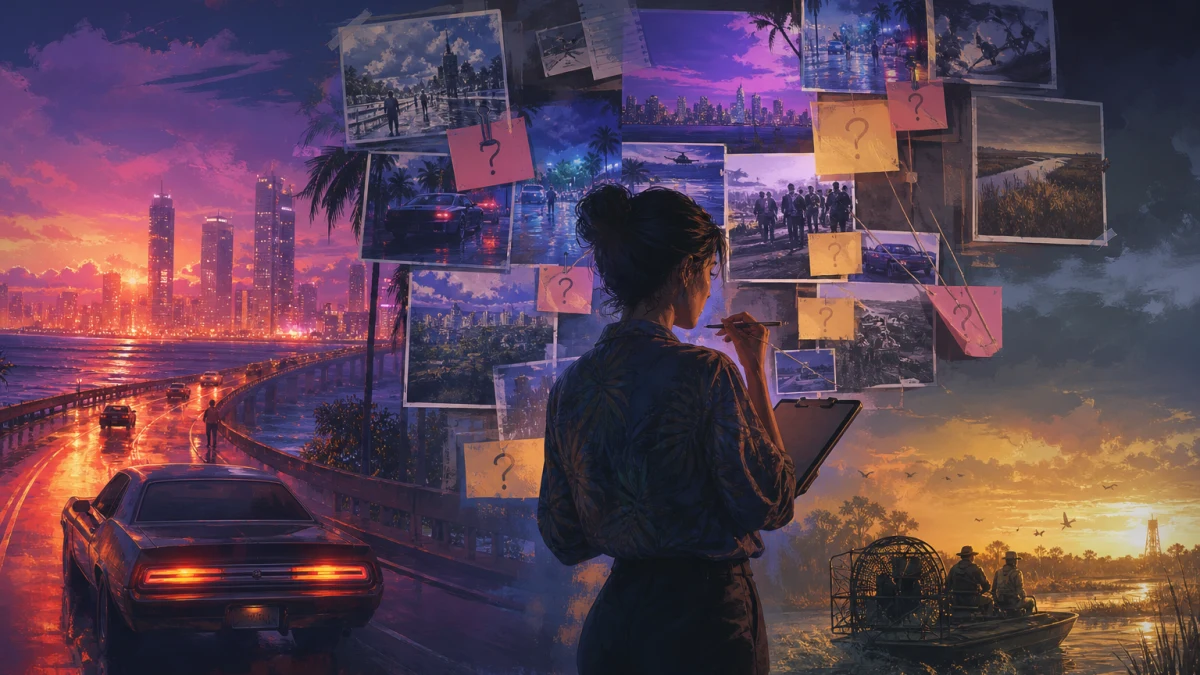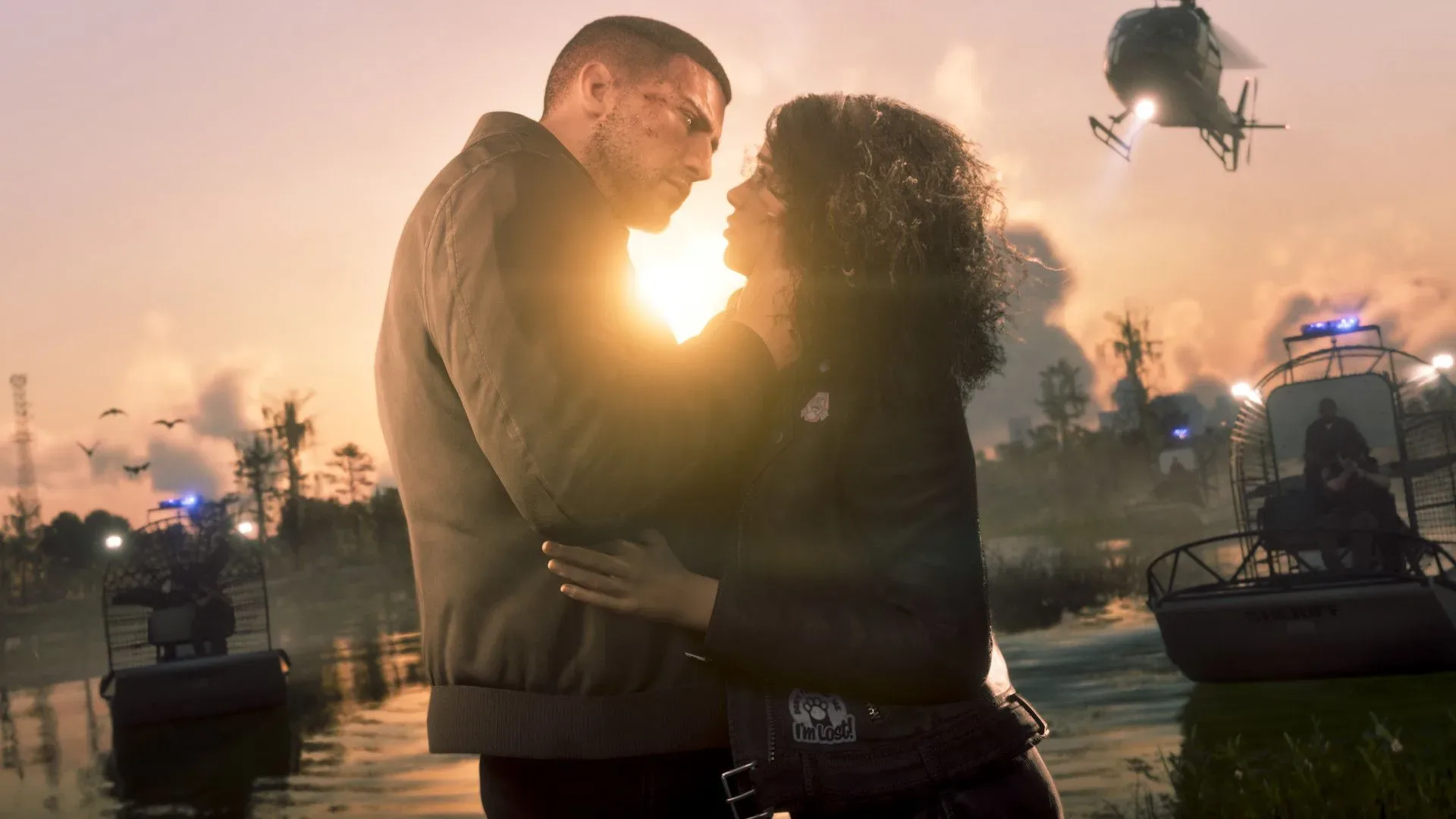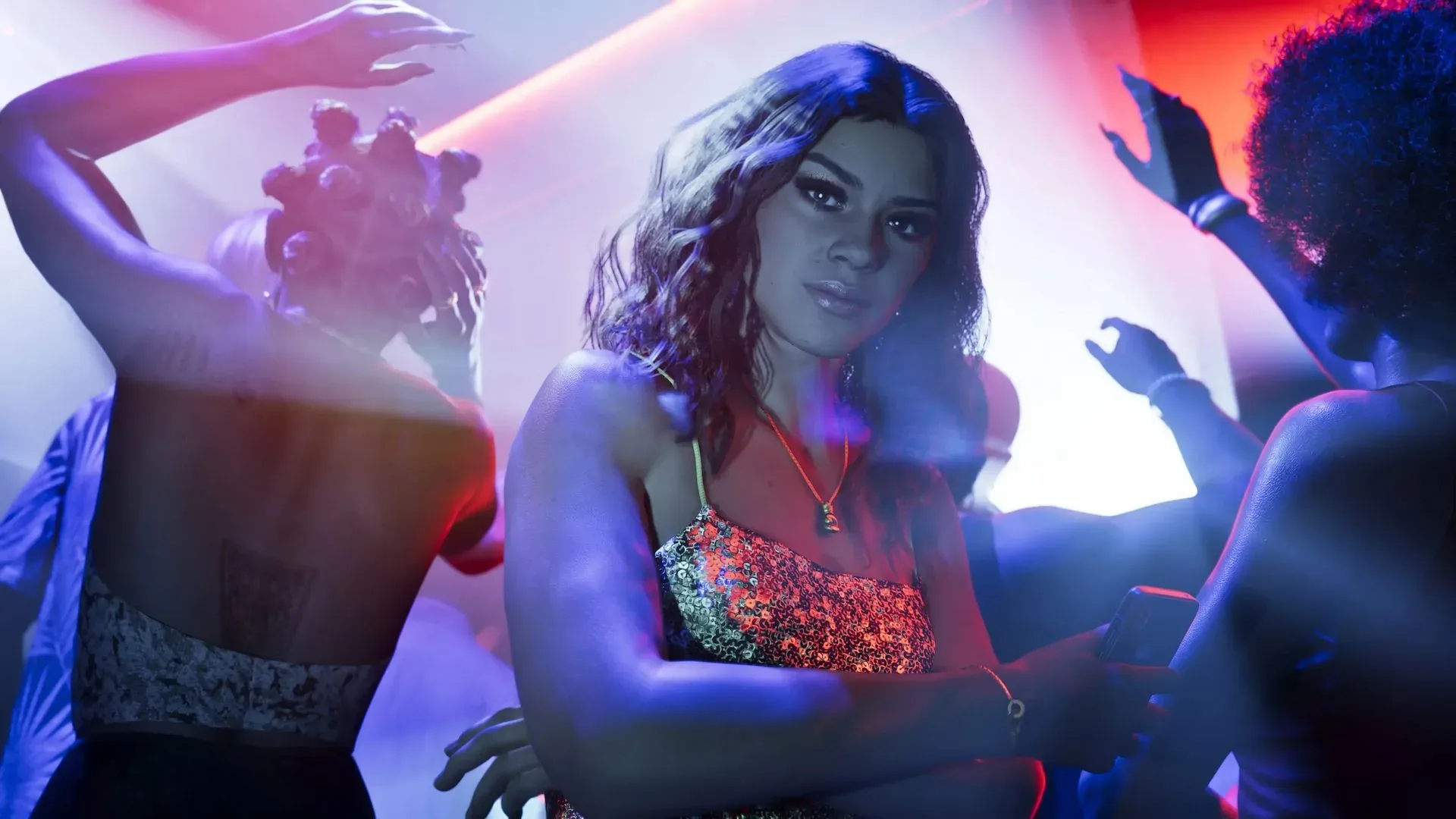
A Grand Theft Auto trailer is now big enough to function like a global music event. The first GTA 6 reveal, set in Vice City and the fictional state of Leonida, exceeded 90 million YouTube views in its first 24 hours and set a Guinness World Record for a video-game reveal. Its images of sun, speed, crime and spectacle were inseparable from Tom Petty’s Love Is a Long Road.
That pairing had a measurable afterlife. The track, which had been averaging roughly 4,000 to 5,000 streams, drew close to 400,000 in the days immediately following the trailer. Reported global Spotify streams rose 37,000%, while the song was identified through Shazam almost 250,000 times and reached the global top 20. GTA 6’s second trailer repeated the pattern: The Pointer Sisters’ Hot Together reportedly saw streams jump 182,000%.
Those figures are striking, but the larger story is not simply that an enormous trailer can revive an older song. Rockstar’s enduring musical influence comes from a different kind of placement: the car radio. A selected track is not heard once beneath a two-minute marketing video. It becomes part of the rhythm of navigating an open world, whether players are driving to a mission, escaping a wanted level, drifting around a city, or simply spending time in the game.
That makes the GTA radio dial a particularly powerful discovery engine. It turns music supervision—the process of selecting and licensing music for media—into a repeatable, player-directed experience. The player chooses a station, lives with the choice for a while, and may later seek out a track beyond the game. A song can become attached not just to a scene devised by a director, but to a memory the player made themselves.
Why the trailer choices travel so far
Love Is a Long Road was an especially clear example of musical selection doing narrative work without explaining itself. Its propulsive rock sound complemented fast cuts and high-energy footage from GTA 6’s Florida-inspired setting. The song did not need to be new to feel newly relevant: the trailer gave viewers a fresh context, then its unprecedented reach gave that context an enormous audience.
The sharp increase in streams matters because it illustrates the difference between exposure and engagement. A viewer hearing a song in a trailer is exposure. Searching for it, Shazaming it, adding it to a library, or replaying it after the trailer is engagement. The available numbers suggest many viewers did exactly that with Petty’s song. In that sense, the trailer did not just borrow a familiar recording to generate feeling; it routed attention back toward the recording itself.
Film can accomplish something similar. Nirvana’s Something in the Way, used in trailers and the film The Batman, reportedly rose from daily streams of 123,000 before the film’s March 4 release to 1.6 million on March 8, a 1,200% Spotify increase. The comparison is useful, but GTA has an additional advantage: its musical world can remain active for years after a game releases.
That longevity is crucial. By 2018, players had spent an estimated 75 billion minutes listening to the radio stations in Grand Theft Auto V and GTA Online. GTA had 18.3 million monthly active users throughout 2025. A trailer can create a sudden spike; a durable online game can keep reintroducing its catalogue to people who may never have encountered the original releases.
Related coverage includes Grand Theft Auto's Radio Legacy Turns Every Drive Into a Music Discovery Engine.
The radio dial is part of the fiction
GTA’s stations are not merely playlists pasted onto driving. They help sell the feeling of a living place. A player can hear a widely known hit such as Pet Shop Boys’ West End Girls, then encounter less familiar music including Hechizeros Band’s El Sonidito or Favored Nations’ The Set Up. That mixture is important. Familiar tracks offer an instant point of connection; deeper cuts make a fictional city feel broader than the player’s own library.
It also gives discovery an element of chance. Players may tune to a station for a known song and stay for something they did not recognize. In an open-world game, repeated driving creates a natural opportunity for that unfamiliar track to become familiar. The song is heard while an activity is taking place, rather than arriving as an isolated recommendation in an app.
There is no need to claim that a radio station is wholly more interactive than every soundtrack or advertisement to see its particular strength. GTA gives players a degree of agency over the station and the duration of listening. They might change the dial immediately, or leave it untouched through a long drive. That modest control can make the chosen music feel personal, even though it was curated in advance.
The resulting association can be unusually durable. Modjo’s Lady (Hear Me Tonight), a 2001 hit that reached number one in the UK and earned Platinum certification, found another audience through GTA 5’s Non Stop Pop FM. Romain Tranchart, one half of Modjo, has pointed to the visible link players make between the song and the game in comments under its music video. His observation gets at the generational dimension: many players discovering a decades-old song through GTA were not around for its original run.
Artists see both validation and permanence
For musicians, placement can mean access to an audience that conventional radio formats might not reach. Ab-Soul’s ILLuminate, featuring Kendrick Lamar, appeared on Radio Los Santos in GTA 5. Ab-Soul described the effect as immediate and significant, particularly because he considered his style unconventional for West Coast radio. The inclusion, in his view, supported his ability to keep developing without reshaping himself for a narrower format.
“Being that GTA is culturally stamped and globally influential, having a hand in the game etches you in history,” Ab-Soul said of the placement.
His point is about more than a temporary promotional bump. GTA tracks can become part of a player’s personal archive of the game: a song remembered alongside a particular route, mission, character, or era spent online with friends. The game’s scale and lifespan can give catalogue music a recurring second life, while newer or less conventionally programmed artists can gain a route into the same shared cultural space.
By 2023, GTA 5 had set a series record with 777 licensed songs. A catalogue of that size signals ambition, but it also reveals the complex work beneath the radio dial. Every licensed song involves rights holders, agreements and terms that may differ significantly from track to track. “Licensed music” is not a single, simple product; it is the result of negotiated permission to use a recording and composition in a specific context.
A tastemaker with responsibilities
The vast audience makes Rockstar a tastemaker in the practical sense: a single placement can reshape which songs people hear, search for and associate with a moment. But influence does not settle whether every licensing arrangement is equitable. The commercial power of a game and the cultural boost a track may receive do not automatically answer what artists and songwriters should be paid.
That tension was made public in September 2024, when Martyn Ware of Heaven 17 said the band had been approached about licensing its 1983 song Temptation. Ware alleged that the proposal offered $22,500 total for the three songwriters as a buyout covering future royalties from the use. He rejected the offer, arguing that it was too low given GTA’s commercial scale.
A buyout generally means a one-off payment intended to settle certain future payment claims under the agreement. The key practical point is that the attractiveness of such a deal depends on its precise terms, the rights involved, the people sharing the payment, and how each party values guaranteed money against potential future royalties. The Heaven 17 dispute is a reminder that a placement can be culturally prestigious and still prompt a serious disagreement over compensation.
For players, the takeaway is less about treating every station as an ethical puzzle and more about recognizing that the frictionless pleasure of switching from one song to another rests on substantial creative and legal infrastructure. The radio’s density is a feature of GTA’s world-building, but it is also a major licensing undertaking.
What it means for GTA 6
The GTA 6 trailers have already demonstrated that the franchise’s musical pull remains formidable. Petty and the Pointer Sisters each received renewed attention from selections that were concise, carefully matched to their footage, and delivered to a massive audience. The game itself could extend that effect much further if it continues the series’ habit of mixing established classics with songs players may not otherwise find.
There is still a distinction worth keeping clear. Trailer music has been publicly heard; a complete GTA 6 radio tracklist has not been established here. It is sensible to expect music to remain central to the game’s atmosphere because it has been central to the series’ identity, but specific artist claims should wait for confirmation rather than being treated as a station playlist in advance.
For more on separating what has been officially shown from claims that remain uncertain, see this breakdown of GTA VI police and wanted-system rumors.
What is already clear is that GTA’s musical role is bigger than accompaniment. Its trailers can send listeners racing back to individual songs. Its radio can turn those songs into long-term companions to play. And at its best, the format gives a decades-old hit and a lesser-known discovery the same unusually valuable opportunity: to become the soundtrack to somebody’s version of a city that does not exist.