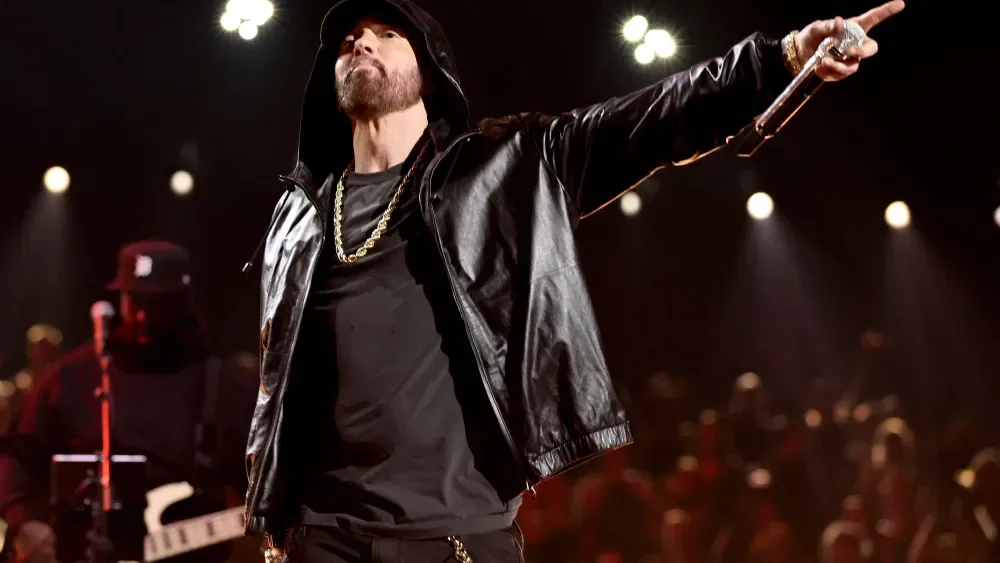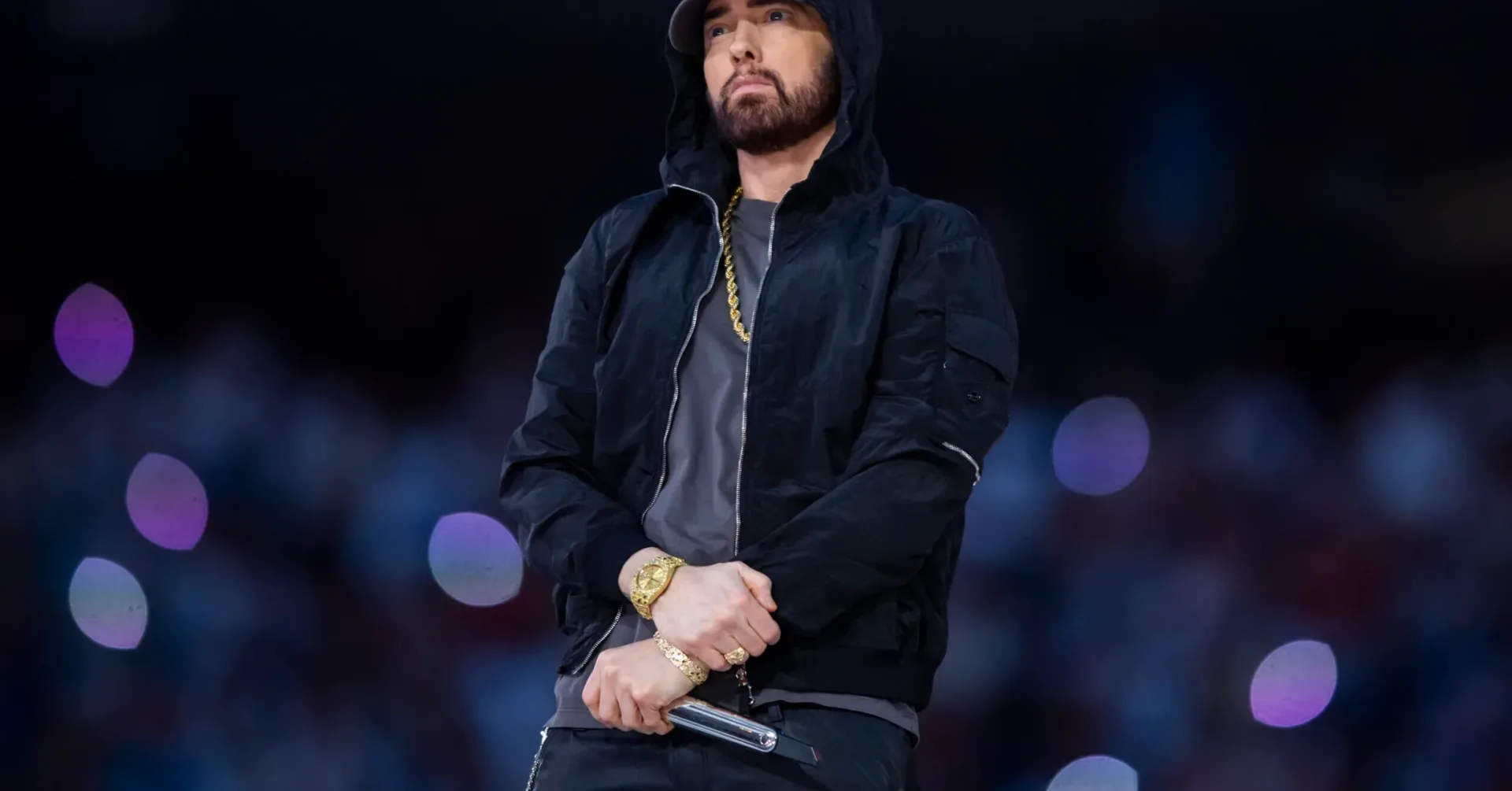
Joseph Strange, a former sound engineer for Eminem, has pleaded guilty to criminal infringement of copyright in a case centered on unreleased recordings that surfaced online in 2025. The plea means the case has moved beyond the charges filed in March 2025, though the court has not yet imposed a sentence.
Strange, 48, faces a statutory maximum of five years in prison. Sentencing is scheduled for January 27, 2027. The plea concerns the unlawful copying and sale of unreleased Eminem music, work that had not been authorized for public distribution.
The case is a reminder that an unreleased song is not simply an early version of a track waiting for fans to discover it. It is protected creative work, and its release schedule, final form, commercial use, and even its continued existence as a private recording remain decisions for the artist and rights holders. A leak can erase that control in an instant.
What the case alleges happened
Strange worked as a sound engineer for Eminem from 2007 through 2021. His work took place at a recording studio in Ferndale, Michigan, where he had access to the material that later leaked.
Studio employees contacted the FBI after discovering that unreleased music had appeared on the internet in January 2025. The subsequent investigation led to charges against Strange in March 2025: copyright infringement and interstate transportation of stolen goods. He has now pleaded guilty to the copyright infringement offense.
Investigators identified people who had purchased the recordings. One purchaser, identified as Doja Rat, told agents that he paid Strange $50,000 for songs. That person also said Strange claimed to possess more than 300 songs as well as handwritten lyric sheets.
Agents searched Strange’s residence and seized hard drives containing copies of Eminem’s unreleased music. More than 25 songs were subsequently put online by people who had obtained the music, the case alleges.
That distinction matters: the alleged conduct was not merely a leak from an anonymous online account. Authorities say the recordings were copied and sold before the files spread across the web. The commercial transaction alleged in the case is central to why the matter became a criminal prosecution rather than only a dispute over removal requests or civil copyright claims.
Related coverage includes Former Eminem Engineer Joseph Strange Pleads Guilty in Unreleased Music Case.
From private recordings to millions of accesses
Streaming-provider data showed that the infringing recordings had been accessed more than eight million times by November 2025. The value of the files was estimated at no less than $750,000.
Those figures illustrate the difficult math of an internet leak. A limited initial sale can be followed by rapid copying, reposting, streaming and downloading. Once files pass through private groups and public platforms, the original buyer is no longer the only person with access, and it can be extremely difficult to put the material back under the artist’s control.
“Infringing” in this context means the songs were made available or used without authorization from the copyright holder. Copyright protects original creative expression fixed in a tangible form, including recorded music. It does not depend on whether a track has received an official title, been put on an album, or been commercially released. A demo, alternate take, unfinished session recording, or cut song can still be protected.
The eight-million-access figure should not be read as eight million separate purchases, nor does it reveal how every listener encountered the music. It does, however, show the scale that can follow when recordings intended to remain private enter online circulation.
Why unreleased material carries particular stakes
Unreleased music may be unfinished, abandoned, awaiting clearance, reserved for another project, or simply retained in an archive. The available case details do not establish the status of each song involved, so it would be speculation to characterize them as album cuts, demos, or material intended for a future release. But the lack of authorization is the key issue: the artist and rights holders had not chosen to distribute the recordings.
That decision-making power has artistic as well as financial value. Musicians may revise lyrics, rerecord vocals, change production, obtain permissions, or decide a recording no longer represents their work. A premature leak can present a version that the creators never meant to stand behind. It may also disrupt a planned release, complicate licensing and undermine the work of the people who contributed to the recording.
The Department of Justice framed the case as an abuse of workplace trust. Assistant Attorney General A. Tysen Duva said Strange “unlawfully copy[ied] and s[old] unreleased music” while profiting from material not cleared for public distribution. The statement emphasized that the conduct implicated both legal rights and artists’ creative interests.
“No one has the right to steal or profit from another artist’s work without their permission,” FBI Detroit Field Office Special Agent in Charge Jennifer Runyan said in a statement.
For studios and artists, the practical lesson is broader than one particular musician or recording session. Access is necessary for creative work, but access also creates responsibility. Audio engineers, producers, technical staff and other collaborators may encounter numerous versions of a song before the public hears anything. The protections around that material are not ceremonial: they preserve the ability to decide if, when and how it is released.
What a guilty plea changes — and what it does not
A guilty plea is a formal admission to the charged criminal conduct covered by the plea. It is not the same as sentencing. The maximum penalty cited in this case is five years in prison, but the court will determine the actual sentence at the scheduled January 2027 proceeding.
The public details supplied so far do not establish what sentence prosecutors will seek, whether restitution will be ordered, or the full terms of the plea agreement. Those are important distinctions. A statutory maximum describes the upper ceiling authorized for the offense; it is not a prediction of the punishment a defendant will receive.
Nor does the plea itself answer every lingering question around the recordings: how many tracks were involved in the criminal count, whether every claimed file was authentic, or whether any material could later receive an official release. Those questions cannot be resolved from the information presently available.
What is clear is that the government considers the unauthorized sale and spread of unreleased music a serious intellectual-property offense. U.S. Attorney Jerome F. Gorgon Jr. said authorities would pursue theft of both physical and intellectual property. The FBI also credited cooperation from Mathers Music Studio during the investigation.
Leaks are not fan archives
Online music communities often treat unreleased recordings as scarce artifacts: glimpses at alternate creative paths, early concepts, discarded verses, or eras that never reached a finished album. That curiosity is understandable, but it should not blur the line between an artist choosing to share archival work and someone taking it without permission.
Official archival releases are curated and authorized. They can identify the provenance of recordings, provide context, compensate participating rights holders, and allow artists or estates to determine what belongs in the public catalog. Stolen material has none of those safeguards. Its circulation may be driven by a seller’s profit, speculation and the perceived value of scarcity rather than consent.
The distinction also matters for listeners. A recording’s mere availability online does not demonstrate that it is legitimate to distribute, buy or upload. In this case, investigators traced alleged purchases and tied the later online distribution to recordings that had not been approved for release.
Music-rights disputes continue to intersect with larger questions about digital distribution and ownership. Elsewhere, legal conflicts involving the proceeds from music sales have shown how a catalog can carry both cultural and financial weight; see our coverage of a separate dispute involving music-sale proceeds. The facts and legal issues in that matter are different, but both underscore that recorded music is not weightless internet content just because it can be copied as a file.
A case centered on control of creative work
The Strange prosecution does not turn on whether leaked songs are interesting to devoted listeners or whether an unreleased recording might someday have found an audience. It turns on authorization. The material was private, the government says it was copied and sold, and it later reached a vastly wider audience than its creators intended.
With a guilty plea entered, the immediate next milestone is sentencing on January 27, 2027. Until then, the essential facts remain straightforward: a former employee with access to unreleased Eminem recordings admitted criminal copyright infringement, and the case has become a high-profile example of how creative material can move from a protected studio environment to the open internet—and why that path can carry criminal consequences.