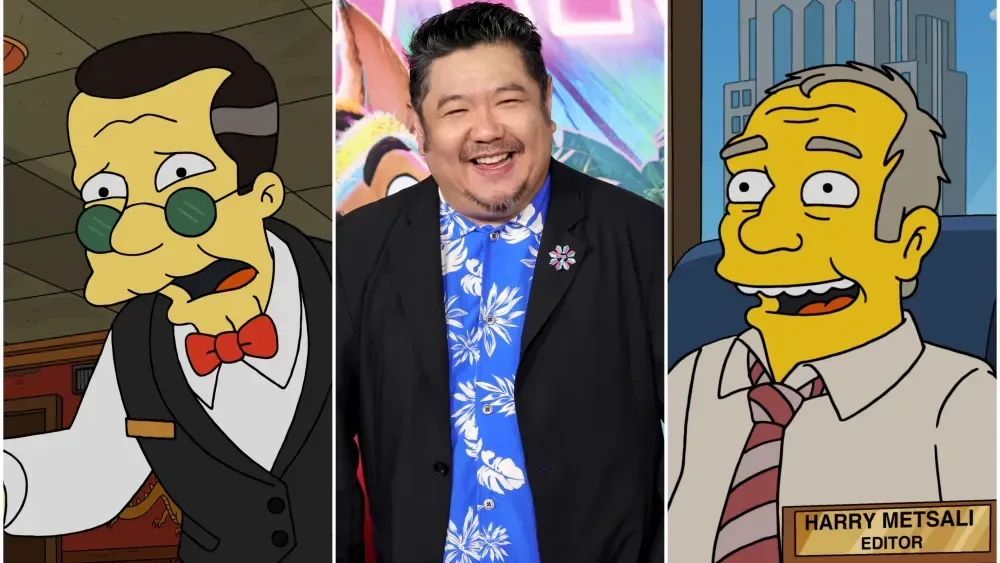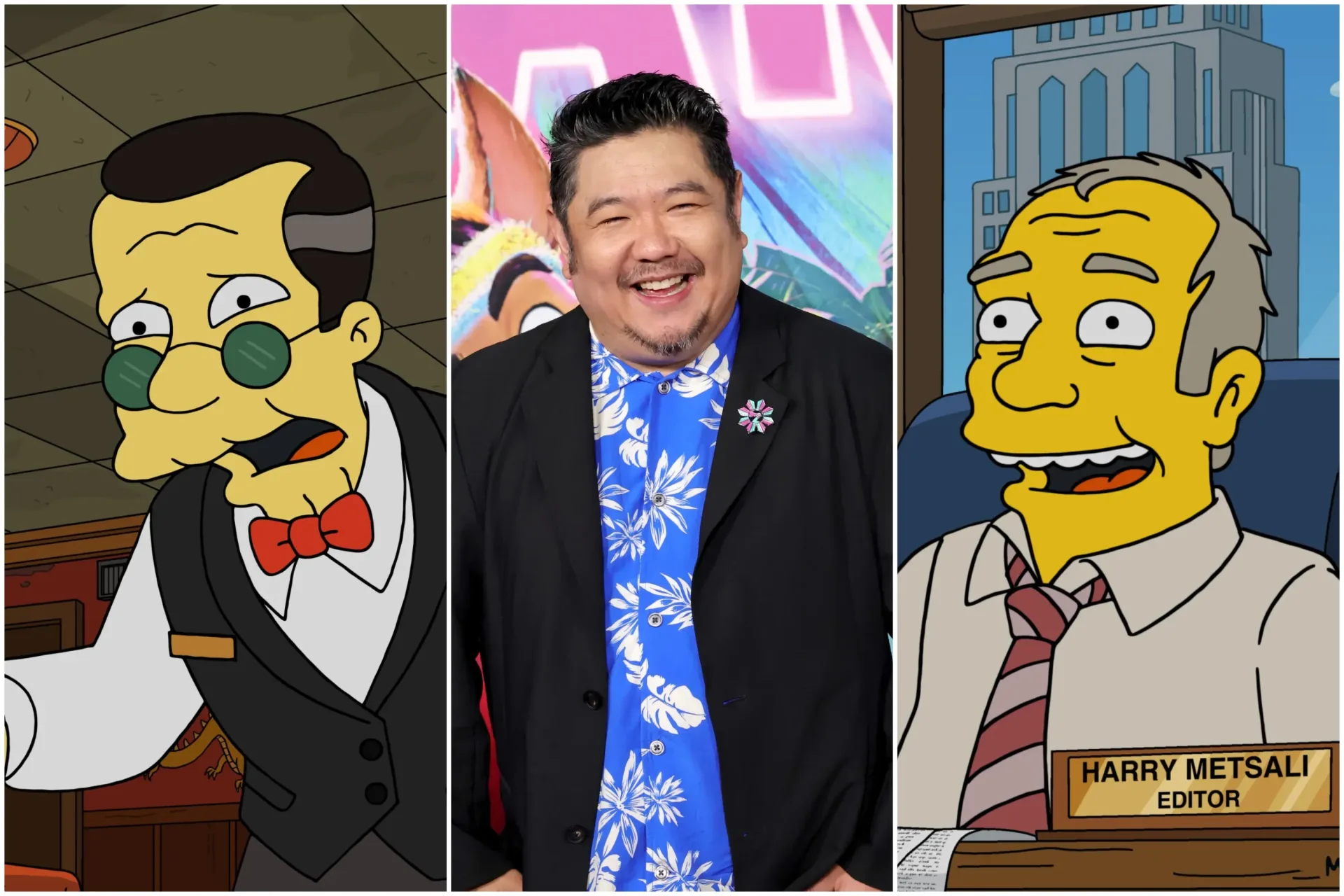
Eric Bauza’s first appearance on The Simpsons will arrive posthumously when “Dream Scenari-Moe” airs on Fox on Nov. 15. Bauza, who died at age 46 from hypertensive cardiovascular disease, recorded two roles for the episode: restaurateur Mr. Fong and newspaper editor Harry Metsali.
For animation audiences, the credit is poignant not simply because it is Bauza’s final connection to a major long-running series, but because The Simpsons was a landmark program he had wanted to join. He had already built an exceptionally broad career in voice acting, including prominent work across the Looney Tunes character library. The upcoming episode places that range in a new setting: Springfield, where a pair of small supporting parts can still demand immediate comic specificity.
“Dream Scenari-Moe” centers on Moe’s inability to sleep and his decision to join a new sleep study. The experiment gives him romantic-comedy dreams, though the premise carries an ominous downside: the fantasy comes with a nightmarish price. Meg Ryan also guests as Sam, while Saturday Night Live cast member James Austin Johnson plays Dr. De La Manana.
Two roles, one versatile performer
Cesar Mazariegos, a co-executive producer on The Simpsons and co-showrunner of the episode, said Bauza came in to perform two “New-Yorky” characters. Mr. Fong and Harry Metsali are distinct jobs and social spaces within the fictional town—a restaurateur and a newspaper editor—which offers a useful clue to how a veteran voice actor can make even briefly heard characters feel separate.
Voice performance is not merely the act of selecting an accent. A character voice can include rhythm, pitch, vocal texture, speed, breath, verbal confidence and the degree to which a speaker pushes or drops particular sounds. In comedy, timing is equally central. A line can land differently depending on whether a performer cuts it short, leaves an awkward pause, sounds overly certain, or pivots mid-sentence. The material provided about Bauza’s sessions suggests he brought that kind of flexibility: he reportedly moved easily among many possible voices, supplied alternatives and improvised humorous material while recording.
That process matters because animation dialogue is often refined through choices made in the booth. Providing variations gives a production team options in editing and helps writers or directors identify the most effective interpretation of a line. It is not a guarantee that every recorded variation will be used, but it shows why performers known for vocal range are valuable collaborators on fast-moving comedy.
“He was so funny, kind, creative and just immensely talented,” Mazariegos said of Bauza, adding that the actor “seamlessly dipped in and out of dozens of voices.”
Bauza recorded his Simpsons material over two sessions. Mazariegos recalled discovering another part of his background when Bauza signed the program’s Wall of Fame and drew Bugs Bunny there: Bauza had begun as an animator. That detail neatly connects the two sides of animation work. Performers give characters their sound and timing; animators turn performances into motion, expressions and physical comedy. Bauza’s career was primarily on the vocal side, but his early animation experience underscored his long-standing attachment to the medium as a whole.
A career built across animation franchises
Bauza accumulated more than 400 acting credits. His work extended across television, film and animated properties that reached audiences in very different eras and styles, including Avatar: The Last Airbender, Chowder, Alvin and the Chipmunks: The Squeakquel, Scooby-Doo! Mystery Incorporated, Fanboy & Chum Chum and Ben 10 Omniverse.
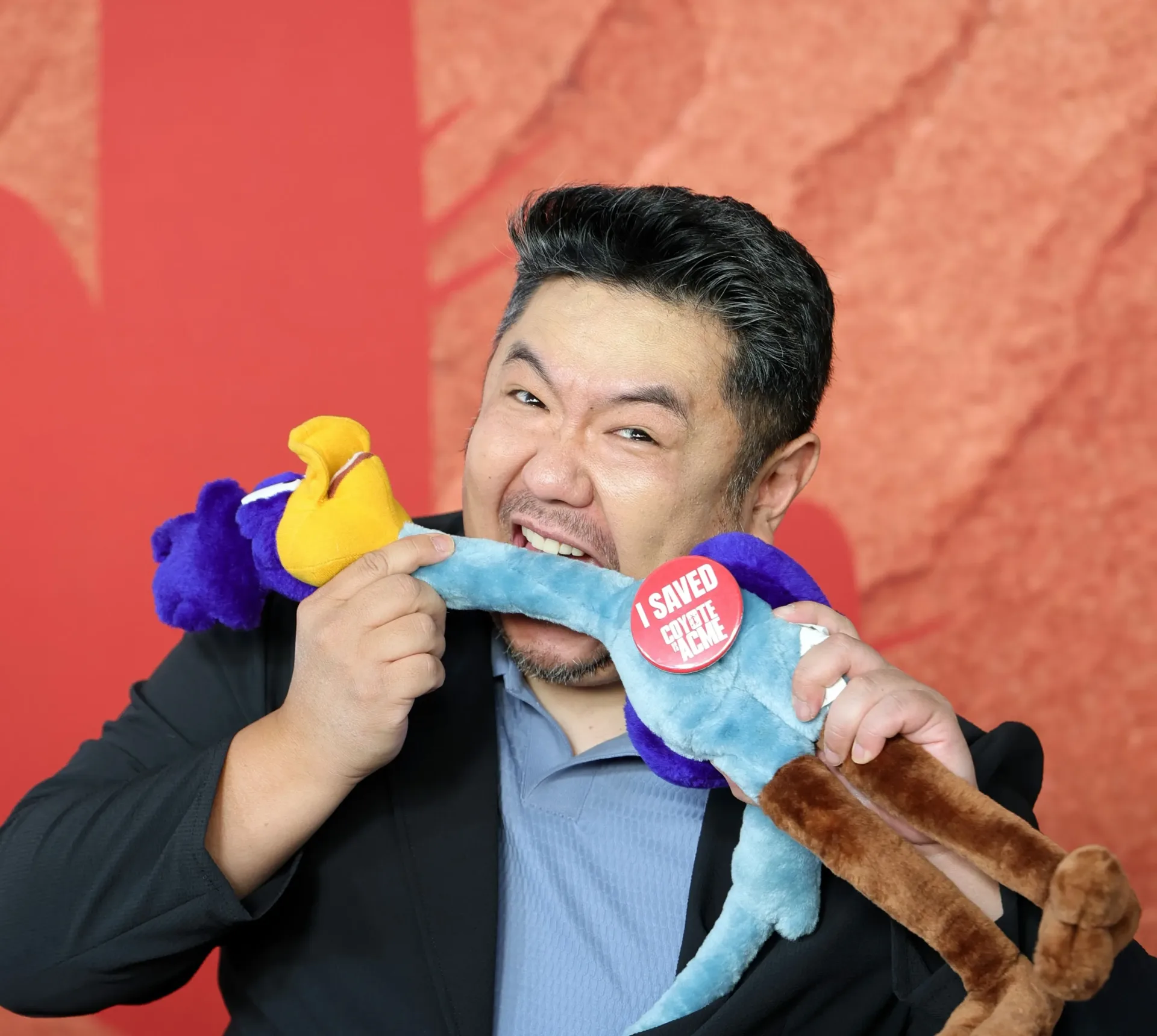
Most visibly, he was associated with a large roster of Looney Tunes characters. In Coyote vs. Acme this year, his credited roles included Bugs Bunny, Daffy Duck, Tweety, Elmer Fudd, Foghorn Leghorn, Porky Pig, Road Runner and Charlie the Dog, among others. Playing a collection of famous characters is a different task from creating a one-off supporting voice. Established cartoon personalities come with decades of audience memory: recognizable speech patterns, comic attitudes and signature vocal shapes. New characters, by contrast, may need to communicate their identity almost instantly. Bauza’s body of work shows experience at both ends of that spectrum.
His 2026 credits also included Chibiverse, Minions & Monsters, Forgotten Island, Rick and Morty, Superkitties and Avatar: Seven Havens. A list that varied demonstrates the practical reality of contemporary voice acting: performers may shift between child-focused series, legacy franchises, feature projects and more adult-oriented animation without the audience necessarily recognizing the same person behind the microphone.
That invisibility is part of the craft’s strange bargain. Great voice work can make the character feel so complete that viewers focus on the persona rather than the performer. But when an actor is known for multiple iconic voices, their range becomes part of the appreciation too. Bauza’s coming appearance on The Simpsons gives viewers another example of a career defined by that dual skill: honoring familiar cartoon traditions while finding a tailored sound for a new role.
Why this episode carries extra weight
Mazariegos said the production had hoped to invite Bauza back. The team had seen him recently, including at the prior month’s Creative Arts Emmys, and executive producer Matt Selman had encountered him at another event the previous week. The news of his death therefore came as a shock to colleagues who had just worked with him and expected future sessions.
The episode will not erase that loss, nor should it be reduced to a curiosity because it is posthumous. It is, instead, a completed piece of work that audiences can hear as intended: an actor’s performance recorded for a comedy episode before his death. The two parts also carry an added professional significance. For someone who had voiced a formidable array of beloved animated characters, a debut on The Simpsons was still a meaningful personal milestone.
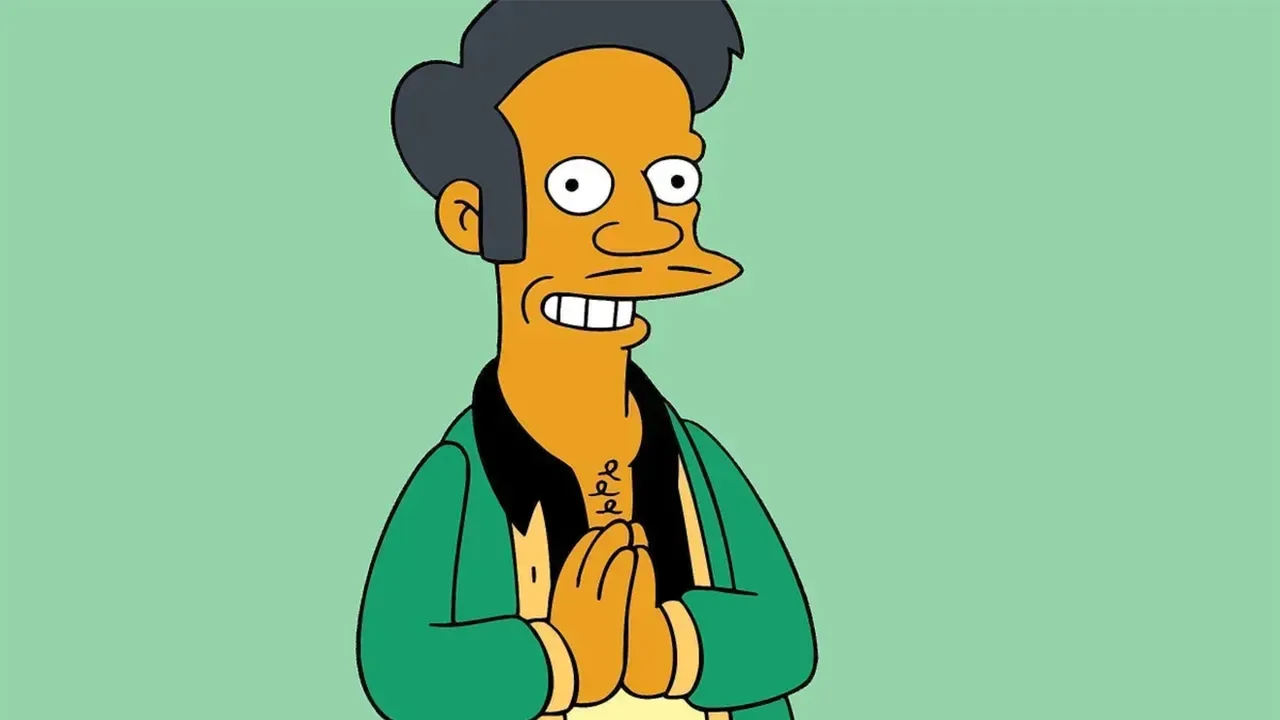
The animation world’s response has also emphasized Bauza’s generosity. Sunil Malhotra, who has taken on the role of Apu on The Simpsons, shared a remembrance after Bauza’s death and described meeting him at a 2017 animation-student panel. Malhotra wrote that Bauza had already been “a legend” to him, but treated him like a peer. He also recalled Bauza sending congratulations after the Apu casting news.
That account supplies a more human measure of a performer whose credits can otherwise look almost impossibly extensive. Technical facility and volume of work explain a portion of Bauza’s standing, but colleagues also remembered encouragement, warmth and an enthusiasm for the people working around him. For aspiring performers, that combination is a useful reminder that a sustainable creative reputation is made from more than a clean impression or an impressive résumé.
The broader voice cast and what to expect
“Dream Scenari-Moe” places Moe at the center of a romantic-comedy fantasy with an unsettling consequence. That premise creates room for guest performers who can support differing tones: Ryan as Sam, Johnson as Dr. De La Manana, and Bauza in the two local roles of Mr. Fong and Harry Metsali. The provided premise does not establish how much screen time each guest character receives, or how their stories connect to Moe’s sleep study, so viewers should avoid assuming details beyond the announced setup.
What is clear is that Bauza’s work was captured in two recording sessions and that both named characters are part of the final episode. For fans, the practical way to approach the broadcast is simple: watch for the credited performances rather than expecting a retrospective special or a role designed as a farewell. This is an ordinary episode in the sense that it was produced as a comedy story, but it will be heard in an extraordinary and sad context.
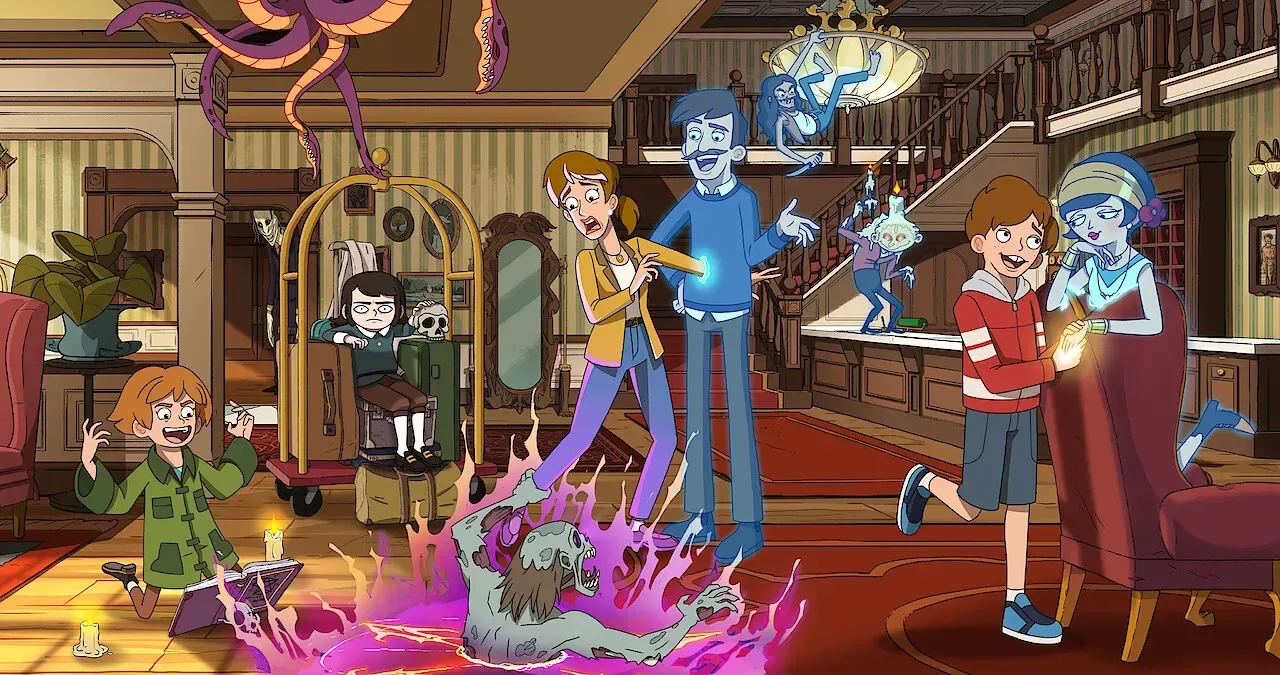
The Simpsons has recently had other notable casting developments, including Malhotra’s return of Apu to the show’s voice roster. Bauza’s episode adds another meaningful voice-acting moment to the series’ current run, though for much more somber reasons. Readers looking for more television-animation coverage can also follow news on the planned third season of Netflix’s Haunted Hotel.
Remembering the work without losing sight of the person
It is easy to discuss animation only through franchise names and character lists, particularly in the case of a performer with credits stretching across so many recognizable properties. The tributes surrounding Bauza point to a fuller picture: someone who came to animation as a fan, had roots in drawing and animation, delighted colleagues with his vocal agility, and made time to champion another actor’s professional milestone.
His performance as Mr. Fong and Harry Metsali will now stand as his Simpsons introduction and, tragically, a final newly public chapter in a major voice-acting career. “Dream Scenari-Moe” airs Nov. 15 on Fox.