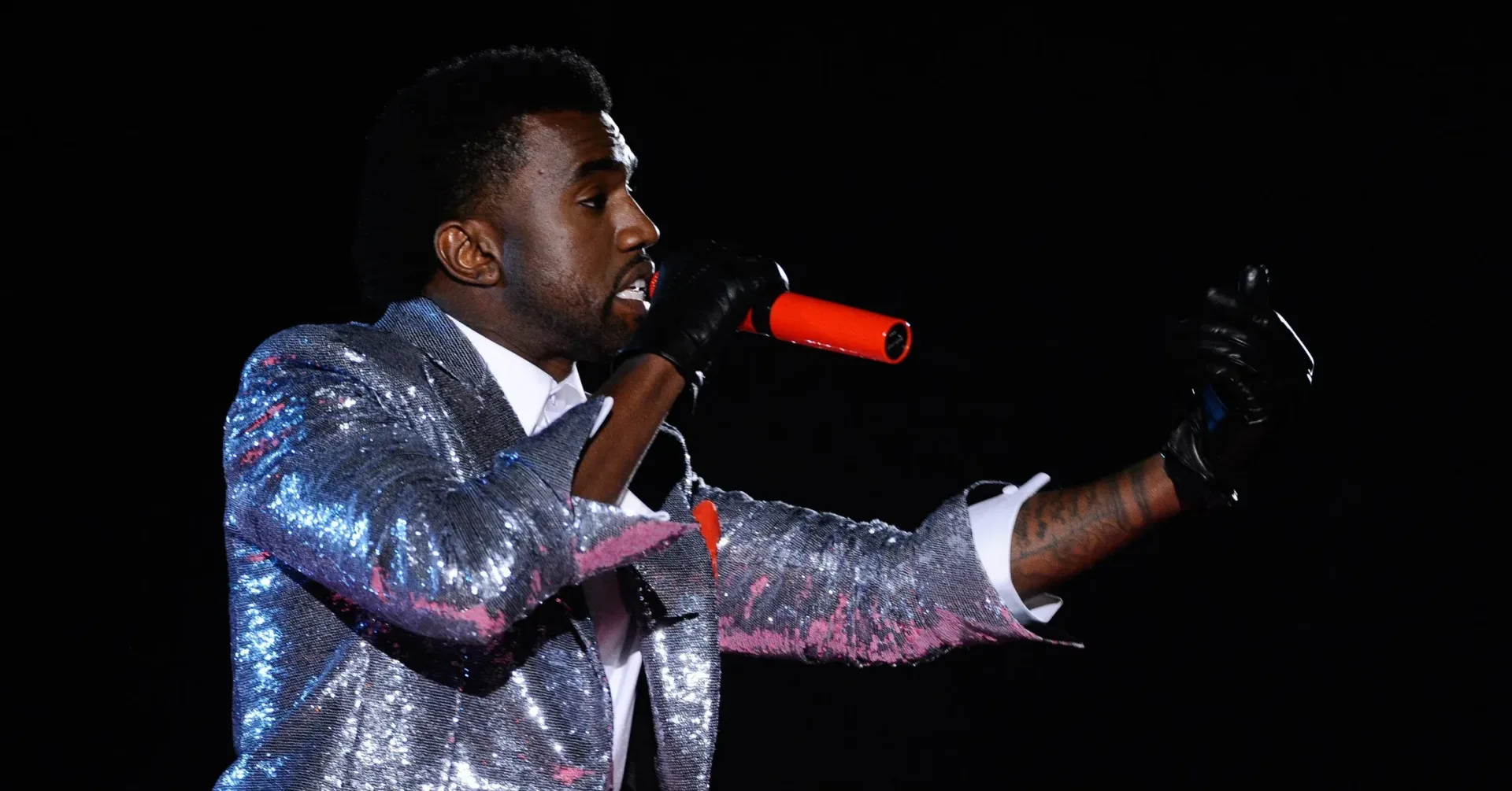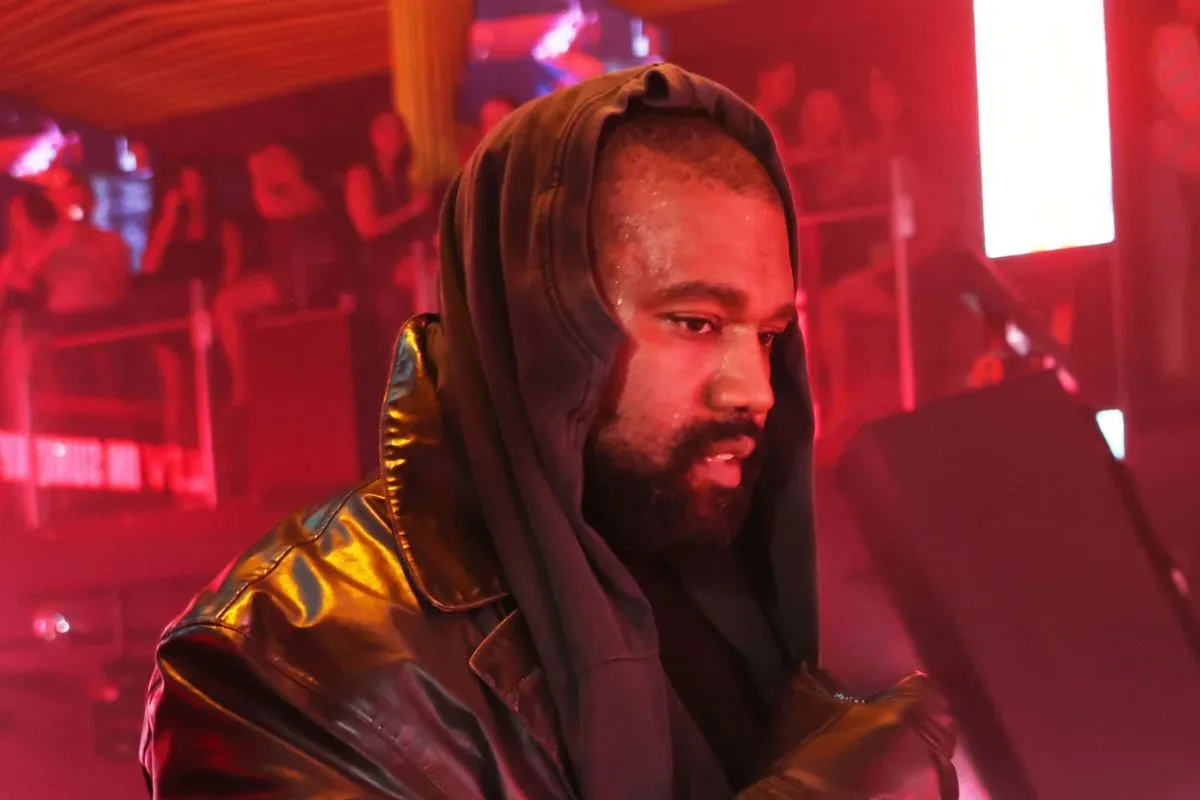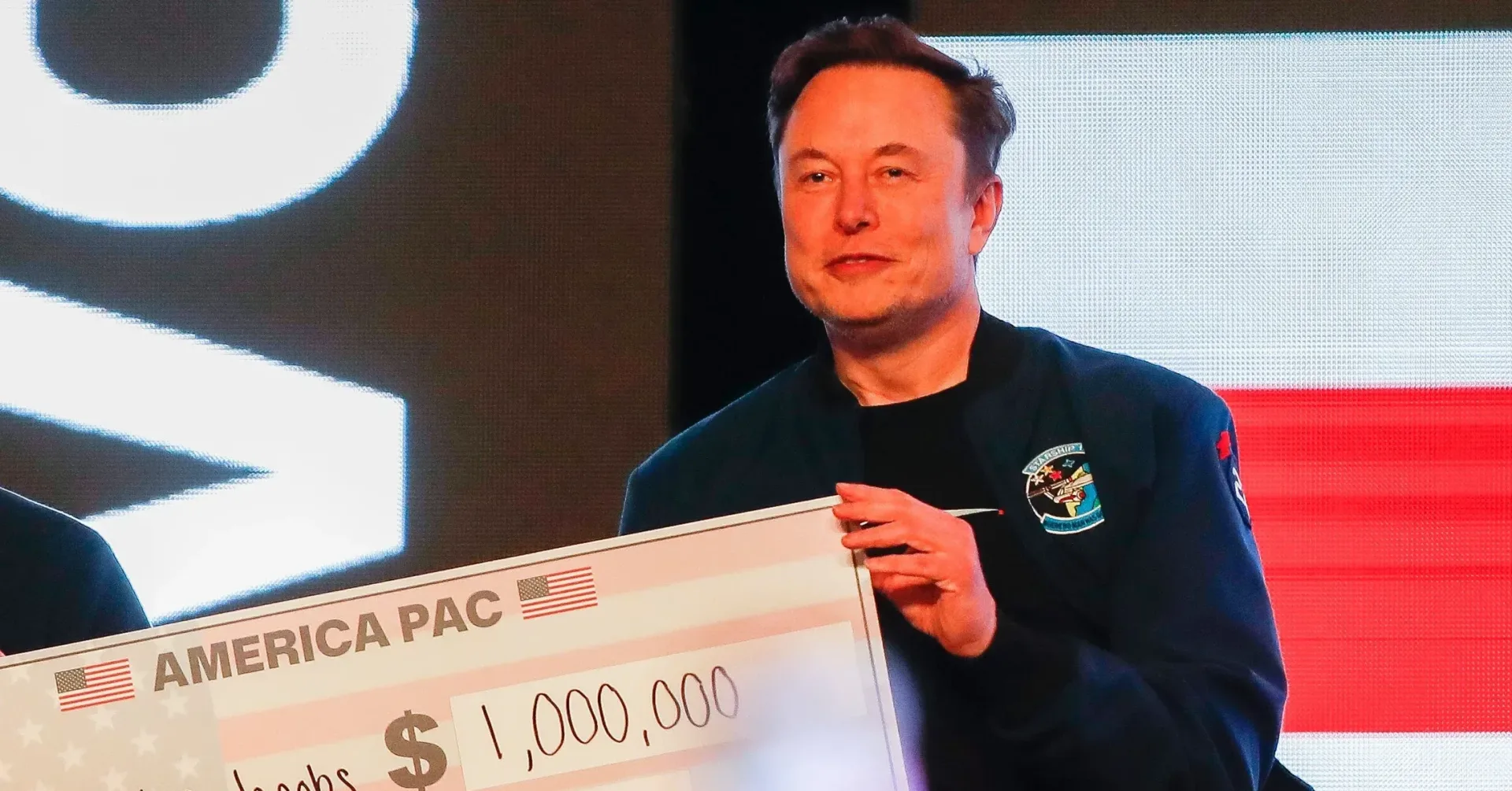
Elon Musk has publicly praised Kanye West after an older clip of the musician defending him circulated online. In the clip, West argues that Musk should be left alone amid public criticism and says that a bad week for Musk would have wider consequences for everyone else.
Musk responded on November 1 by calling West “a world champion troll” and adding that he has “a good heart.” West subsequently reposted Musk’s message, a small but visible sign that the pair’s public relationship is presently less combative than it has been at other points.
The exchange is built around a short video with an uncertain original context. That limitation matters: the footage shows West’s broad defense of Musk, but does not establish what specific incident, event, or criticism prompted West’s remarks when they were first made. Musk’s new reaction is clear, however. He received the clip as support and chose to publicly return that support with a description that mixes appreciation and an acknowledgment of West’s deliberately provocative public persona.
A resurfaced clip, then a highly visible response
In the circulated footage, West is forceful in his defense of Musk. His argument is not a technical explanation of any particular Musk controversy. Instead, it is a plea for critics to stop piling on the technology executive and a claim that Musk’s fortunes have an impact beyond his own life.
That framing helps explain why the clip was likely meaningful to Musk even without a clear timestamp or surrounding context. It is an unusually direct expression of loyalty from a peer with an enormous public platform. Musk’s reply did not attempt to clarify old disagreements, revisit the original circumstances of the video, or make a larger statement about politics or business. It was a compact social-media response: West has a good heart, Musk wrote, while also labeling him an elite-level “troll.”
In online culture, trolling commonly means making intentionally provocative, disruptive, or inflammatory remarks to generate a reaction. The term can range from teasing and performance to conduct that is much more serious or harmful. Musk’s wording treats the label as praise for West’s ability to provoke attention rather than as a criticism, while the “good heart” portion serves as a character endorsement.
West reposting the message gives the exchange added weight. A repost is not a detailed reconciliation statement, and it does not erase their history. Still, it shows West was willing to amplify Musk’s positive characterization of him to his own audience.
Their relationship has not been consistently smooth
The warmth of the new exchange stands out because Musk and West have also had public friction. One central source of that tension was Musk’s criticism of West’s antisemitic remarks. The available information does not suggest that this disagreement was formally resolved in a detailed public conversation; rather, the latest interaction indicates that past conflict has not prevented them from publicly affirming one another now.
That distinction is important when reading celebrity posts. Social-media engagement can signal a shift in tone without proving a settled alliance, personal friendship, or full agreement on every subject. Musk’s post is best understood as a reaction to one supportive clip, and West’s repost as an approval of that reaction. It is evidence of cordiality in this moment, not a complete map of their relationship.
West’s public posture toward Musk also appears to have endured through their prior disputes. He has continued to voice appreciation for Musk and has sought common ground on political matters. Last year, West urged Musk and U.S. President Donald Trump to stop fighting over Trump’s proposed spending bill, positioning himself as someone who wanted the two high-profile figures aligned rather than at odds.
That episode underscores a recurring feature of the West-Musk dynamic: both figures draw intense attention, and their interactions are often interpreted well beyond the limited words in a post. Their statements can be read through business, culture, politics, platform governance, celebrity fandom, and personal controversy all at once. Yet the substance of this latest exchange is narrower than the discourse around it. One person was defended in an older clip; the other person responded appreciatively in the present.
Why the phrasing drew attention
Musk’s choice of “Hall of Famer” language is part of what made the reaction travel. It borrows the vocabulary of sports honors to describe West’s talent for provoking a response. The statement is therefore both complimentary and pointed: it praises West’s impact while recognizing the pattern of controversy that has followed many of his public interventions.
For West, the label is also unusually compatible with the persona he has often projected. His career has included high-profile creative work alongside dramatic public declarations and confrontations involving influential people and institutions. Musk’s response does not offer a defense of every action or statement West has made. Instead, it separates, at least rhetorically, a positive view of West’s intentions from a reputation for antagonistic or attention-commanding behavior.
That separation is not universally accepted as a useful one, especially where comments can cause real harm. But it is the distinction Musk chose to make. Readers should avoid treating a short post as a comprehensive judgment on West’s record or as a comment on the prior antisemitic remarks that drove some of their earlier conflict.
West’s recent Houston spotlight remains a separate story
The Musk exchange arrives while West is also receiving renewed attention for a major Houston performance. Following that show, Texas state representative Ron Reynolds presented West with a Global Icon Award. Coverage of the event has described it as among the largest concerts of West’s career, while the scale and reception of the performance have fueled a separate wave of discussion around his continuing cultural reach.
For more on that event and the reported crowd figure, see the report on West receiving a Texas Global Icon Award after the Houston show.
The concert recognition and Musk’s post should not be collapsed into one development. They involve different settings and different kinds of validation: one is a public honor following a live performance, while the other is a social-media reaction between two globally recognizable figures. Taken together, though, they help explain why discussion of West has intensified again.
What can—and cannot—be taken from the posts
The clearest takeaway is modest. Musk reacted positively to a video in which West defended him, and West then amplified Musk’s response. It is reasonable to describe that as a public thaw or an indication that the relationship is currently on steadier ground.
It would be less sound to infer that they have resolved every past disagreement, share identical political views, or are preparing any joint venture. None of those conclusions is established by the clip or the posts described here. The original context of the video is also unknown, which limits what can responsibly be said about the circumstances that first produced West’s defense.
That uncertainty does not make the exchange meaningless. In the fast-moving environment of celebrity social media, short gestures can shape a narrative quickly. Musk’s response gave the older clip new visibility; West’s repost kept the cycle moving. The result is a fresh public snapshot of a relationship that has contained both conflict and mutual appreciation.
For now, the most accurate reading is also the simplest: Musk accepted West’s resurfaced defense, praised him in his own characteristically provocative terms, and West showed that he welcomed the praise.