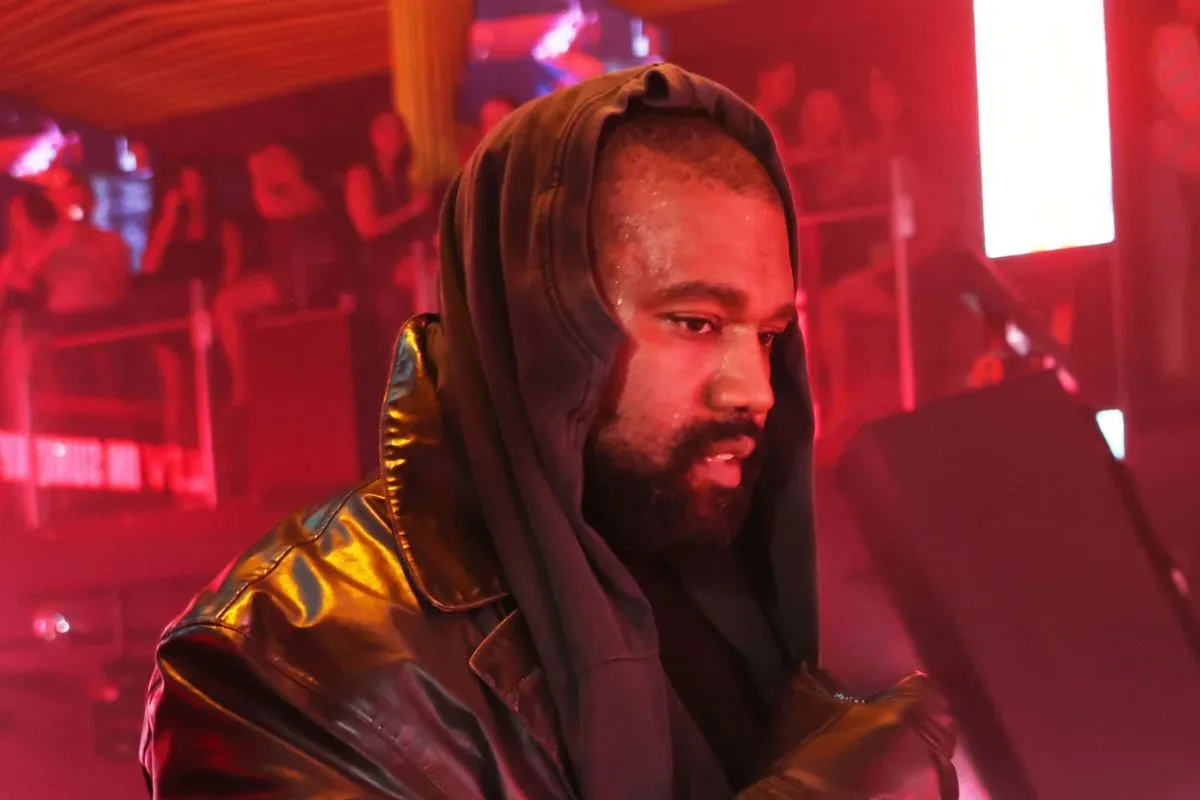
A Los Angeles court is weighing a request that sits alongside an unusual music-industry dispute: whether a producer alleging unpaid work involving AI-generated vocals can continue pursuing claims against Ye and Yeezy Record Label LLC as John Doe.
The producer’s underlying allegations are still public. What remains unresolved is whether his legal name, home address and identifying details about relatives should be withheld from public view. Judge Kristin S. Escalante heard arguments on the request in Los Angeles Superior Court and continued the matter. The next hearing is scheduled for November 18.
The case is not a sealed proceeding, based on the producer’s requested approach. The complaint, filings, allegations and eventual rulings would remain accessible; the producer would simply use a pseudonym in the public record. That distinction matters. Anonymity can limit exposure of personally identifying information without preventing the public from following the claims, the defense or the court’s decision.
What the producer alleges
Filed on August 3, the complaint names Ye and Yeezy Record Label LLC. The producer alleges he was not paid, did not receive a written contract and was not credited on streaming platforms for the work at issue. The defendants have been accused, not found liable; the allegations have yet to be resolved in court.
John Doe says he was hired on August 1, 2024, two days before Vultures 2 was released. He alleges that he supplied recordings of his own voice as source material, then produced more than 400 vocal generations using at least 13 custom AI voice models. He claims work connected to five tracks on Vultures 2.
The complaint also describes additional work beginning in October 2024 on Bully. Doe alleges this later work involved further AI vocal production as well as writing contributions to two released songs.
In broad terms, an AI vocal model is a system used to generate or transform vocal audio from training or source material. In this dispute, the producer’s allegation is not merely that he made conventional recordings. He says he created a large set of generated vocal outputs using customized models and his own voice as the underlying source. That makes the claimed work a mix of production, recorded performance material and technical AI-audio labor.
The exact ownership, authorship and credit implications of that work are not established by the complaint alone. Those questions can turn on the agreements between the people involved, the nature of the actual contributions and how the recordings were ultimately used. The producer’s claim that no written contract was provided is therefore central rather than incidental.
The money claim and Los Angeles freelance rules
Doe seeks at least $110,000 tied to seven released tracks, and seeks double damages under Los Angeles’ freelance worker ordinance. The resulting stated claim is at least $220,000.
The ordinance requires a written agreement for covered freelance contracts worth at least $600. That threshold can also be reached when work for the same client accumulates to $600 or more during a calendar year. A qualifying agreement is required to identify the services being provided, compensation and the payment deadline.
Those requirements are practical safeguards for freelance work that can otherwise develop through messages, calls, evolving files and informal direction. They establish a basic record of what a worker is expected to deliver, the amount owed and when payment must be made. In a production setting involving numerous iterations, that written clarity can be especially important because a project’s scope can grow quickly.
The ordinance can allow damages up to twice the unpaid amount when payment is late. That is why the dispute’s number is framed in two layers: the producer’s alleged underlying $110,000 entitlement and the requested doubled amount. It does not mean the court has awarded $220,000, or that the full sum will necessarily be available. It describes the relief sought in the complaint under the cited local rules.
Doe also alleges that Ye and Yeezy recognized his contributions, said streaming credits would be changed and later offered a master buyout. A master buyout generally refers to an arrangement to acquire rights or interests connected to a finished sound recording. The reported allegation does not establish what terms were offered, whether an agreement was reached or what rights either side may possess. It does, however, underscore why credit, payment and ownership are separate questions that can become intertwined in recorded-music disputes.
Why a pseudonym request is the immediate issue
Doe’s attorney, Mark Steven Avila, has cited fears for the producer’s safety and the safety of his family in asking the court to allow anonymity. The request is narrowly framed: it seeks to protect the producer’s legal name, residence information and identifying information about relatives while leaving the case itself open.
Courts generally have to balance privacy and safety concerns against the strong public interest in open legal proceedings. A pseudonym does not erase the plaintiff’s identity inside the litigation. The parties, their lawyers and the court can still address identity as necessary for the case. The public-facing issue is whether disclosure is needed at this stage for accountability and fair process.
There is a relevant point of comparison in the material before the court: a different 2025 case involving Ye’s former intelligence aide. A judge permitted that plaintiff to proceed under a pseudonym after determining that anonymity would not interfere with discovery or depositions. Discovery is the pretrial process through which parties obtain information and evidence from one another; depositions are sworn out-of-court testimony, typically recorded for use in preparing or litigating a case.
That earlier ruling does not decide this producer’s request. Each matter has its own allegations, risks and procedural circumstances. Still, it illustrates the practical question the court must answer: can the litigation proceed fairly if a plaintiff’s public identity is protected? Doe’s request expressly argues that it can, because the substance of the dispute would remain open to scrutiny.
AI vocal work makes the paperwork question more urgent
The case presents a modern version of a long-running production problem: creative and technical contributions are sometimes made quickly, while formal documentation lags behind. AI-assisted vocal work adds further layers because a finished output may involve original voice recordings, model customization, numerous generated takes, editorial decisions and incorporation into a released track.
The alleged scale here is notable. Doe says he made more than 400 generations using at least 13 customized models. “Generations” in this context refers to individual audio outputs created through an AI model. A large number of outputs does not by itself determine the value of the work or prove use in a release. But it helps explain why a dispute may be difficult to reduce to a single studio session, a single file or a simple production credit.
For freelancers working with emerging production tools, the Los Angeles written-agreement requirements described in the complaint point to a practical baseline: define the deliverables, the compensation and the payment deadline before the work expands. In AI vocal production, it can also be useful for parties to spell out what source voice material is being supplied, what kind of generated outputs are expected, and what approvals govern use. Those additional details are not quoted requirements of the ordinance; they are a straightforward implication of the technical complexity alleged in this case.
Credits deserve their own treatment as well. A streaming credit identifies a contributor, but it is not automatically the same thing as a payment promise, ownership interest or contractual protection. Conversely, lack of a displayed credit can have career consequences for a producer even if the payment dispute is the immediate legal claim. Doe alleges both nonpayment and an absence of streaming-platform credit, placing economic compensation and public attribution in the same dispute without making them legally identical.
What to watch on November 18
The coming hearing is focused on anonymity, not a final determination of the producer’s payment, credit or contribution claims. The court may decide whether John Doe can continue using a pseudonym in publicly available filings, and on what terms. It has not yet ruled on the merits of the allegations against Ye and Yeezy Record Label LLC.
If anonymity is allowed, the public could continue to track a dispute over AI vocal production while the producer’s identifying details stay protected. If it is denied, the case would raise a different question: how people bringing high-profile entertainment claims should weigh the risks of public identification against pursuing a case in an open court system.
For now, the most concrete facts are the allegations, the claimed damages structure and the delayed privacy decision. The broader implications remain contingent on what the court finds and what evidence emerges. But the lawsuit already highlights a key issue for an industry adapting to AI audio: where the work is technically complex, the agreement needs to be uncomplicated enough that everyone can identify the services, the deal and the deadline.
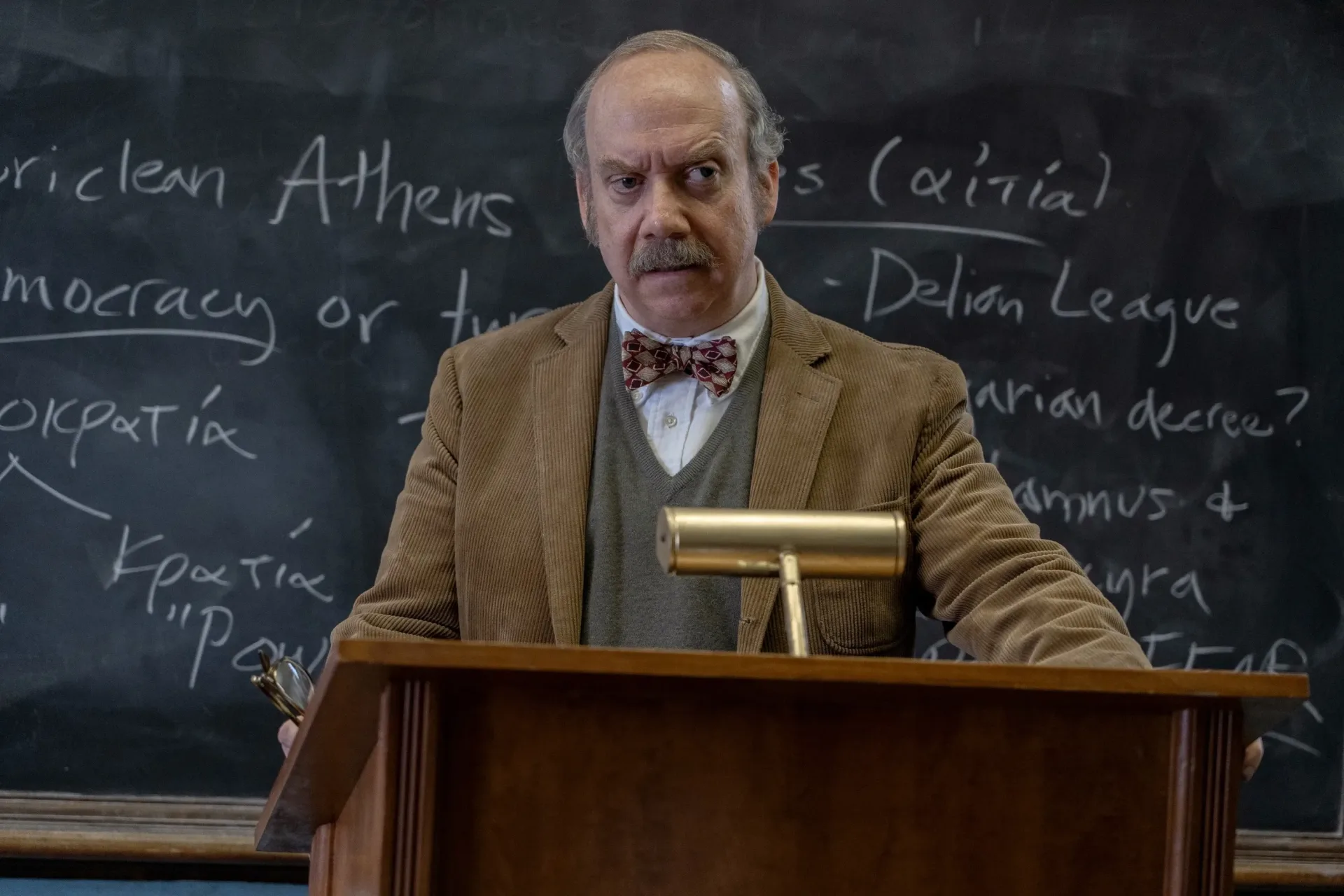
Questions about creative credit and ownership continue to spill beyond music, as seen in other entertainment disputes such as the copyright suit involving The Holdovers. This case, however, is presently centered on a producer’s claimed freelance compensation, AI vocal contributions and request for public-facing anonymity.